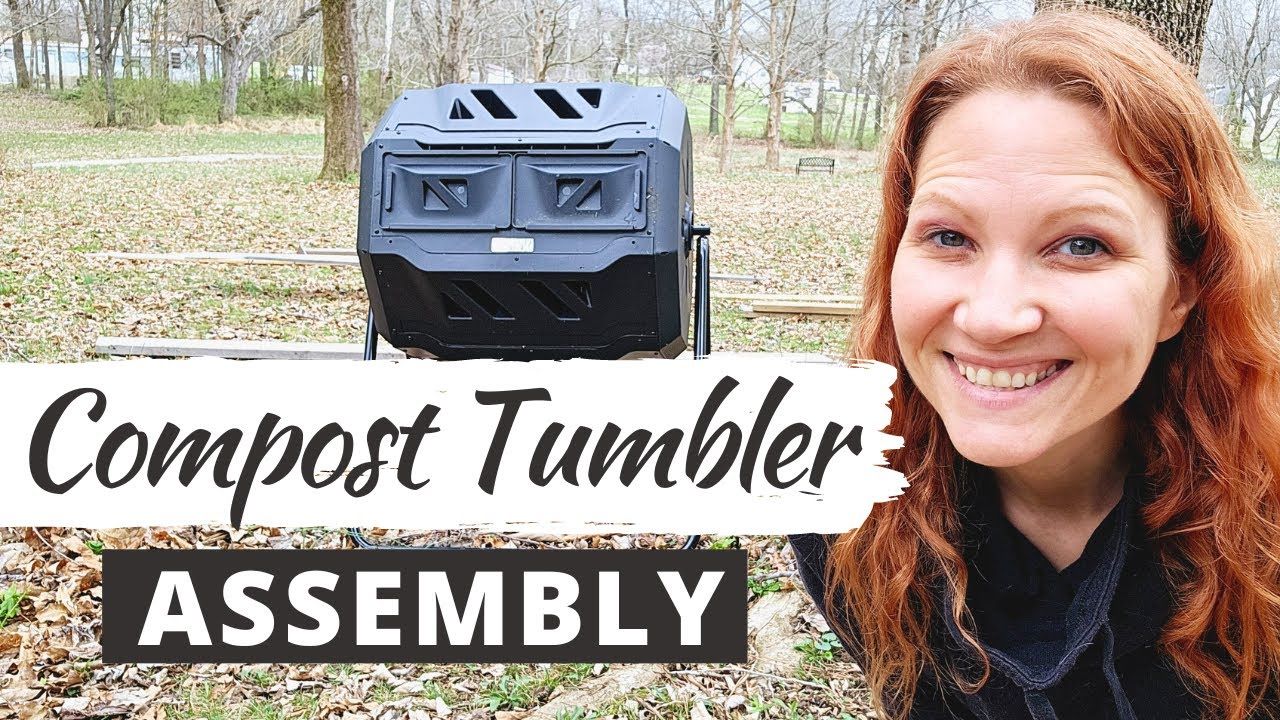
Picture this: your kitchen scraps, yard waste, and organic materials all getting transformed into rich, dark soil right in your backyard. It’s not magic – it’s composting. And when you build your own compost tumbler, you’re taking a giant leap toward sustainable living that’s both eco-friendly and rewarding. This isn’t just about reducing trash; it’s about creating something beautiful from what others might see as nothing.
In a world where landfills overflow and our planet struggles under the weight of waste, finding sustainable solutions feels more important than ever. One of the most powerful yet overlooked approaches lies right in our own backyards. Composting isn’t just about reducing garbage – it’s about recycling nutrients back into the earth. When you create your own compost tumbler, you’re not just managing waste; you’re participating in a natural cycle that has sustained life for millennia. This simple act of turning organic matter into soil amendment represents one of humanity’s oldest practices, reimagined for modern times.
What Exactly Is a Compost Tumbler?
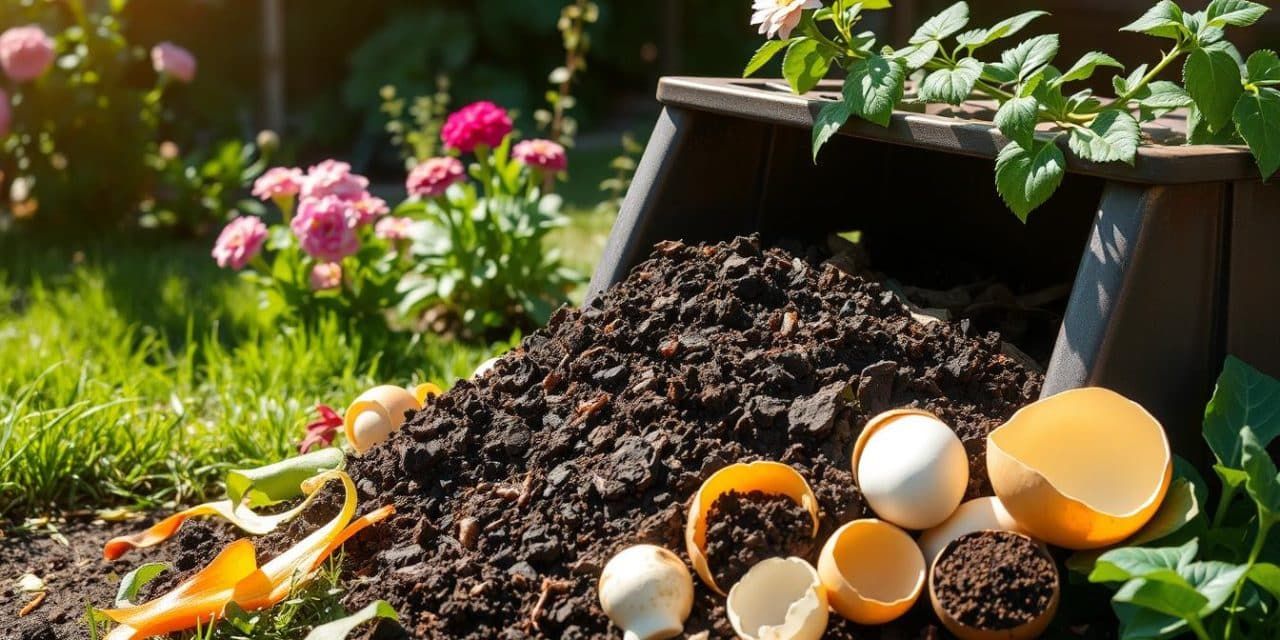
Think of a compost tumbler as a specialized container designed to make composting easier and more efficient. Unlike traditional compost piles that require constant turning and can attract pests, these clever devices spin around, mixing materials automatically. They’re typically made of plastic or metal and feature a drum-like design that makes them easy to rotate. The spinning motion helps aerate the compost pile, which speeds up decomposition and prevents odors. You can find them in various sizes, from small units perfect for apartments to large models suitable for families with plenty of garden waste.
The Science Behind Successful Composting
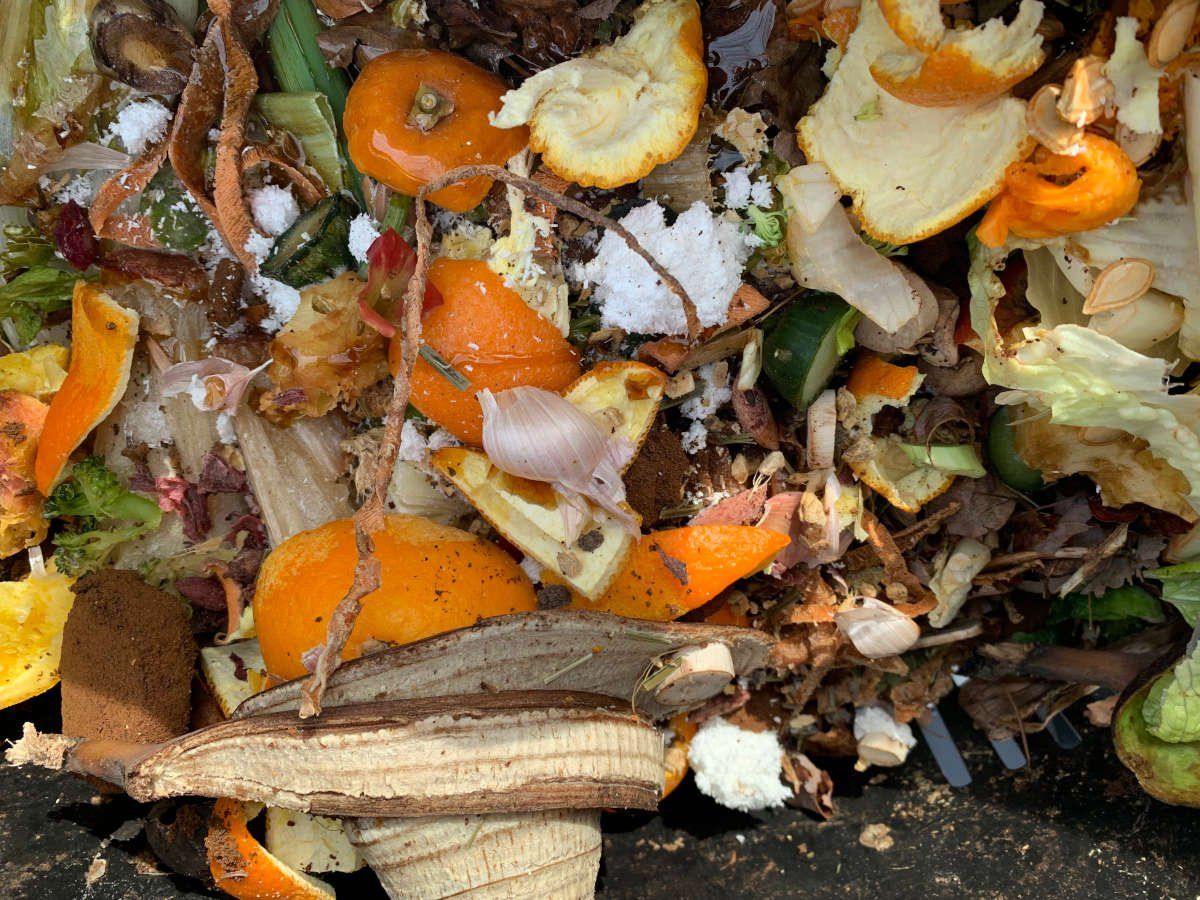
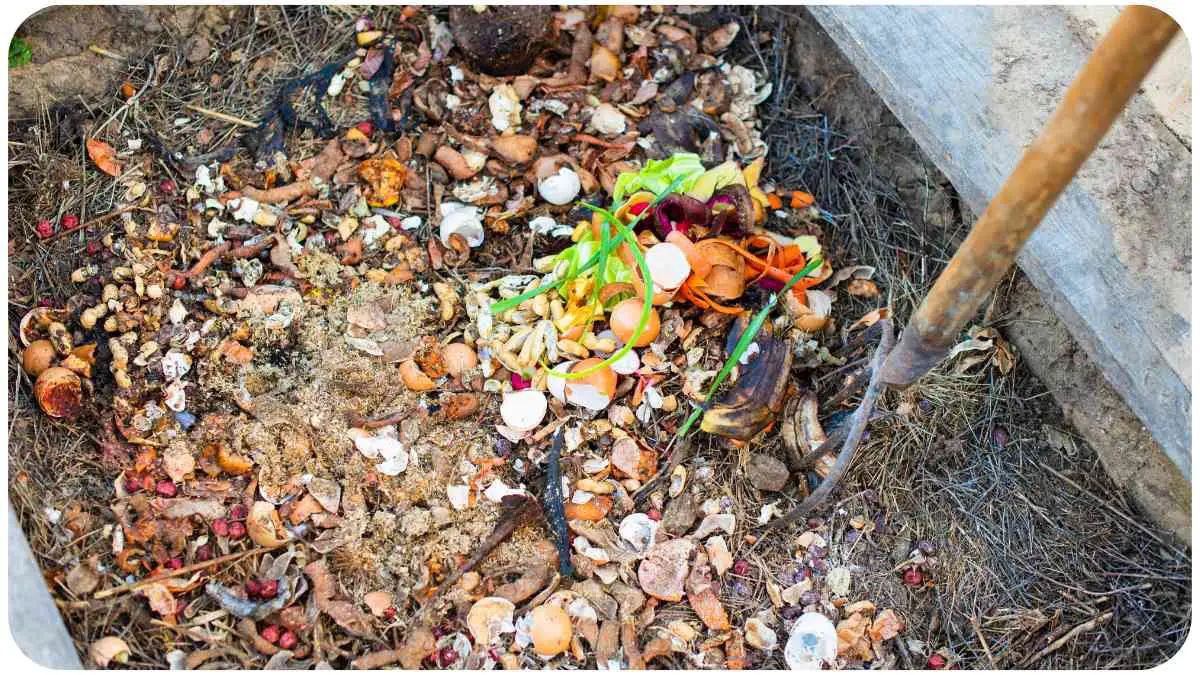
Composting is essentially a controlled breakdown of organic materials by microorganisms. These tiny creatures – bacteria, fungi, and other decomposers – work best when provided with the right conditions. Temperature, moisture, oxygen, and proper balance of ‘green’ and ‘brown’ materials are crucial. Green materials include fresh grass clippings, vegetable scraps, and coffee grounds. Brown materials consist of dry leaves, cardboard, and paper. When these elements work together, they create ideal conditions for rapid decomposition. The heat generated during this process kills harmful pathogens and weed seeds, making your finished compost safe to use in gardens.
Benefits Beyond Just Reducing Waste
• Creates nutrient-rich soil amendment
• Reduces methane gas production in landfills
• Decreases need for chemical fertilizers
• Helps retain water in garden soil
• Improves soil structure and drainage
• Supports beneficial soil organisms
The advantages stretch far beyond simply diverting waste from landfills. Compost acts as a natural fertilizer that feeds plants while improving soil health. It’s like giving your garden a multivitamin boost. When you use compost, you reduce the need for synthetic fertilizers that can harm the environment. Plus, it helps soil hold moisture better, which means less watering and healthier plants. The improved soil structure allows better root penetration and drainage, preventing waterlogging issues.
How to Build Your Own Compost Tumbler
Building your own tumbler doesn’t require advanced skills or expensive materials. A basic model can be constructed using PVC pipes, wooden frames, or even repurposed containers. The key components include a rotating drum, a base for stability, and access points for adding materials. You’ll need to ensure proper ventilation and drainage. Many DIY enthusiasts start with simple designs using 55-gallon drums, adding wheels for easy rotation and a handle for turning. The process teaches valuable lessons about sustainability while providing a functional tool for waste reduction. Consider using recycled materials whenever possible to maximize environmental benefits.
Choosing the Right Location for Your Tumbler
Location matters significantly for successful composting. Choose a spot that’s easily accessible year-round but not too close to your house to avoid potential odors. The area should have good drainage and partial shade to prevent excessive drying. Avoid placing it directly under trees where falling leaves might interfere with the composting process. Ensure there’s enough space around the tumbler for maintenance access. The ground should be level to prevent uneven wear on the drum. Some gardeners prefer locations near their kitchen for convenience, while others opt for areas that are slightly removed to minimize any impact on nearby plants.
Maintaining Your Compost Tumbler System
Regular maintenance keeps your compost system running smoothly. Turn the tumbler every few days to ensure proper aeration, which speeds up decomposition. Monitor moisture levels – the mixture should feel like a damp sponge. If it’s too dry, add water; if too wet, incorporate more brown materials. Watch for signs of imbalance such as foul odors or excessive moisture. Properly maintained systems produce compost in 3-6 months rather than the year or more typical of traditional methods. Regular monitoring also helps catch problems early before they become major issues.
Common Mistakes to Avoid
Many beginners encounter challenges that could easily be avoided. Adding meat, dairy, or oily foods creates problems since they attract pests and cause unpleasant odors. Overloading the tumbler with too much material at once slows decomposition. Neglecting proper aeration leads to anaerobic conditions that produce bad smells. Not maintaining adequate moisture levels either slows the process or creates soggy, smelly compost. Ignoring the green-brown ratio imbalance causes either slow decomposition or excessive heat generation. Understanding these pitfalls helps ensure successful composting outcomes.
The journey from waste to wonderful soil starts right in your backyard with a simple compost tumbler. This isn’t just about managing organic waste – it’s about participating in nature’s own recycling system. When you take control of your composting process, you’re making a tangible difference in your local environment while creating something valuable for your garden. Whether you’re a seasoned gardener or someone just starting out, building or buying a compost tumbler opens doors to sustainable living. The investment of time and effort pays dividends in healthier soil, reduced waste, and a deeper connection to the natural world around us. Every kitchen scrap you turn into garden gold is a small victory against waste and a big step toward a more sustainable future.