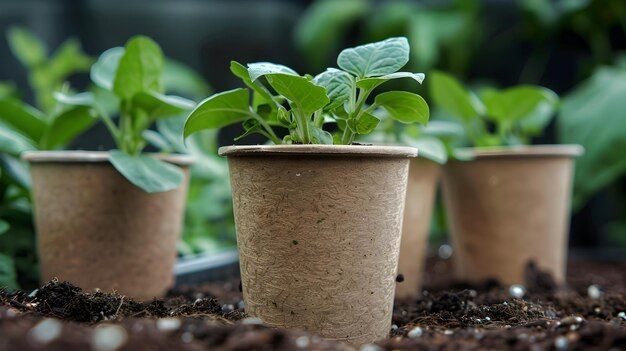
Picture this: you’re tending to your garden, carefully nurturing seedlings that will soon grace your outdoor spaces. But instead of plastic pots that might end up in landfills for decades, you’re using containers that naturally break down. This isn’t just a dream – it’s becoming a reality for gardeners worldwide. These eco-friendly alternatives are changing how we think about plant cultivation, offering a bridge between traditional gardening methods and environmental responsibility.
Gardening has always been about nurturing life, but modern gardeners face a new challenge: how to do so sustainably. As awareness grows about plastic pollution and environmental impact, many are turning to biodegradable containers as a practical solution. These innovative options offer a way to grow plants without compromising our planet’s health. Whether you’re starting seeds indoors or transplanting young plants outdoors, understanding how these containers work can revolutionize your gardening approach. They’re not just trendy – they’re genuinely beneficial for both your garden and the environment.
What Are Biodegradable Containers?
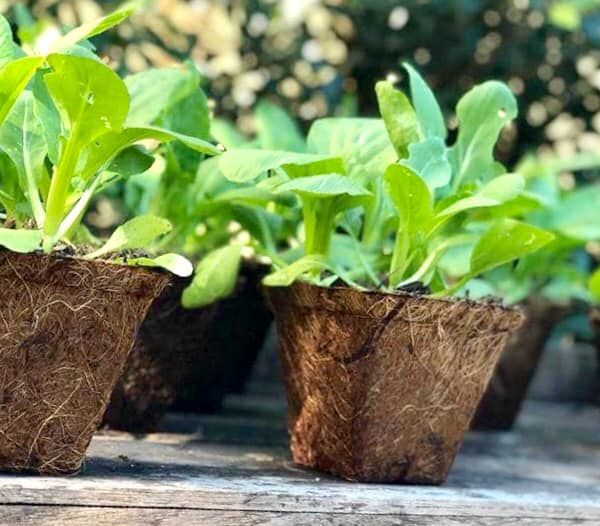
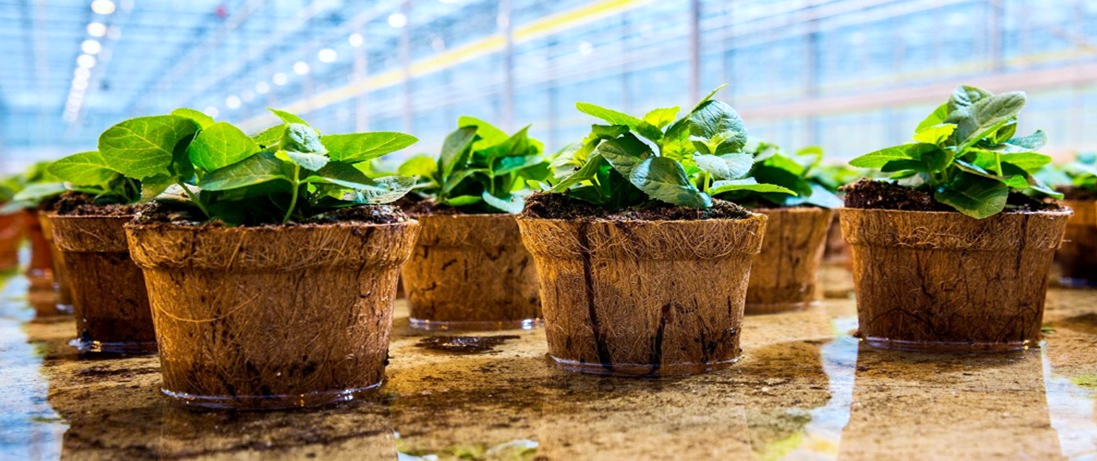
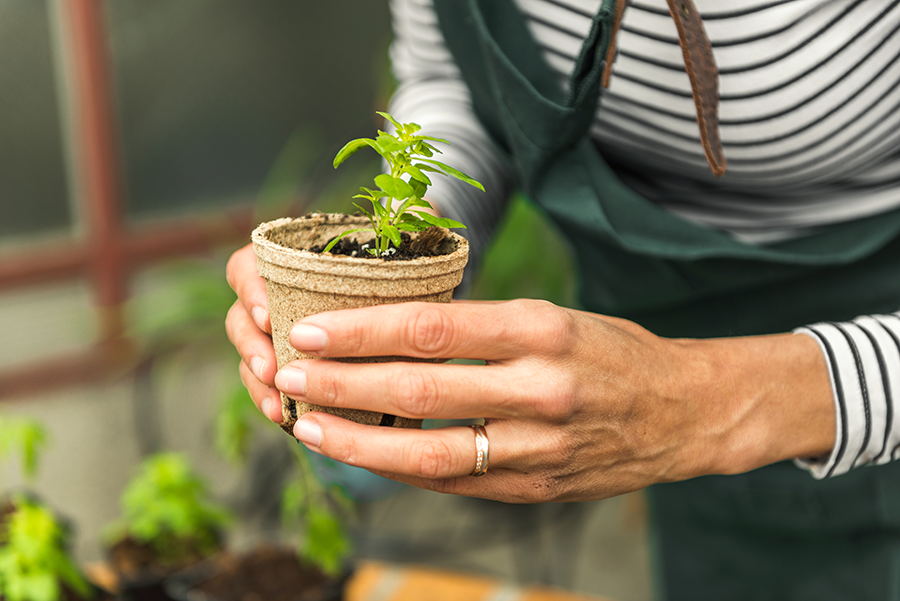
At their core, biodegradable containers are made from materials that naturally decompose over time. Unlike traditional plastic pots that can persist in the environment for hundreds of years, these containers break down into harmless substances like water, carbon dioxide, and organic matter. Common materials include paper, cardboard, peat, coconut coir, and even some plant-based plastics. Think of them as temporary homes for your plants that disappear gracefully once their job is done. The key is that they’re designed to be planted directly into the soil, eliminating transplant shock and reducing waste. You’re essentially giving your plants a home that becomes part of the garden itself.
The Environmental Impact of Traditional Plastic Pots
Traditional plastic containers have been the gardening standard for decades, but their environmental toll is significant. Millions of these pots end up in landfills each year, where they can take over 1,000 years to decompose. During that time, they may leach harmful chemicals into soil and groundwater. Plastic production also consumes fossil fuels and generates greenhouse gas emissions. Consider the lifecycle: manufacturing, transportation, use, and disposal. Each step adds to our carbon footprint. When gardeners discard used plastic pots, they’re often unaware that these items will remain in the environment long after their usefulness has passed. This creates a cycle of waste that’s hard to break.
Benefits for Plant Health and Growth
Beyond environmental advantages, biodegradable containers offer tangible benefits for plant development. Many types allow better air circulation around roots, promoting healthier growth. Paper and cardboard pots, for example, let oxygen reach root systems more easily than solid plastic containers. The natural decomposition process releases nutrients into surrounding soil, providing additional nourishment for growing plants. Some materials, like peat moss, actually improve soil structure and moisture retention. When you plant directly into biodegradable containers, there’s less root disturbance during transplantation. This means fewer stress-related setbacks for young plants trying to establish themselves in their permanent locations.
Popular Types of Biodegradable Materials
The market offers various biodegradable options, each with unique properties:
• Paper and cardboard: Inexpensive and readily available, these materials break down quickly while providing good air circulation.
• Peat moss: Excellent for seed starting due to its sterile nature and ability to retain moisture.
• Coconut coir: A sustainable alternative to peat that offers superior water retention and drainage.
• Styrofoam compostable: Made from plant starches rather than petroleum, these are lighter weight options.
• Plastic alternatives: Some newer products use plant-based plastics that decompose under specific conditions.
Each material brings different advantages depending on your specific gardening needs. For instance, paper pots work well for vegetables, while coconut coir excels with tropical plants that need consistent moisture.
Practical Tips for Using Biodegradable Containers
Getting started with biodegradable containers requires some adjustments to traditional gardening practices. First, consider the decomposition rate of your chosen material. Paper pots may break down within weeks, while coconut coir containers might last several months. Plan accordingly when selecting container types for different plant species and growing seasons. Watering needs can vary – some materials absorb water differently than others, requiring slightly different care approaches. When transplanting, gently remove the container if it’s made from paper or cardboard, but leave biodegradable pots intact if they’re designed to dissolve completely. Always check product labels for specific instructions. These small changes can make a big difference in successful plant establishment.
Cost Considerations and Long-term Savings
While biodegradable containers may initially cost more than conventional plastic pots, they often provide better value over time. The main savings come from reduced waste management costs and potential soil improvement benefits. Many gardeners find that buying bulk quantities of biodegradable containers helps offset higher per-unit costs. Additionally, because these containers often eliminate the need for separate transplanting steps, they can save time and labor. Some gardeners report improved germination rates and stronger initial plant growth with biodegradable options. When you factor in environmental benefits and reduced landfill contributions, the investment often pays dividends beyond simple monetary terms. Plus, as demand increases, prices continue to become more competitive.
Biodegradable containers represent more than just a trend – they’re a practical shift toward more responsible gardening practices. By choosing these alternatives, gardeners can significantly reduce their environmental footprint while potentially improving plant health outcomes. The technology continues advancing, with new materials and designs emerging regularly. As more gardeners embrace these solutions, we’re seeing a positive ripple effect on sustainability efforts across communities. Whether you’re a seasoned gardener or just starting out, considering biodegradable containers is a meaningful step toward creating a greener future. The choice isn’t just about what you grow – it’s about how you grow it. Every pot you choose matters, and every garden you tend contributes to larger environmental change. Your garden becomes a statement of values, a living demonstration of the connection between personal choices and planetary health. The future of gardening is looking more sustainable, one biodegradable container at a time.