When it comes to bathroom upgrades, few decisions are as personal as choosing the right shower head. It’s not just about water pressure or style – it’s about how you want to feel when you step under that cascade of water. Rain showers and handheld options each offer unique experiences that can completely change your daily routine.
Picture this: you’ve just come home from a long day, your muscles are aching, and all you want is a good old-fashioned soak. But which shower setup will give you that perfect relief? The answer lies in understanding the fundamental differences between rain shower and handheld shower head options. These two types aren’t just different in design – they represent entirely different approaches to showering. One promises a gentle, enveloping experience, while the other offers precision and control. Let’s dive into what makes each one tick.
Design Philosophy and Functionality
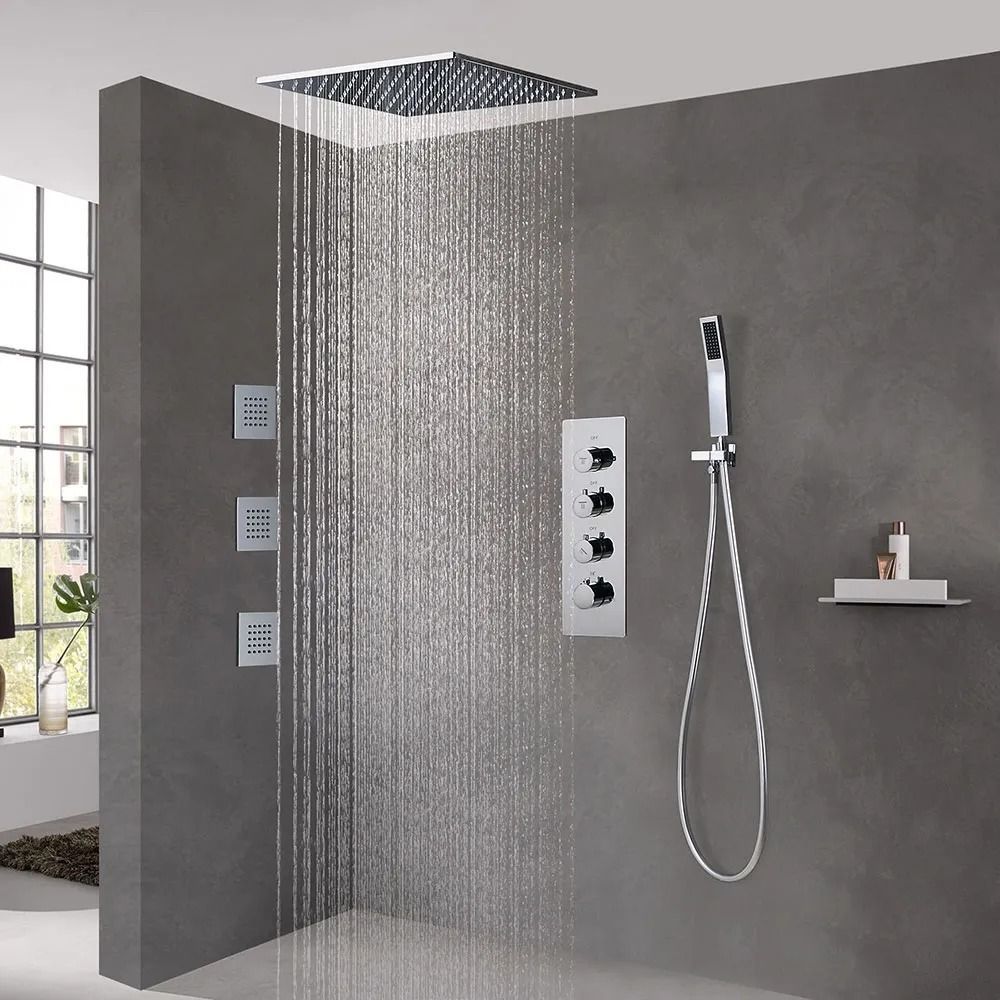
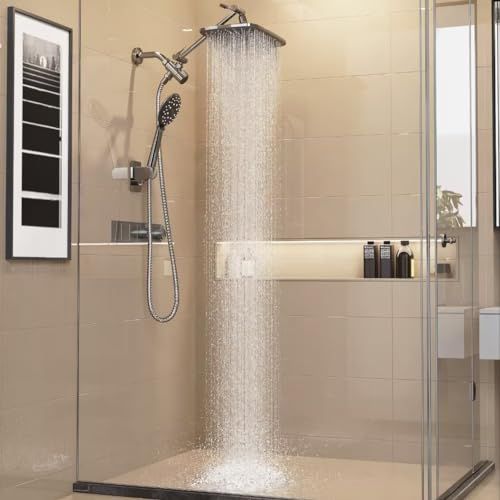
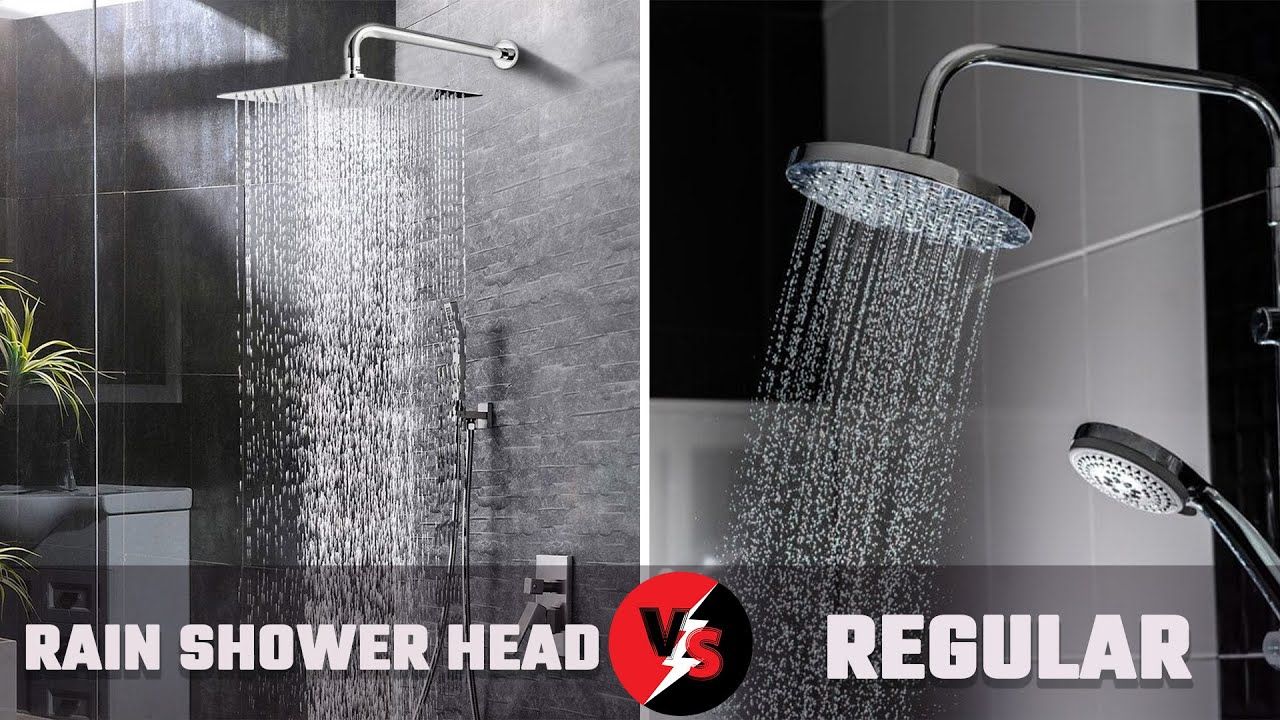
The core difference between rain shower and handheld options lies in their design philosophy. Rain showers are engineered to mimic natural rainfall, with multiple spray holes distributed across a wide surface area. Think of it like standing under a gentle summer storm – the water spreads out and covers your entire body. This design creates a soothing, spa-like experience that many find deeply relaxing.
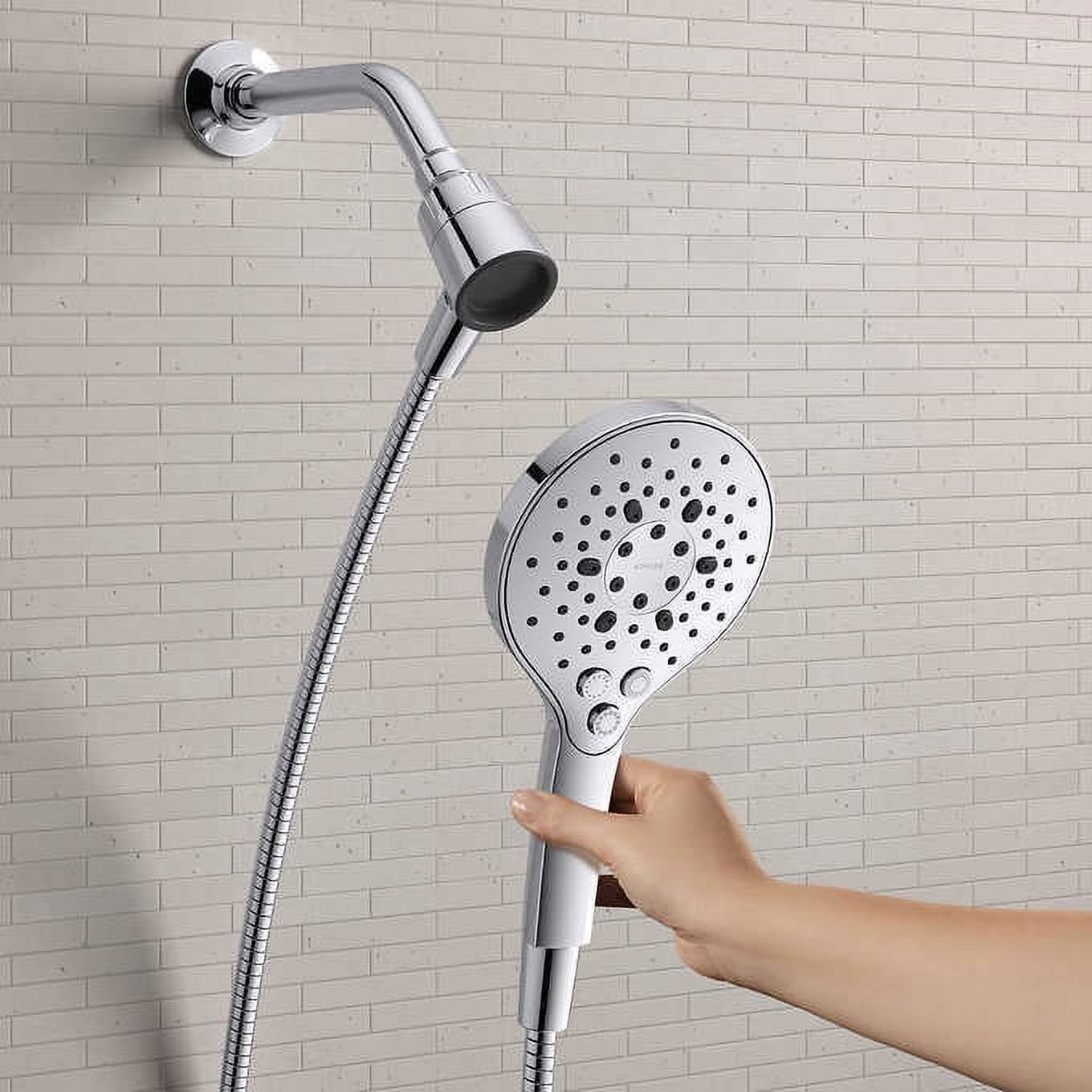
Handheld shower heads take a different approach. They’re designed for targeted cleansing and flexibility. You hold them in your hand, giving you complete control over where the water hits. Whether you need to rinse off soap from your back or simply get a quick blast of water, handheld options offer unmatched versatility. The key distinction isn’t just in the water pattern, but in how much control you have over your shower experience.
Water Pressure and Flow Characteristics
Water pressure plays a crucial role in how you experience each type of shower head. Rain showers typically deliver a softer, more widespread flow. The multiple spray points spread the water across a larger area, which means the pressure at any single point is lower than what you’d get from a traditional showerhead. This creates a more gentle, comforting sensation.
Handheld options often provide higher pressure because they’re designed to focus water flow. The smaller spray area means water moves faster and with more force. This can be great for those who enjoy a strong massage-like feeling or need to quickly rinse off after workouts. However, some people find the high pressure uncomfortable, especially if they have sensitive skin or medical conditions.
Some modern models incorporate technology to balance these characteristics. Variable pressure settings allow you to adjust the intensity based on your mood or needs.
Installation and Mounting Options
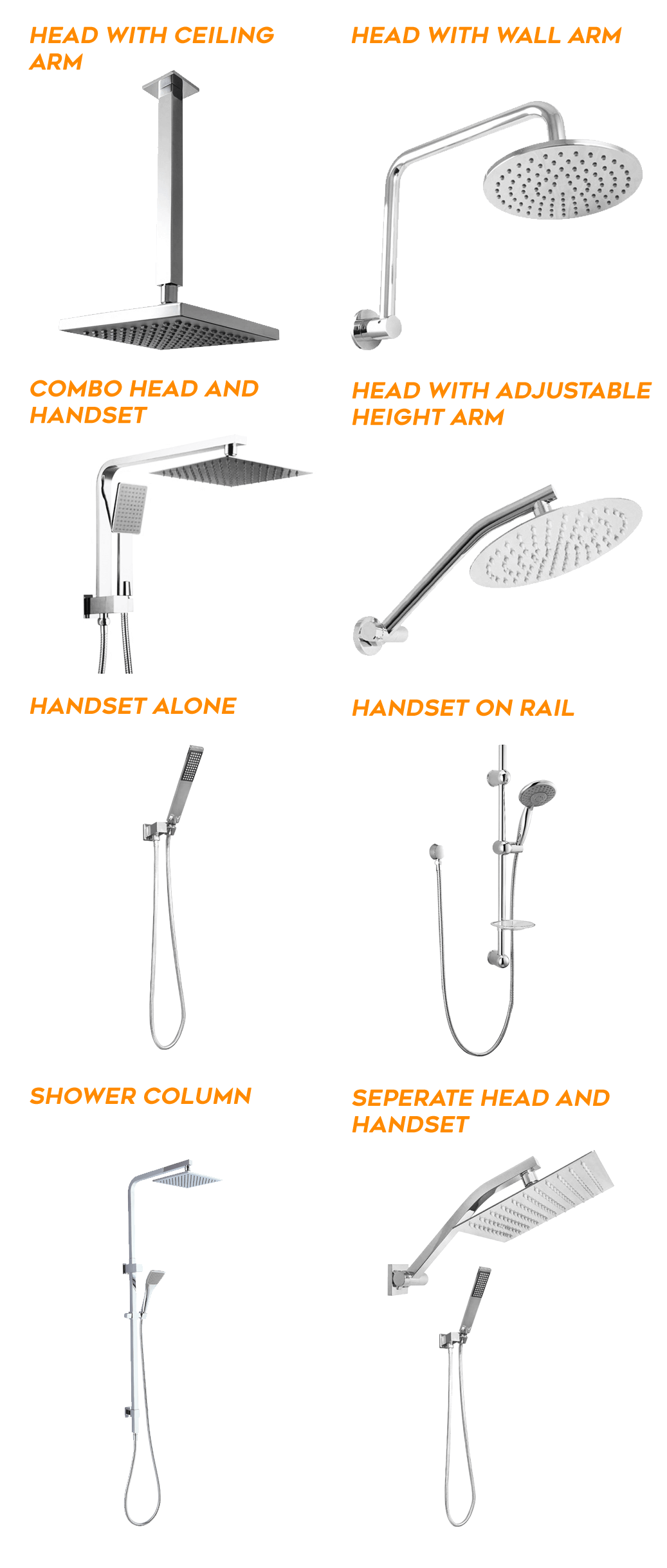
Installation requirements tell us a lot about how these shower heads integrate into your bathroom space. Rain showers usually require a fixed mounting system. They’re attached directly to the ceiling or wall, creating a permanent fixture. This means you’ll need to plan your installation carefully, considering factors like ceiling height and water line placement.
Handheld shower heads offer much more flexibility. They’re typically mounted on a pole or rail that allows you to move them around freely. Many come with adjustable arms that let you position the head exactly where you want it. This adaptability makes handheld options particularly appealing for families with children or people who need to adjust their showering position for mobility reasons.
The mounting hardware also differs significantly. Rain showers often require special brackets or ceiling fixtures that might need professional installation. Handheld units usually come with simpler mounting systems that most people can install themselves with basic tools.
Space Considerations and Bathroom Layouts
Every bathroom has its own personality, and choosing the right shower head depends heavily on your available space. Rain showers work best in larger bathrooms where you have room to spread out. The wide water distribution means you need adequate space to avoid splashing onto walls or tiles. If your bathroom is small, a rain shower might make it feel cramped rather than spacious.
Handheld options are more adaptable to tight spaces. They don’t require the same expansive coverage, so they’re perfect for smaller bathrooms or shower stalls. The ability to position the head anywhere gives you freedom to optimize your shower space regardless of layout. You can even mount a handheld option next to a bathtub for added convenience.
Consider also how the shower head fits with your overall bathroom aesthetic. A large rain shower might overwhelm a minimalist space, while a sleek handheld unit could complement modern designs perfectly. The visual impact of each option varies dramatically based on your bathroom’s size and style.
Cost Analysis and Value Proposition
When comparing costs, the initial investment tells part of the story, but the long-term value matters even more. Rain shower systems often cost more upfront due to their larger surface area and sometimes additional features. Expect to pay anywhere from $100 to $500+ for quality rain shower fixtures.
Handheld options tend to be more affordable, with basic models starting around $20-$50. However, premium handheld units with advanced features can cost similar amounts to entry-level rain showers. The real value comes from considering what you’ll actually use.
Maintenance costs also differ. Rain showers may require more frequent cleaning due to their wider spray area and multiple holes. Handheld units are generally easier to clean and maintain. Think about replacement parts too – handheld units often have simpler mechanisms that are easier and cheaper to repair.
Energy efficiency matters too. Some newer models feature water-saving technologies that can reduce monthly bills, regardless of which type you choose.
User Experience and Practical Applications
The real test of any shower head comes down to daily use. Rain showers excel at providing a therapeutic, full-body experience. Many users report feeling more relaxed and rejuvenated after rain shower sessions. The even water distribution helps wash away tension from muscles and stress from the day.
Handheld options shine in practical applications. They’re ideal for people with mobility issues, as you can adjust the height and angle easily. Parents with young children appreciate the ability to rinse kids off quickly and efficiently. Athletes often prefer handheld showers for post-workout rinses.
Consider accessibility factors. A handheld unit can be positioned at various heights, making it usable for people of different sizes. Rain showers are typically fixed at one height, which might not suit everyone perfectly. The versatility of handheld units also means they can be used for tasks beyond simple showering – like washing hair or cleaning surfaces.
Think about your family’s needs. If you have multiple users with different preferences, a handheld option might serve everyone better than a fixed rain shower.
Choosing between rain shower and handheld shower head options isn’t just about aesthetics or price tags. It’s about identifying what kind of shower experience you want to have every day. Do you crave that gentle, enveloping feeling of a natural rainstorm? Then a rain shower might be your perfect match. Are you looking for flexibility, control, and practicality? A handheld shower head could be your answer.
Both options bring distinct benefits that cater to different lifestyles and preferences. The key is to consider your specific needs – from bathroom size to daily routines to budget constraints. Don’t just pick based on looks or price alone. Think about how you actually use your shower and what would make your daily routine more enjoyable.
Whether you’re renovating your bathroom or simply replacing an old shower head, remember that this decision impacts your everyday comfort. Take time to evaluate both options thoroughly. Visit showrooms, read reviews, and if possible, try them out before making your final choice. After all, you’ll be spending a lot of time under that shower head, so it’s worth getting it right.