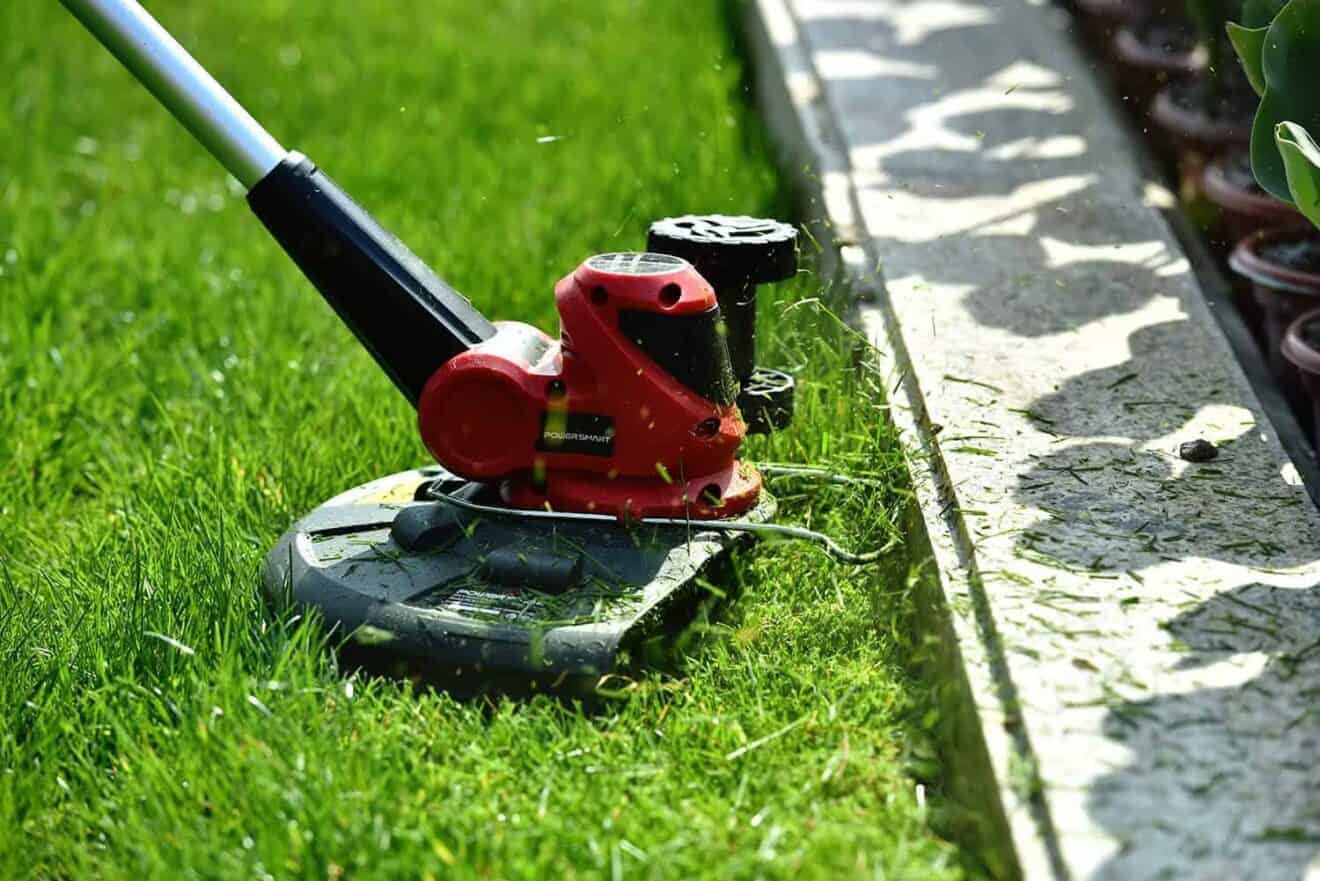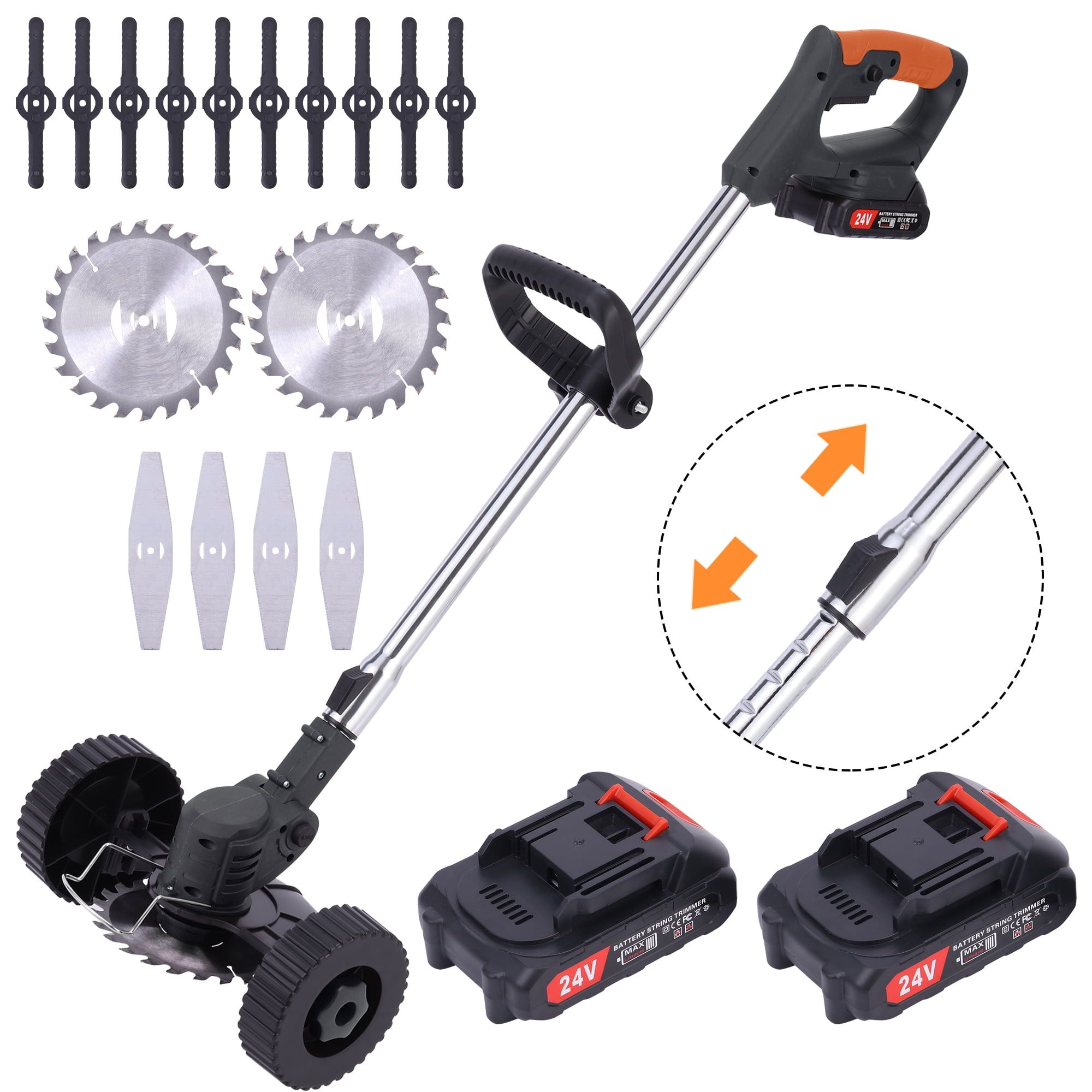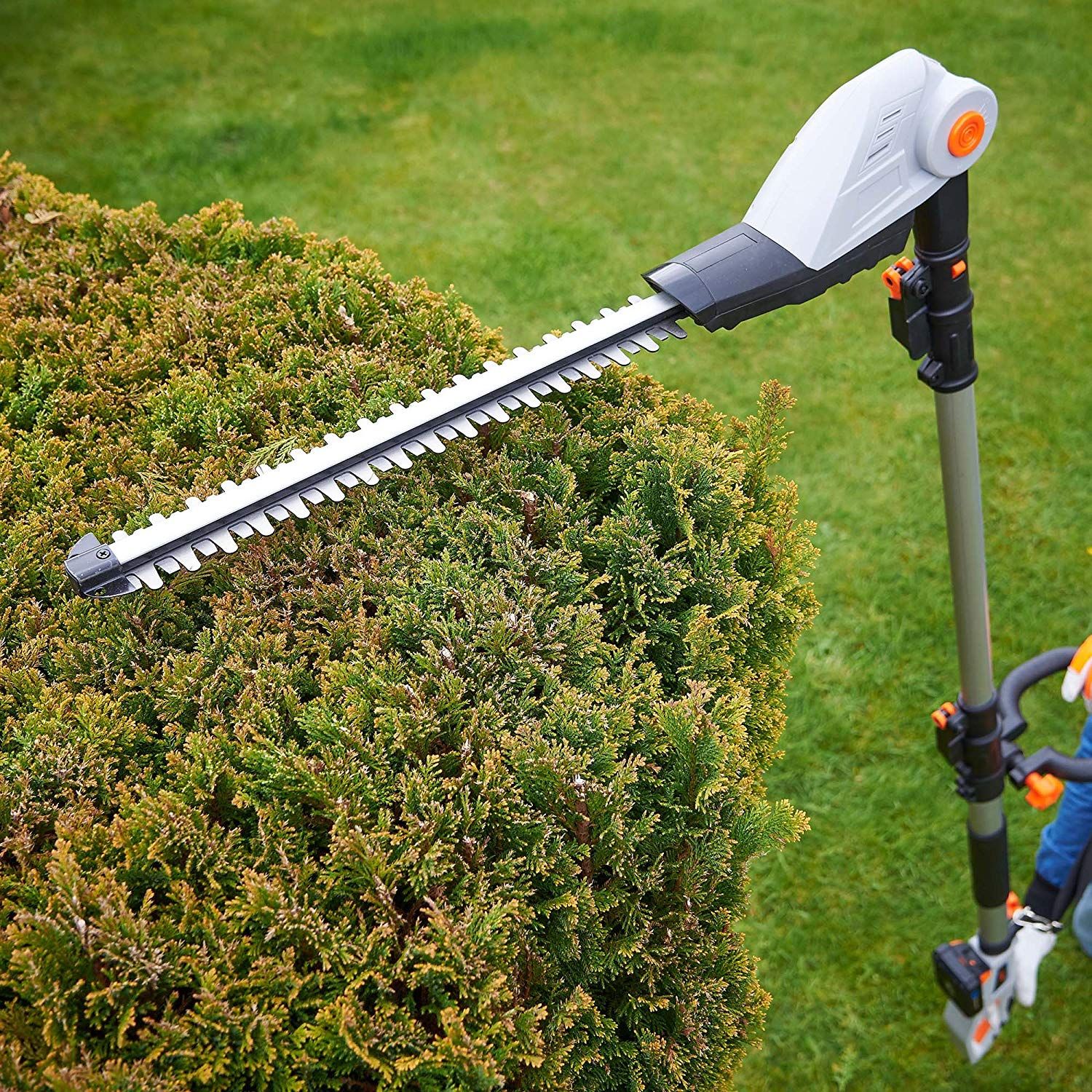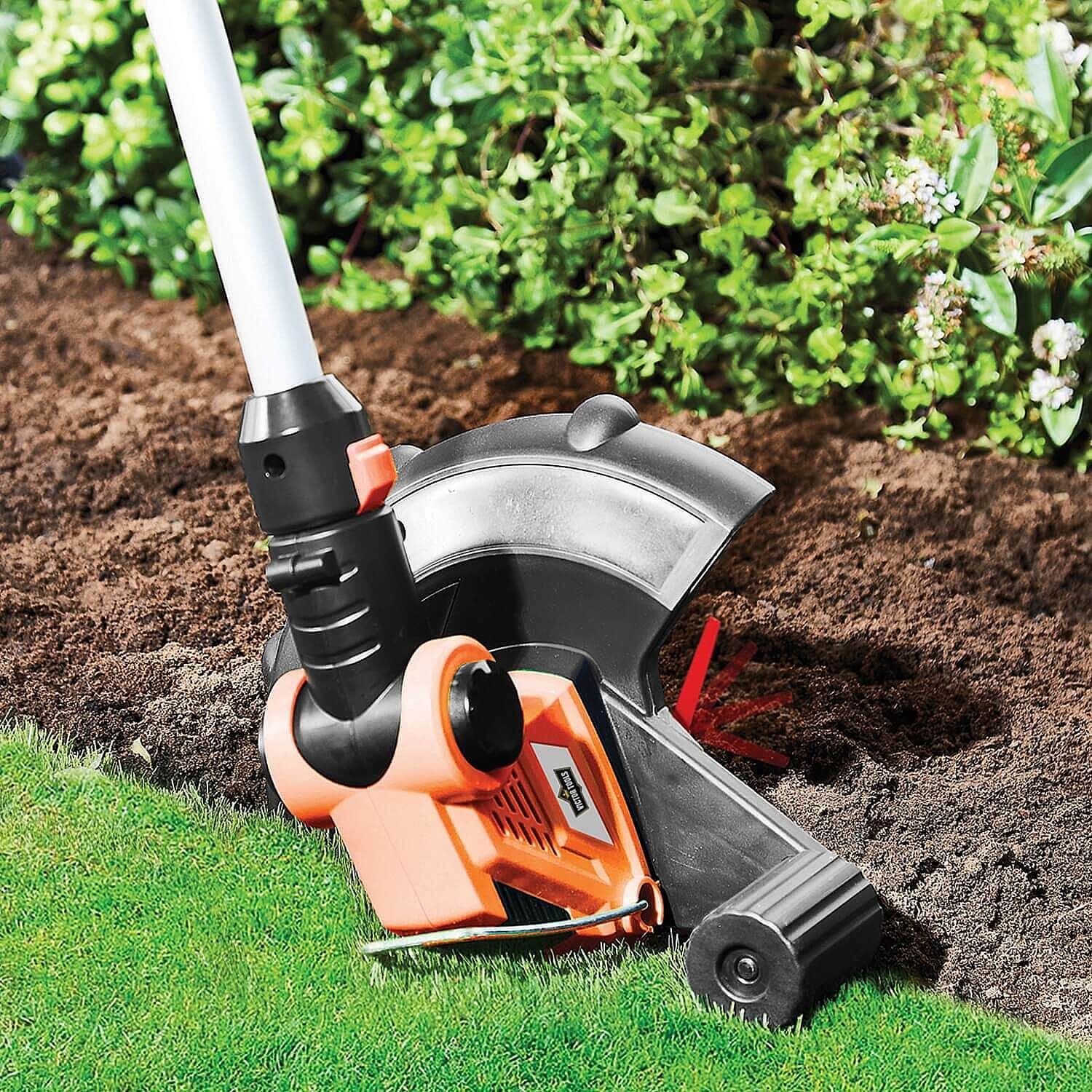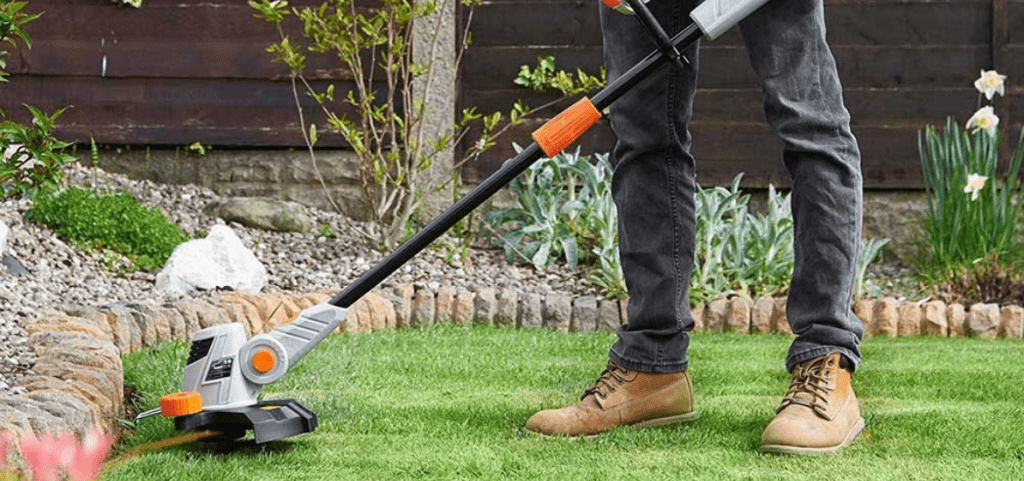
Picture this: a peaceful suburban neighborhood where the gentle hum of electric tools replaces the harsh roar of gas-powered machinery. This isn’t some distant dream – it’s happening right now in gardens across the country. As more homeowners realize the environmental toll of traditional garden equipment, a quiet transformation is taking place. The shift toward cordless eco garden edgers represents more than just a technological upgrade. It’s a conscious choice to protect our air quality, reduce noise pollution, and preserve the delicate balance of our ecosystems. These modern tools aren’t just better for the planet – they’re better for our health too.
When you think about maintaining your garden, what comes to mind? Chances are, it’s the familiar sound of a gas-powered edger chugging along, cutting through grass and creating those perfectly defined borders. But beneath that seemingly harmless routine lies a hidden environmental cost that many gardeners never consider. Traditional gas edgers, while effective, contribute to several pressing environmental issues that affect us all. From the pollutants they emit to the noise they create, these machines leave behind more than just a tidy lawn. Enter the cordless eco garden edger – a revolutionary approach that’s changing how we think about outdoor maintenance. These innovative tools offer a cleaner, quieter alternative that’s gaining popularity among environmentally conscious gardeners. But what exactly makes them so beneficial for our planet? Let’s explore the real environmental implications of this simple yet powerful switch.
The Pollutant Problem with Gas-Powered Edgers
Gas-powered edgers have been the backbone of lawn maintenance for decades, but their environmental impact is substantial and often overlooked. These machines burn gasoline, releasing harmful emissions directly into the atmosphere. A single gas edger can produce as much pollution as dozens of cars combined during a typical weekend gardening session. The exhaust fumes contain carbon monoxide, nitrogen oxides, and particulate matter that contribute to smog formation and poor air quality. In urban areas where multiple households use these devices simultaneously, the cumulative effect becomes even more concerning. The emissions don’t just affect the immediate area either – they travel through the air, contributing to respiratory problems for residents and impacting wildlife habitats. Think about it: when you’re enjoying a beautiful Saturday morning in your garden, you might be unknowingly contributing to the very air quality issues that make breathing difficult for others. The truth is, these emissions are particularly problematic during peak hours when air pollution levels are already high. Studies show that recreational equipment like edgers can account for a significant portion of local air pollution, especially in densely populated areas where gardeners work side by side. It’s a small price to pay for the convenience of a perfectly trimmed lawn, but one that could have lasting consequences for public health and environmental quality.
Noise Pollution and Its Hidden Effects
While the visual impact of gas-powered edgers might be obvious, their auditory footprint is equally significant. The loud, disruptive noise they generate creates a cascade of problems that extend far beyond the garden fence. Traditional edgers can reach decibel levels of 90-100 dB, which is comparable to a chainsaw or jackhammer. This constant racket doesn’t just disturb neighbors – it disrupts wildlife behavior patterns and affects the mental well-being of everyone in the vicinity. Consider how many gardeners work early in the morning or late in the afternoon, when the world is still waking up or winding down. The sudden burst of noise from a gas edger can startle birds, disrupt their nesting cycles, and even cause stress-related health issues in small animals. Research has shown that prolonged exposure to high noise levels can lead to increased stress hormones in both humans and animals. The noise pollution from garden equipment also impacts the quality of life in residential neighborhoods, making it harder for families to enjoy peaceful outdoor moments. It’s not just about being courteous to neighbors – it’s about recognizing that our gardening activities have ripple effects throughout the community ecosystem. When we choose quieter alternatives, we’re making a conscious decision to respect the peaceful nature of our living spaces.
Energy Efficiency and Renewable Power Sources
Cordless eco garden edgers represent a fundamental shift in how we power our outdoor tools. Unlike their gas-powered counterparts, these devices rely on rechargeable batteries, which can be powered by clean energy sources. Solar panels can charge the batteries during daylight hours, creating a truly sustainable cycle of operation. This transition opens up possibilities for gardeners to reduce their overall carbon footprint significantly. Modern lithium-ion batteries offer impressive performance while lasting longer than traditional battery types. The efficiency gains are remarkable – cordless edgers convert energy more effectively than combustion engines, which waste much of their fuel as heat. Many eco-conscious gardeners now pair their cordless edgers with solar charging systems, creating a complete renewable energy solution for their outdoor maintenance needs. The beauty of this approach is that it works whether you’re using a small battery-powered model or a more robust electric version. The energy savings compound over time, especially when you factor in the elimination of fuel costs and the reduced maintenance requirements of battery-powered tools. Plus, there’s something deeply satisfying about knowing that your garden work is powered by clean electricity rather than fossil fuels. The technology keeps improving rapidly, with newer models offering longer run times and faster charging capabilities.
Reduced Maintenance and Longevity Benefits
Beyond the environmental advantages, cordless eco garden edgers offer practical benefits that indirectly support sustainability efforts. Traditional gas edgers require regular maintenance, including oil changes, spark plug replacements, and carburetor adjustments. These maintenance tasks not only consume time but also generate waste materials that need proper disposal. The oil and filters from gas-powered tools can contaminate soil and groundwater if not handled correctly. Cordless versions eliminate these concerns entirely, requiring minimal upkeep and no fuel storage. The simplicity of battery-powered operation means fewer parts that can fail or wear out over time. This reliability translates to less frequent replacement of entire units, reducing electronic waste. Many cordless models come with extended warranties and are built to last longer than their gas-powered equivalents. The reduction in maintenance also means less time spent on repairs and tune-ups, freeing up gardeners to focus on actual gardening activities rather than tool upkeep. When you’re not constantly worrying about engine performance or fuel levels, you can enjoy your garden work more fully. The longevity of these tools also means that the environmental investment pays dividends over many seasons of use. Think of it as a long-term commitment to both your garden and the planet.
Air Quality Improvements in Urban Areas
The cumulative effect of widespread adoption of cordless garden edgers could dramatically improve air quality in urban and suburban communities. When hundreds or thousands of households switch from gas-powered to battery-powered tools, the collective impact becomes measurable. Cities like Portland and San Francisco have already seen positive results from encouraging residents to adopt cleaner gardening practices. Reduced emissions mean fewer ground-level ozone formations, which are particularly harmful to children and elderly residents. The improvement in air quality extends beyond just the immediate garden area – it creates a healthier environment for everyone in the neighborhood. Local studies have shown that communities with higher adoption rates of electric garden tools experience lower rates of respiratory illness among residents. This connection between individual choices and community-wide health outcomes is particularly important in densely populated areas where air pollution concentrations are naturally higher. The reduction in volatile organic compounds and particulates from garden equipment contributes to cleaner, more breathable air throughout residential districts. It’s a perfect example of how small changes in daily habits can lead to significant improvements in public health and environmental conditions.
Cost Savings and Economic Implications
The financial benefits of switching to cordless eco garden edgers often surprise users who initially view the investment as expensive. While the upfront cost may be higher than basic gas models, the long-term savings are substantial. There are no fuel costs, no oil changes, and minimal maintenance requirements. Over a five-year period, the average gardener can save hundreds of dollars simply by avoiding the ongoing expenses associated with gas-powered equipment. These savings become even more pronounced when considering that many cordless models are designed for multi-season use, unlike cheaper gas alternatives that may need replacement after just one or two seasons. The economic impact extends beyond individual households to local economies as well. Reduced demand for gasoline and oil products means less money flowing into fossil fuel markets. Some municipalities are beginning to offer incentives for residents who switch to electric garden tools, recognizing the broader community benefits. The reduced need for specialized maintenance services also saves money for both consumers and service providers. It’s worth noting that the battery technology continues to improve, making these tools more affordable and efficient with each passing year. For budget-conscious gardeners, the return on investment becomes clear within just a few seasons of regular use.
The decision to switch from gas-powered to cordless eco garden edgers isn’t just about getting a better tool for your garden – it’s about making a statement about the kind of future we want to create. Every time you choose a battery-powered edger over a gas model, you’re participating in a larger movement toward cleaner, quieter, and more sustainable outdoor practices. The environmental benefits are clear: reduced air pollution, decreased noise disturbance, and lower overall resource consumption. These changes might seem small individually, but they add up to create meaningful improvements in community health and environmental quality. The economic advantages further reinforce this choice, making it a smart investment for both the planet and your wallet. As technology continues to advance, we can expect even greater efficiency and performance from these eco-friendly tools. For gardeners who care about their surroundings and want to minimize their environmental impact, the switch to cordless eco garden edgers represents a practical, rewarding step forward. Whether you’re a seasoned gardener or someone just starting out, this change offers a chance to enjoy your outdoor space while contributing positively to the world around you. The future of gardening is green, quiet, and powered by clean energy – and it starts with the simple choice of what tool you use to maintain your lawn.