Picture this: you’re standing in your garden, surrounded by lush plants, and you realize something important. You’ve made a choice that matters. Not just for your plants, but for the planet. This isn’t just about gardening anymore – it’s about making conscious decisions that align with our values. When you choose to grow plants in coconut coir pots, you’re choosing a path that reduces waste, supports sustainability, and creates a healthier environment for everything around you. But here’s the thing – you don’t have to wait for someone else to do it. You can make these amazing pots yourself, right in your own space.
In a world where plastic containers dominate the gardening scene, there’s a quiet revolution happening. It’s taking place in backyards and balconies across the globe, and it’s centered around something wonderfully natural – coconut coir. This fibrous material, derived from coconut husks, offers an incredible alternative to traditional plastic pots. What makes it even better? You can make these pots at home with simple materials and minimal effort. It’s not just about reducing waste – it’s about creating a sustainable cycle that works with nature rather than against it. Whether you’re a seasoned gardener or someone just starting out, learning how to craft coconut coir pots opens up a whole new way of thinking about plant care. These aren’t just containers – they’re part of a larger movement toward environmental consciousness.
What Are Coconut Coir Pots?
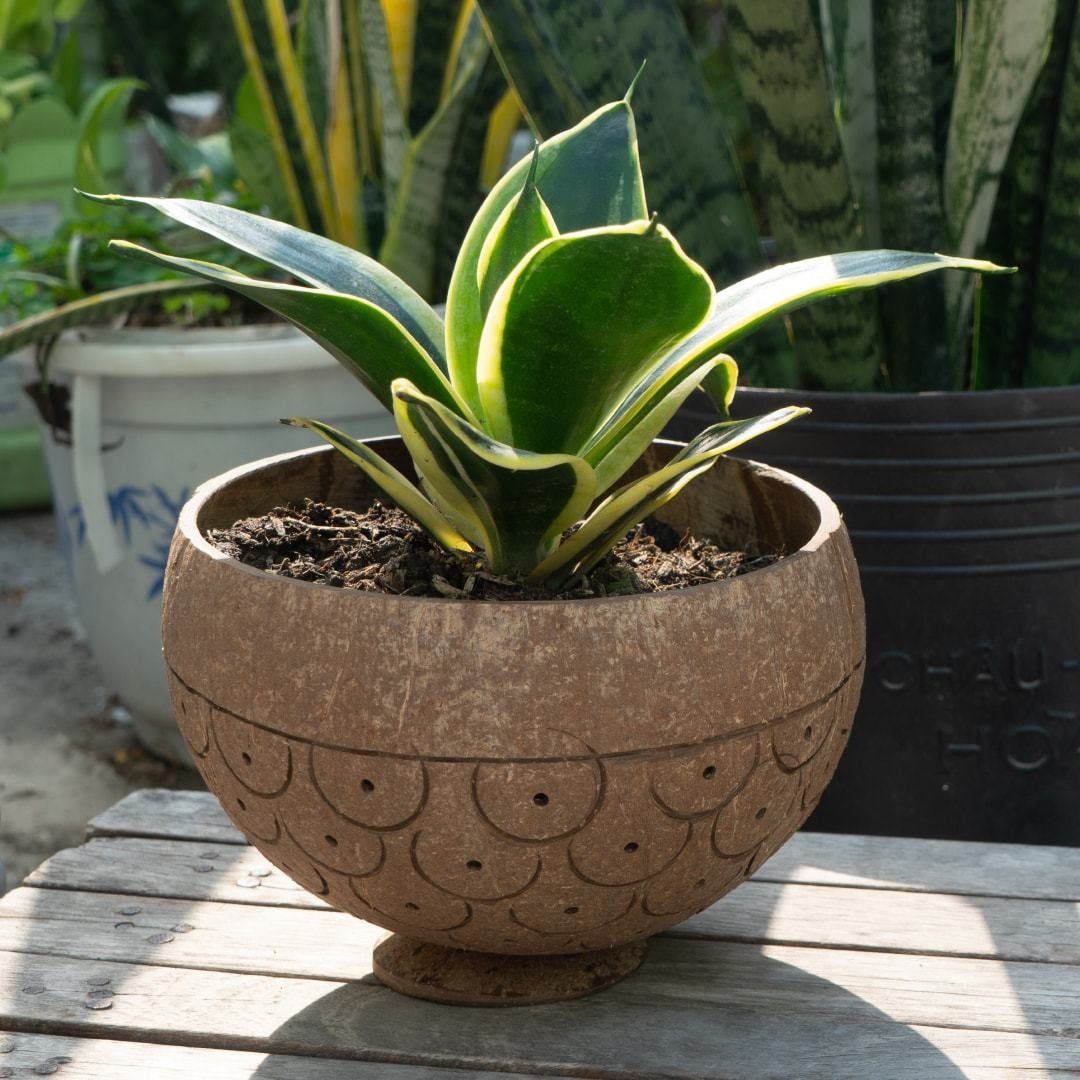
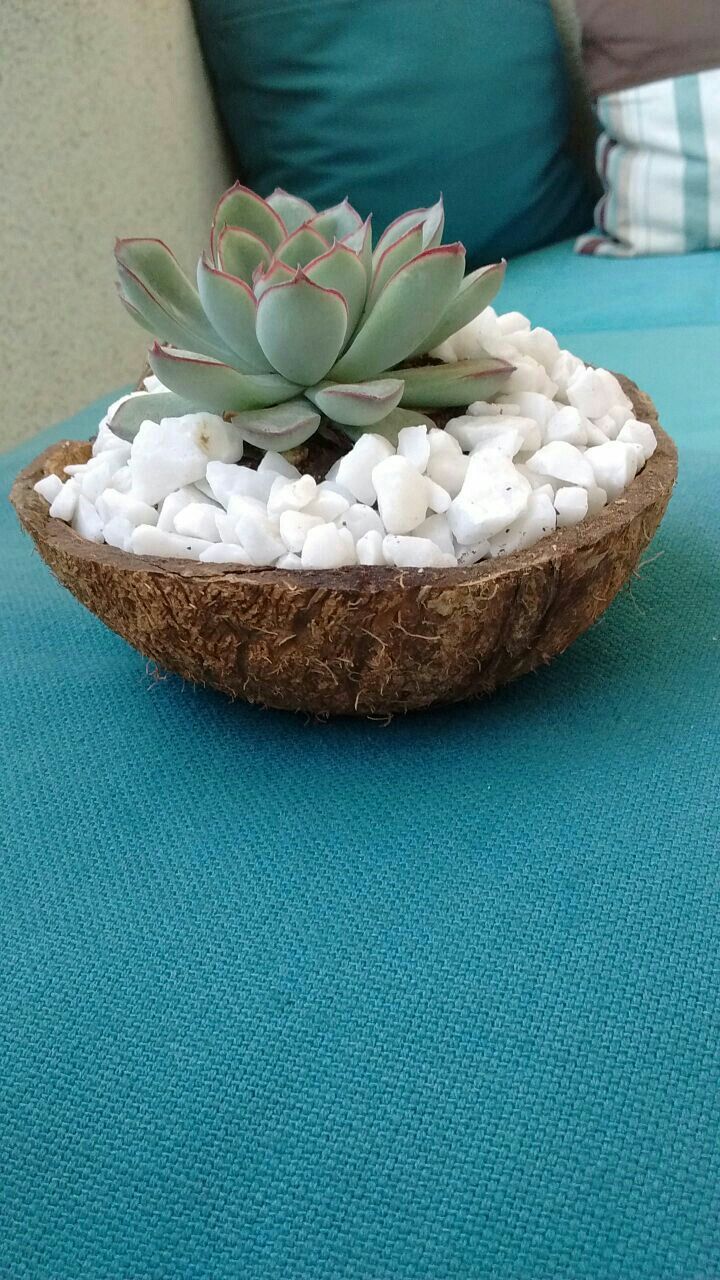
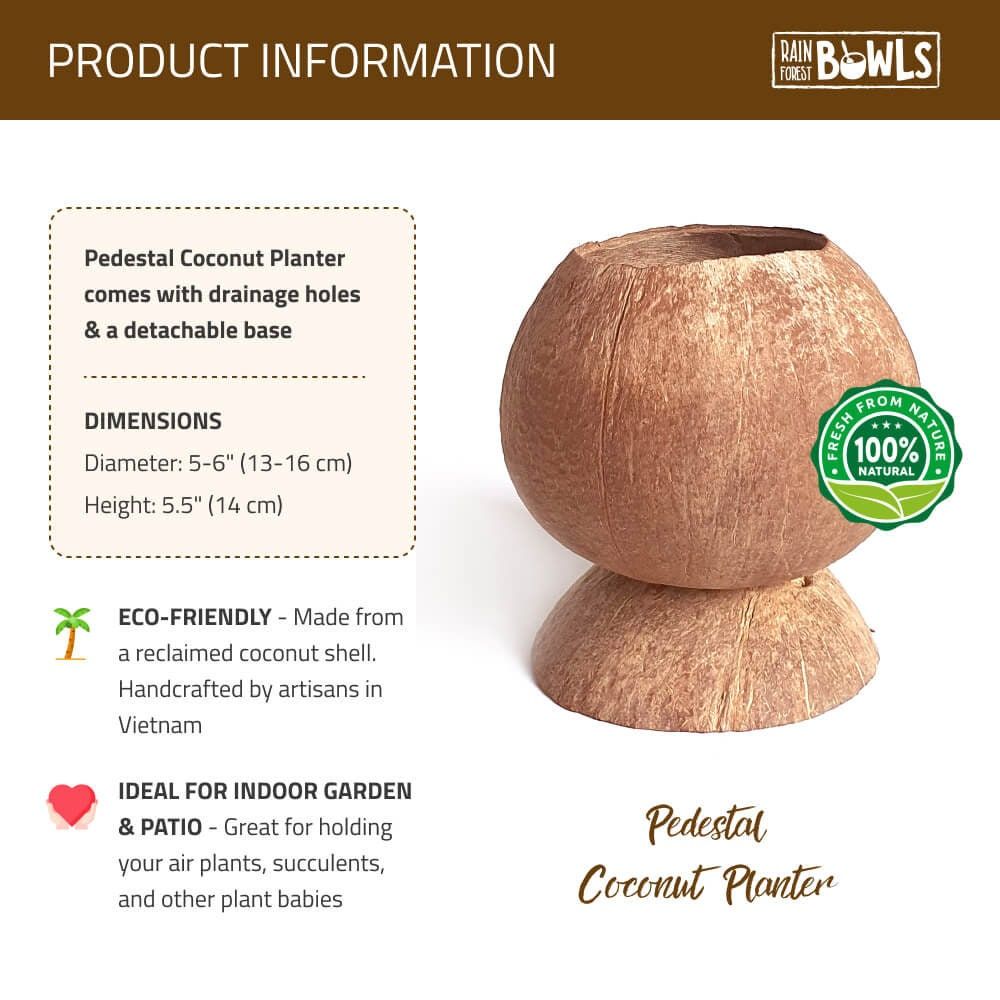
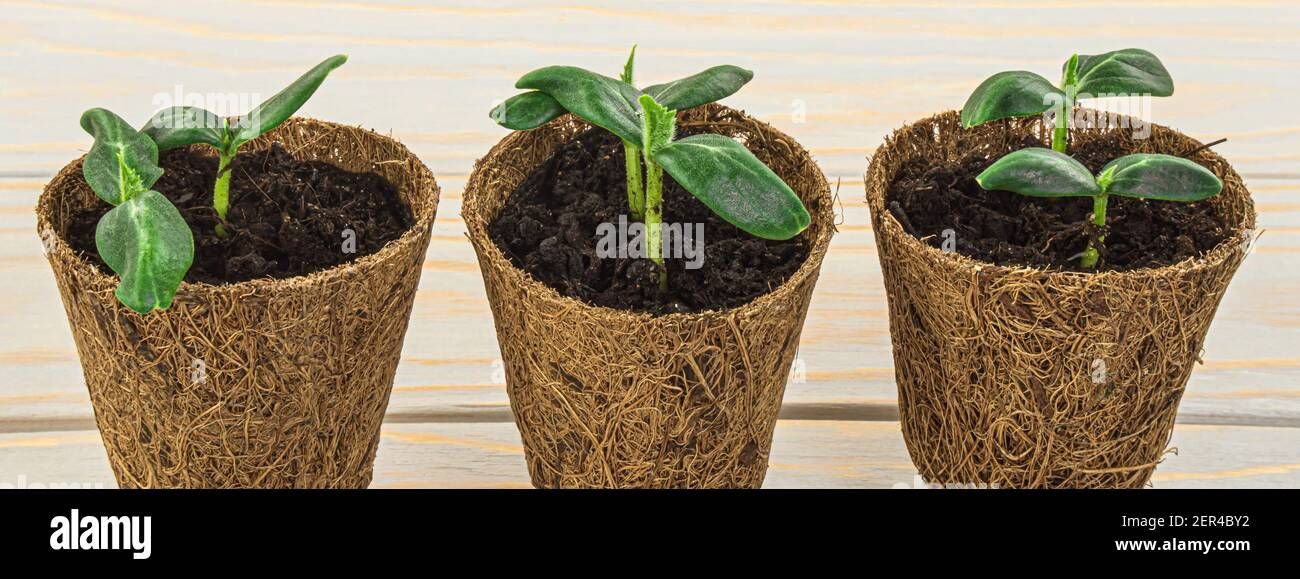
Coconut coir pots are biodegradable containers made from coconut fibers. They’re incredibly versatile and offer numerous benefits over their plastic counterparts. The material comes from the outer shell of coconuts, which are typically discarded as agricultural waste. By repurposing these fibers, we create a product that serves multiple purposes. The pots are naturally antimicrobial, meaning they help prevent harmful bacteria from growing in the soil. They also provide excellent drainage while maintaining proper moisture levels. What’s particularly appealing is that these pots decompose naturally when planted directly in the ground. No need for removal or disposal – just plant them and watch them disappear into the earth. The structure remains intact during the growing process, providing stable support for roots. Plus, they’re completely safe for plants, animals, and the environment. Imagine having containers that don’t just hold plants, but actually enhance their growth conditions.
Why Choose Coconut Coir Pots Over Plastic?
Let’s face it – plastic pots have been the go-to option for decades. They’re cheap, readily available, and seem convenient. But there’s a hidden cost to this convenience. Plastic pots contribute significantly to environmental pollution. They take hundreds of years to break down, often ending up in landfills or oceans. Coconut coir pots offer a compelling alternative that addresses these concerns head-on. First, they’re fully compostable. When you’re done with them, they simply return to the earth without leaving harmful residues. Second, they’re more breathable than plastic containers. This breathability helps prevent root rot and promotes healthier plant development. Third, they’re naturally resistant to pests and fungi. The coir fibers contain compounds that naturally deter many common garden pests. Additionally, coconut coir pots maintain better temperature regulation compared to plastic alternatives. They keep roots cooler in hot weather and provide better insulation during colder months. The cost difference might seem small initially, but over time, the environmental impact and long-term benefits make them a smarter investment.
Gathering Your Materials
Creating coconut coir pots requires only a few basic supplies, making it accessible to everyone. You’ll need coconut coir fiber, which can be purchased online or at gardening stores. Look for high-quality, untreated coir that’s suitable for gardening use. You’ll also need some basic tools like scissors, a measuring tape, and optionally, a rolling pin or heavy object for pressing. For those wanting to add color or extra protection, natural dyes or organic sealers work well. Some gardeners prefer to add a small amount of compost or soil to help bind the fibers together. The beauty of this project is that most materials can be sourced locally or reused from household items. Consider collecting old containers to use as molds, or even using empty egg cartons if you want to try a different shape. Don’t overlook the importance of clean hands and a clean workspace. You want to avoid introducing any contaminants that might affect your plants later on.
Step-by-Step Instructions
The process of making coconut coir pots is surprisingly straightforward. Start by preparing your coir fibers – they should be moist but not soaking wet. If they’re too dry, they won’t bind properly. Mix the fibers with a small amount of water until you get a consistency similar to thick paste. Roll the mixture into balls roughly the size of your desired pot. Next, place each ball inside your chosen mold or container. Press firmly to ensure the fibers adhere to the sides. You can use your fingers or a small tool to smooth the surface. Allow the pots to dry completely before removing them from their molds. This usually takes a few days depending on humidity levels. Once dried, the pots will be sturdy enough to handle. Some gardeners prefer to let them cure for a week or two for maximum strength. Remember to test the pots by gently squeezing them – they should feel solid but still slightly flexible. This flexibility allows them to expand and contract with soil moisture changes.
Tips for Success
Making coconut coir pots successfully requires a bit of experimentation and attention to detail. Start with small batches to perfect your technique before committing to larger quantities. Pay close attention to the moisture content of your coir – too much water makes the mixture sticky and hard to shape, while too little results in weak structures. Consider adding a small amount of natural clay or bentonite clay to improve binding properties. This addition can make your pots more durable and less prone to breaking. Keep your molds clean and dry between uses to prevent contamination. If you’re planning to use the pots for seedlings, consider making them slightly larger than usual to accommodate early growth. Test your pots in various weather conditions to see how they perform. Some gardeners find that placing them in direct sunlight helps speed up the drying process. Others prefer a cool, shaded area for more controlled curing. The key is finding what works best for your environment and schedule.
Using Your Coconut Coir Pots
Once your pots are ready, they’re ready to go into action. These containers work beautifully for starting seeds, propagating cuttings, and growing small plants. The biodegradable nature means you can plant them directly into the ground without disturbing the roots. This eliminates transplant shock and gives your plants a smoother transition. Fill the pots with appropriate potting mix and plant your seeds or seedlings according to package instructions. Water thoroughly after planting, but be careful not to overwater since the pots absorb moisture differently than plastic containers. The porous nature of coir means you’ll need to monitor soil moisture more frequently. Some gardeners find that watering every other day works well for most plants. Remember to place your pots in locations that receive adequate light and protection from extreme weather. The pots will gradually decompose over time, becoming part of the soil structure and providing nutrients to your plants.
Making coconut coir pots at home isn’t just about creating garden containers – it’s about participating in a larger movement toward sustainable living. Every pot you make represents a small victory against waste and environmental harm. These pots offer practical benefits that make gardening easier and more enjoyable, while also contributing to a cleaner planet. The process itself becomes meditative, connecting you with natural materials and the cycles of growth. You’re not just growing plants – you’re growing a better future. Whether you’re starting a small herb garden or planning a full vegetable patch, these pots provide the foundation for healthy, thriving plants. The investment of time and effort pays off in ways that extend far beyond your garden gates. As you watch your plants flourish in these natural containers, remember that you’re part of a community of gardeners who care about more than just beautiful blooms. You’re part of something bigger – a commitment to preserving our environment for generations to come. The journey of making coconut coir pots is just the beginning of a more sustainable approach to gardening that can transform your entire relationship with the earth.