When we talk about sustainable tools, we’re not just thinking about their environmental impact during manufacturing. We’re talking about tools that last longer, work better, and contribute to a healthier planet. But here’s the thing – even the most eco-conscious tools need proper care to perform at their best. It’s like having a high-end car that you never maintain. The magic happens when you combine sustainability with smart maintenance practices.
In a world where environmental consciousness is becoming increasingly important, sustainable tools have emerged as a powerful solution. These aren’t just trendy accessories – they represent a fundamental shift in how we approach our daily tasks. Whether you’re gardening with organic soil amendments or crafting with recycled materials, sustainable tools offer both performance and planetary protection. But there’s a catch. Even the most environmentally friendly tools require proper cleaning and maintenance to reach their full potential. Think about it – a well-maintained tool works more efficiently, lasts longer, and reduces the need for replacements. This means less waste, less resource consumption, and ultimately, better performance. So how do you keep these special tools in top shape? Let’s explore the essential practices that will extend their life while maximizing their effectiveness.
Understanding Sustainable Tool Materials
Before diving into cleaning techniques, it’s crucial to understand what makes a tool sustainable. Many eco-friendly tools are crafted from recycled metals, reclaimed wood, or bio-based plastics. Others incorporate innovative materials like bamboo fiber composites or plant-based polymers. Each material type requires different care approaches.
Consider a pair of pruning shears made from recycled aluminum. These tools offer excellent durability and resistance to rust, but they still need regular attention to prevent corrosion. Meanwhile, tools made from reclaimed timber might be prone to warping if not properly maintained. Understanding your tool’s composition helps determine the right cleaning methods and products to use.
For instance, bamboo handles often benefit from natural oils rather than harsh chemicals. Organic cotton brushes may need gentle washing to preserve their fibers. Knowing your tool’s construction gives you the foundation for effective cleaning.
Essential Cleaning Products and Methods
The right cleaning approach depends heavily on the materials involved. Natural cleaners often work best for sustainable tools because they don’t introduce harmful chemicals that could damage eco-friendly components. Vinegar solutions, for example, are excellent for removing mineral deposits and light grime without harming most sustainable materials.
Baking soda mixed with water creates a gentle abrasive paste perfect for tackling stubborn dirt on wooden handles. For metal components, a mixture of lemon juice and salt provides natural rust prevention while cleaning. These simple ingredients work wonders when you’re trying to avoid synthetic chemicals.
Avoid using commercial degreasers or harsh solvents, especially on tools with organic components. These products can break down natural materials and leave behind residues that affect tool performance. Instead, focus on mild, biodegradable options that won’t harm the environment or compromise your tool’s integrity.
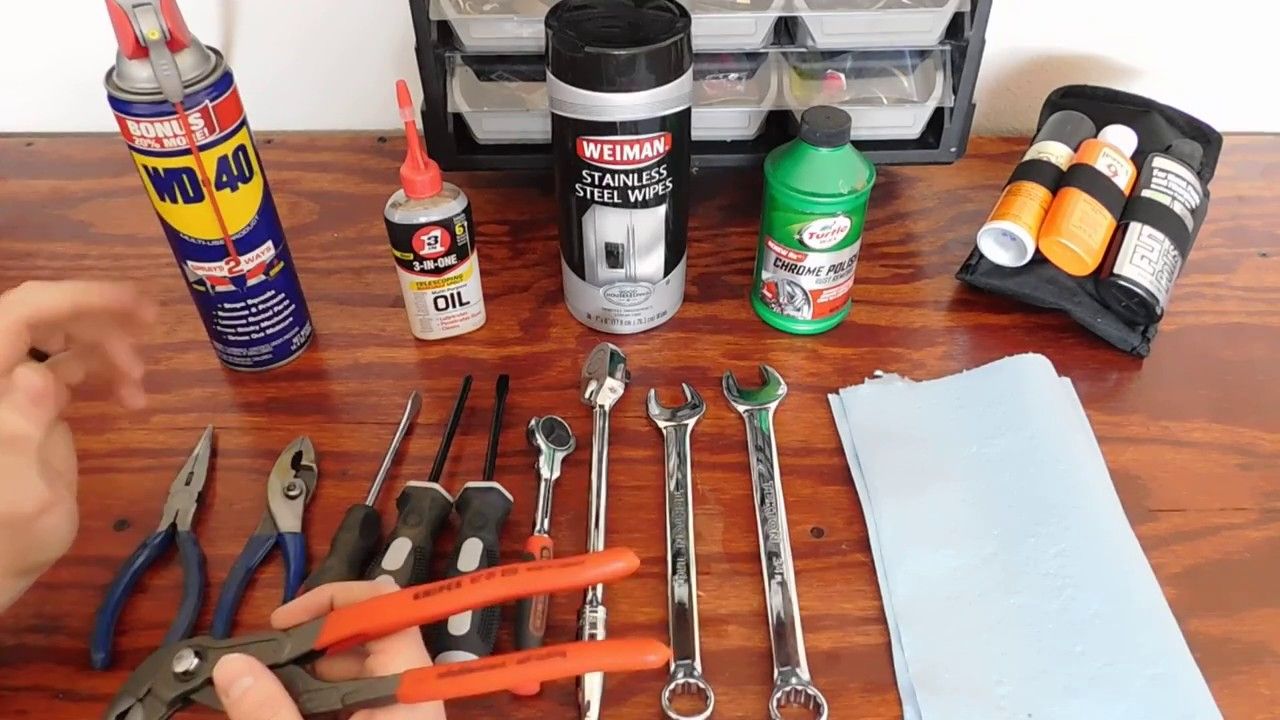
Regular maintenance routines make a huge difference. A quick wipe-down after each use prevents buildup and extends tool life significantly. Consider keeping a small cleaning kit handy – a soft cloth, mild soap, and some basic natural cleaners should cover most situations.
Frequency and Timing of Maintenance
How often you clean your sustainable tools matters as much as what you clean them with. Daily use tools like garden trowels or kitchen utensils benefit from immediate post-use cleaning. This prevents dirt and residue from setting in, making future cleaning easier and more effective.
Seasonal maintenance becomes important for tools used occasionally. Before storing winter gardening equipment, give it a thorough cleaning and application of protective coatings. This preparation ensures tools are ready for the next season without needing intensive restoration.
Pay attention to usage patterns. Tools that encounter moisture regularly, such as those used in wet environments, need more frequent attention. Similarly, tools exposed to heavy dust or particulates may require additional cleaning cycles.
Consider establishing a cleaning schedule that fits your routine. Setting aside ten minutes weekly for tool maintenance prevents major issues and keeps everything running smoothly. Many users find success with a ‘clean before storing’ practice, ensuring tools are fresh and ready for their next use.
Proper Storage Techniques
Cleaning is only half the battle. How you store your sustainable tools affects their longevity and performance. Proper storage protects against damage, prevents contamination, and maintains optimal conditions for the materials involved.
Wooden handles, for instance, need protection from extreme temperature changes and humidity fluctuations. Store them in cool, dry places away from direct sunlight, which can cause warping or fading. Consider using breathable storage containers that allow air circulation while preventing dust accumulation.
Metal components benefit from controlled environments too. Moisture is the enemy of metal tools, so ensure storage areas are dry. If you live in a humid climate, consider using silica gel packets or desiccants to absorb excess moisture.
Organize tools thoughtfully. Keep similar items together and ensure easy access. This organization reduces wear from unnecessary handling and makes it simpler to spot problems early. For example, store cutting tools separately to prevent accidental damage to other items.
Some sustainable tools come with specific storage recommendations from manufacturers. Pay attention to these guidelines, as they often reflect the best practices for maintaining tool quality over time.
Signs of Tool Deterioration
Recognizing when your sustainable tools need attention is crucial for maintaining performance. Early detection prevents minor issues from becoming major problems that could compromise tool effectiveness.
Look for signs like dull edges, loose fittings, or unusual noises during use. These symptoms often indicate the need for cleaning, sharpening, or adjustment. A tool that feels different during operation deserves investigation.
Corrosion appears as discoloration or flaking on metal surfaces. This issue often starts subtly but can quickly spread if ignored. Early treatment prevents complete degradation and maintains tool integrity.
Worn or damaged handles signal the need for repair or replacement. Wooden handles may crack or split, while composite handles might show signs of stress. Addressing these issues promptly prevents accidents and maintains tool functionality.
Regular inspection becomes part of your tool care routine. Set aside time monthly to check for these warning signs. This practice catches problems early and helps maintain consistent performance across all your sustainable tools.
Extending Tool Lifespan Through Care
The relationship between proper maintenance and tool longevity is straightforward. Well-cared-for sustainable tools typically outlast conventional alternatives by significant margins. This extended lifespan reduces overall environmental impact and provides better value over time.
Sharpening is one of the most impactful maintenance activities. Dull tools require more force to perform tasks, leading to increased wear and reduced efficiency. Regular sharpening ensures tools maintain their designed performance characteristics.
Lubrication keeps moving parts functioning smoothly. Natural lubricants like beeswax or plant-based oils work well for sustainable tools. They provide protection without introducing harmful substances that could affect tool materials.
Preventive care prevents costly repairs and replacements. When you address minor issues immediately, you avoid expensive fixes later. This proactive approach also helps maintain consistent performance standards across your tool collection.
Remember that sustainable tools often represent a significant investment. Taking good care of them ensures that investment pays dividends for years to come. The effort you put into maintenance directly correlates with the return you receive in performance and longevity.
Taking care of sustainable tools isn’t just about preserving individual items – it’s about embracing a philosophy of responsible usage that benefits both personal performance and environmental health. When you invest time in proper cleaning and maintenance, you’re making a commitment to quality and sustainability. The results speak for themselves: tools that last longer, perform better, and contribute to a cleaner planet. You’ve learned that understanding materials, choosing appropriate cleaning methods, maintaining consistent schedules, and storing tools properly all play crucial roles in achieving optimal performance. The small efforts you put into daily care compound over time, creating lasting benefits. Whether you’re a professional craftsman or someone who enjoys DIY projects, these practices will serve you well. The journey toward sustainable tool care is ongoing, but every clean, every maintenance session, and every thoughtful decision contributes to a better future. Your tools deserve this care, and they’ll reward you with reliable performance for years to come.