In the world of nursery management, every small change can lead to big improvements. When we talk about maximizing efficiency, we’re not just thinking about saving time or money. We’re considering how our choices affect the environment, the health of our plants, and ultimately, the success of our growing operations. Enter bamboo trays – a simple solution that’s revolutionizing how nurseries work.
Picture this: You’re standing in a bustling nursery, surrounded by rows of trays filled with young plants. The air smells fresh, and there’s a sense of purpose in the morning light. But something’s missing. Your workflow feels sluggish, your materials are wearing out too quickly, and you’re constantly replacing supplies. What if there was a way to streamline everything while being kinder to the planet? That’s where sustainable bamboo trays come into play. They’re not just another product on the shelf – they’re a game-changer for anyone serious about efficient nursery management.
Why Bamboo is the Perfect Choice
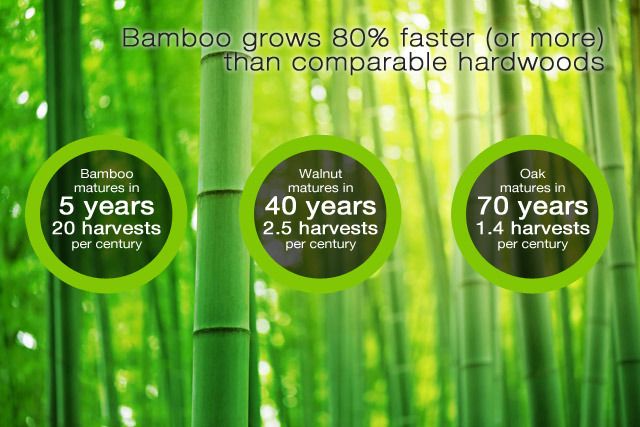
Bamboo isn’t just trendy – it’s incredibly practical for nursery applications. This fast-growing grass reaches maturity in just three to five years, compared to decades for traditional timber. It absorbs more carbon dioxide than trees and releases oxygen continuously. For nurseries, this means you’re getting a renewable resource that supports environmental health while providing durable materials.
Bamboo has natural antimicrobial properties that help prevent fungal growth in plant containers. This is huge when you’re dealing with young seedlings that are vulnerable to diseases. The material also offers excellent drainage characteristics and maintains structural integrity even when wet. Plus, bamboo trays can handle the weight of soil and plants without warping or breaking like some plastic alternatives do.
The beauty of bamboo lies in its versatility. It’s lightweight enough for easy handling but sturdy enough to support multiple plants. You’ll find bamboo trays coming in various sizes, from tiny seedling containers to larger transplanting units. They’re also available in different finishes – some have a smooth surface for easy cleaning, others have textured bottoms for better root development.
Efficiency Gains Through Design
Smart nursery managers know that efficiency starts with thoughtful design. Bamboo trays offer several advantages that directly impact daily operations. Their consistent sizing makes it easy to stack and store, maximizing your available space. Unlike irregular plastic trays, bamboo trays fit together perfectly, creating neat rows that are easier to move around the nursery.
The uniformity extends to drainage holes, which are typically evenly spaced and sized for optimal water flow. This prevents waterlogging while ensuring adequate moisture for plant roots. Many bamboo trays feature handles or built-in carrying mechanisms, making transport between locations effortless.
When you’re planning your nursery layout, consider how bamboo trays will integrate with existing systems. Their natural appearance complements modern greenhouses, while their durability means they won’t break during routine handling. This reliability reduces downtime and maintenance costs associated with damaged equipment.
Cost-Effective Long-Term Benefits
Let’s talk numbers. While bamboo trays might seem more expensive upfront, they offer significant savings over time. A single high-quality bamboo tray can last for many growing seasons, whereas plastic alternatives often need replacement after just one or two uses. Consider the cost of disposal for plastic trays – they end up in landfills or oceans, creating environmental cleanup expenses that eventually fall on businesses.
Bamboo trays require minimal maintenance. They don’t fade in sunlight like plastic does, and they don’t crack or become brittle in cold weather. You won’t need to buy special cleaners or treatments to keep them looking good. Simply rinse with water and let dry naturally.
Think about the reduction in replacement costs alone. If you’re using 500 trays annually, switching to bamboo could save hundreds of dollars per year. Factor in reduced waste disposal fees, lower replacement frequency, and decreased labor for equipment maintenance, and the financial benefits multiply quickly.
Environmental Impact and Sustainability
Sustainability isn’t just a buzzword anymore – it’s a business necessity. Every nursery manager should consider their environmental footprint. Bamboo trays contribute to sustainability in multiple ways.
First, bamboo regenerates from its root system after harvesting, meaning no replanting is required. This creates a continuous supply without depleting resources. Second, bamboo forests absorb more CO2 than equivalent tree forests, helping combat climate change.
The production process for bamboo trays is generally less energy-intensive than manufacturing plastic alternatives. There’s minimal chemical treatment needed, and the natural properties of bamboo reduce the need for additional coatings or treatments.
Many bamboo tray manufacturers also use eco-friendly packaging and shipping methods. Some even offer recycling programs for old trays, extending their lifecycle even further. When you choose bamboo, you’re supporting sustainable agriculture practices and contributing to cleaner air and water.
Practical Implementation Tips
Ready to make the switch? Here are some real-world strategies for incorporating bamboo trays effectively:
• Start small – test with a few trays before committing to a full purchase
• Check compatibility with your existing equipment and storage systems
• Plan for proper drying and storage between growing cycles
• Consider buying slightly larger trays to accommodate plant growth
• Establish a regular cleaning schedule to maintain hygiene
Proper storage is crucial. Bamboo trays should be kept in dry conditions away from direct sunlight to prevent warping. Stack them carefully to avoid damage, and ensure good air circulation to prevent mold or mildew. Some nurseries find success in storing trays in covered areas or warehouses with controlled humidity.
Training staff on proper handling techniques ensures longevity. Teach team members to lift trays properly, avoid dropping them, and clean them according to recommended procedures. This investment in education pays dividends in equipment lifespan and overall nursery efficiency.
Real-World Success Stories
Don’t just take our word for it – here are some actual experiences from nurseries that have made the switch:
A greenhouse operation in Oregon reported a 40% reduction in equipment replacement costs within the first year of using bamboo trays. Their staff appreciated the lighter weight, especially during busy transplanting seasons.
A small nursery in Florida found that their bamboo trays lasted twice as long as plastic alternatives, despite handling more frequent watering and heavier soil loads. The improved drainage helped reduce plant disease issues by nearly 30%.
Another operation in the Midwest noted that customers were impressed by the natural aesthetic of bamboo trays, leading to increased sales of their plant products.
These stories show that bamboo trays aren’t just about environmental benefits – they deliver measurable improvements in operational efficiency and customer satisfaction. The investment pays off quickly, both financially and in terms of improved growing outcomes.
The journey toward maximizing nursery efficiency doesn’t have to mean compromising on environmental responsibility. Bamboo trays offer a perfect marriage of practical functionality and ecological consciousness. From their incredible durability to their natural antimicrobial properties, these trays provide tangible benefits that translate into better growing results and lower operational costs.
Whether you’re managing a small backyard nursery or a large commercial operation, bamboo trays represent a smart investment in your future. They’re designed to last, perform well, and contribute positively to the environment. The transition may seem small, but it’s a powerful step toward sustainable horticulture practices.
As more nurseries embrace this approach, we’re seeing a positive shift in industry standards. The evidence is clear: when you choose sustainable solutions like bamboo trays, you’re not just doing your part for the planet – you’re also building a more efficient, profitable nursery operation. The question isn’t whether you can afford to make the switch, but rather how soon you’ll start reaping the rewards of this smart choice.