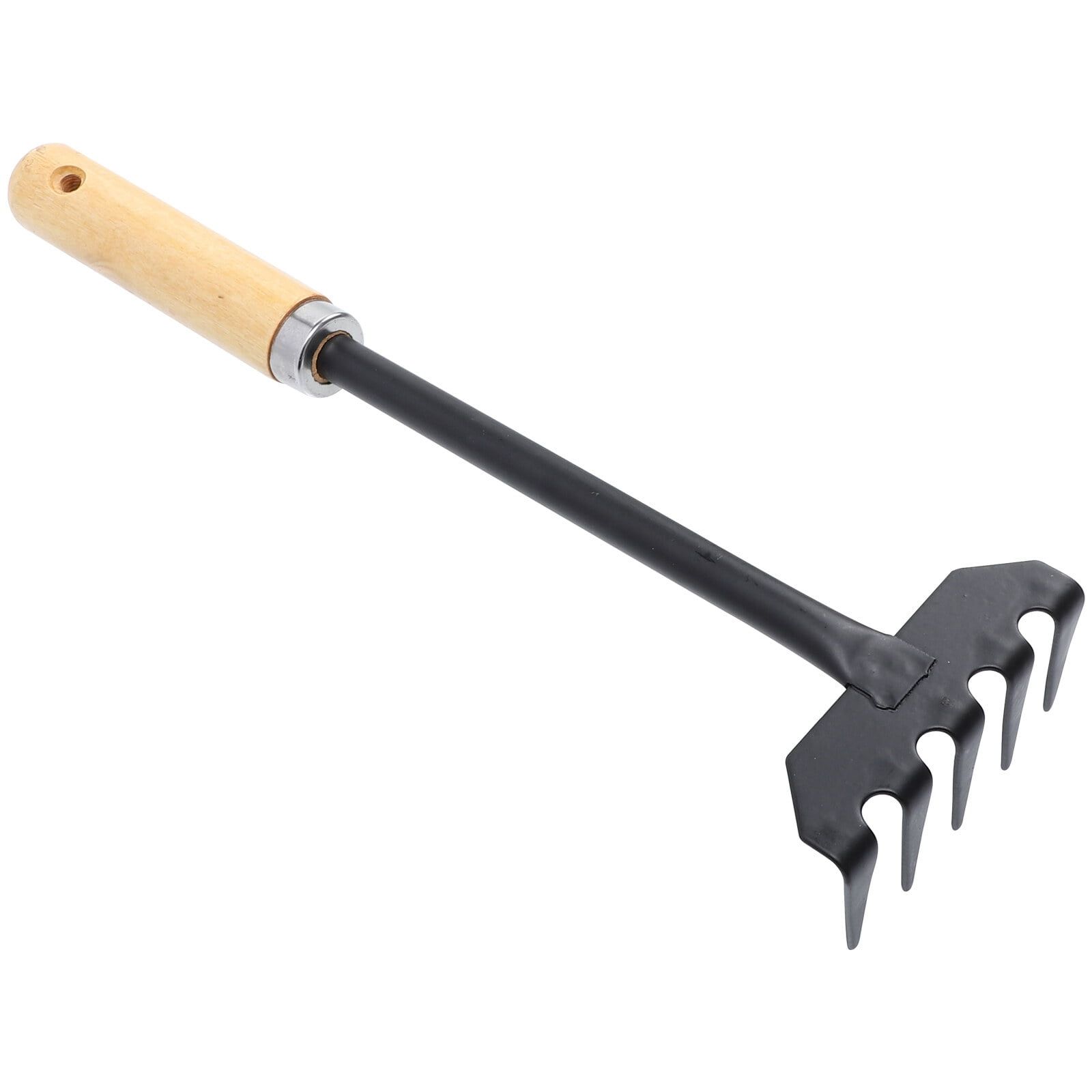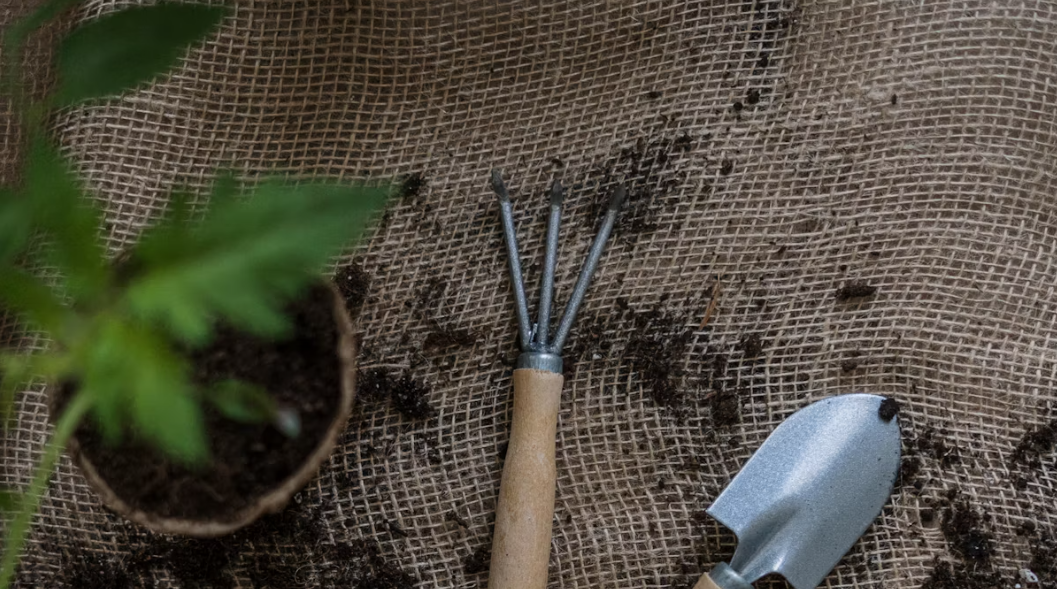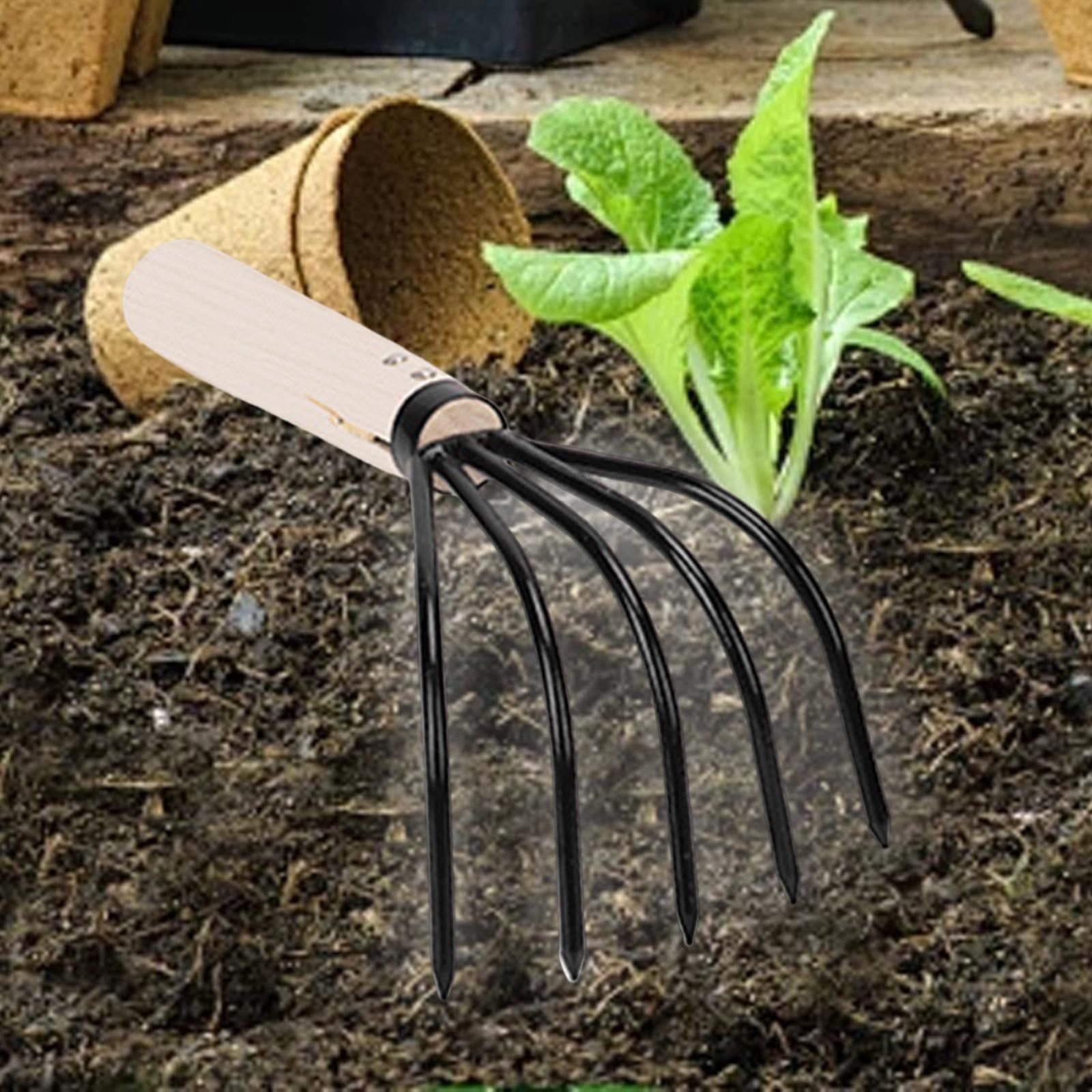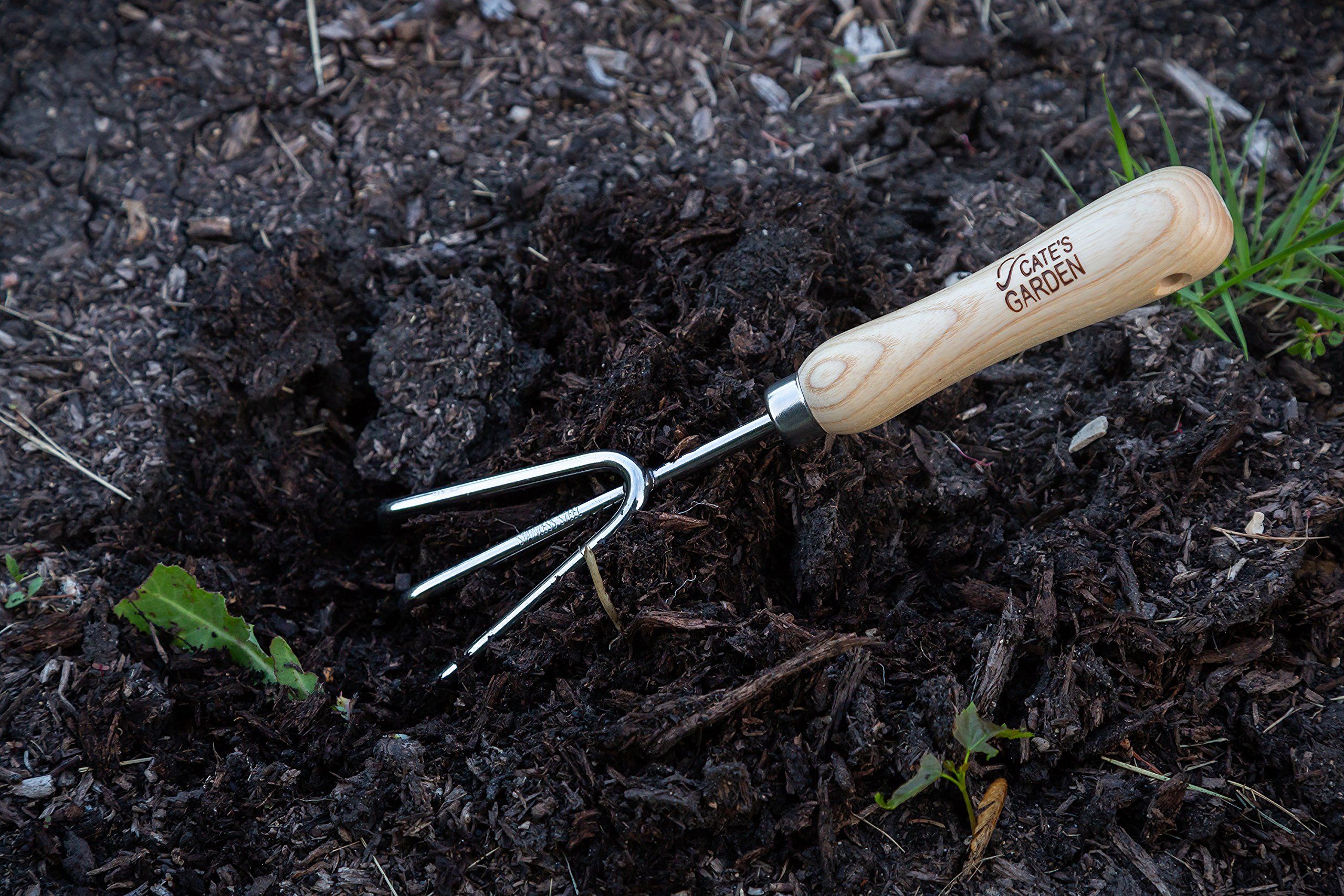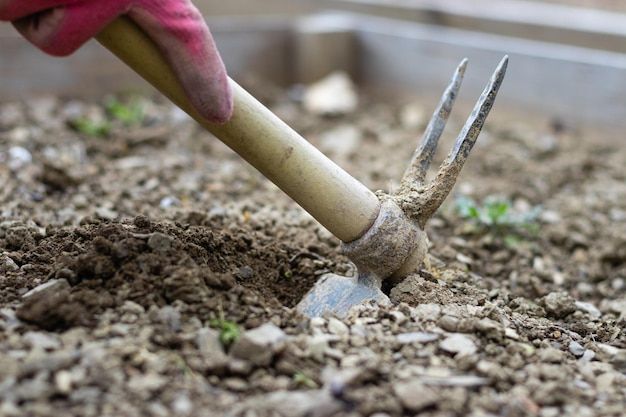
Picture this: you’re standing in your garden, ready to prepare the soil for new plants. You’ve got your gloves on, your favorite tools within reach, and the sun warming your back. But wait – what’s that? A rusty old rake gathering dust in the corner? Or worse yet, a plastic one that will end up in a landfill after just a few seasons? That’s where choosing the right sustainable garden hand rake becomes crucial. It’s not just about picking something that works. It’s about making a choice that reflects your values, protects the planet, and serves you well for years to come.
Gardening isn’t just about growing beautiful plants and maintaining a lovely space. It’s also about making choices that align with our values and responsibilities. When it comes to tools, especially something as fundamental as a garden rake, sustainability matters more than ever. Whether you’re a seasoned gardener with decades of experience or someone just starting out, the right sustainable garden hand rake can transform your gardening approach. It’s not just about durability or price – though those factors certainly play a role. The real magic happens when you find a tool that matches your specific needs while respecting the environment. This guide aims to walk you through everything you need to know to make that decision with confidence.
Understanding What Makes a Rake Sustainable
Let’s start with the basics. What exactly makes a garden rake sustainable? It’s not just about the material – though that’s important. Sustainable rakes often combine longevity with minimal environmental impact. They’re built to last, reducing the need for frequent replacements. Many are crafted from recycled materials or natural resources that don’t deplete rapidly. Think of bamboo handles that grow quickly and naturally, or metal tines made from recycled steel. Some even feature biodegradable components or designs that allow for easy repair rather than replacement. The key is looking beyond the surface. Is this rake designed to be used for years, or is it another disposable item that will sit in a landfill? A truly sustainable rake considers its entire lifecycle, from production to disposal.
Types of Sustainable Materials to Look For
When shopping for a sustainable garden hand rake, pay attention to the materials used. Here’s what to watch for:
• Bamboo: Fast-growing and incredibly strong, bamboo handles offer excellent durability while being a renewable resource. They resist moisture well and provide a comfortable grip.
• Recycled Steel: Many sustainable rakes use recycled metal for their tines. This reduces the need for new mining and processing while ensuring the tool remains sturdy.
• Cork or Natural Fibers: Some manufacturers use cork or natural fibers for handles, offering comfort and eco-friendliness. These materials often have natural antimicrobial properties too.
• Recycled Plastics: While not ideal, some high-quality rakes use recycled plastics that have been properly processed. Look for those with clear recycling labels and environmental certifications.
• Composite Materials: Newer options blend natural fibers with recycled polymers, creating tools that are both strong and environmentally conscious.
Each material brings different benefits. Bamboo offers strength and sustainability, while recycled metals ensure longevity. Understanding these differences helps you choose what aligns best with your priorities.
Matching Your Rake to Your Garden’s Unique Needs
Not every garden is the same, and neither should be your rake. Consider your specific gardening situation carefully. Do you have clay soil that needs heavy-duty tilling? Or sandy soil that requires gentle raking? Are you working with small spaces or large areas? The answers to these questions help narrow down your options significantly.
For clay soils, look for rakes with sturdy tines that can break up compacted earth effectively. Heavy-duty construction might be necessary to handle the dense conditions. In contrast, delicate soil types may require gentler rakes with softer tines to avoid damage. If you’re working in tight spaces like raised beds or containers, a lightweight, compact design will serve you better than a heavy-duty model.
Consider also how much area you cover regularly. A large garden might benefit from a wide rake that covers more ground efficiently, while smaller plots could be served by a narrower, more precise tool. Think about your physical capabilities too. If you have limited mobility or strength issues, a lighter rake with ergonomic features becomes essential. Sometimes, the most sustainable choice is simply the right size for your job.
Durability and Longevity Considerations
A sustainable garden rake isn’t just about the materials it’s made from – it’s also about how long it lasts. You want a tool that provides value over time, not just immediate satisfaction. Durability depends on several factors:
• Tine Quality: Tines should be thick enough to handle regular use without bending or breaking. Look for tines that are either forged or bent properly rather than welded.
• Handle Construction: A well-constructed handle should feel solid in your hands. Check if it’s securely attached and whether there are any weak points.
• Finish and Treatment: Proper treatments protect against weather and wear. Some sustainable rakes use natural oils or plant-based finishes instead of harsh chemicals.
• Warranty or Guarantee: Reputable manufacturers often offer warranties that indicate confidence in their product’s quality. A good warranty shows they stand behind their craftsmanship.
Investing in a durable rake means fewer replacements, less waste, and more satisfaction with your purchase. It’s a classic example of ‘buy once, use many times’ philosophy.
Eco-Friendly Manufacturing Processes
Beyond materials, the way a rake is made affects its sustainability. Sustainable manufacturers often follow practices that reduce environmental impact during production. These include:
• Energy Efficiency: Factories that use renewable energy sources or implement energy-saving measures.
• Water Conservation: Processes that minimize water usage or recycle water effectively.
• Waste Reduction: Systems that reuse or recycle manufacturing scraps rather than sending them to landfills.
• Local Production: Tools made closer to where they’ll be sold often have lower carbon footprints due to reduced transportation.
• Ethical Labor Practices: Ensuring fair wages and safe working conditions for workers involved in manufacturing.
When possible, research the manufacturer’s practices. Many companies now provide transparency reports or certifications that show their commitment to sustainable manufacturing. These details matter because they represent the full picture of environmental responsibility.
Practical Tips for Making Your Choice
Choosing the right sustainable garden hand rake can feel overwhelming, but here are some practical steps to simplify the process:
• Start with your budget: Determine how much you’re willing to spend upfront. Remember that higher initial costs often mean better long-term value.
• Identify your garden type: Clay, sandy, loamy, rocky – knowing your soil helps narrow options.
• Think about frequency of use: If you garden daily, you’ll need something more robust than if you use it occasionally.
• Check reviews: Real users often share how their rakes perform under various conditions. Look for feedback about durability and performance.
• Visit local garden centers: Hands-on testing helps determine fit and feel before purchasing online.
• Consider repairability: Can parts be replaced if broken? Does the manufacturer offer spare parts?
• Look for certifications: Certifications like FSC (Forest Stewardship Council) or Cradle to Cradle can provide assurance about sustainable practices.
These simple steps can make the difference between a tool that disappoints and one that serves you well for years.
Making the Final Decision
At the end of the day, choosing the right sustainable garden hand rake comes down to understanding your unique situation and making a thoughtful choice. Don’t rush into it. Take time to consider what matters most to you – whether that’s the environmental impact, the tool’s performance, or how well it fits your personal gardening style. Remember, the best sustainable rake isn’t necessarily the most expensive or the fanciest one. It’s the one that works well for your specific needs and supports your values. Consider what your garden looks like, how you plan to use the tool, and what kind of environmental impact you want to minimize. Sometimes, the perfect choice is one that feels right in your hands and makes you proud to be gardening sustainably.
Choosing a sustainable garden hand rake isn’t just about picking a tool – it’s about making a statement about how you want to interact with nature. It’s about recognizing that every purchase we make sends a message, both to ourselves and to the world around us. When you invest in a sustainable rake, you’re investing in a future where gardening practices support environmental health rather than harm it. The journey from selecting your first sustainable rake to becoming a confident gardener who chooses responsibly is filled with learning and growth. It’s a process that connects you more deeply with your garden, your community, and the broader ecosystem. So take a moment to think about what your garden needs, what your values require, and what kind of legacy you want to leave in the soil you tend. The right sustainable garden hand rake isn’t just a tool – it’s a companion for your gardening journey, one that supports both your goals and the planet’s future.