Gardening isn’t just about planting seeds and watering plants. It’s about understanding the tools that make your work easier. One often-overlooked but incredibly useful tool is the garden dibber. This simple implement can make all the difference when it comes to preparing soil for planting, creating holes for seedlings, or even loosening compacted earth. But what happens when you want to make your gardening choices more sustainable? Enter the recycled steel garden dibber.
Think about the last time you planted something in your garden. Did you use a simple stick, a fancy tool, or maybe just your hands? Chances are, you’ve used some form of dibber or similar implement. These tools might seem basic, but they’re actually essential for good soil preparation and plant placement. Now imagine if those tools were made from recycled materials. That’s exactly what recycled steel garden dibbers offer – functionality combined with environmental consciousness. Whether you’re a seasoned gardener or someone who just wants to grow a few vegetables in their backyard, choosing the right dibber matters more than you might think. It’s not just about having something to poke holes in the dirt. It’s about making smart decisions that support both your garden’s health and our planet’s future.
Understanding What a Garden Dibber Does
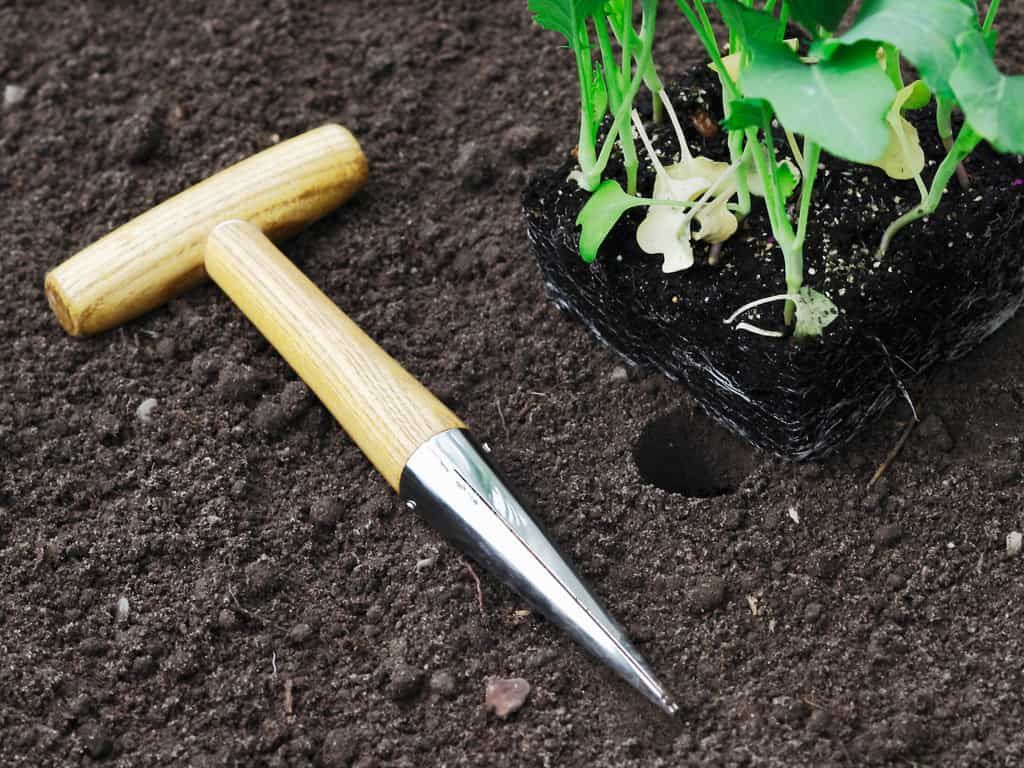
A garden dibber is essentially a simple tool designed to make holes in soil. You might have seen them before – they’re typically long, slender rods that you push into the ground to create spaces for seeds or small plants. But there’s more to these tools than meets the eye. They serve several important purposes in gardening. First, they ensure consistent hole depth, which helps seeds germinate evenly. Second, they create the right amount of space for delicate seedlings without damaging them. Third, they can help aerate soil, especially in compacted areas. Some dibbers even feature different shapes or sizes to accommodate various gardening tasks. The key is understanding how these tools work and what they’re meant to accomplish. Think of a dibber like a precision instrument. It’s not meant to dig deep trenches or move large amounts of soil. Instead, it’s focused on accuracy and gentle soil manipulation. When you’re planning to plant flowers, vegetables, or herbs, a good dibber can make your job much easier and more effective.
Why Choose Recycled Steel Over Other Materials
Recycled steel presents a compelling case when it comes to garden tools. Unlike plastic dibbers that can break easily or wooden ones that rot over time, steel offers durability that lasts. But beyond its longevity, recycled steel brings environmental benefits that matter more than ever. Let’s face it, gardening is already connected to nature, so why not make your tools part of that eco-conscious approach? Steel can be recycled endlessly without losing its properties. This means using recycled steel reduces the demand for new raw materials and cuts down on energy consumption. Additionally, recycled steel often costs less than virgin steel, making quality tools more accessible. The strength of steel also means your dibber won’t bend or break under pressure. You can rely on it for years of use. Consider this: a well-made recycled steel dibber can handle everything from soft garden soil to harder clay without showing signs of wear. Plus, it’s rust-resistant when properly treated, ensuring it stays functional even after multiple seasons of use. When you choose recycled steel, you’re not just getting a tool – you’re making a statement about sustainability and responsible consumption.
Key Features to Look For in a Quality Dibber
Not all dibbers are created equal. When shopping for one, look for certain characteristics that will make your gardening experience better. Length is important – most gardeners prefer dibbers that are around 18 to 24 inches long. This gives you enough reach to work effectively without straining your back. The diameter of the dibber should match your needs. Thicker dibbers work better for larger plants, while thinner ones are ideal for delicate seedlings. Handle design matters too. A comfortable grip prevents slipping during use and reduces hand fatigue. Many quality dibbers feature ergonomic handles that fit naturally in your hand. Material quality is crucial. Look for dibbers made from solid steel rather than hollow or thin-walled construction. The finish matters as well. Rust-resistant coatings or treatments protect the tool from moisture damage. Some dibbers come with additional features like markings to indicate depth or special tip designs for different soil types. These details might seem small, but they add up to a better overall tool. Also, consider the weight – you want something substantial enough to work effectively but not so heavy that it tires you out quickly. Remember, a good dibber should feel solid and well-balanced in your hands.
How to Determine Your Specific Needs
Every gardener has unique requirements based on their space, plants, and preferences. Before buying a dibber, take stock of what you’ll actually use it for. Are you primarily planting seeds? Or do you often transplant young seedlings? Different tasks call for different tools. If you have a small container garden, you might prefer a shorter dibber that fits easily in tight spaces. For larger gardens, a longer dibber gives you better reach. Soil type also matters. Clay soils are denser and require more force to penetrate, while sandy soils may need a dibber with a sharper tip. Consider how often you’ll use the tool. If you garden regularly, invest in something sturdy and reliable. If you’re a casual gardener, a basic model might suffice. Think about your physical limitations too. If you have arthritis or limited hand strength, look for dibbers with extra grip or lighter weight options. Budget considerations also play a role. While higher-end dibbers often cost more upfront, they may save money over time due to durability. Take a moment to assess your gardening habits and environment. This will guide you toward the right choice and prevent buyer’s remorse later on.
Comparing Popular Types of Recycled Steel Dibbers
There are several styles of recycled steel dibbers available, each with their own advantages. Traditional straight dibbers are simple and effective. They work well for most general gardening tasks and are easy to use. Some models feature a pointed tip for easier penetration into tough soil. Others have a slightly wider base to prevent the tool from slipping out of the hole once inserted. Spiral dibbers offer another option. Their twisted design helps them go deeper into the soil and can be particularly useful in compacted areas. These are excellent for situations where you need to create deeper holes. Some gardeners prefer dibbers with measurement markings. These help ensure consistent hole depths, which is especially important when planting seeds or small plants. Specialized versions exist for specific plants too. For example, some dibbers are designed specifically for bulbs, with a wider tip to accommodate the shape of a tulip or daffodil bulb. Others have a curved or angled tip for easier insertion. The variety shows how thoughtful tool design can enhance gardening experiences. Research different types to see which aligns best with your gardening style and goals.
Maintenance Tips for Longevity
Like any garden tool, a recycled steel dibber requires care to last. Regular maintenance keeps it functioning well and extends its life. After each use, clean off dirt and debris. This prevents buildup that could affect performance or lead to rust. If your dibber gets dirty, a quick rinse with water usually does the trick. For stubborn soil, a soft brush works well. Proper storage is equally important. Keep your dibber in a dry place away from moisture. A garden shed or garage works well. If you’re storing it outside, consider a cover or coating to protect it from the elements. Occasionally check for signs of rust. Light rust can be removed with sandpaper or a wire brush. More serious corrosion might require professional treatment or replacement. Applying a light coat of oil can help prevent rust formation. This is especially important if you live in a humid climate or frequently work in wet conditions. Regular sharpening of the tip helps maintain effectiveness. A sharp tip makes insertion easier and more precise. Finally, remember to test your dibber occasionally to make sure it still performs as expected. A little attention now can prevent bigger problems later.
Making the Smart Choice for Your Garden
Choosing the right recycled steel garden dibber involves balancing several factors. Start by considering your gardening goals and the types of plants you grow. If you’re planning to plant many seeds, look for a dibber that creates consistent, appropriately sized holes. Think about your garden size and how often you’ll use the tool. A durable dibber makes sense if you garden regularly. Quality materials mean fewer replacements over time. Price should also factor into your decision, but don’t sacrifice quality for savings. Sometimes investing in a better tool pays off in the long run. Consider reading reviews from other gardeners who have used similar products. Real-world feedback often reveals things that aren’t obvious from product descriptions alone. Don’t forget to factor in your personal comfort. A dibber that feels good in your hand and works well with your gardening style will be used more consistently. Finally, think about sustainability. Choosing recycled steel supports environmental responsibility while providing a practical tool. The combination of durability, eco-friendliness, and functionality makes recycled steel dibbers a smart choice for modern gardeners.
The journey from garden planning to harvest begins with the right tools, and a good recycled steel garden dibber is an essential part of that process. Whether you’re starting a new garden or maintaining an established one, understanding what to look for in a dibber can make a real difference in your gardening success. By choosing recycled steel, you’re not just getting a functional tool – you’re supporting sustainable practices that benefit the environment. The key is matching the tool to your specific needs, whether that’s for seeds, seedlings, or soil aeration. Remember that a quality dibber is an investment in both your garden and your enjoyment of it. Take time to consider your garden’s unique requirements, your usage patterns, and what features matter most to you. With proper selection and care, your recycled steel dibber can become a trusted companion in your gardening adventures for years to come. So next time you’re planning your garden setup, consider not just what you’ll plant, but what tools will help you plant it successfully.