Gardening isn’t just about growing beautiful plants—it’s also about caring for the earth that sustains them. When you’re selecting tools for your garden, especially something as fundamental as a weeder, you’re making choices that impact both your space and the environment. But what exactly makes a weeder eco-friendly? And how do you pick the one that truly works for your unique situation? Let’s dig into this together.
Every gardener knows the frustration of weeds taking over their carefully planned beds. But what if you could tackle those pesky invaders while also protecting the planet? Choosing an eco-friendly garden weeder isn’t just a trend—it’s a thoughtful decision that combines practicality with environmental responsibility. These tools don’t just work better for your garden; they work better for the planet too. The key lies in understanding what makes a weeder truly sustainable and matching that with your specific gardening style and space. So, what should you really be looking for when shopping for these green garden companions?
Understanding What Makes a Weeder Eco-Friendly
An eco-friendly weeder goes beyond just being made from recycled materials. It’s about the entire lifecycle of the tool—from how it’s manufactured to how it’s used and eventually disposed of. The best eco-friendly options often feature materials like sustainably sourced wood, recycled metals, or biodegradable components. Think about the manufacturing process too. Tools made with minimal chemical treatments, low-energy production methods, and ethical labor practices carry more weight in the eco-friendly category.
Consider the longevity of the tool as well. A weeder built to last means fewer replacements and less waste. Some brands even offer repair services or take-back programs for old tools. These features show a commitment to sustainability that goes far beyond the initial purchase. And don’t forget about the impact during use—tools that require less force, reduce soil compaction, or work with natural methods tend to be more eco-conscious than their heavy-handed counterparts.
Assessing Your Garden Size and Layout
Before you even think about material choices or design features, you need to know your space. A small balcony garden might call for a compact, lightweight weeder, while a large backyard could handle something more robust. Consider the shape and size of your garden area. Are you dealing with tight spaces between rows, or do you have room to move around?
Think about accessibility too. If you have mobility issues, a weeder with a longer handle or ergonomic design might be essential. For those with limited space, tools that can work in containers or raised beds are particularly valuable. Your garden’s microclimate matters too—humidity levels, soil types, and weather conditions all influence which weeder will perform best over time. A tool that works perfectly in dry conditions might struggle in wet soil, or vice versa.
Ask yourself: What are the most common weeds I deal with? Do I need something specialized for certain plant families? Understanding your specific gardening challenges helps narrow down the best options.
Material Matters: Wood, Metal, and Alternatives
The choice of materials significantly impacts both performance and sustainability. Wooden handles offer excellent grip and comfort, plus they’re naturally renewable. However, they require maintenance and may not last as long as metal options in harsh weather conditions. Many eco-conscious brands now offer sustainably harvested woods like bamboo or reclaimed timber.
Metal handles provide durability and strength, but consider whether they’re made from recycled steel or virgin materials. Some manufacturers use recycled aluminum or even recycled plastic components. These alternatives can offer the longevity of metal without the environmental cost.
Newer materials like plant-based composites or recycled rubber offer innovative solutions. These might be lighter and more comfortable to use, though they’re still emerging in the market. The key is finding a balance between durability, comfort, and environmental impact. Test how different materials feel in your hands and consider how they’ll age over time.
Design Features That Enhance Performance
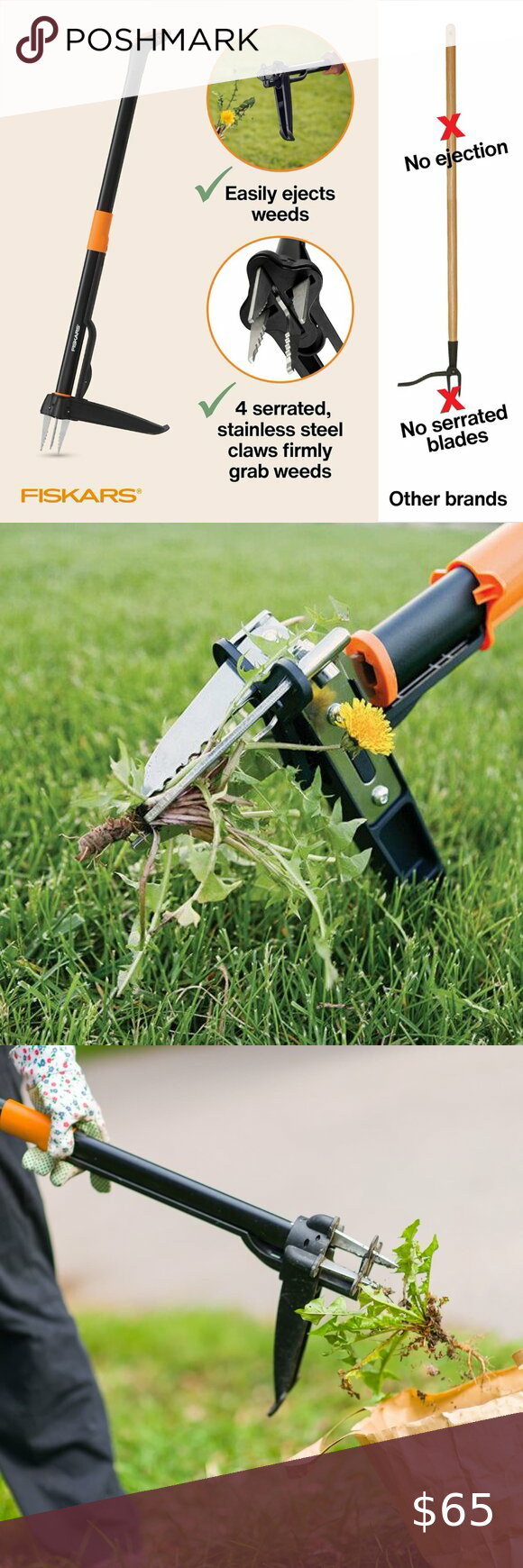
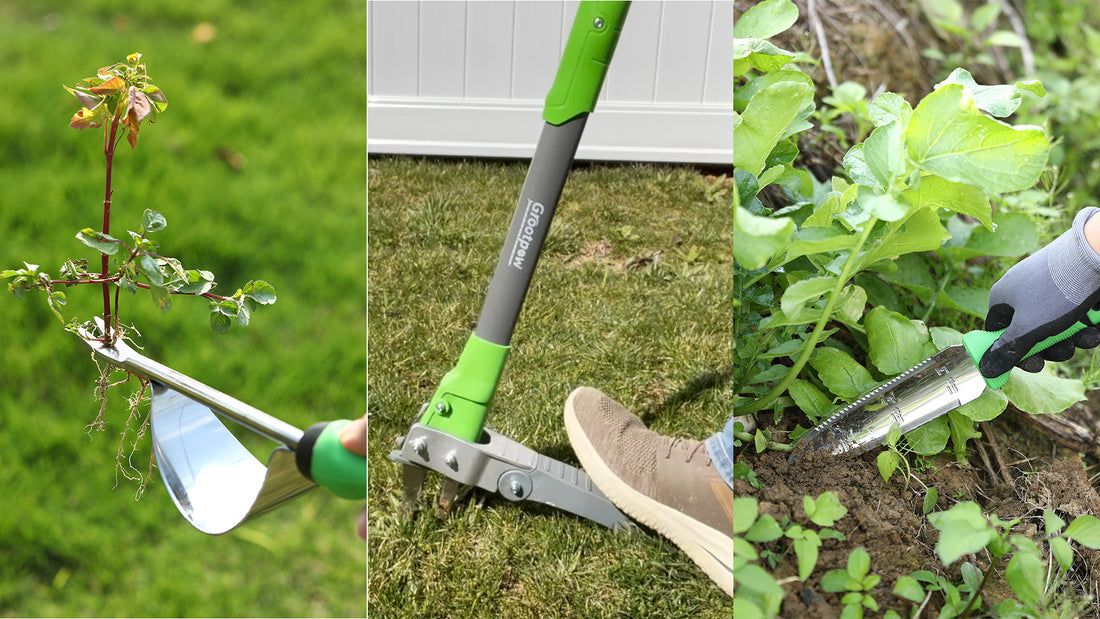
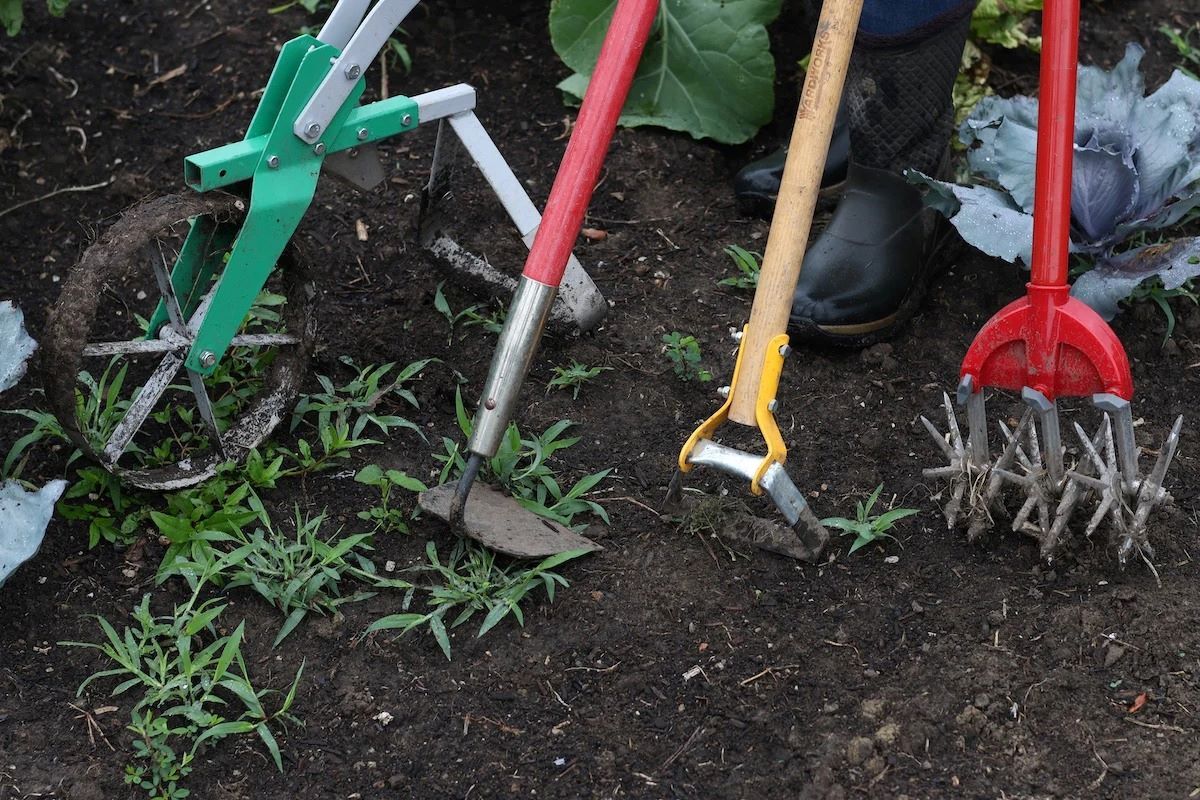
The design of your weeder directly affects how effectively it removes weeds. A good weeder should have a sharp blade that cuts cleanly through roots without tearing. Some models feature curved blades that work better for certain soil types, while others have straight edges optimized for specific applications.
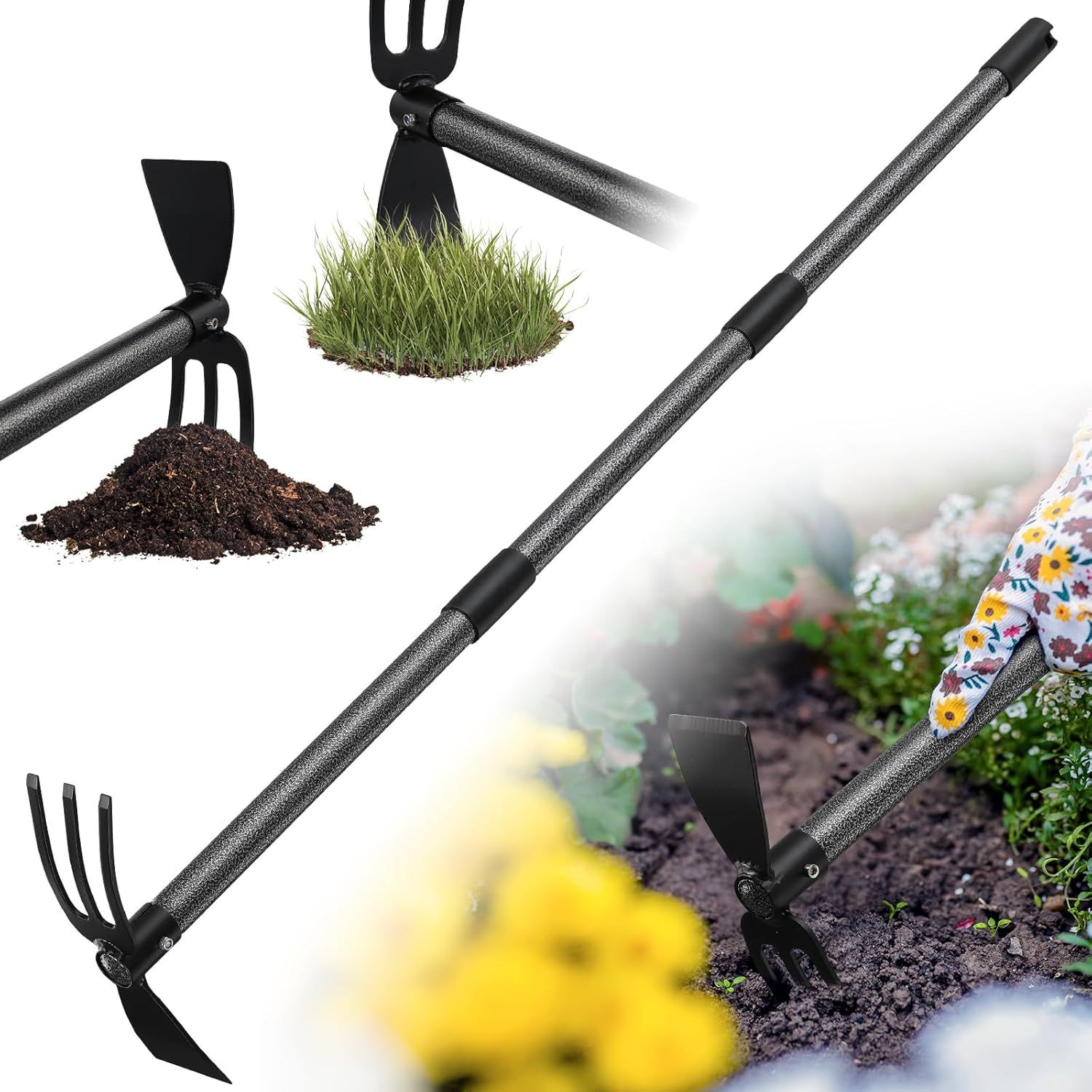
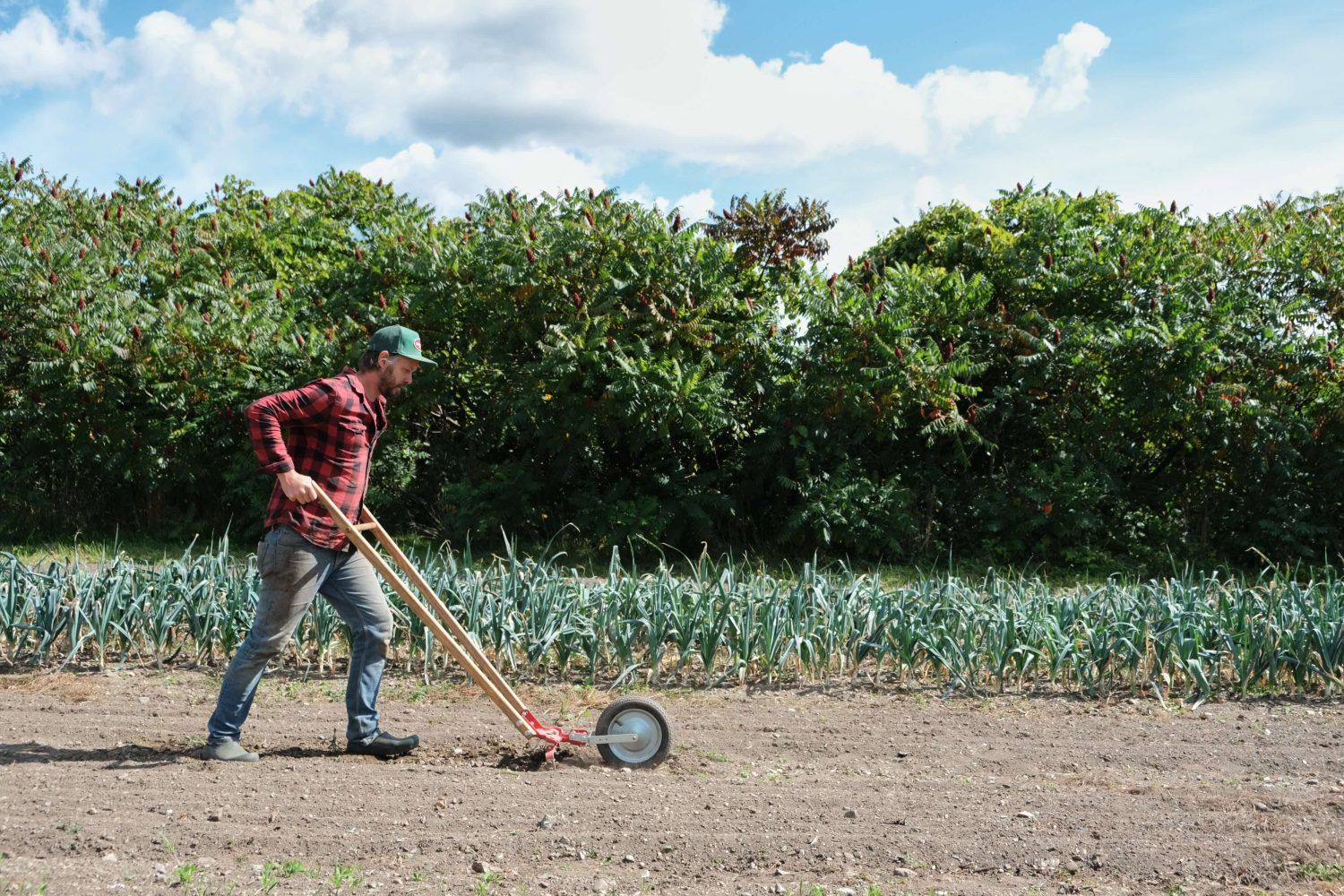
Handle length is crucial. Longer handles give you more leverage and reduce bending over, which is great for larger gardens or for those with back problems. Shorter handles work better for confined spaces or detailed work. Some weeder designs include adjustable handles, allowing you to customize the length based on your needs.
Ergonomic considerations matter more than you might think. Handles designed to fit comfortably in your hand reduce fatigue during extended use. Look for tools with non-slip grips, especially if you work in wet conditions. Some weeder models even incorporate shock absorption to reduce vibration, making them easier on your wrists and arms.
Considering Longevity and Maintenance Needs
An eco-friendly weeder isn’t just about the initial environmental impact—it’s also about how long it lasts and how much care it requires. A tool that breaks after six months is actually worse for the environment than one that lasts decades. Look for warranties or guarantees that indicate the manufacturer’s confidence in quality.
Maintenance requirements vary widely. Some tools need regular oiling or sharpening, while others are virtually maintenance-free. Consider how much time you want to invest in keeping your weeder in good condition. Tools with simple designs often require less upkeep.
The environmental cost of replacement parts is another factor. Some brands offer replacement blades or handles, extending the life of the tool. Others might have proprietary parts that are difficult to find or expensive to replace. Think about what happens when your weeder eventually wears out. Can it be repaired? Is it recyclable? Does it have a take-back program?
Also consider the tool’s versatility. A weeder that can handle multiple tasks reduces the need for several specialized tools, which is both economical and environmentally smart.
Budget Considerations and Value Over Time
Cost shouldn’t be the only factor, but it certainly plays a role in your decision-making process. Eco-friendly tools often come with a higher price tag initially, but they frequently offer better value over time. Consider what you’re paying for—the materials, craftsmanship, brand reputation, and potential longevity.
Compare the total cost of ownership rather than just the upfront price. A cheaper weeder that breaks quickly might end up costing more in the long run. On the flip side, a premium tool that lasts a decade might seem expensive at first but saves money over time. Think about how often you’ll use the weeder and whether it’s worth investing in something that will serve you for years.
Many eco-friendly brands also offer financing options or payment plans, making quality tools more accessible. Some even provide trade-in programs or discounts for returning old tools. These programs help offset costs while promoting recycling and reuse. Remember, investing in a quality eco-friendly weeder is investing in your garden’s future—and your environmental values.
Choosing the right eco-friendly garden weeder isn’t just about picking the newest or flashiest model. It’s about finding a tool that aligns with your gardening style, fits your space, and supports your environmental values. Whether you’re a seasoned gardener or just starting out, taking time to consider all these factors will lead to a better experience in your garden and a better impact on the planet. Remember, the best weeder isn’t necessarily the most expensive or the most complicated—it’s the one that works well for you and your specific needs. So next time you’re shopping for garden tools, think beyond the surface. Look for durability, thoughtful design, and genuine sustainability. Your garden—and the earth—will thank you for it. The journey toward greener gardening starts with a single, thoughtful choice in your toolshed.