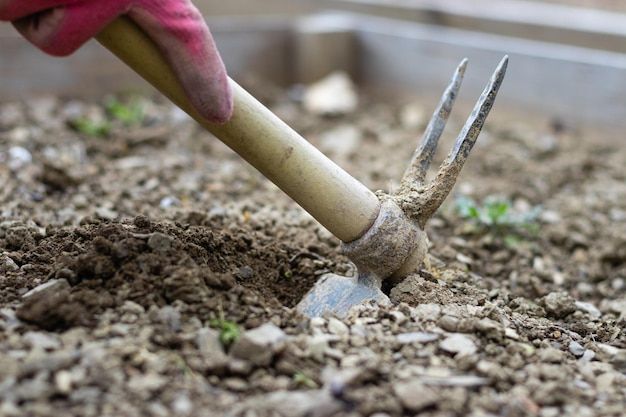
When you think about gardening, you probably picture soil, plants, and maybe some basic tools. But what if your garden tools could actually help the planet instead of just helping you grow things? That’s exactly what sustainable gardening tools are all about. They’re not just about getting the job done—they’re about doing it right, in a way that supports the earth and makes your garden thrive for years to come.
Gardening is more than just planting seeds and watering them. It’s a relationship between you and nature that requires respect, care, and smart choices. One of the most impactful ways to show that respect is by building a sustainable gardening toolkit. This isn’t just about buying new tools—it’s about choosing tools that last, work well, and don’t harm the environment. Whether you have a small windowsill garden or a sprawling backyard, having the right tools makes all the difference. And when those tools are sustainable, they become part of a bigger story—one where your garden contributes positively to the world around it.
Understanding Sustainable Gardening Tools
Sustainable gardening tools are those designed to minimize environmental impact while maximizing effectiveness. They’re built to last longer, often using recycled materials or renewable resources. Think about it—every time you use a tool that breaks easily or needs frequent replacement, you’re contributing to waste. But with sustainable tools, you’re investing in something that will serve you for many seasons. These tools might be made from bamboo, recycled metals, or even repurposed items that give new life to old materials. The key is that they’re thoughtfully designed with the future in mind.
What makes a tool truly sustainable? It’s not just about the material. It’s about durability, reusability, and minimal impact on ecosystems. A sustainable tool doesn’t just do its job—it does it responsibly. It might mean choosing a hand trowel made from recycled steel rather than plastic, or opting for a watering can crafted from reclaimed wood. These aren’t just random choices—they’re decisions that reflect your values and your commitment to caring for the planet.
Essential Tools for Every Sustainable Garden
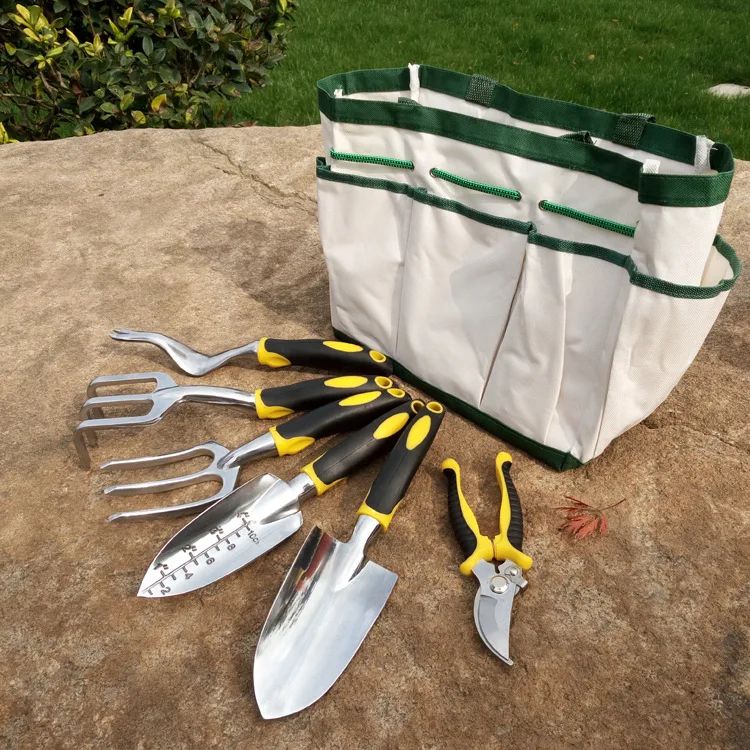
Every garden needs a few core tools that can handle most tasks. When building a sustainable toolkit, focus on quality over quantity. Here are some must-haves:
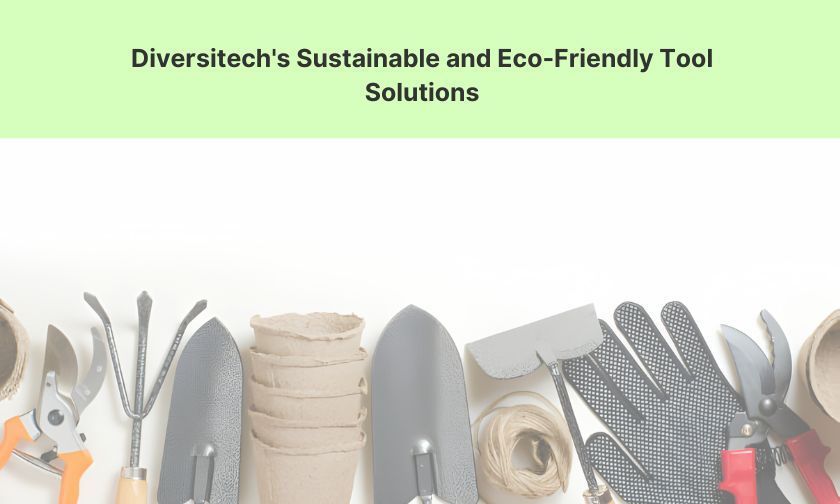
• Hand Trowel – A sturdy trowel is essential for planting, transplanting, and digging small holes. Choose one with a wooden or bamboo handle and a metal blade made from recycled materials.
• Pruning Shears – These help trim dead branches and keep plants healthy. Look for shears with adjustable blades and ergonomic handles that reduce strain on your hands.
• Watering Can – A good watering can distributes water evenly and gently. Opt for one made from recycled plastic or clay, which helps retain moisture naturally.
• Garden Hose – If you need to water larger areas, choose a hose made from sustainable materials like recycled rubber or biodegradable plastics.
• Weeder – A simple weeding tool removes unwanted plants without disturbing the soil structure. A long-handled weeder with a sharp blade works best for pulling weeds from deep roots.
• Rake – A rake helps clear debris and prepare soil. Choose one with a wooden handle and metal tines that won’t rust quickly.
These basics form the foundation of any sustainable garden toolkit. Each tool should be chosen based on its ability to perform well and last long, reducing the need for replacements.
Choosing Materials That Last
The materials you choose for your tools make a big difference in their lifespan and environmental impact. Here’s how to pick wisely:
• Wooden Handles – Wood is renewable and biodegradable. Look for handles made from sustainably sourced timber like bamboo or oak. They’re comfortable to grip and don’t conduct electricity, making them safer for use in wet conditions.
• Recycled Metals – Steel and aluminum from recycled sources offer strength and durability. Tools made from recycled metals don’t require new mining or processing, which saves energy and reduces pollution.
• Bamboo – This fast-growing grass is incredibly strong and sustainable. Bamboo handles and tool shafts are lightweight yet durable, making them perfect for many gardening tasks.
• Cork and Natural Fibers – Some manufacturers use cork or natural fibers for grips and handles. These materials are renewable and provide excellent comfort and control.
When shopping, ask questions about sourcing and production methods. You’ll often find that sustainable tools are worth the extra investment because they last longer and don’t break down easily. Plus, knowing where your tools come from gives you peace of mind.
Repairing and Maintaining Your Tools
A good tool is only as useful as how well you take care of it. Proper maintenance extends the life of your gardening tools significantly. Here’s how to keep them working well:
• Clean After Each Use – Remove dirt and debris from your tools after each gardening session. This prevents rust and keeps blades sharp.
• Sharpen Blades Regularly – Dull tools don’t work well and can damage plants. Use a sharpening stone or file to keep blades sharp.
• Oil Metal Parts – Apply a light coat of oil to metal components to prevent rust and corrosion.
• Store Properly – Keep tools in a dry place away from moisture. A tool rack or wall-mounted holder helps organize and protect them.
• Replace Parts When Needed – Instead of throwing away broken tools, see if individual parts can be replaced. Many companies offer replacement handles or blades.
Think of tool maintenance as a conversation with your garden. By taking care of your tools, you’re showing respect for the work they do—and for the environment they help protect. Regular maintenance is one of the simplest ways to make your gardening toolkit truly sustainable.
Repurposing Old Tools and Materials
Sometimes the most sustainable choice is to reuse what you already have. Old tools can be transformed into new garden helpers, and materials can be given new life in creative ways.
Consider turning old buckets into planters, or using wooden pallets to build raised beds. An old garden fork can become a compost turner, or a worn-out watering can can be painted and used for indoor plants.
This approach encourages creativity and reduces waste. It also connects you more deeply with your garden, as you’re using items that already belong to your space. Repurposing can also save money, especially if you’re starting out with a small garden.
Many gardeners find that once they start thinking about reuse, they notice opportunities everywhere. A broken hoe might become a garden marker, or a rusty wheelbarrow could be turned into a vertical planter. These projects often lead to unexpected discoveries about what your garden can do.
Eco-Friendly Practices Beyond Tools
Sustainable gardening goes beyond just choosing the right tools. It includes how you use and interact with your garden. Consider these eco-friendly practices:
• Composting – Turn kitchen scraps and yard waste into rich soil. Compost bins can be built from recycled materials or purchased from sustainable brands.
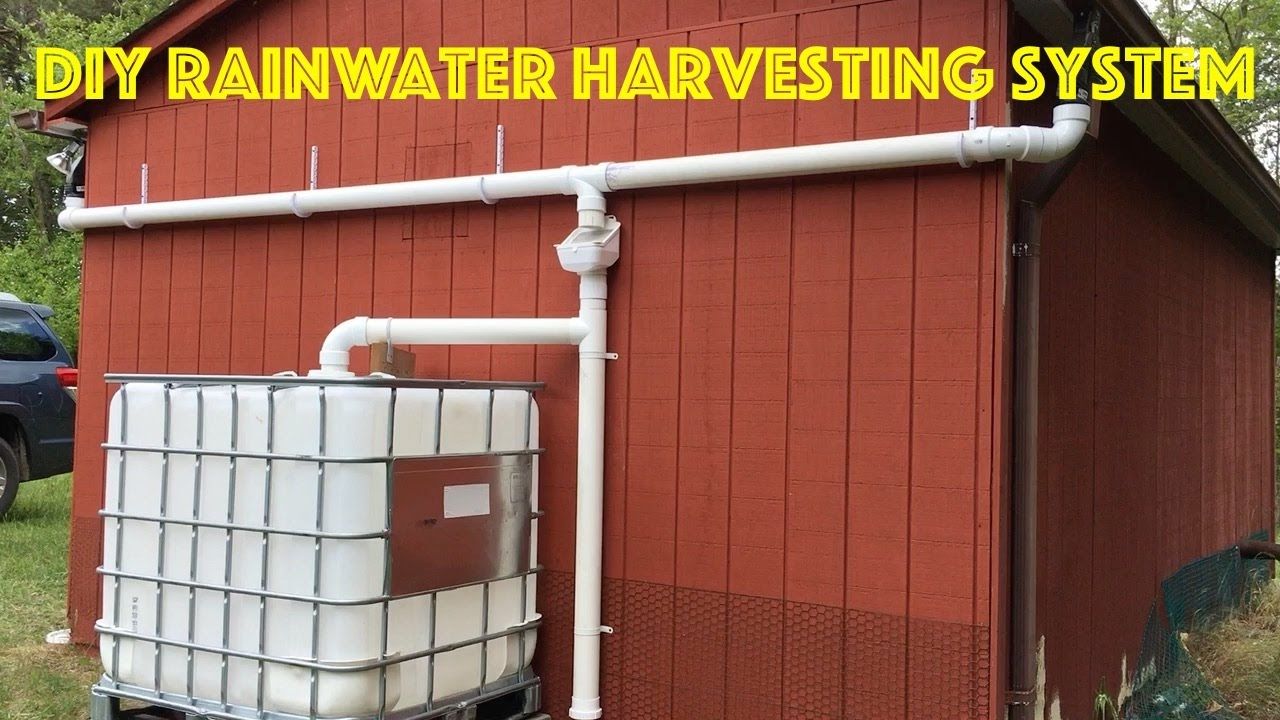
• Water Conservation – Collect rainwater in barrels to reduce reliance on tap water. Drip irrigation systems use less water and deliver it directly to plant roots.
• Native Plants – Choose plants that naturally thrive in your area. They require less water, fertilizer, and pest control.
• Organic Pest Control – Use natural methods to manage pests, such as companion planting or beneficial insects. Avoid chemical sprays that harm wildlife.
• Seed Saving – Save seeds from your favorite plants to grow next year. This preserves genetic diversity and reduces dependence on commercial seed companies.
These practices complement your tool kit by creating a holistic approach to gardening. Together, they form a system where every element supports sustainability and health.
Making Smart Purchasing Decisions
Buying sustainable tools means looking beyond price tags. Here are some tips for making smart purchases:
• Research Brands – Look for companies that prioritize sustainability and transparency in their manufacturing processes. Many offer detailed information about sourcing and production.
• Check Durability Ratings – Read reviews and check warranty periods. Tools that last longer are better investments.
• Buy Local When Possible – Supporting local businesses reduces transportation emissions and often means fresher, more sustainable products.
• Invest in Quality Over Quantity – It’s better to have fewer high-quality tools than many low-quality ones. Quality tools perform better and wear longer.
• Avoid Single-Use Items – Skip disposable tools and opt for reusable alternatives. Even small changes add up to big impacts over time.
Smart purchasing isn’t just about saving money—it’s about making choices that align with your values. When you buy sustainably, you’re voting with your wallet for a healthier planet and a more resilient garden.
Long-Term Benefits of Sustainable Gardening Tools
Using sustainable gardening tools offers benefits that extend far beyond your garden. Here’s what you gain over time:
• Reduced Waste – Long-lasting tools mean fewer replacements and less trash ending up in landfills.
• Lower Environmental Impact – Using recycled and renewable materials helps reduce carbon footprints and resource depletion.
• Cost Savings – Though sustainable tools may cost more initially, they pay off over time due to their durability.
• Improved Garden Health – Better tools help you tend to your garden more effectively, leading to healthier plants and better yields.
• Personal Satisfaction – Knowing your tools are environmentally responsible gives a sense of pride and connection to nature.
• Community Impact – When more people adopt sustainable practices, it creates a ripple effect that supports broader environmental goals.
Building a sustainable toolkit is an investment in yourself and the planet. It’s a way to honor both your garden and the earth that nourishes it.
Creating a sustainable gardening toolkit isn’t just about having the right tools—it’s about making conscious choices that support your garden’s health and the environment’s wellbeing. From selecting materials that last to maintaining your tools properly, every decision counts. Whether you’re starting fresh or upgrading your existing collection, remember that sustainability isn’t about perfection. It’s about progress, intention, and care. As you build your toolkit, you’re not just preparing for today’s gardening tasks—you’re setting up a legacy of responsible stewardship that will benefit generations to come. Your garden becomes a reflection of your values, and that’s a beautiful thing to cultivate.