When your sink gurgles, your shower drains slowly, or your toilet won’t flush properly, you know something’s blocking your pipes. But before you call in the plumber, there’s a handy tool that might just save the day – the trusty drain snake. These aren’t just fancy gadgets; they’re the unsung heroes of our plumbing world. Whether you’re dealing with hair, food scraps, or mineral buildup, understanding how different types of drain snakes work can mean the difference between a quick fix and a costly emergency.
Picture this: It’s 11 PM, you’ve got a clogged bathtub, and you’re staring at a toilet that refuses to flush. You’ve tried pouring hot water down the drain, but nothing works. What do you do? Well, you could grab a drain snake – a simple tool that’s been saving homes from plumbing disasters for decades. But here’s the thing, not all drain snakes are created equal. Some are designed for hair clogs, others for stubborn debris, and some are built for commercial use. Understanding these differences isn’t just helpful – it’s essential if you want to solve your plumbing problems efficiently and avoid the frustration of using the wrong tool for the job.
Manual Drain Snakes: The Classic Solution
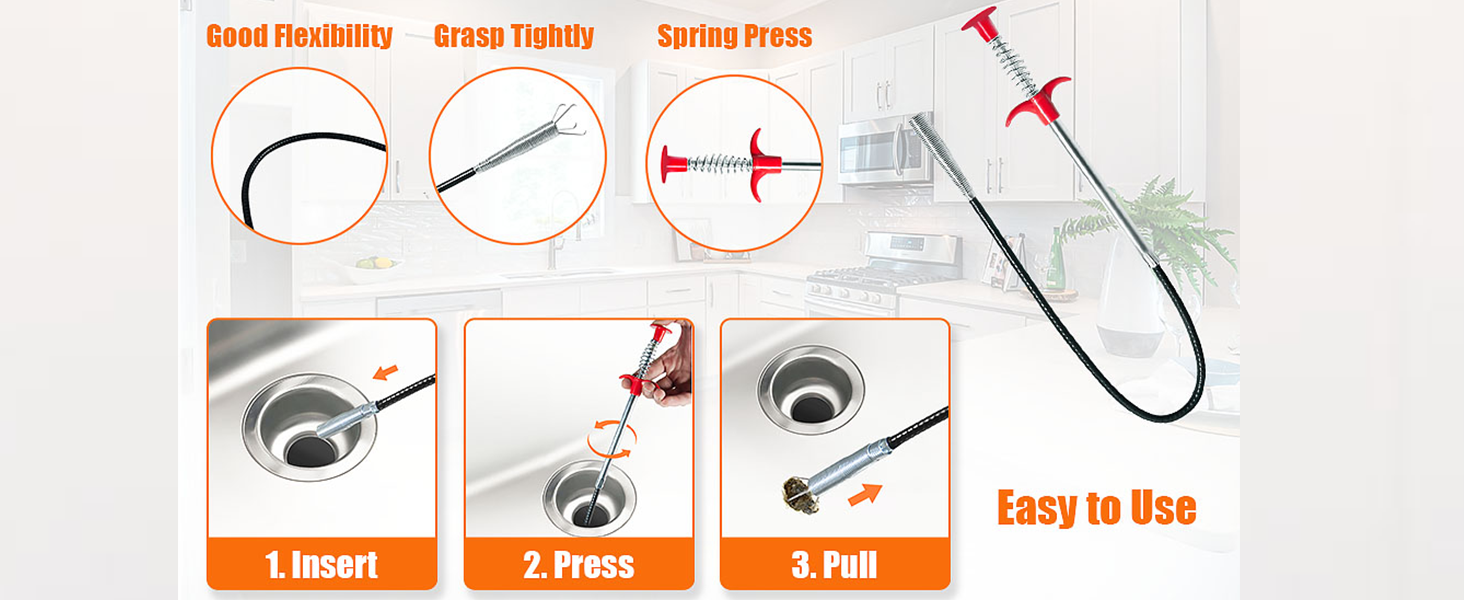
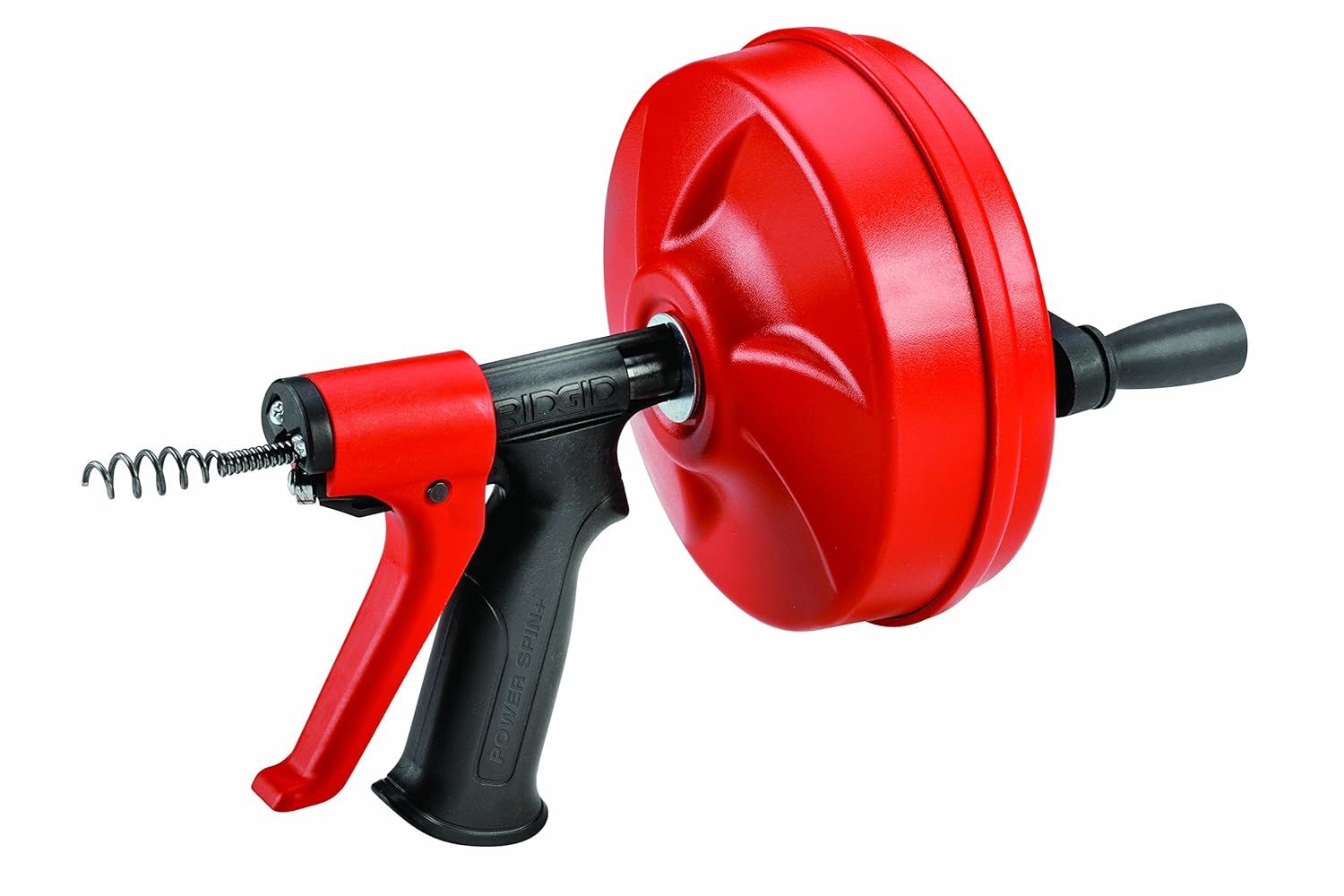
Let’s start with the most straightforward type of drain snake – the manual variety. Think of it as the original plumbing superhero. These snakes are basically long, flexible cables that you manually push and pull through your pipes. They’re particularly good at reaching deeper clogs and are perfect for home use. The best part? They don’t require any electricity or batteries. Just a steady hand and a bit of elbow grease. When you’re dealing with hair clogs that have built up over time, or when you need to break apart stubborn blockages, a manual snake often does the trick. You’ll find them in various sizes, from small ones for bathroom drains to larger versions for kitchen sinks. The key is matching the snake size to your pipe diameter. A too-small snake might miss the clog entirely, while a too-large one could damage your pipes. Many people keep one in their toolkit because they’re reliable, affordable, and don’t depend on power sources. Plus, they’re great for those situations where you might not have access to electricity or prefer a simpler approach to plumbing problems.
Electric Drain Snakes: Power Meets Precision
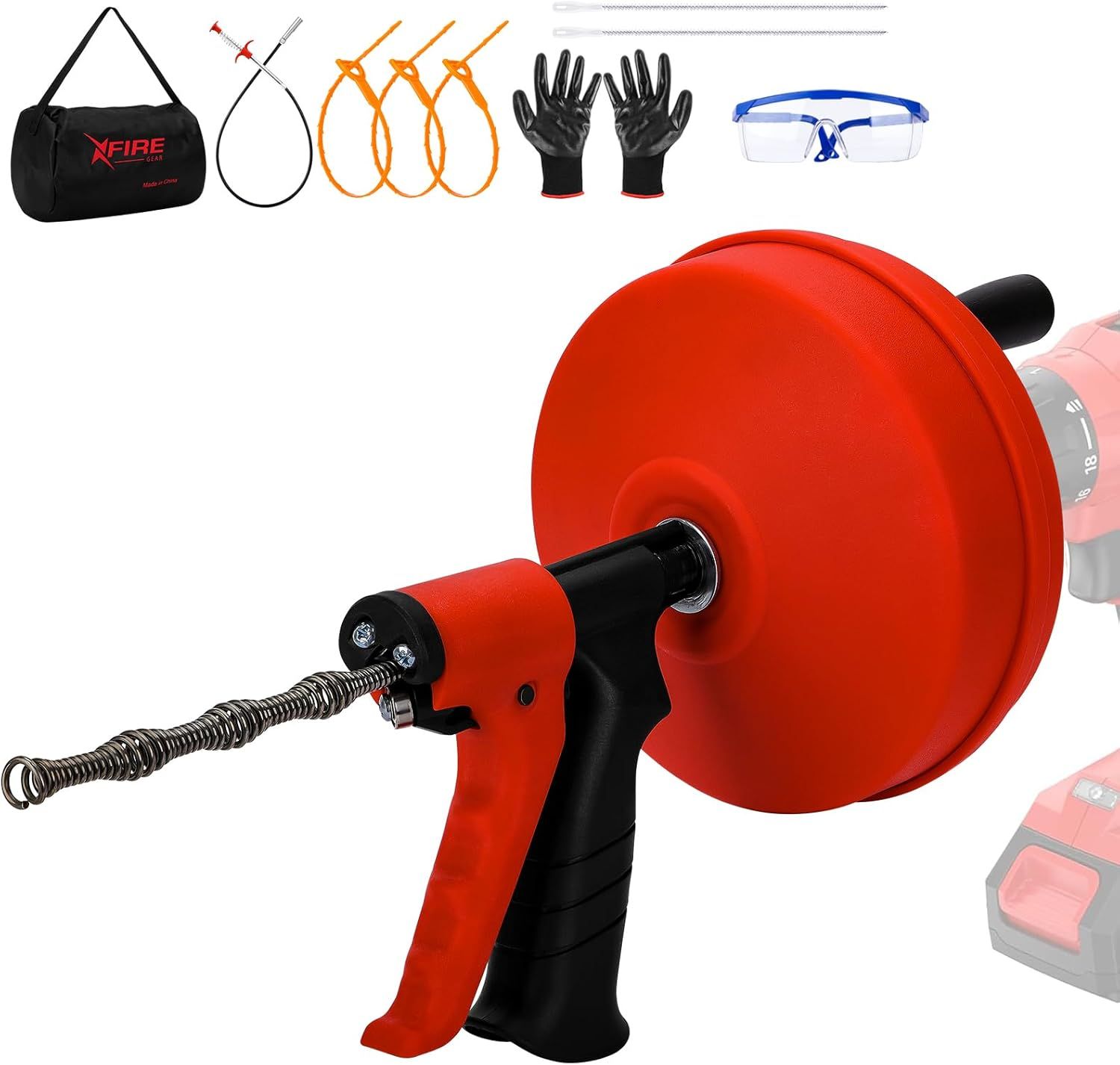
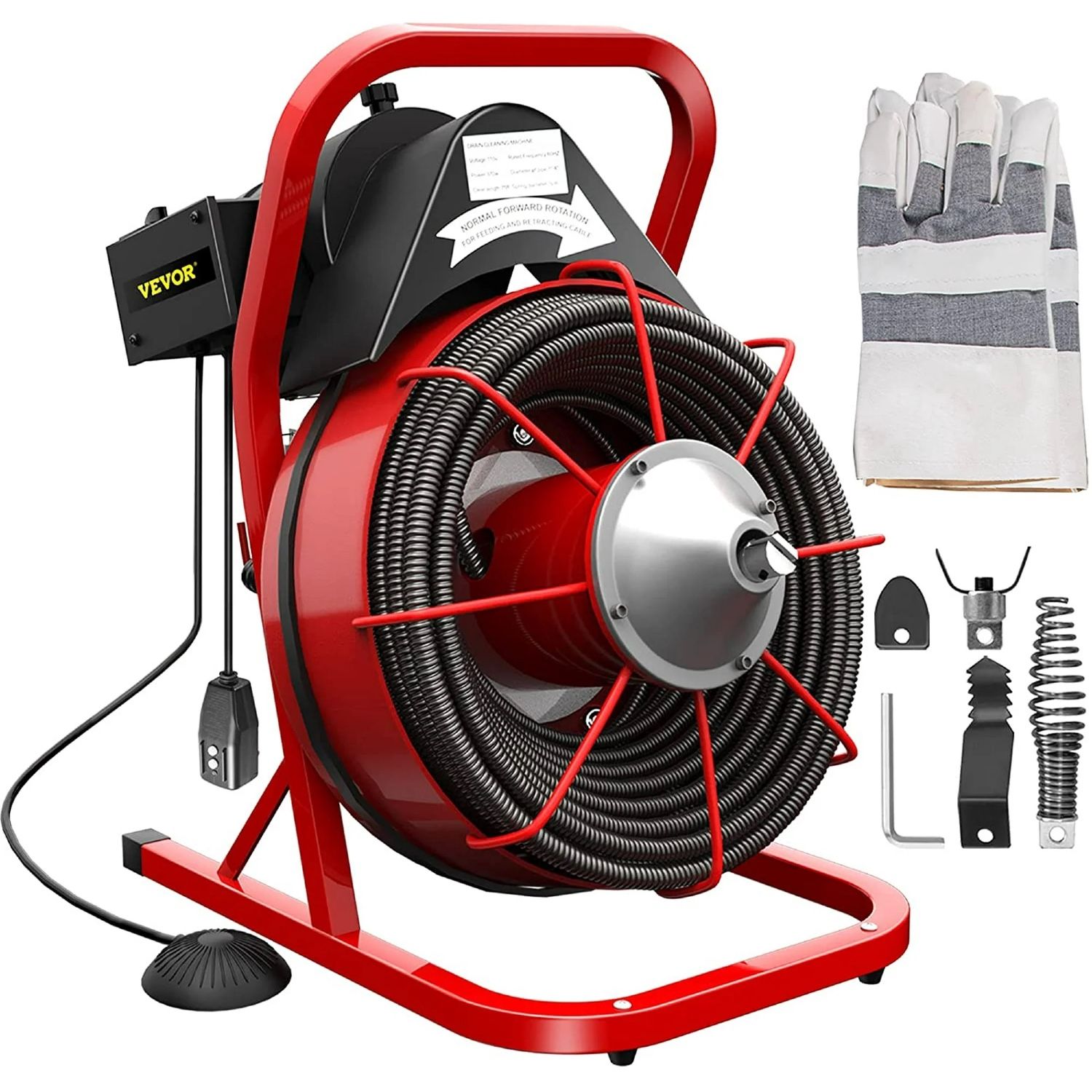
Now let’s talk about electric drain snakes – the high-tech siblings of their manual cousins. These beauties pack a punch with their motorized rotation, making them incredibly effective against tough clogs. Unlike manual snakes that rely on your strength, electric models spin automatically, which means they can tackle even the most stubborn blockages with less effort on your part. They’re especially useful when you’re dealing with tree roots or hardened grease that manual snakes might struggle with. Most electric snakes come with adjustable speed settings, allowing you to choose the right power level for your situation. Some even feature built-in sensors that detect resistance and automatically adjust the motor speed. The downside? They’re typically more expensive than manual options and require a power source. But if you’re dealing with frequent clogs or have a large home with multiple plumbing issues, the investment might be worth it. Many professionals swear by electric snakes because they can handle jobs that would take hours with a manual version in mere minutes. They’re also handy for those who don’t have the physical strength to deal with heavy manual snakes.
Auger Systems: Heavy Duty Solutions
For serious plumbing problems, auger systems are like having a heavy-duty excavator for your pipes. These are typically larger, more powerful versions of drain snakes designed for commercial or industrial use. Unlike the smaller snakes you might find in hardware stores, augers can handle massive clogs and even structural issues within pipes. They’re often mounted on trucks or heavy machinery, but there are also portable versions available for larger residential properties. Auger systems work by spinning a thick, robust cable at high speeds, creating enough force to break apart even the most stubborn blockages. They’re commonly used by plumbers when dealing with main sewer line issues or when regular snakes have failed to clear a problem. The cable is usually made from steel or other durable materials that can withstand the pressure of breaking through concrete, tree roots, or other tough obstacles. These systems are often used in situations where you need to clear entire sections of pipe rather than just spot treatments. While they’re expensive and require professional installation, they’re absolutely necessary for tackling the biggest plumbing nightmares.
Coil Snake Systems: Flexibility at Its Finest
Coil snakes represent a unique category that combines flexibility with effectiveness. These snakes are essentially long, coiled cables that can navigate around bends and curves in pipes better than straight snakes. They’re particularly useful in older homes with twisted or angled plumbing systems where traditional snakes might get stuck. The coil design allows them to move more naturally through complex pipe layouts, making them ideal for historic properties or homes with unique plumbing setups. You’ll often see coil snakes paired with electric motors, creating hybrid systems that offer both flexibility and power. The coils can be adjusted to different lengths, giving you more control over how far they reach into your pipes. They’re also easier to store than long straight cables, taking up less space in toolboxes or storage areas. One of the advantages of coil snakes is their ability to work in tight spaces where straight snakes might not fit. This makes them excellent for clearing clogs in narrow bathroom drains or hard-to-reach kitchen fixtures. Many people find that coil snakes are particularly effective for preventative maintenance, helping to clear minor blockages before they become major problems.
Cable-Based Drain Cleaners: The Modern Approach
Cable-based drain cleaners are the latest evolution in drain clearing technology. These devices use a combination of mechanical action and chemical treatment to dissolve clogs. Instead of relying solely on physical force, they incorporate special cleaning solutions that work alongside the cable to break down organic matter. The cable itself is often designed with special coatings or textures that help it grip and remove debris more effectively. These systems are particularly good at handling organic clogs like hair, soap scum, and food particles. Some models feature automatic cleaning cycles that run the cable and solution simultaneously, making them incredibly convenient for regular maintenance. They’re also more environmentally friendly than harsh chemical treatments alone, as they combine mechanical removal with targeted chemical action. Many modern cable cleaners come with digital displays showing progress and remaining time, making them user-friendly for homeowners. The cable components are often designed to be easily replaced, extending the life of the system. These are becoming increasingly popular because they offer the best of both worlds – mechanical power and chemical effectiveness.
Choosing the Right Snake for Your Situation
So how do you decide which snake is right for your needs? It starts with understanding the type of clog you’re dealing with. Hair clogs respond well to manual snakes with wire brushes, while grease and food particles might need the power of an electric model. Consider the size of your pipes too – smaller drains need smaller snakes, and larger lines can handle bigger equipment. If you’re dealing with a recurring issue, investing in an electric snake might pay off in the long run. For occasional problems, a manual snake is perfectly adequate and much more economical. Don’t forget about the environment where you’ll be using it. Outdoor installations might require weather-resistant models, while indoor use focuses more on safety features. Budget considerations play a role too – manual snakes cost less upfront but may require more effort, while electric models have higher initial costs but save time. Professional-grade equipment offers superior performance but requires more skill to operate safely. Ultimately, the best choice depends on your specific situation, frequency of use, and comfort level with the technology involved. Consider starting with a basic manual snake if you’re new to plumbing repairs, then upgrading to more sophisticated models as your needs grow.
The world of drain snakes is surprisingly diverse, with each type offering unique advantages for different situations. From simple manual snakes that anyone can use to powerful electric models that tackle the toughest clogs, there’s a solution for every plumbing challenge. Understanding these differences helps you make informed decisions about which tool to use when. Whether you’re dealing with a minor clog or a major plumbing emergency, choosing the right snake can save you time, money, and frustration. Remember, the key isn’t just having the right tool, but knowing when and how to use it properly. With a little knowledge and the right equipment, you can handle many plumbing problems yourself. The next time you face a clogged drain, don’t panic – take a moment to consider what type of snake might work best for your situation. Your pipes will thank you, and you’ll gain confidence in handling future plumbing challenges. After all, a well-chosen drain snake can be your best friend when it comes to keeping your plumbing system running smoothly.