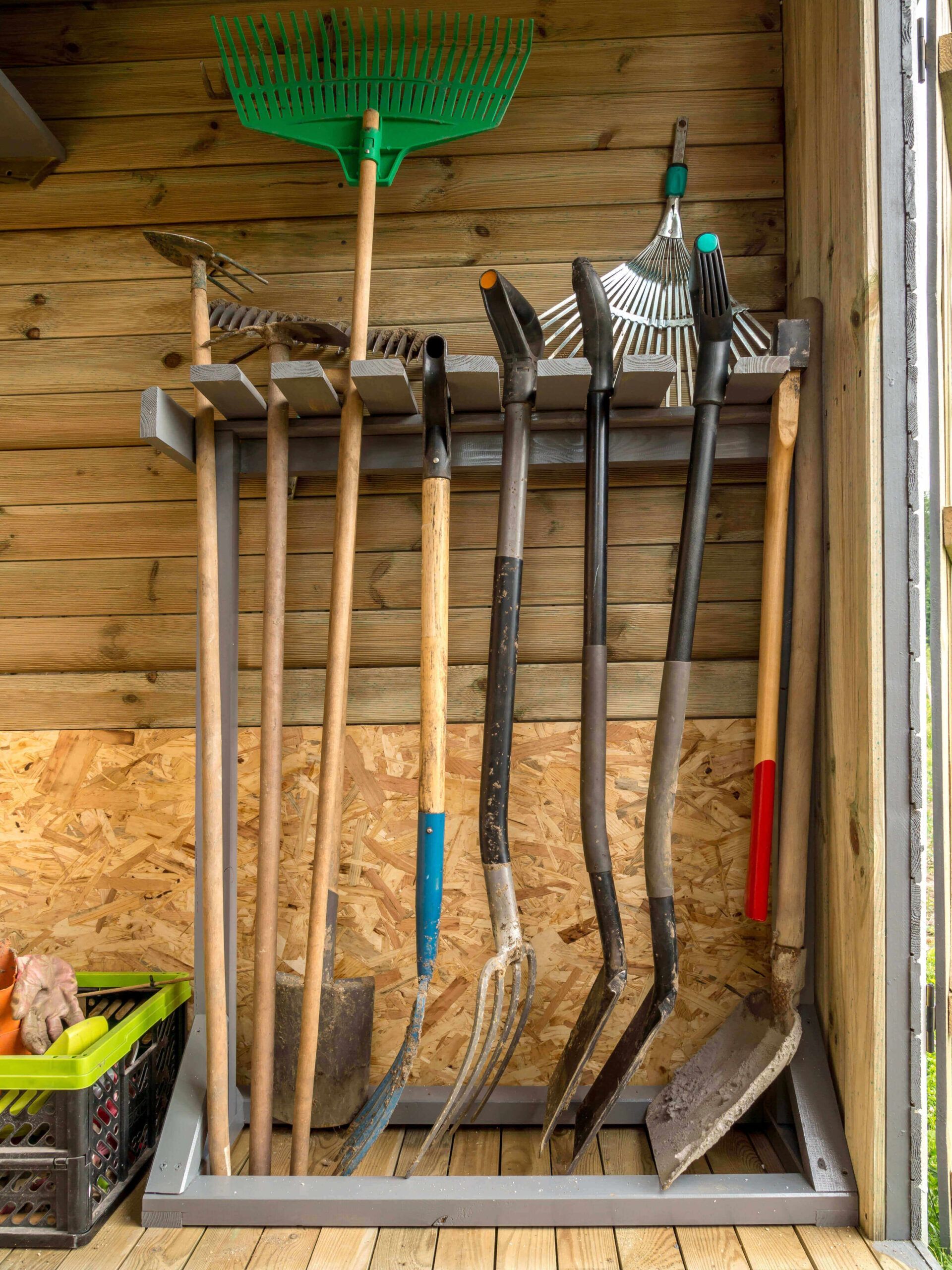
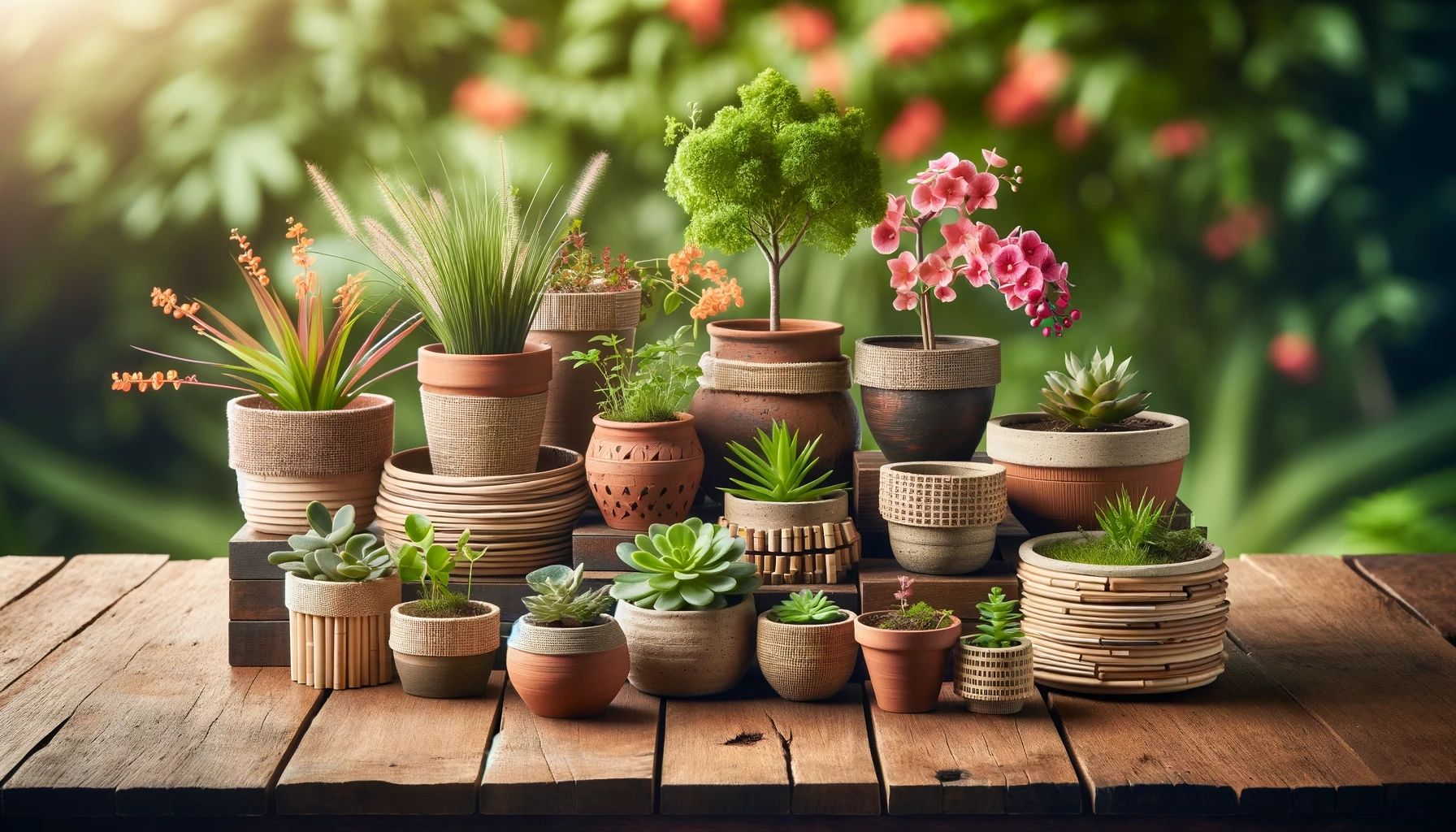
When it comes to storage, we often think about space and convenience. But what if your storage choices could also help the planet? This isn’t just about trendy eco-labels or flashy marketing. It’s about finding practical, effective ways to store your things while protecting our environment. Whether you’re looking for a new garage storage system or trying to organize your home office, there are smart options that work better for everyone.
Let’s face it – we all have stuff. Boxes, tools, seasonal items, old furniture, and countless other things that pile up in our homes and workplaces. The challenge is finding ways to store them that don’t add to the environmental burden. Traditional storage methods often mean more packaging waste, energy-heavy manufacturing, and products that don’t last. But sustainable storage isn’t just a buzzword anymore. It’s becoming a practical necessity. We’re talking about solutions that are built to last, made from renewable resources, and designed to reduce our overall impact on the planet. The question isn’t whether we can do it – it’s how we can make it work for us, right now.
Understanding What Makes Storage Sustainable
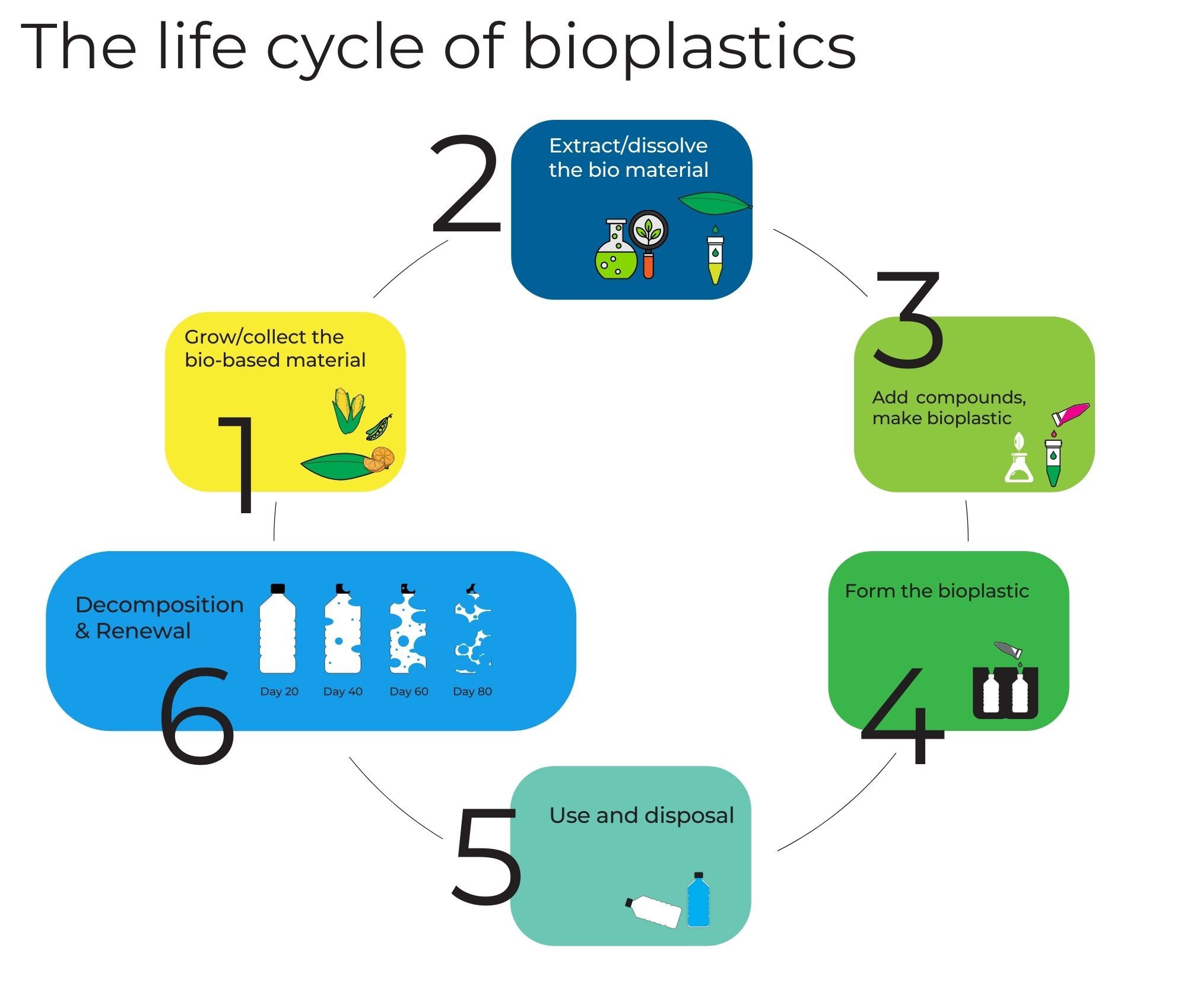
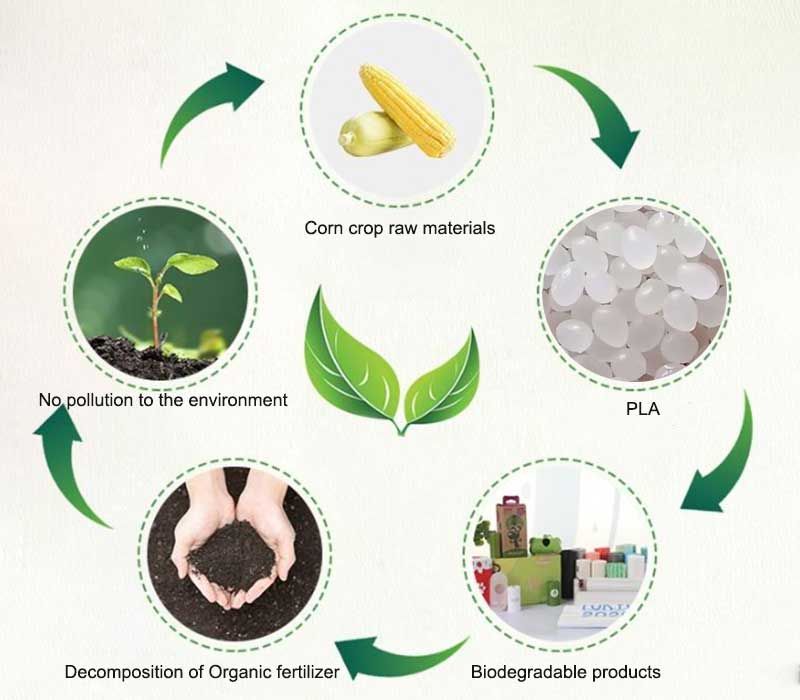
Sustainable storage goes beyond just using recycled materials. It means considering the entire lifecycle of the product. How was it made? What resources did it consume? How will it be disposed of when it’s no longer useful? The best sustainable storage options are those that are durable, repairable, and recyclable. Think about it this way: if you invest in storage that lasts ten years instead of two, you’ve already saved resources and reduced waste. You might pay a bit more upfront, but you’re saving money and the environment over time.
Some key factors to look for include:
• Materials sourced responsibly
• Products designed for longevity
• Options that can be repaired rather than replaced
• Packaging that’s minimal or recyclable
• Items that can be easily recycled at end-of-life
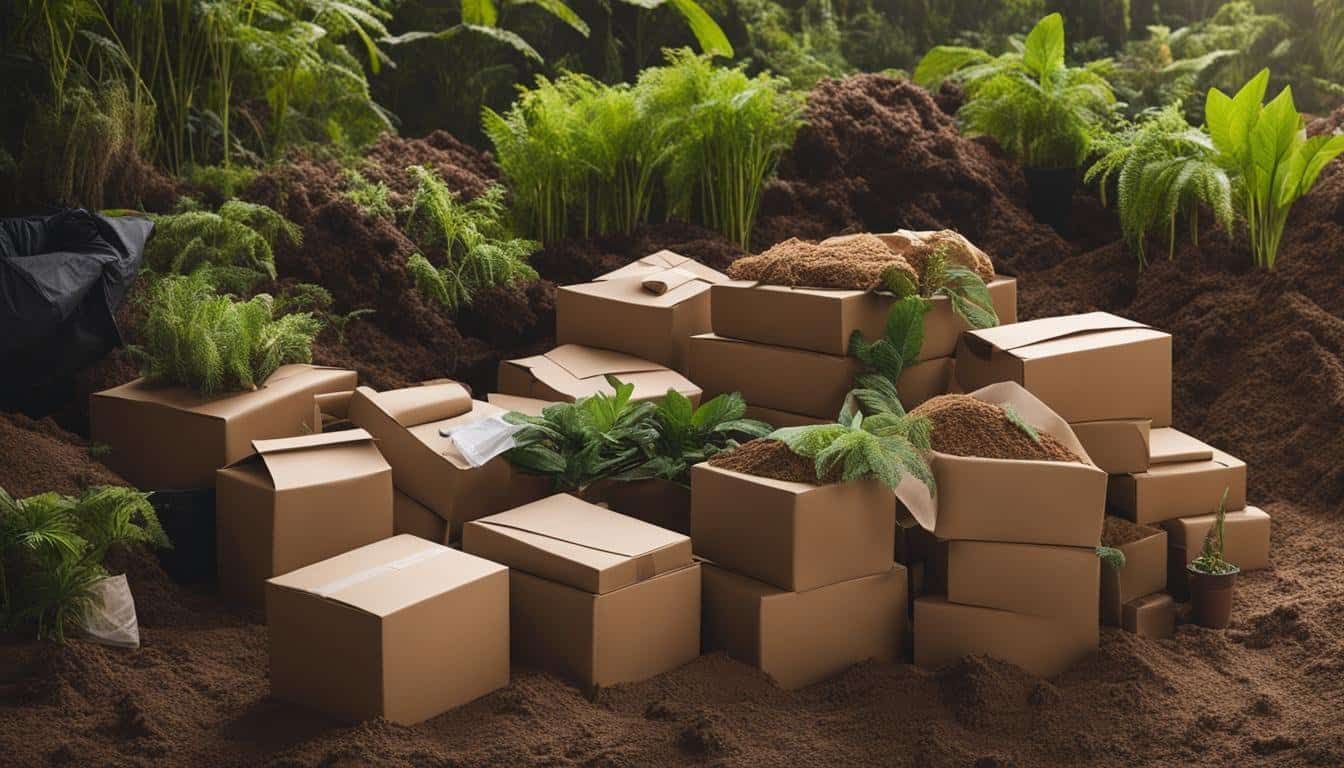
For example, wooden storage units made from reclaimed timber are a great choice because they’re both strong and environmentally conscious. They’ve already been used once, so they don’t require new harvesting. Plus, wood naturally decomposes and can be composted or reused.
The Power of Reusable and Modular Systems
Modular storage systems are one of the most flexible and sustainable approaches available today. These systems allow you to adapt storage solutions as your needs change, rather than buying new storage every few years. When you need more space, you simply add components. When you need less, you remove them. No waste, no extra cost.
Reusable storage containers are another big win. Instead of buying new boxes every time you move or organize, invest in quality containers that you can use over and over. Look for ones made from recycled plastic or sturdy cardboard that can handle multiple trips. Many companies now offer rental programs for storage containers, which is a clever way to reduce consumption.
These systems also tend to be more versatile. A modular shelving unit can become a bookcase, a pantry organizer, or even a room divider. That kind of adaptability means you’re getting more value from each purchase. It’s like having one investment that grows with your needs.
Consider how much space you really need versus how much you think you’ll need. Often, we buy too much storage upfront, and then we’re left with unused spaces that take up room and resources. Modular systems let you start small and scale up gradually.
Materials That Matter: Wood, Metal, and Beyond
When choosing sustainable storage, the material matters. Different materials have different impacts on the environment, and some are clearly better than others. Wood, particularly from responsibly managed forests, offers excellent durability and biodegradability. Look for FSC-certified wood, which ensures that the timber comes from forests managed with environmental and social responsibility.
Recycled metal is another solid option. Steel and aluminum can be recycled indefinitely without losing quality. If you’re looking for something strong and long-lasting, recycled metal storage solutions are worth considering. They’re particularly good for heavy items or outdoor storage.
Plastic storage options are more complex. While some plastics are recyclable, many aren’t. Look for containers labeled as recyclable or made from recycled materials. Avoid single-use plastics or those that are difficult to separate for recycling. Some manufacturers now offer plastic storage made from recycled bottles or other post-consumer waste.
Bamboo is gaining popularity as a sustainable alternative to traditional wood. It grows incredibly fast and requires minimal resources to harvest. Bamboo storage units are often lighter than hardwood options but still quite sturdy. They’re also naturally pest-resistant, which reduces the need for chemical treatments.
Energy Efficiency and Smart Storage Design
Sustainable storage isn’t just about the materials – it’s also about how you use space. Smart design can reduce energy consumption in several ways. For instance, storage solutions that improve organization reduce the time spent searching for items, which means less energy spent on lighting and movement. Better organization also helps prevent damage to stored items, reducing the need to replace things.
Think about how you access your storage. If you frequently reach into deep shelves or need to climb ladders to get items, you’re using more energy and risking injury. Good storage design makes everything accessible without unnecessary effort. Pull-out drawers, adjustable shelves, and well-lit storage areas are all part of energy-efficient thinking.
Modern sustainable storage often includes features that support energy conservation. Some storage units incorporate LED lighting that uses less power. Others are designed to maximize natural light, reducing the need for artificial lighting during daylight hours. Even simple things like proper ventilation in storage areas can help prevent mold and mildew, which means fewer replacements and less waste.
Consider the location of your storage. If you’re storing things in a garage or basement, make sure it’s well-ventilated and properly insulated. This can make a big difference in maintaining item condition and reducing energy costs.
Lifecycle Thinking and End-of-Life Planning
One of the most important aspects of truly sustainable storage is thinking about what happens after you’re done with it. The best sustainable storage solutions are designed with their entire lifecycle in mind. This means they’re built to last, they can be repaired, and they can be recycled or repurposed when they eventually reach the end of their useful life.
This approach requires looking beyond the purchase price. Yes, the initial cost might be higher, but consider the long-term value. A storage unit that breaks after six months means you’ve wasted resources and money. A well-made unit that lasts decades is a better investment for both your budget and the environment.
When planning your storage purchases, ask yourself: What will happen to this item when I no longer need it? Can it be repaired if it breaks? Can it be recycled or donated? Can someone else benefit from it?
Many communities now have programs for donating or recycling old storage furniture. Some companies offer take-back programs where you return old units for proper disposal or recycling. These systems are growing and becoming more convenient, making sustainable choices easier for consumers.
Another aspect is avoiding overconsumption. Before buying new storage, assess what you already have. Do you really need that extra shelf? Is your current storage adequate? Sometimes the most sustainable choice is simply using what you already own more efficiently.
Practical Tips for Everyday Implementation
Ready to start making sustainable storage choices? Here are some practical steps to get started:
• Start small – choose one area of your home or workspace to focus on first
• Research before buying – check certifications, materials, and company practices
• Consider secondhand options – thrift stores, online marketplaces, and community exchanges
• Look for multi-purpose items – storage that can serve different functions
• Plan ahead – think about how your needs might change in the future
• Take care of what you have – regular maintenance extends lifespan
• Support companies with sustainable practices – vote with your wallet
Real-world examples show that sustainable storage can be both affordable and effective. A family in Portland, Oregon, saved $400 annually by switching to modular storage that lasted longer than their previous plastic units. Another person in Austin, Texas, found that investing in a quality wooden storage cabinet eliminated the need for dozens of single-use boxes over five years.
Don’t wait for perfection. Every small step toward sustainable storage adds up. Whether it’s choosing a reusable container over a disposable one, or simply organizing your existing storage more effectively, these choices matter. The key is consistency and making choices that align with your values and lifestyle.
Sustainable storage isn’t just a trend – it’s a practical solution that works in real life. By focusing on durability, adaptability, and responsible materials, we can make storage choices that benefit both our lives and the planet. The best sustainable storage solutions are those that fit seamlessly into our daily routines while providing long-term value. Whether you’re starting fresh or upgrading existing storage, remember that every choice matters. The goal isn’t to be perfect, but to make progress. Choose storage that lasts, that works for you, and that helps protect the environment. That’s how we create lasting change through everyday decisions. It’s not rocket science, but it does take thoughtfulness and commitment. Start with what feels manageable, and build from there. The journey toward sustainable storage is a rewarding one, filled with practical benefits and positive environmental impact.