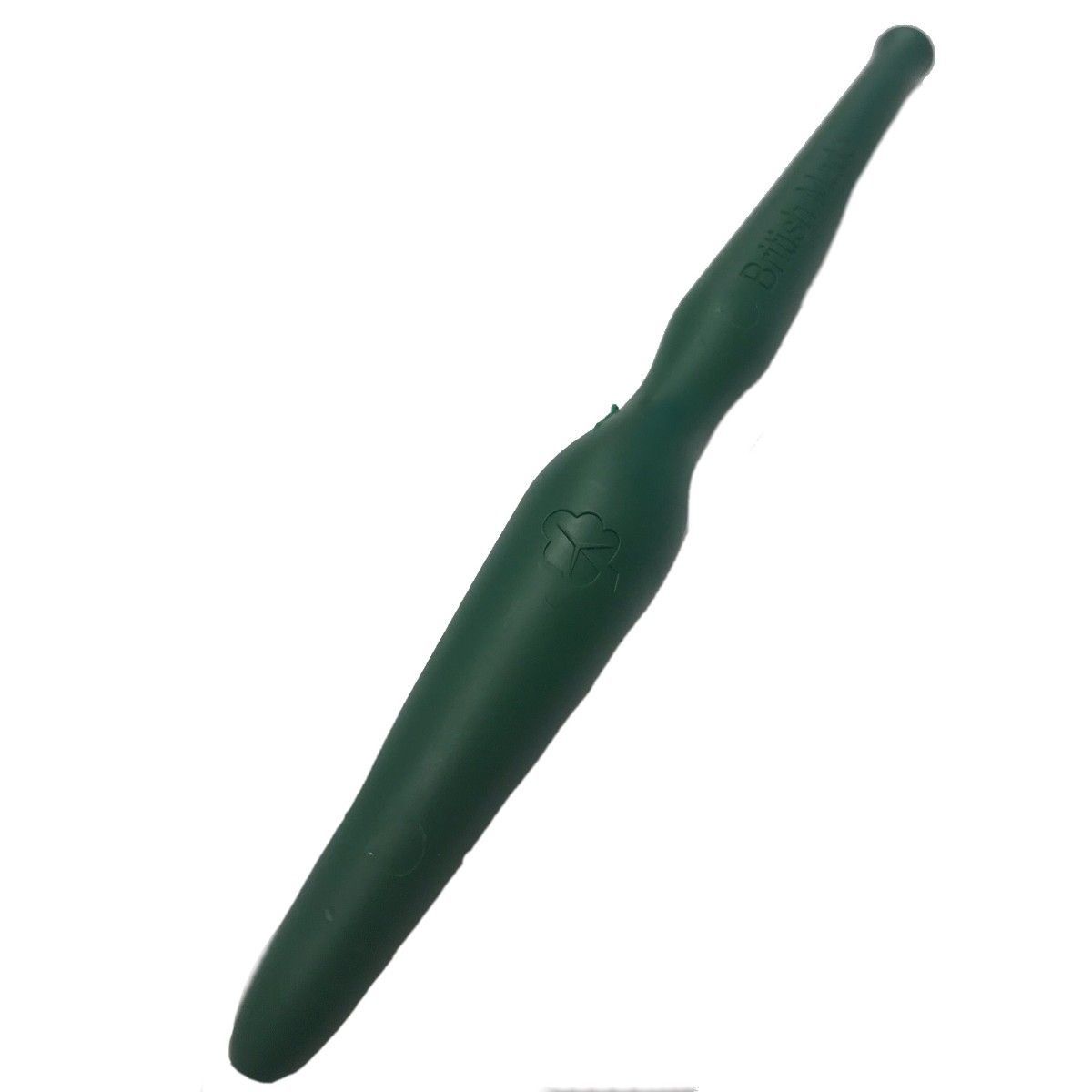
In the world of gardening, small tools can make a big difference. While metal dibbers have been the go-to choice for decades, a quiet revolution is happening in garden sheds across the country. Gardeners are discovering that recycled plastic dibbers offer benefits that traditional metal tools simply can’t match. This shift isn’t just about convenience – it’s about practicality, sustainability, and improved gardening experiences.
Picture this: a gardener kneeling in their vegetable patch, ready to plant seeds. They reach for their dibber – but what they pull out might surprise them. Instead of the familiar cold metal tool they’ve always used, they now hold something that feels different, lighter, and somehow more comfortable in their hands. This isn’t just a change in tool preference – it’s a fundamental shift in how gardeners approach their work. The reason? Recycled plastic dibbers are quietly taking over from their metal predecessors, and there’s good reason for it. These modern tools aren’t just new fads – they’re practical solutions that address real problems gardeners face every day. From rust prevention to ergonomic design, the advantages of plastic dibbers extend far beyond what meets the eye.
The Rust Problem That Plagues Metal Dibbers
Metal dibbers have one major flaw that gardeners know all too well: they rust. It’s not just an inconvenience – it’s a complete tool failure waiting to happen. When metal tools get wet, especially in the soil where they spend most of their time, oxidation begins. The process starts subtly with tiny spots of corrosion, then progresses to flaking rust that can eventually make the tool unusable.
Gardeners often find themselves replacing metal dibbers every few seasons because of rust damage. The cost adds up quickly – especially when you factor in the time spent trying to remove rust or the frustration of a tool that no longer works properly. One gardener mentioned that she’d lost three metal dibbers to rust in just two years, each replacement costing her about $8-12. That’s money that could go toward better seeds or compost instead.
In contrast, recycled plastic dibbers don’t rust. They’re designed to withstand moisture, soil conditions, and even the occasional rain shower without any damage. This durability means gardeners can focus on gardening rather than worrying about their tools deteriorating over time.
Weight Matters More Than You Think
Here’s something many gardeners don’t consider: the weight of their tools matters enormously. Metal dibbers can be surprisingly heavy, especially when you’re using them for extended periods. A typical metal dibber weighs around 4-6 ounces, which might not seem like much, but when you’re planting hundreds of seeds or transplants, that weight adds up.
Consider a gardener working in their raised bed for several hours during peak season. The repetitive motion of pushing the dibber into soil, combined with the weight of the tool, can cause fatigue in wrists, hands, and arms. Many gardeners report experiencing soreness after long gardening sessions, particularly if they have arthritis or previous injuries.
Recycled plastic dibbers are significantly lighter – often weighing less than 2 ounces. This might seem like a small difference, but it makes a world of difference during long gardening days. One experienced gardener shared how switching to plastic dibbers helped reduce wrist pain she’d been dealing with for years. She said the lighter weight meant she could work longer without discomfort, and the tool felt more responsive in her hands.
Plus, the lighter weight makes them easier to handle for children or older gardeners who might struggle with heavier metal tools. It’s a simple change that opens up gardening to more people.
Ergonomic Design Makes a Real Difference
Modern plastic dibbers are designed with ergonomics in mind. Unlike traditional metal dibbers that were often made with little thought to comfort, today’s plastic versions feature thoughtful grips and shapes that work better with human hands. The handles are often contoured to fit naturally in your grip, reducing the chance of slipping or developing calluses.
The shape of a plastic dibber often allows for better leverage when pushing into hard soil. Many models feature a slightly curved or angled tip that helps guide the tool straight down into the ground, reducing the effort needed to create holes. Some even have textured surfaces on the handle to provide extra grip, especially when hands are sweaty or dirty.
One gardener who switched from metal to plastic dibbers noted that the difference was immediately noticeable. "I used to have to grip the metal dibber very tightly to get enough force to push it into compacted soil," she explained. "With the plastic version, I can work with less effort and still get the job done."
This ergonomic advantage isn’t just about comfort – it’s about efficiency. When tools are easier to use, gardeners can work faster and with less fatigue, leading to better results overall.
Sustainability and Environmental Impact
The environmental angle is becoming increasingly important to gardeners. Many people are looking for ways to reduce their ecological footprint, and tool choices play a part in that decision-making process. Metal dibbers are made from raw materials that require significant energy to extract and process. The mining and manufacturing processes have environmental consequences that many gardeners want to avoid.
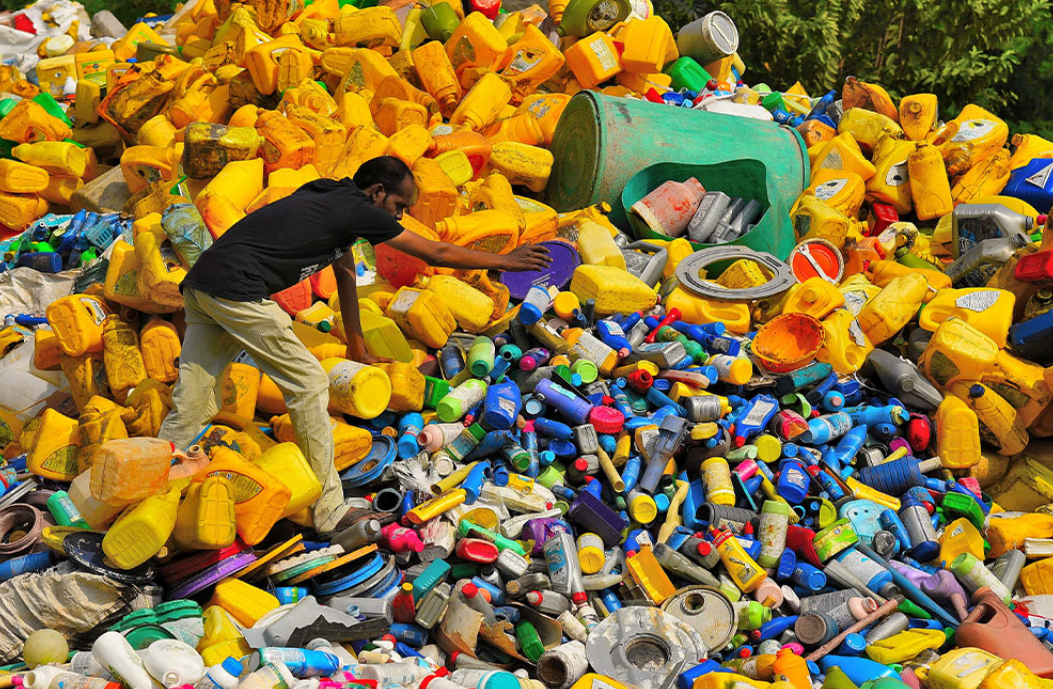
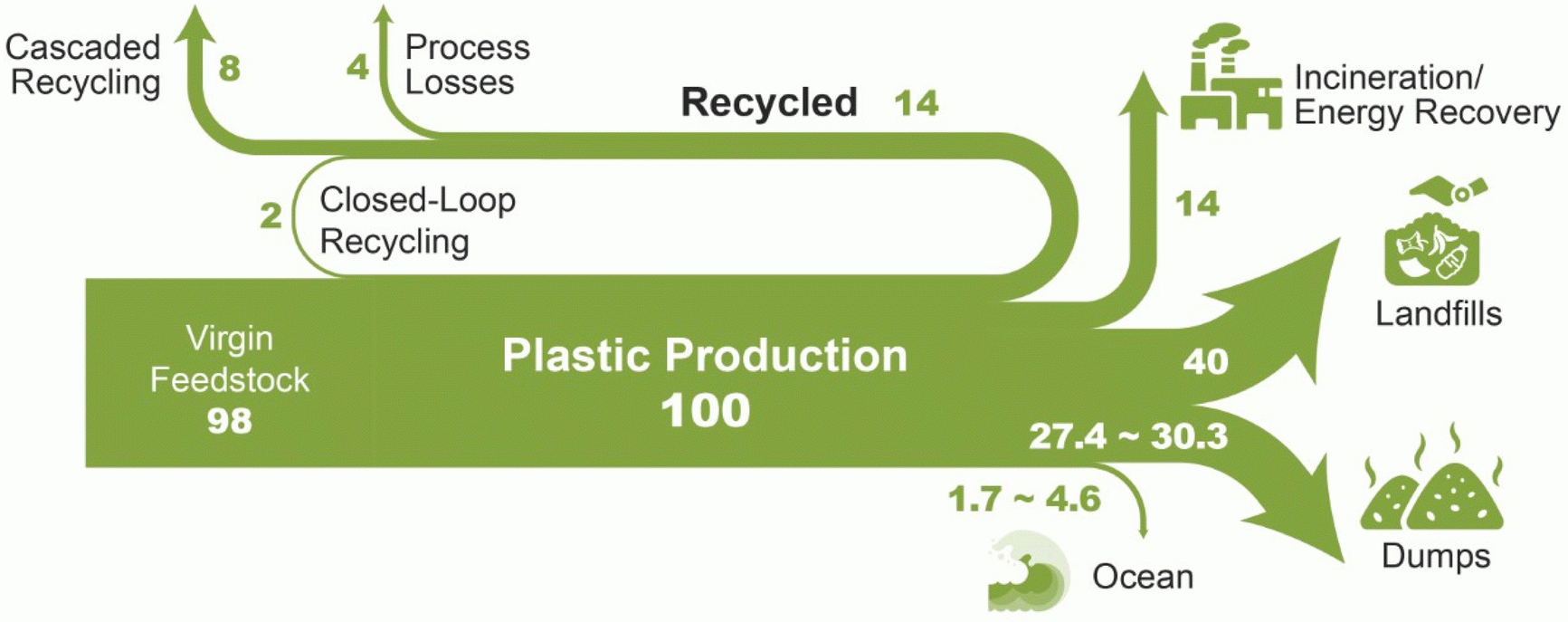
Recycled plastic dibbers address this concern directly. They’re made from post-consumer waste plastics that would otherwise end up in landfills. By choosing these tools, gardeners are helping divert waste from disposal sites while getting a functional product. One study showed that producing recycled plastic tools uses approximately 50% less energy than manufacturing identical items from virgin materials.
The environmental benefits don’t stop there. Plastic dibbers last longer than metal ones in terms of functionality, meaning fewer replacements are needed over time. They don’t rust, break easily, or require frequent replacement. This longevity reduces the overall environmental impact of gardening tools.
Many gardeners feel good about making an environmentally conscious choice. As one community gardener put it, "It feels right to know that my tools are helping reduce waste rather than contributing to it. Plus, they work just as well as the metal ones I used to buy."
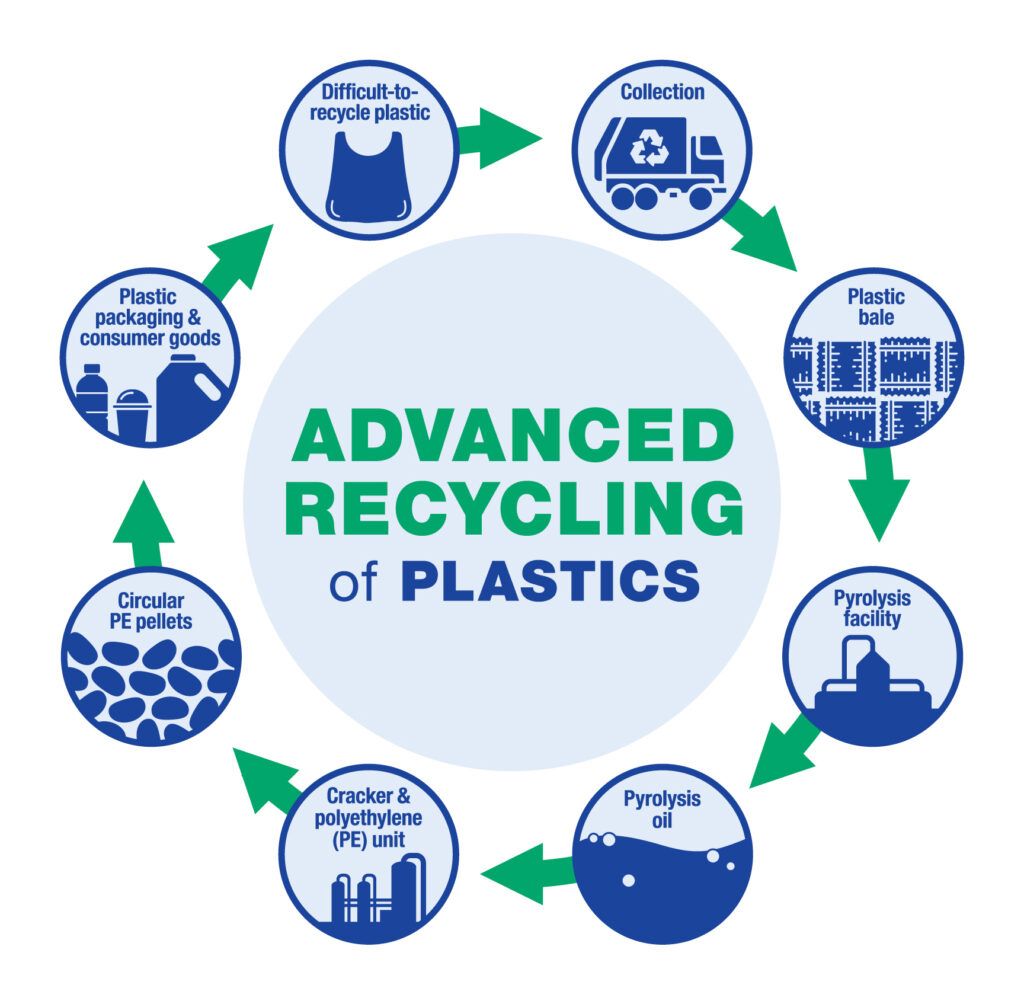
The sustainability aspect also includes the fact that plastic dibbers can be recycled again at the end of their useful life, creating a cycle that supports environmental responsibility.
Cost Effectiveness Over Time
When you look at the long-term costs of gardening tools, plastic dibbers often prove more economical than metal ones. Yes, they might cost a bit more initially – typically ranging from $3 to $8 compared to $2 to $5 for basic metal dibbers. But the savings become apparent over time.
Metal dibbers often need replacement every couple of years due to rust, wear, or damage. If a gardener goes through three metal dibbers in five years, that’s $15-25 spent on tools alone. With plastic dibbers, the expectation is they’ll last much longer – sometimes 10+ years with regular use.
One gardener tracked her expenses over three years and found that she spent $20 on metal dibbers, including replacements, while spending only $12 on plastic dibbers over the same period. She also saved on the time spent cleaning and maintaining metal tools, plus the frustration of dealing with rusted or broken equipment.
Additionally, plastic dibbers often come with warranties or guarantees that cover manufacturing defects. This gives gardeners peace of mind knowing they won’t be left with a broken tool when they need it most. The initial investment pays off in reduced replacement costs and less hassle.
Versatility and Performance in Different Conditions
Gardeners work in various conditions, and tools must adapt. Metal dibbers can be problematic in certain environments. In extremely hot weather, they become uncomfortably warm to touch. Cold weather makes them feel icy, which can be a problem for gardeners who work early in the morning.
Plastic dibbers maintain a comfortable temperature regardless of weather conditions. They don’t conduct heat or cold like metal does, making them more pleasant to handle year-round. This is especially helpful in climates with extreme temperature variations.
Another advantage is performance in different soil types. Metal dibbers can bend or deform when used in particularly hard or rocky soil. Plastic dibbers maintain their shape better under pressure. Some models are specifically designed to handle tough soil conditions while others excel in softer garden beds.
The versatility extends to storage and transportation. Plastic dibbers don’t rust or corrode, so they can be stored in damp areas without worry. They’re also lighter and take up less space in toolboxes or storage containers.
A gardener in a particularly challenging climate shared how plastic dibbers worked better for her situation. "We get heavy rains and very dry spells in our area," she explained. "The metal dibbers would get stuck in the clay soil when it was wet, and they’d rust in the dry conditions. My plastic dibbers handle both extremes perfectly.
The shift toward recycled plastic dibbers represents more than just a tool preference – it’s a reflection of how gardeners are adapting to modern realities. From addressing practical issues like rust and weight to embracing environmental responsibility and cost-effectiveness, plastic dibbers offer compelling advantages over traditional metal tools. While some gardeners may still prefer the familiarity of metal, the evidence suggests that plastic dibbers are meeting real needs in ways that matter to gardeners everywhere. Whether you’re a seasoned gardener or someone just starting out, considering recycled plastic dibbers might be the best decision for your garden and your wallet. The future of gardening tools looks promising, and it’s increasingly made of recycled materials that serve us well while helping protect our planet.