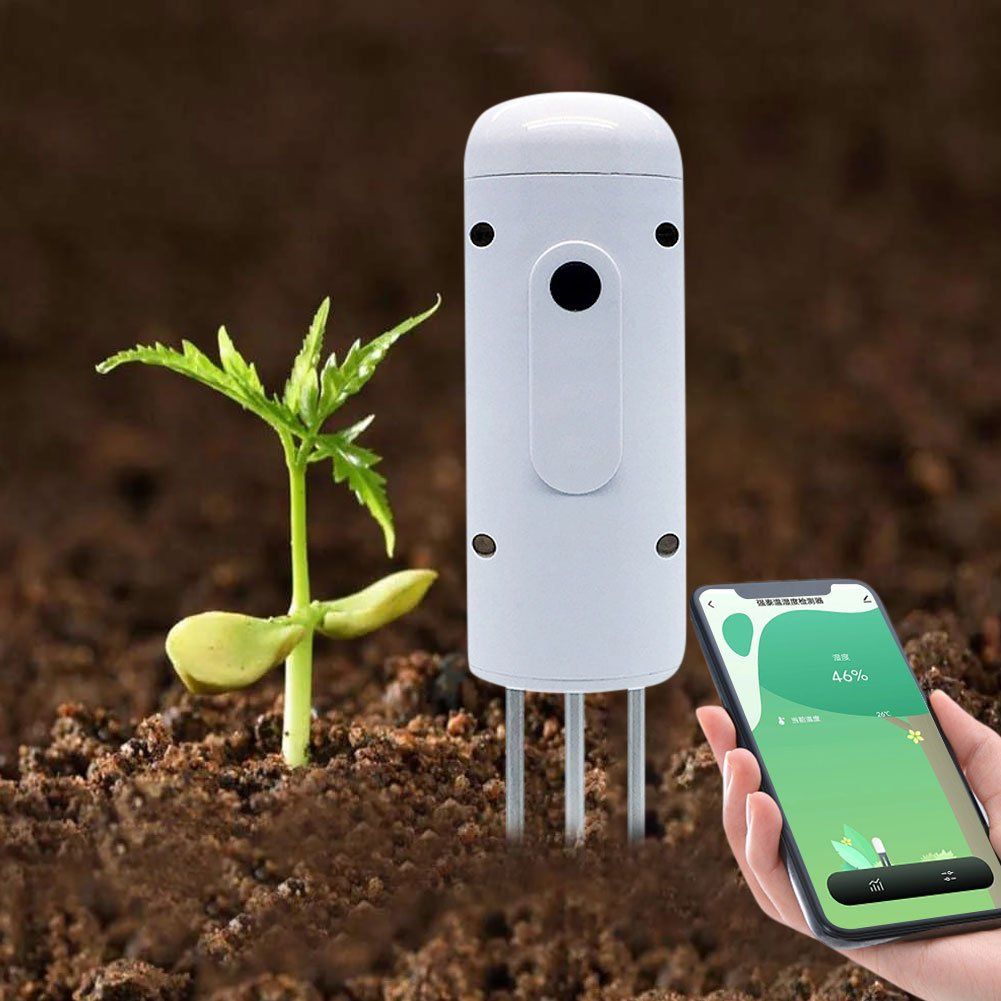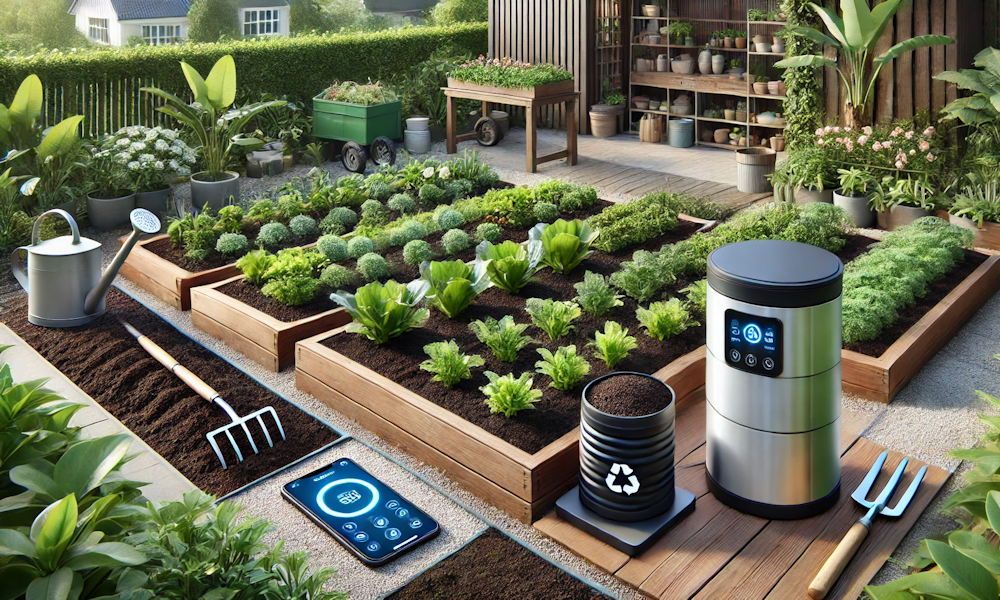
Picture this: You’re standing in your garden, hands covered in dirt, wondering if your plants are getting enough water. No more guessing games. Enter the eco-friendly soil moisture meter – a small device that could change everything about how you care for your green friends. These clever gadgets don’t just tell you when to water; they help you become a better steward of the earth’s resources.
Every gardener knows the eternal struggle of knowing when to water their plants. Too little water, and your green companions wilt and suffer. Too much, and you risk drowning them in a sea of soggy soil. This ancient dilemma has led to countless lost harvests and frustrated gardeners. But what if there was a smarter way? What if technology could help us become better gardeners while being kinder to our environment? Enter the world of eco-friendly soil moisture meters – devices that combine precision with sustainability to revolutionize how we tend to our gardens. These aren’t just fancy gadgets; they’re practical solutions that align with our growing awareness of environmental responsibility.
What Makes a Soil Moisture Meter Eco-Friendly?
Eco-friendly soil moisture meters go beyond simply measuring water content in soil. They’re designed with sustainability in mind from the ground up. The most environmentally conscious versions often use solar power, rechargeable batteries, or even kinetic energy from movement. Some models feature biodegradable components or materials sourced from recycled content. The key is that these devices don’t just measure moisture – they minimize environmental impact while maximizing gardening success.
Consider the difference between a standard plastic meter that needs frequent battery replacements and one that harnesses solar energy. The latter reduces electronic waste and eliminates the need for disposable batteries. Plus, many eco-friendly models are built to last longer, reducing the frequency of replacements and further decreasing environmental footprint. The materials used often include recycled plastics or sustainable alternatives that don’t compromise performance.
The Science Behind Soil Moisture Measurement
Soil moisture meters work by measuring the electrical conductivity of soil. Water conducts electricity better than air or soil particles, so the device sends a small electrical current through the soil and measures how easily it flows. This measurement translates into a percentage or reading that indicates soil moisture levels.
But here’s something interesting – different plants have different moisture preferences. Tomatoes love soil that’s consistently moist but not soggy, while succulents prefer dry conditions between watering sessions. Understanding these nuances helps gardeners tailor their approach rather than following a one-size-fits-all watering schedule.
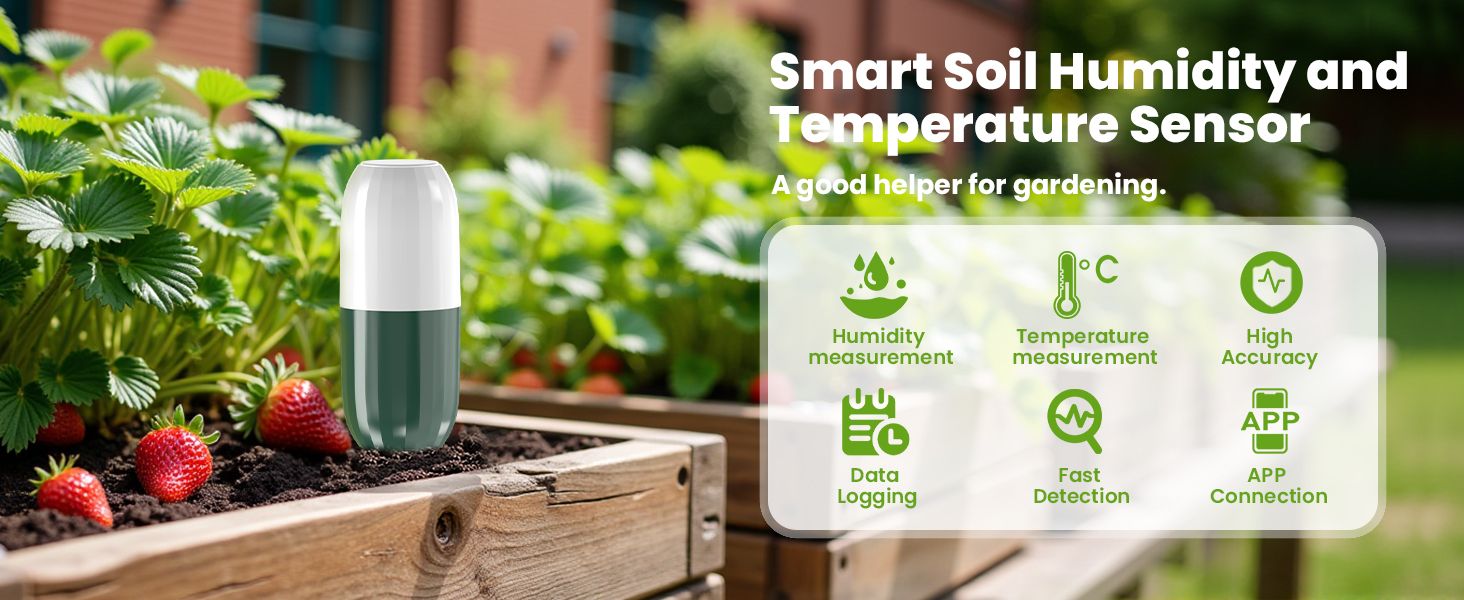
Modern eco-friendly meters often provide multiple readings and can even store historical data. This allows gardeners to spot patterns and trends over time, helping them understand their plants’ specific needs better than ever before.
Benefits Beyond Just Watering Decisions
These smart devices offer advantages that extend far beyond preventing over or under-watering. They help gardeners develop a deeper connection with their plants by providing real-time feedback on soil conditions. This information leads to healthier root systems, better nutrient absorption, and ultimately more robust plant growth.
Many users discover that their plants respond positively to consistent moisture levels, resulting in fewer pest problems and disease issues. When soil stays within optimal ranges, plants can focus their energy on growth rather than stress responses. Additionally, the data collected can help gardeners optimize fertilizer application timing, as nutrients are more effectively absorbed when soil moisture is appropriate.
Some gardeners find that using these meters actually reduces their overall water consumption, which becomes particularly important during drought periods or in areas with water restrictions. The precision prevents wasteful overwatering while ensuring plants receive adequate hydration.
Choosing the Right Eco-Friendly Model
With so many options available, selecting the right eco-friendly soil moisture meter requires considering several factors. First, think about your gardening setup. Are you working with potted plants, raised beds, or traditional garden beds? Different meters may work better in different environments.
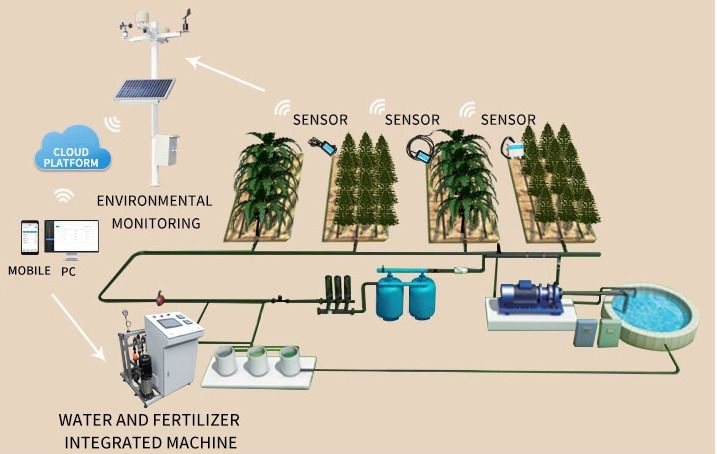
Battery life and power source matter significantly. Solar-powered models are ideal for outdoor use, while those with rechargeable batteries work well for indoor gardening or for gardeners who prefer convenience. Look for meters that offer wireless connectivity or smartphone app integration – these features allow you to track data over time and receive alerts when conditions change.
Durability and weather resistance are essential for outdoor use. Check reviews for information about how well the device handles various weather conditions, from heavy rain to intense sun exposure. Some models are specifically designed for harsh outdoor environments, while others might be better suited for greenhouse or indoor applications.
Cost considerations vary widely, but remember that investing in a quality eco-friendly meter can save money over time through reduced water usage and healthier plants that require less intervention.
Real-Life Gardens That Have Transformed
Take Maria’s story from California’s drought-prone region. She started using an eco-friendly soil moisture meter three years ago after struggling with her vegetable garden. Initially skeptical, she found that her tomato plants were thriving while using 40% less water than before. The meter helped her realize that her plants weren’t always thirsty, and she was watering too frequently.
In urban settings like New York City, apartment dwellers have embraced these devices for their indoor herb gardens. Sarah, a busy professional, discovered that her basil and parsley plants were dying from overwatering. The soil moisture meter revealed that she had been watering every two days when her plants actually needed water only once per week.
Even community gardens have seen remarkable improvements. The Riverside Community Garden in Portland installed shared eco-friendly meters throughout their plots. Gardeners reported better crop yields and significantly reduced water bills. The meters also helped new gardeners learn proper watering techniques, creating a learning environment that benefited everyone.
Maintenance and Longevity Tips
Like any garden tool, eco-friendly soil moisture meters require some care to function properly over time. Regular cleaning helps maintain accuracy, especially if the device is exposed to soil particles or debris. Most meters can be wiped clean with a damp cloth, but check manufacturer instructions for specific cleaning recommendations.
Calibration is another crucial aspect of maintenance. Over time, sensors can drift slightly, affecting readings. Many modern meters have self-calibration features, but manual calibration procedures are often available for more precise adjustments.
Storage during off-seasons is important for longevity. Keep meters in dry locations away from extreme temperatures. For outdoor models, consider protective cases or storage solutions that prevent damage from weather elements.
Replacing parts when necessary helps extend the life of these devices. Battery replacements, sensor covers, and protective casings are often available separately, allowing gardeners to maintain their meters rather than replacing entire units.
Eco-friendly soil moisture meters represent more than just technological advancement – they embody a shift toward mindful gardening practices that respect both our plants and our environment. These devices empower gardeners to make informed decisions based on actual soil conditions rather than guesswork or tradition. As we face increasing environmental challenges, tools that promote efficiency and sustainability become invaluable.
Whether you’re a seasoned gardener looking to refine your techniques or someone just beginning your green journey, these meters offer practical benefits that translate directly into healthier plants and reduced resource consumption. The investment in an eco-friendly soil moisture meter isn’t just about improving your garden – it’s about becoming part of a larger movement toward sustainable living. With proper care and understanding, these devices can serve as reliable partners in your gardening endeavors for years to come, helping you cultivate not just plants, but also a deeper appreciation for the delicate balance of nature.