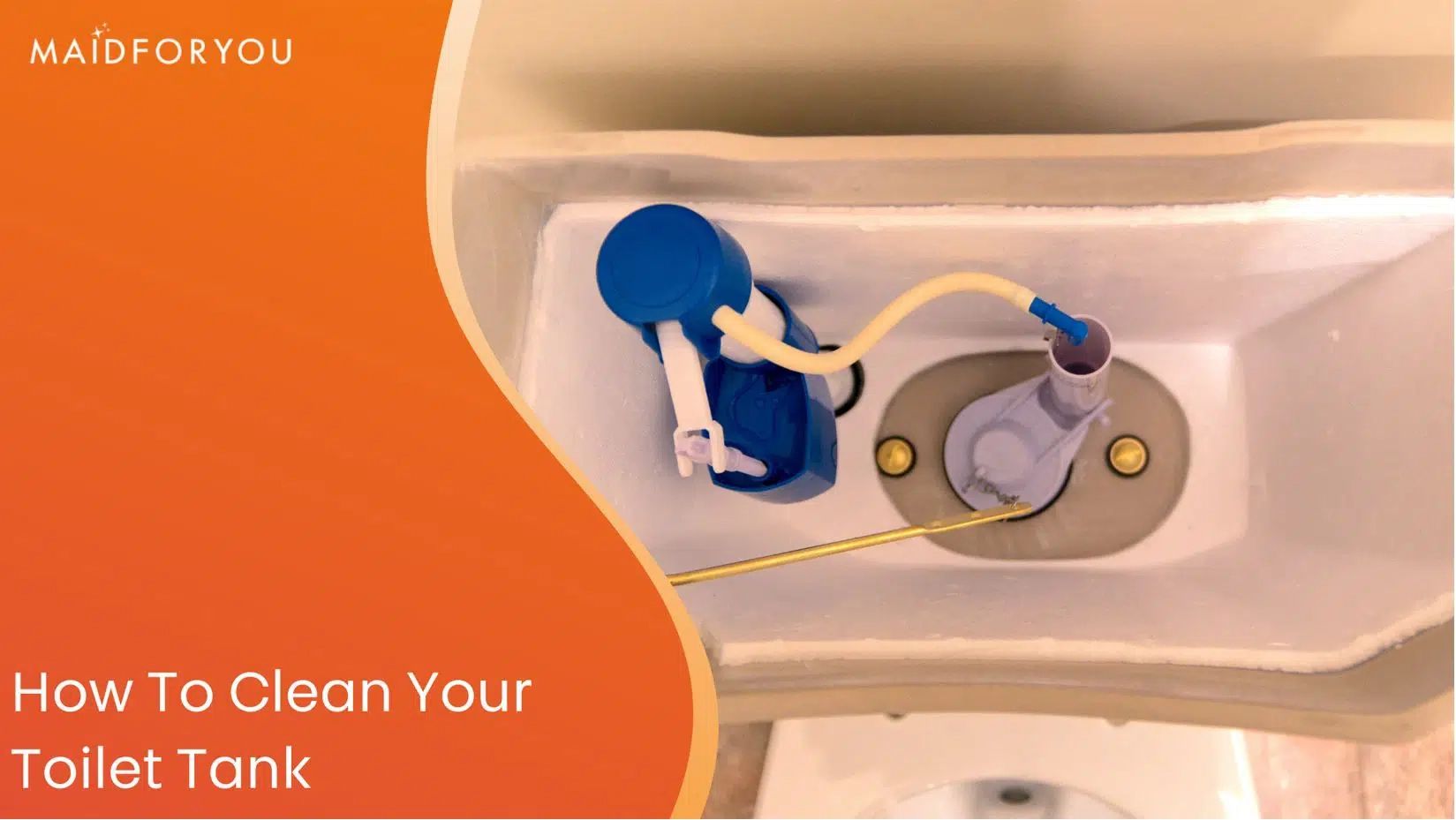
Picture this: you’re about to use the bathroom when you catch a whiff of something less than pleasant. It’s not just the bowl that needs attention – your toilet tank might be harboring more than just water. We all know that keeping our toilets clean isn’t just about aesthetics; it’s about health and hygiene too. The good news? You don’t have to rely on chemical-heavy cleaners to keep your toilet tank fresh and sanitized. In fact, there are several natural solutions that work just as well – and they’re much better for your family and the environment.
Every day, we interact with surfaces that may seem harmless but actually carry a surprising amount of germs and bacteria. Your toilet tank, often overlooked in our cleaning routines, can become a breeding ground for unwanted microorganisms if not properly maintained. While commercial toilet cleaners promise fresh-smelling tanks, they often contain chemicals that can be harmful to your health and the planet. What if you could keep your toilet tank clean and fresh using simple, natural ingredients you probably already have in your home? This approach not only protects your family but also helps reduce environmental impact. Let’s explore how you can naturally sanitize your toilet tank while keeping it smelling fresh and clean.
Understanding Toilet Tank Contamination
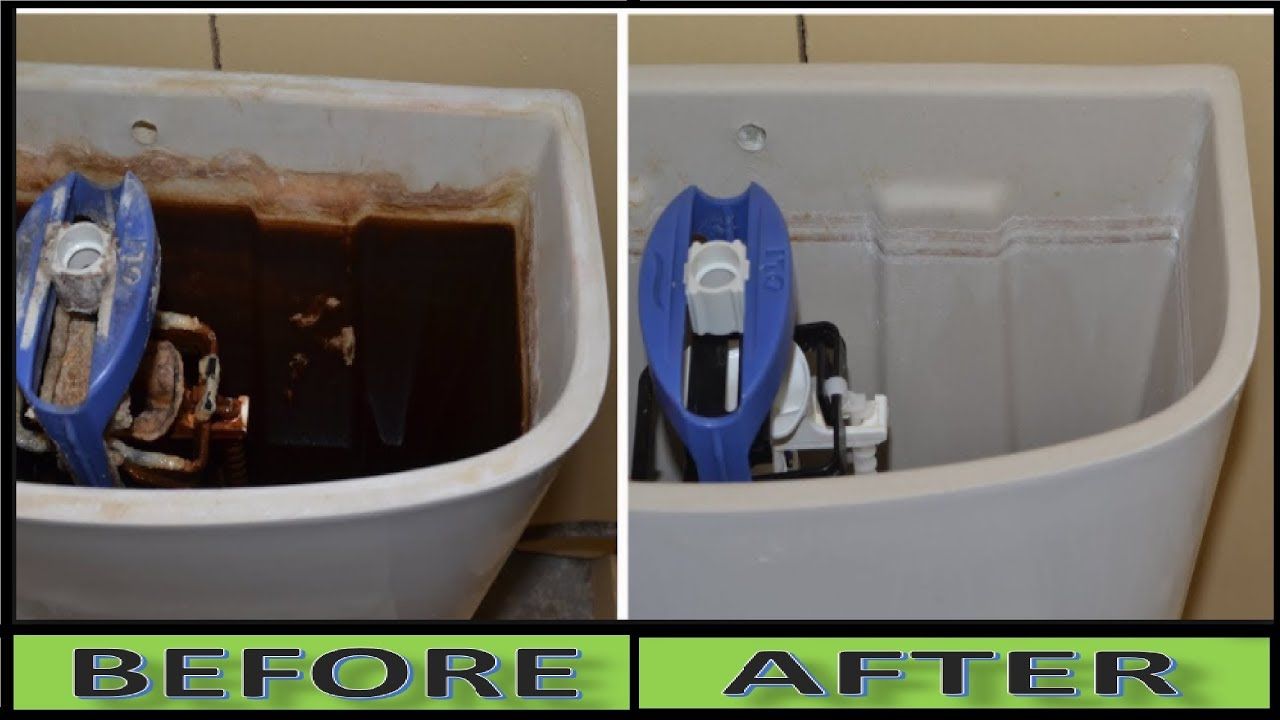
Before diving into solutions, it’s important to understand what happens inside your toilet tank. The tank is constantly exposed to air and water, creating conditions that can promote bacterial growth. Even though the tank itself isn’t directly used for personal hygiene, it’s still part of the sanitation system. Water in the tank contains minerals, organic matter, and sometimes even traces of contaminants from the water supply. These elements combine to form biofilms and deposits that can cause discoloration, odors, and even affect the flushing mechanism. It’s not uncommon to find mold, mildew, and various types of bacteria thriving in these environments. Regular maintenance becomes essential because once contamination sets in, it can be challenging to eliminate completely. The problem is often more subtle than visible stains – it’s about maintaining optimal conditions to prevent harmful microorganisms from taking hold. Understanding this helps us appreciate why natural cleaning methods can be particularly effective. They work by disrupting bacterial growth rather than simply masking odors. Plus, many natural solutions offer additional benefits like deodorizing properties and gentle cleaning action. For instance, vinegar’s acidic nature creates an environment hostile to many bacteria, while hydrogen peroxide acts as a powerful oxidizer that breaks down organic matter. These approaches address the root causes of contamination rather than just treating symptoms.
The Power of Vinegar for Toilet Tank Cleaning
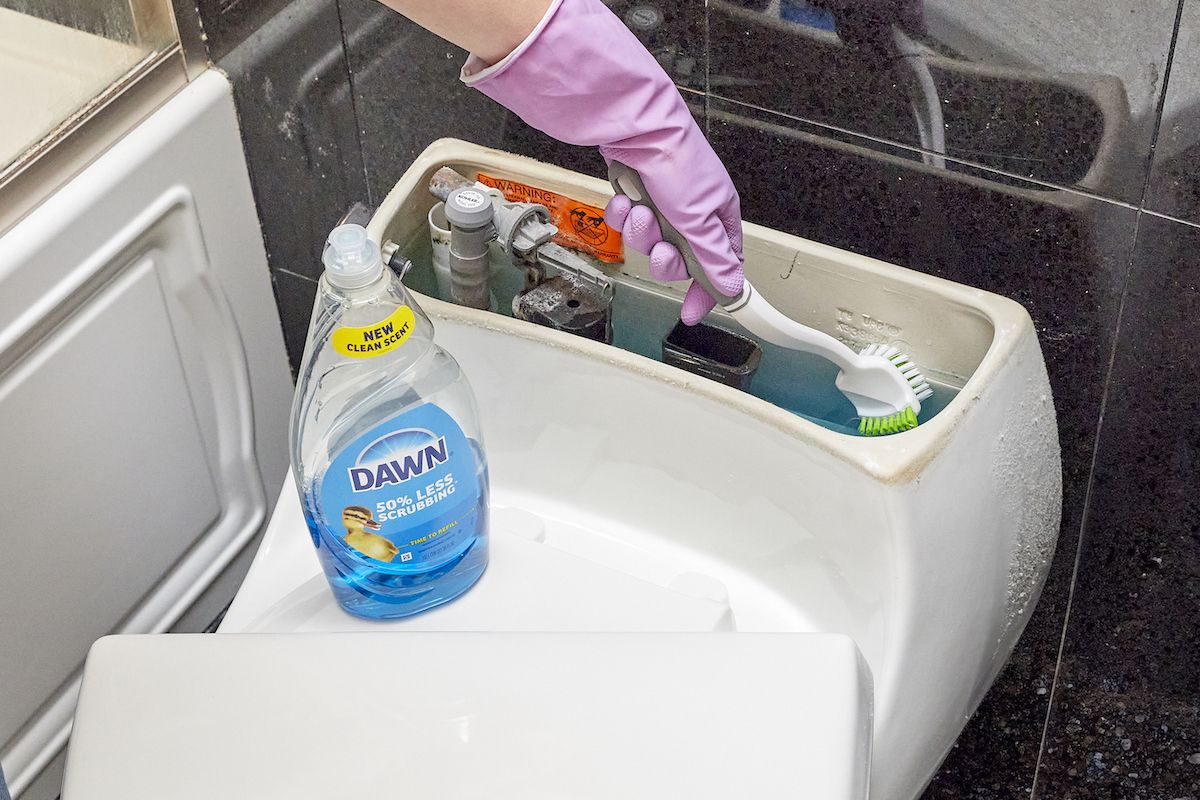
Vinegar, specifically white distilled vinegar, stands out as one of the most effective and versatile natural cleaners for toilet tanks. Its acidity makes it particularly useful against mineral deposits, bacteria, and odors. When you pour vinegar into your tank, it helps dissolve lime scale, calcium buildup, and other mineral residues that accumulate over time. These deposits aren’t just unsightly – they can interfere with proper flushing mechanisms and contribute to unpleasant smells. The acetic acid in vinegar works by breaking down these stubborn deposits, making them easier to flush away. Beyond cleaning, vinegar also acts as a natural disinfectant. It’s effective against many common bacteria and viruses that might be present in the tank water. For best results, fill your tank with a mixture of equal parts vinegar and water. Let it sit for at least 30 minutes before flushing. This allows the solution enough time to work on any buildup. You can also add a cup of vinegar directly to the tank and let it sit overnight. Many users report immediate improvements in tank freshness after this treatment. The process is simple, safe, and doesn’t involve any harsh chemical fumes that might irritate your respiratory system. Plus, vinegar leaves behind a fresh scent that’s far more pleasant than artificial fragrances found in commercial products. Some people even use it as a regular maintenance routine, adding a small amount to their tank every few weeks to prevent buildup. It’s worth noting that while vinegar is generally safe for most toilet components, always check your manufacturer’s guidelines first. Some older tanks or specific materials might react differently to acidic solutions.
Hydrogen Peroxide: A Gentle Yet Effective Disinfectant
Hydrogen peroxide is another excellent natural option for sanitizing toilet tanks. Unlike bleach, which can be harsh and produce toxic vapors, hydrogen peroxide breaks down into water and oxygen, leaving no harmful residue. This makes it ideal for households with children or pets who might come into contact with cleaned surfaces. When added to a toilet tank, hydrogen peroxide works by releasing oxygen molecules that destroy bacteria, viruses, and fungi. It’s particularly effective against organic matter and can help eliminate foul odors at their source. The recommended approach is to add about a half-cup of 3% hydrogen peroxide directly to the tank. Allow it to sit for about 15-20 minutes before flushing. This gives the solution time to work on any microbial growth. One advantage of hydrogen peroxide is that it doesn’t leave behind any chemical smell after treatment. Instead, it creates a fresh, clean feeling. It’s also safe to use regularly without concern for damaging tank components. Many users find that combining hydrogen peroxide with vinegar creates a more potent cleaning solution. The combination enhances the cleaning power while maintaining the safety profile. However, it’s important to note that hydrogen peroxide can be corrosive to certain metals over time. If your tank has metal parts, ensure they’re compatible with hydrogen peroxide exposure. Always test a small area first if you’re unsure about compatibility. The cost-effectiveness of hydrogen peroxide is another plus – it’s affordable and readily available at most pharmacies and grocery stores.
Baking Soda for Odor Control and Surface Cleaning
Baking soda, or sodium bicarbonate, might be better known for its uses in cooking, but it’s actually a fantastic cleaning agent for toilet tanks. Its alkaline nature helps neutralize acids that cause odors, making it particularly useful for tackling persistent smells. When baking soda comes into contact with acidic compounds in the tank, it reacts to form salts and water, effectively reducing the odor-causing substances. This makes it an excellent addition to your regular cleaning routine. To use baking soda in your toilet tank, sprinkle about half a cup directly into the tank. Let it sit for several hours or overnight before flushing. The powder will help absorb moisture and neutralize odors throughout the tank. Baking soda also provides gentle scrubbing action when combined with water. It can help remove light mineral deposits and organic matter that might accumulate on tank surfaces. Many people notice a significant improvement in tank freshness after using baking soda. The treatment is especially helpful when used in conjunction with other natural cleaners like vinegar. Some users prefer to create a paste by mixing baking soda with a small amount of water and applying it to hard-to-reach areas of the tank. This paste can help tackle stubborn spots that regular flushing might miss. The beauty of baking soda lies in its versatility – it’s safe, non-toxic, and completely biodegradable. It won’t harm the environment or pose risks to your family members. Additionally, baking soda is inexpensive and widely available, making it easy to keep on hand for regular maintenance.
Lemon Juice as a Natural Deodorizer and Cleaner
Lemon juice brings both cleaning power and fresh fragrance to toilet tank maintenance. The citric acid in lemons is effective against bacteria and helps break down organic matter, making it a valuable addition to natural cleaning regimens. Beyond its cleaning capabilities, lemon juice provides a pleasant citrus scent that can mask unpleasant odors. This makes it particularly appealing for those who want their toilet tanks to smell fresh without artificial fragrances. When using lemon juice, you can either add fresh lemon juice directly to the tank or use lemon extract. For direct application, squeeze about half a cup of fresh lemon juice into the tank. Let it sit for 30 minutes before flushing. The acidity works to sanitize and deodorize simultaneously. Lemon juice is especially effective against certain types of bacteria that commonly cause toilet odors. It’s also gentle enough to use regularly without concern for damaging tank components. Many people appreciate that lemon juice adds a natural, fresh scent that lasts longer than synthetic alternatives. The juice also has natural antifungal properties, helping to combat mold and mildew growth. Some users find that adding a few drops of lemon essential oil along with the juice creates an even more potent deodorizing effect. The key is to use fresh lemon juice rather than bottled varieties, which often contain preservatives that might interfere with the cleaning process. Lemon juice works particularly well when combined with other natural cleaners, creating a synergistic effect that enhances overall effectiveness. The cost is minimal, and the results are noticeable within a single treatment cycle.
Regular Maintenance Practices for Long-Term Freshness
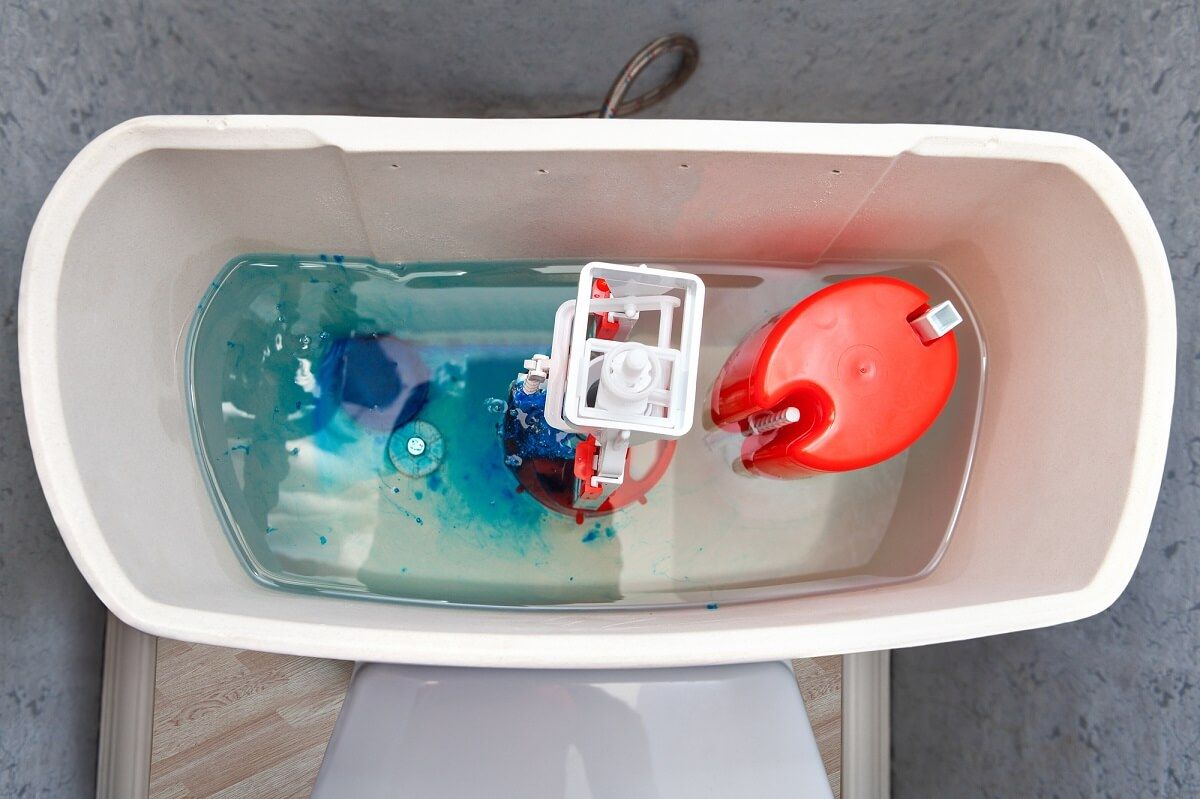
While natural cleaners are excellent for addressing immediate issues, regular maintenance is crucial for keeping your toilet tank consistently fresh. Think of it like taking care of a garden – consistent attention prevents problems from becoming serious. Establishing a simple routine can make a huge difference in how your toilet tank performs. Start by checking your tank monthly for signs of buildup or discoloration. Early detection allows for easier removal of deposits before they become problematic. Consider adding a small amount of natural cleaner to your tank every two weeks as part of your regular routine. This preventive approach keeps bacteria and mineral deposits from accumulating. Another important practice is ensuring proper water levels in the tank. Too little water can cause inadequate flushing, while too much can lead to overflow issues. Maintaining the correct balance helps prevent stagnant water conditions that promote bacterial growth. Regularly inspecting the flapper valve and other moving parts is also essential. These components can harbor bacteria and debris, affecting both performance and cleanliness. If you notice any unusual odors or changes in flushing behavior, it’s time to take action. Don’t wait until problems become severe – early intervention usually means easier cleanup and better results. Keeping a simple log of when you’ve performed treatments can help you stay consistent. Some people find it helpful to tie tank cleaning to other household tasks, like monthly deep cleaning days. This ensures that toilet tank maintenance doesn’t get forgotten amidst daily routines. Remember that consistency matters more than perfection – regular, gentle care beats occasional intensive cleaning sessions. The goal is to maintain an environment that discourages bacterial growth rather than trying to eliminate everything at once. Over time, you’ll notice that your toilet tank stays fresher longer with regular attention.
Keeping your toilet tank fresh and sanitized doesn’t have to mean exposing yourself or your family to harsh chemicals. By embracing natural solutions like vinegar, hydrogen peroxide, baking soda, and lemon juice, you can maintain a clean, odor-free environment while protecting your health and the planet. These approaches work by targeting the root causes of contamination rather than merely masking symptoms. They’re cost-effective, readily available, and safe for regular use. The key is understanding that maintaining a clean toilet tank is an ongoing process that requires consistent attention. Regular maintenance, combined with periodic deeper cleanings using natural ingredients, will keep your tank performing optimally. Whether you’re dealing with minor odors or more significant buildup, these natural solutions offer practical, effective alternatives to traditional chemical cleaners. The benefits extend beyond cleanliness – you’ll likely find that your toilet operates more efficiently and reliably. Making the switch to natural cleaning methods is a simple step toward healthier living spaces. Give these approaches a try, and you’ll probably discover that maintaining a fresh toilet tank is easier than you thought. The investment in time and effort pays off in improved air quality, reduced chemical exposure, and peace of mind knowing you’re using safe, environmentally friendly practices. Your family will thank you for choosing natural solutions that work just as well – if not better – than their chemical counterparts.