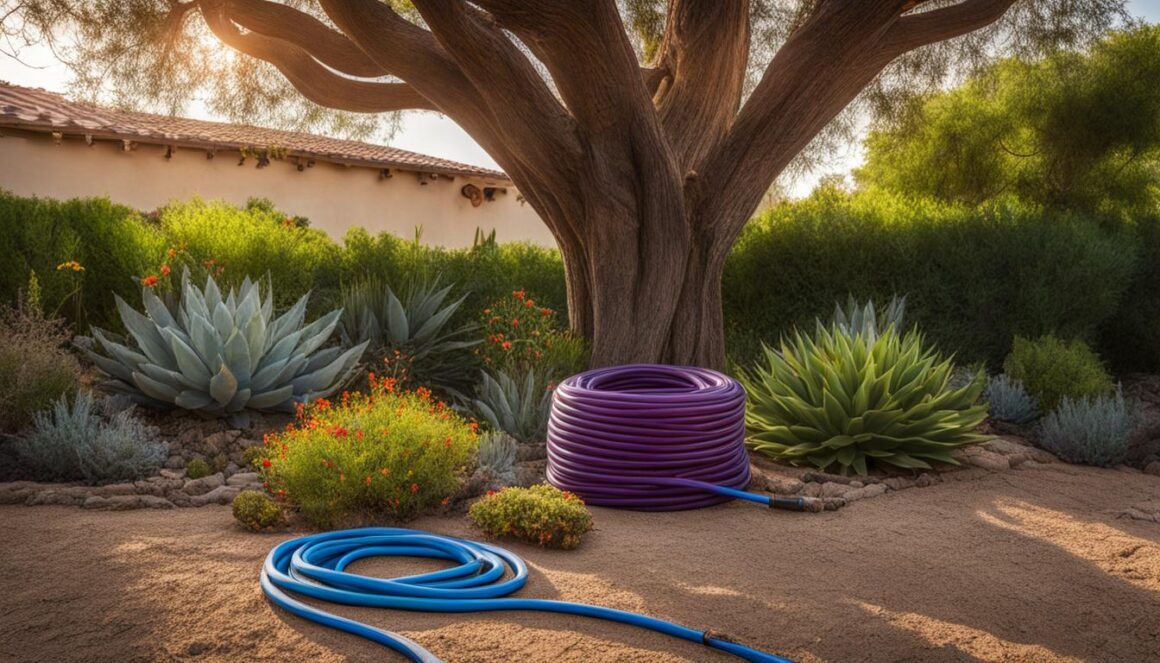
Picture this: You’re standing in your garden, the sun beating down mercilessly, and your plants look like they’re about to give up the ghost. The soil feels like concrete, and you’re wondering if you’ve made a terrible mistake. What if there was a way to keep your green friends thriving even when water is scarce? Enter drought-resistant sustainable pots – your secret weapon for smart, water-wise gardening.
Gardening in dry conditions doesn’t have to mean saying goodbye to your green companions. With the right tools and techniques, you can nurture plants that not only survive but thrive during challenging weather. The key lies in choosing pots that work with nature rather than against it. These aren’t just containers – they’re smart solutions designed to help your plants conserve water, regulate temperature, and stay healthy even when conditions turn tough. Whether you’re a seasoned gardener or someone just starting out, understanding how to use drought-resistant sustainable pots can make all the difference between a struggling garden and a flourishing oasis.
Understanding Drought-Resistant Pot Design
Drought-resistant pots aren’t just fancy containers with pretty designs. They’re engineered with thoughtful features that help plants cope with dry spells. Think about how water moves through different materials and what happens when soil gets too hot. These special pots often feature drainage systems that prevent waterlogging while maintaining moisture levels. The material itself matters tremendously. Clay pots, for example, breathe and allow water to evaporate slowly from the sides, keeping roots cooler. Plastic containers might retain more moisture but can heat up quickly. The best sustainable pots combine multiple beneficial traits. They offer proper drainage, good air circulation, and enough insulation to protect plant roots from extreme temperatures. Some even incorporate built-in water reservoirs that release moisture gradually. The design isn’t just about looks – it’s about creating the perfect environment where plants can focus their energy on growth rather than survival.
Material Matters: Choosing Your Container
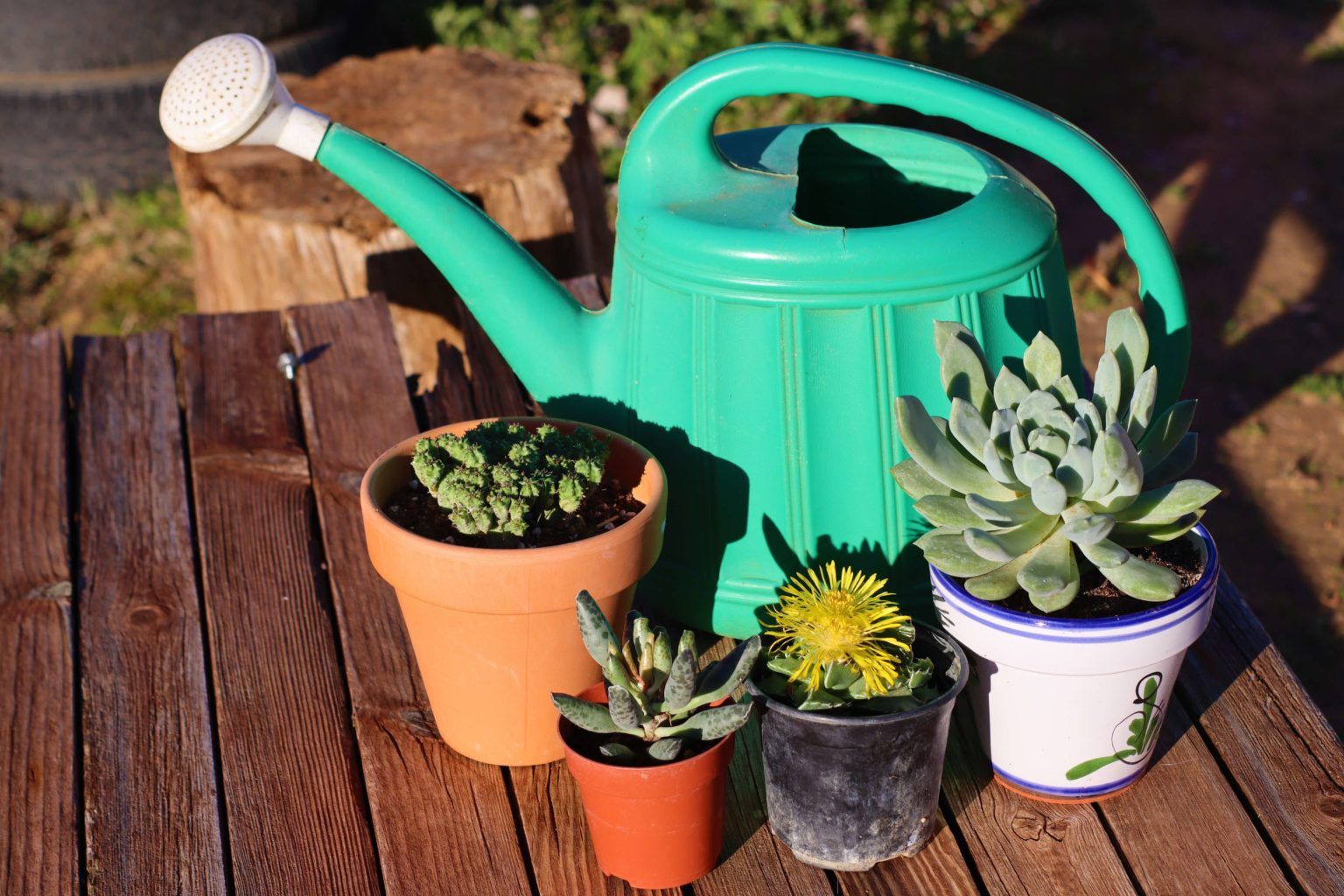
The material of your pot makes a huge difference in how well your plants handle drought conditions. Clay pots are perhaps the most popular choice for drought-resistant gardening. They’re porous, allowing water to seep through the walls and evaporate gradually. This creates a cooling effect around the root zone. However, clay can be heavy and may crack in freezing weather. Ceramic options offer similar benefits but tend to be more fragile. For those looking for something more durable, plastic containers provide excellent water retention and are lightweight. They’re also less prone to breaking. Some newer materials like recycled rubber or composite blends offer a middle ground, combining durability with good moisture management. Consider the size and weight when selecting materials. A large clay pot will hold more moisture than a small plastic one, but it will also weigh significantly more. The key is matching the container’s characteristics to your specific plants and growing conditions. Don’t overlook the importance of color either – darker pots absorb more heat, while lighter colors reflect it, helping keep roots comfortable.
Smart Water Management Techniques
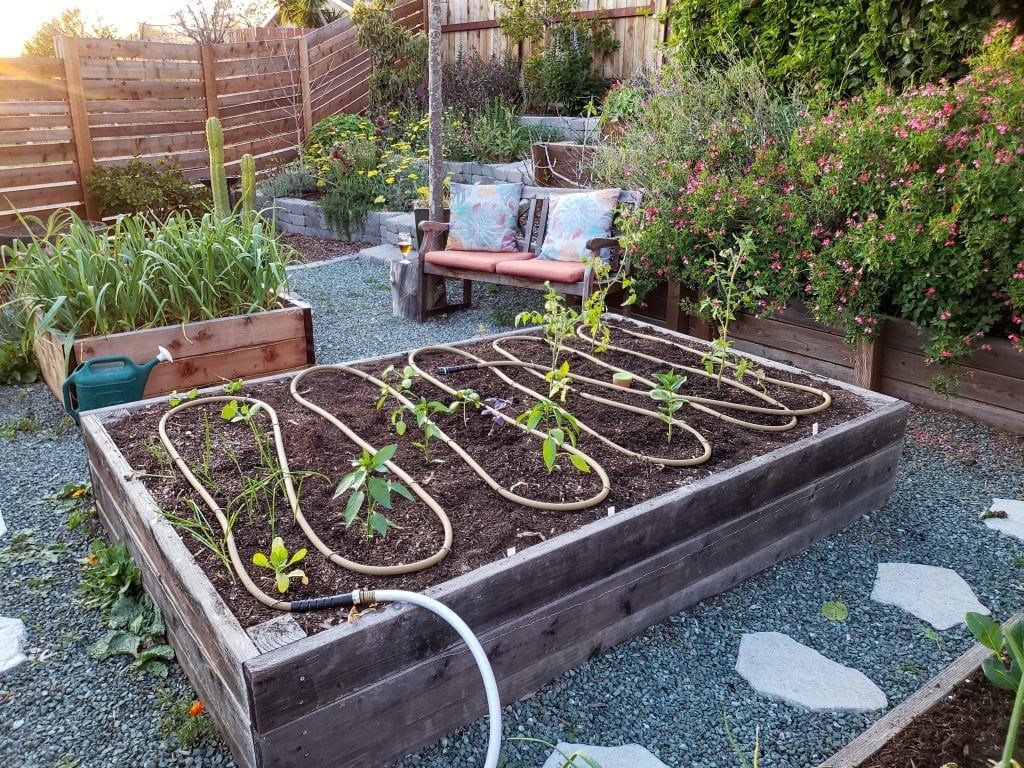
Using drought-resistant pots effectively means mastering some simple but powerful water management strategies. First, consider the timing of watering. Deep, infrequent watering encourages deeper root growth than frequent shallow watering. When you do water, do it thoroughly until excess drains out. This ensures the entire root zone gets moisture. Mulching around your plants helps reduce evaporation from the soil surface. You can use organic mulches like straw, wood chips, or even shredded leaves. These materials break down over time, adding nutrients to your soil. Another smart technique is using self-watering pots with reservoirs. These eliminate guesswork and ensure consistent moisture availability. You can also group plants with similar water needs together. Plants that prefer drier conditions should be separated from those that love moisture. This prevents overwatering some while under-watering others. Check your plants regularly – wilting leaves often signal the need for water before the soil feels dry to the touch. The goal is creating a system where plants receive exactly what they need, when they need it.
Plant Selection for Water-Efficient Gardens
Not every plant is equally suited to drought-resistant pot gardening. Some species have evolved to thrive in dry conditions, making them ideal candidates for these water-wise containers. Succulents are perhaps the most obvious choice – they store water in their leaves and stems, making them incredibly resilient. Cacti also fall into this category, though they require slightly different care approaches. Herbs like rosemary, thyme, and oregano are excellent choices because they naturally prefer drier soils and have aromatic oils that help repel pests. Mediterranean plants such as lavender, sedum, and ornamental grasses also excel in drought conditions. These plants often have silver or gray foliage that reflects sunlight and reduces water loss. Consider native plants from your region – they’re adapted to local climate conditions and typically require less water once established. When selecting plants, think about their mature size and growth habits. A plant that looks cute in a small pot might outgrow its container and struggle with water availability. Research each plant’s specific needs and match them to your pot’s capabilities.
Maintenance and Long-Term Care
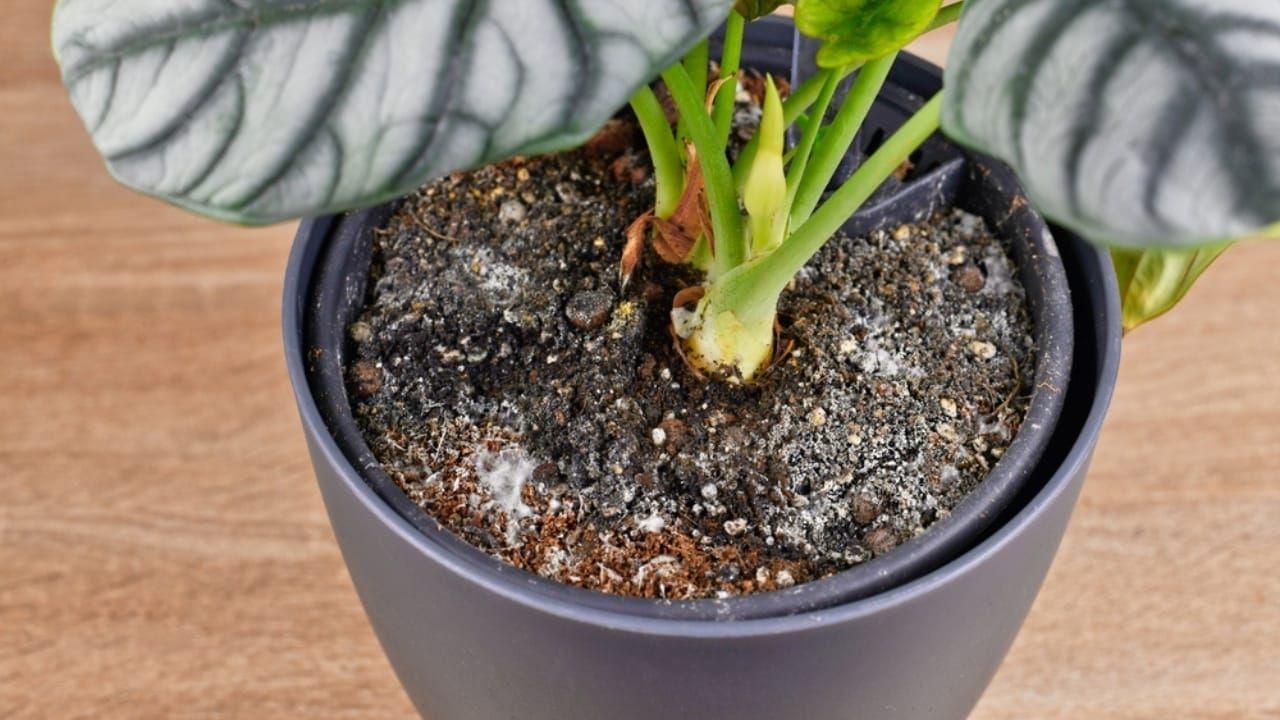
Even the most drought-resistant setup requires some ongoing attention to function properly. Regular inspection is crucial – check for cracks in pots, clogged drainage holes, or signs of root rot. Clean your containers periodically to prevent disease buildup. In winter, some materials like clay might need protection from freezing temperatures. Adjust your watering schedule based on seasonal changes. Plants typically need less water during cooler months. Watch for signs of stress beyond drought – pests, nutrient deficiencies, or diseases can mimic water-related problems. Good record-keeping helps you learn what works best for your specific setup. Note which plants thrive, which struggle, and what adjustments you make along the way. Sometimes a small change in location or watering frequency can make a big difference. Don’t forget about fertilization – drought-stressed plants often benefit from light feeding with balanced nutrients. Organic options like compost tea or fish emulsion work well. Remember that sustainable gardening is about working with nature, not fighting against it. Your maintenance routine should support that philosophy.
Environmental Benefits and Sustainability
Beyond the immediate advantages for your garden, drought-resistant sustainable pots contribute to broader environmental goals. By reducing water consumption, you’re helping preserve this precious resource, especially important in areas experiencing water scarcity. Less water usage also means fewer resources needed for treatment and distribution. These pots often use recycled or sustainable materials, reducing demand for new raw materials. Many are designed to last for years, cutting down on waste from frequent replacements. Some even incorporate biodegradable elements or can be recycled at the end of their useful life. The reduced need for chemical fertilizers and pesticides also benefits local ecosystems. When plants are healthy and well-suited to their environment, they’re naturally more resistant to pests and diseases. This creates a positive cycle where your gardening practices support both your plants and the surrounding environment. Consider how these pots fit into your overall sustainability goals – they’re not just gardening tools, they’re part of a larger commitment to responsible stewardship of our planet.
Drought-resistant sustainable pots represent more than just a clever solution to water scarcity – they’re a shift toward more mindful gardening practices. When you choose the right containers, select appropriate plants, and adopt smart water management techniques, you’re creating a garden that thrives even when conditions are tough. The investment in quality pots pays dividends not just in plant health, but in peace of mind knowing you’re contributing to environmental sustainability. Every gardener faces challenges, but with the right tools and knowledge, those obstacles become opportunities to grow stronger, more resilient gardens. Whether you’re dealing with a typical dry spell or living in a naturally arid region, these sustainable pots offer a pathway to success. The key is starting small, learning from experience, and gradually building your collection of drought-tolerant favorites. Your garden – and the planet – will thank you for the thoughtful approach to water-smart planting.