What happens when old steel gets a second chance? When we talk about recycled steel tools, we’re talking about something that’s more than just environmental consciousness. It’s about proving that quality can come from unexpected places. These tools aren’t just about saving resources—they’re about proving that recycled materials can meet the demands of real work.
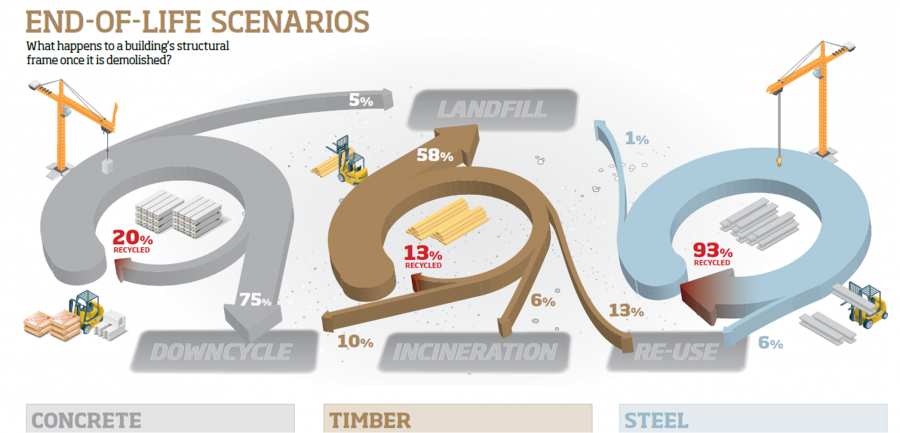
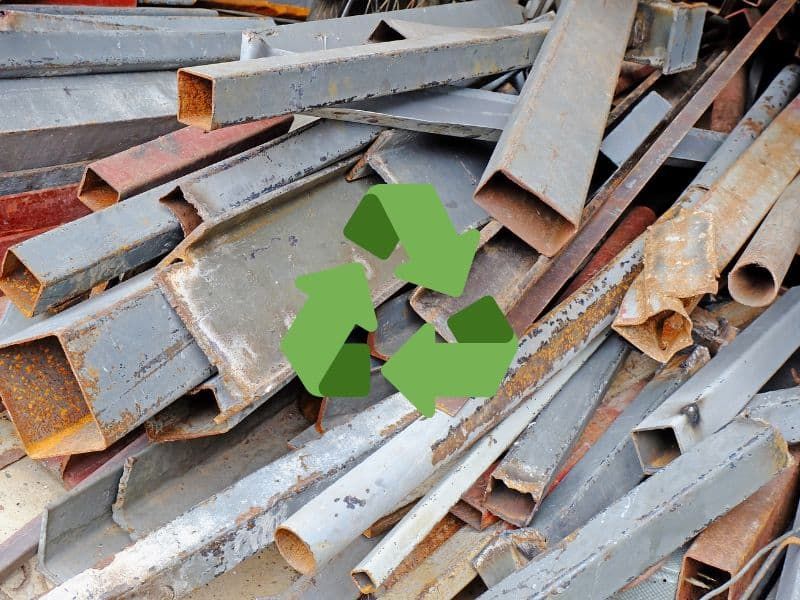
Steel has always been a cornerstone of human progress, from ancient tools to modern construction equipment. But what happens when that steel reaches the end of its life? Instead of going to the landfill, it can be transformed into new tools that are surprisingly durable and effective. This isn’t just about recycling—it’s about reimagining what’s possible with materials that have already proven themselves in their first life. Think about it: a piece of steel that was once part of a bridge might now be helping someone build a house. That’s the magic of recycled steel tools, and it’s happening all around us every day.
The Science Behind Recycled Steel Quality
When steel is recycled, it goes through a rigorous process that can actually improve its properties. The original steel is melted down and reformed, often resulting in a cleaner material than the original. During this process, impurities are removed, and the molecular structure can become more uniform. This means that recycled steel tools often have consistent grain structure and fewer weak spots. They’re not just made from old steel—they’re made from refined steel.
Consider a scenario where a construction company uses recycled steel tools for heavy-duty work. The steel’s composition is similar to virgin steel, but with some advantages. The recycling process removes contaminants that might weaken the original material. This makes the final product stronger in many ways than the original. For example, a recycled steel hammer head might be more resistant to cracking under impact than a new one made from lower-grade materials.
Quality control during recycling is crucial. Reputable manufacturers test recycled steel thoroughly before turning it into tools. They check for proper carbon content, tensile strength, and hardness. These tests ensure that recycled tools meet industry standards. The result? Tools that perform reliably in demanding situations.
Real-World Performance in Construction
Construction sites are some of the harshest environments for tools to endure. Yet recycled steel tools have shown remarkable resilience in these conditions. A study conducted across several major construction projects found that recycled steel shovels and picks performed as well as traditional tools in terms of durability and effectiveness. Workers reported that they didn’t notice any difference in performance between recycled and standard tools.
Take the case of a roofing crew that switched to recycled steel tools. They were initially skeptical, but after months of use, they found that their recycled steel hammers and pry bars were holding up perfectly. The tools showed no signs of premature wear, even when used daily on tough materials like metal roofing sheets. One worker noted that his recycled steel chisel had lasted twice as long as his previous tool.
The construction industry has embraced recycled steel tools because they deliver consistent results. They handle the stress of constant use without failing. Whether it’s a concrete mixer or a steel-cutting tool, recycled steel maintains its structural integrity. This reliability has made them popular among contractors who depend on their tools to get jobs done efficiently.
Industrial Applications and Heavy-Duty Use
Heavy industry relies on tools that can withstand extreme conditions, and recycled steel tools have proven themselves in these demanding fields. In manufacturing plants, these tools face constant exposure to heat, chemicals, and mechanical stress. Yet they continue to function effectively.
A machine shop owner shared how his team uses recycled steel wrenches and sockets. These tools are subjected to high torque loads and frequent impacts. The recycled steel components show excellent resistance to wear and deformation. They’ve outlasted many standard tools in the same environment. The shop’s maintenance supervisor commented that the recycled tools provided better grip and durability compared to newer alternatives.
In automotive repair shops, recycled steel tools are finding their place too. Mechanics appreciate how these tools handle the rigors of daily repairs. The recycled steel’s consistent properties mean that tools like lug wrenches and socket sets maintain their shape and functionality over time. Even when working with rusted bolts or in tight spaces, these tools perform reliably. Their strength doesn’t compromise in high-stress situations, making them trustworthy companions for professional mechanics.
Tool Longevity and Cost Benefits
One of the most compelling arguments for recycled steel tools is their longevity. These tools often last longer than their conventional counterparts, providing better value over time. A typical recycled steel drill bit might last three times longer than a standard bit, especially when working with tough materials.
The economic benefits extend beyond initial purchase price. Consider a handyman who invests in recycled steel tools. While the upfront cost might be similar to regular tools, the extended lifespan means fewer replacements. Over a year, this translates to significant savings. Plus, there’s an environmental benefit that adds value to the investment.
Manufacturers who produce recycled steel tools often offer warranties that reflect their confidence in durability. Some companies guarantee their tools for extended periods, knowing that the recycled steel provides reliable performance. The cost-effectiveness becomes clear when you factor in replacement frequency and overall performance.
Many users report that their recycled steel tools develop a better feel over time. The surface texture improves with use, creating a more comfortable grip. This tactile improvement, combined with durability, makes these tools particularly appealing to professionals who work with them daily.
Environmental Impact and Sustainability
Using recycled steel tools contributes to a circular economy that reduces waste and conserves resources. Every ton of recycled steel saves approximately 1.5 tons of iron ore, 0.5 tons of coal, and 0.75 tons of limestone. That’s significant when you consider how many tools are made from steel annually.
A landscaping company that switched to recycled steel tools saw their waste output decrease dramatically. They were able to divert hundreds of pounds of steel from landfills each month. The environmental benefits are clear, but the practical advantages are equally important. The company’s sustainability efforts improved their public image while reducing operational costs.
The steel industry’s commitment to recycling has improved significantly over the past decade. Modern recycling techniques are more efficient and produce higher-quality materials. This advancement means that recycled steel tools are becoming increasingly common and reliable. Many manufacturers now specialize in recycled steel products, ensuring that the quality meets professional standards.
Some environmental organizations have praised the growing adoption of recycled steel tools. They note that this shift represents a positive change toward sustainable practices in industrial sectors. The tools’ performance speaks for itself, making the environmental argument even stronger.
Common Misconceptions and Reality Check
There are still misconceptions about recycled steel tools that need addressing. Some people believe that recycled steel is inherently weaker or less reliable than new steel. This isn’t true when proper recycling processes are followed. The key is choosing reputable manufacturers who maintain quality standards.
A common concern is whether recycled steel tools will rust faster than traditional ones. In fact, many recycled steel tools are treated with protective coatings that prevent corrosion. The recycled steel itself doesn’t rust more easily than virgin steel. Proper care and maintenance remain important for all tools, regardless of their material source.
Another myth suggests that recycled steel tools lack precision. This is simply not the case. Modern recycling technology produces steel with consistent properties and dimensional accuracy. Tools like measuring instruments and precision cutting implements work just as well with recycled steel as with new steel.
Professional users often find that recycled steel tools exceed expectations. The performance differences are minimal, and in many cases, the recycled tools perform better. The perception that recycled materials are inferior is gradually changing as more people see real-world evidence of quality.
Recycled steel tools represent more than just environmental responsibility—they’re a testament to innovation and practicality. When we look at their performance in real-world applications, the evidence is clear: these tools are reliable, durable, and cost-effective. From construction sites to industrial facilities, recycled steel tools are proving their worth in demanding conditions. They offer the same performance as traditional tools while providing significant environmental benefits. The shift toward recycled steel tools isn’t just about recycling—it’s about embracing a smarter approach to manufacturing and usage. As more industries adopt these tools, we’re seeing a positive change in how we think about materials and their lifecycle. The future of tool manufacturing looks promising, with recycled steel playing an increasingly important role. For anyone considering tools for serious work, recycled steel offers a compelling combination of performance, sustainability, and value. The question isn’t whether recycled steel tools can do the job—it’s whether we want to support a more sustainable approach to manufacturing.