There’s something deeply satisfying about getting your hands dirty and watching plants flourish. But what if we told you that some of the most powerful gardening skills you’ll ever learn come from the simple act of using a shovel correctly? It’s true. The way you move that tool, the angle you hold it at, even the pressure you apply – all of these small decisions add up to big results in your garden’s health and productivity.
Gardening isn’t just about planting seeds and waiting for flowers to bloom. It’s about creating a thriving ecosystem that works with nature rather than against it. Sustainable gardening takes this concept further, focusing on methods that protect our environment while producing healthy food and beautiful landscapes. The good news? You don’t need expensive equipment or complex techniques to get started. Sometimes, the simplest tools – like a well-used hand shovel – can make the biggest difference in your garden’s success. Think about it: every time you dig, plant, or move soil, you’re making choices that either support or harm your garden’s future. What if those choices were as easy as learning the right way to hold and use your shovel?
Understanding Soil Health Through Shovel Work
When you pick up that shovel, you’re not just moving dirt – you’re examining the foundation of your garden’s life. Healthy soil is the backbone of any successful garden, and your shovel helps you assess its condition. Look for signs of good soil structure: it should crumble easily when you squeeze it, feel moist but not waterlogged, and have a rich, earthy smell. The way you dig can actually improve soil health. Instead of just digging in one spot, try a technique called "digging in layers" – work from the surface down, breaking up compacted areas while preserving beneficial microorganisms. This gentle approach keeps your soil’s natural balance intact. For example, when you’re preparing a new bed, take small sections at a time. This prevents soil compaction and allows air to reach plant roots. The right shovel technique means less stress on your soil ecosystem, which means healthier plants overall. A shovel isn’t just a tool – it’s a window into understanding what makes your garden thrive.
Basic Shovel Techniques That Transform Your Garden
Let’s start with something fundamental: how you grip and position your shovel. Hold the handle with both hands, one slightly higher than the other, creating a comfortable stance. This grip gives you better control and reduces fatigue during extended gardening sessions. The angle matters too. When cutting through tough soil, aim for a 45-degree angle rather than trying to hack straight down. This creates cleaner cuts and requires less effort. There’s also the technique of "digging with the grain" – following the natural flow of soil particles rather than fighting against them. Imagine you’re working with the soil’s natural tendency rather than against it. For beginners, practice the "scraping method" where you gently scrape away soil in thin layers rather than attempting deep excavations all at once. This approach works especially well for preparing seedbeds or mixing compost into existing soil. These simple changes in how you use your shovel can reduce your gardening time by up to 30 percent while improving results. The key is consistency – practice these movements until they become second nature.
Composting and Soil Amendment with Shovel Skills
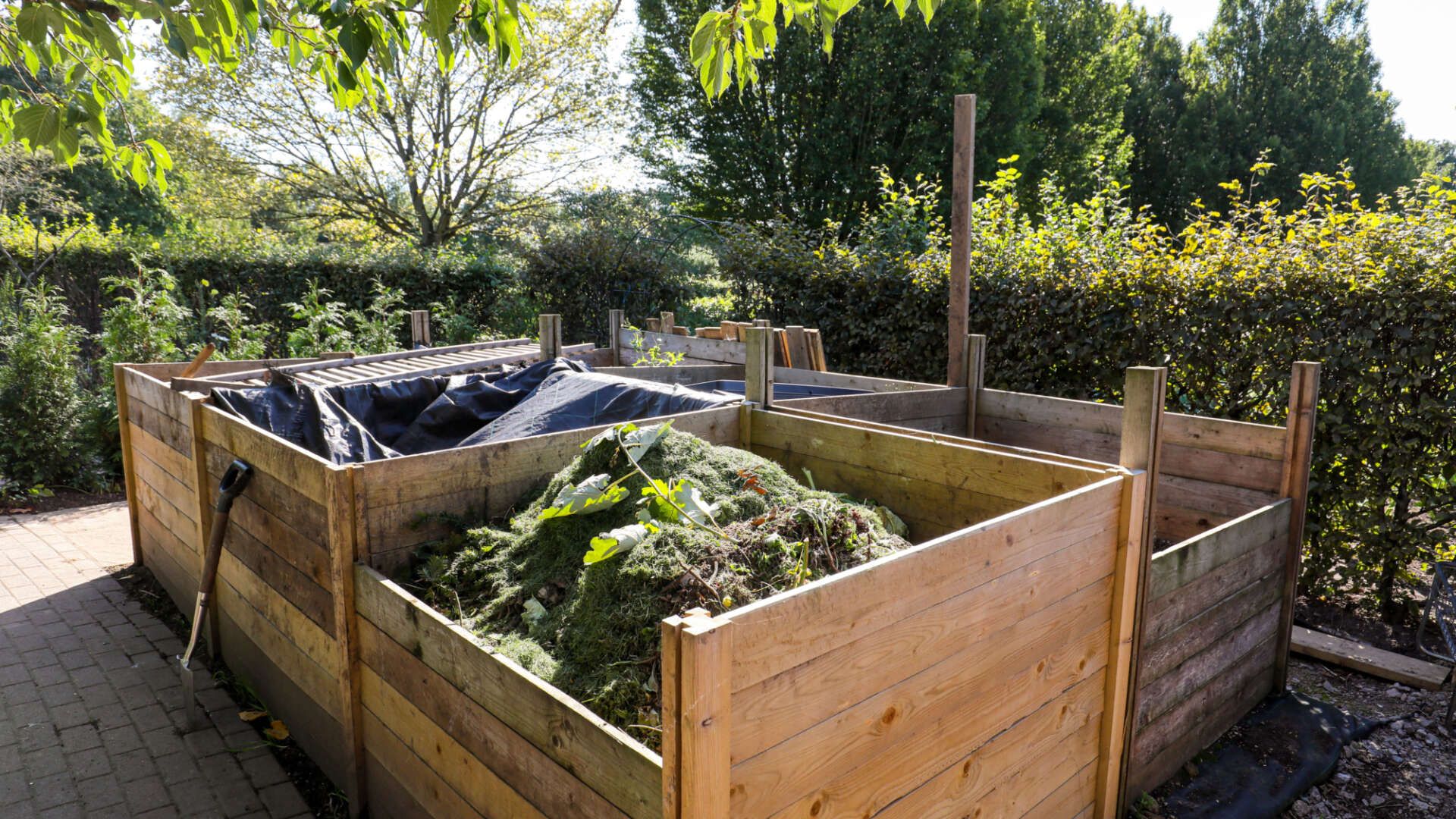
One of the most rewarding aspects of sustainable gardening is turning kitchen scraps and yard waste into nutrient-rich compost. Your shovel plays a crucial role in this process. When building a compost pile, use your shovel to layer materials properly. Alternate between green materials (like vegetable peels and grass clippings) and brown materials (such as dried leaves and cardboard). The shovel helps you mix these layers thoroughly, ensuring proper decomposition. A common mistake is not mixing enough. Your shovel should help you turn the pile regularly, bringing the center material to the outside. This aeration is essential for healthy compost formation. When you’re ready to use compost in your garden, the shovel helps you incorporate it into existing soil. Mix it in at a ratio of about 1:3 with existing soil, using gentle motions to avoid breaking apart the beneficial microorganisms that make compost so valuable. Many gardeners find that their soil quality improves dramatically after just one season of proper compost integration. The shovel becomes your partner in creating a nutrient cycle that supports your garden’s long-term health.
Planting and Transplanting with Proper Shovel Usage
Whether you’re starting seeds or transplanting mature plants, your shovel helps create ideal conditions for growth. The key is knowing how deep to dig and what kind of hole to make. For most plants, dig holes that are twice as wide as the root ball but no deeper. This gives roots room to spread out naturally. When transplanting, use your shovel to carefully lift the plant from its current location, keeping as much of the original soil around the roots as possible. The goal is to minimize shock to the plant. After planting, use your shovel to gently backfill around the plant, making sure not to compact the soil too tightly. The right amount of space around each plant is crucial for healthy development. Many gardeners struggle with this step, but it’s surprisingly simple once you get the hang of it. A common tip is to make a small depression around the base of newly planted items – this helps retain moisture and makes watering easier. Remember, the way you prepare the planting area directly affects how quickly your plants will establish themselves and begin growing strong.
Water Conservation Through Smart Digging Practices
Water is one of the most precious resources in gardening, especially in areas experiencing drought or water restrictions. Your shovel can help you conserve this valuable resource in several ways. First, plan your garden layout carefully before digging. Group plants with similar water needs together. This might seem obvious, but it’s amazing how many gardeners overlook this simple strategy. When you’re ready to plant, use your shovel to create small basins or depressions around plants that need extra moisture. These little features help capture rainwater and direct it to where it’s needed most. Another smart approach is to dig shallow trenches for drip irrigation systems. These channels guide water directly to plant roots, reducing evaporation and waste. Many gardeners find that they can reduce their watering frequency by half simply by using these strategic digging techniques. The key is thinking ahead about water flow and retention. Your shovel becomes a tool for planning rather than just execution. This proactive approach saves water and creates healthier growing conditions for your plants.
Seasonal Maintenance and Soil Preparation
Gardening is a year-round commitment, and your shovel plays a role in maintaining garden health throughout all seasons. In spring, use your shovel to break up frozen ground or compacted soil from winter. This preparation ensures that new plantings will have the best start possible. During summer, your shovel helps with weeding and soil aeration. The heat can cause soil to become hard and compacted, so gentle digging helps restore air circulation around plant roots. Fall brings opportunities for deeper soil preparation. Use your shovel to incorporate organic matter into garden beds, creating a nutrient-rich environment for next year’s crops. Winter months might seem like downtime, but many gardeners use their shovels to prepare beds for cover crops or to maintain pathways. These seasonal tasks might seem routine, but they’re crucial for long-term garden success. The timing of your shovel work affects everything from seed germination to plant survival. Understanding when and how to use your shovel effectively makes all the difference in creating a garden that thrives year after year.
The magic of sustainable gardening often lies in the simplest actions – like how you hold your shovel and what you do with it. Every time you dig, you’re making choices that shape your garden’s future. From understanding soil health to conserving water, the right shovel techniques create ripple effects that benefit your entire garden ecosystem. You don’t need to be a professional gardener to see results from these simple practices. Start small, focus on one technique at a time, and watch how your garden responds. The relationship you build with your shovel becomes a foundation for sustainable gardening success. It’s not about perfection or expensive tools – it’s about connecting with the earth and working with nature’s rhythms. Your garden will thank you for taking these basic steps to improve your shovel skills. After all, the most important tool in any garden is the one you use every day. So grab that shovel, get comfortable with the feeling, and let your garden grow stronger with each careful dig.