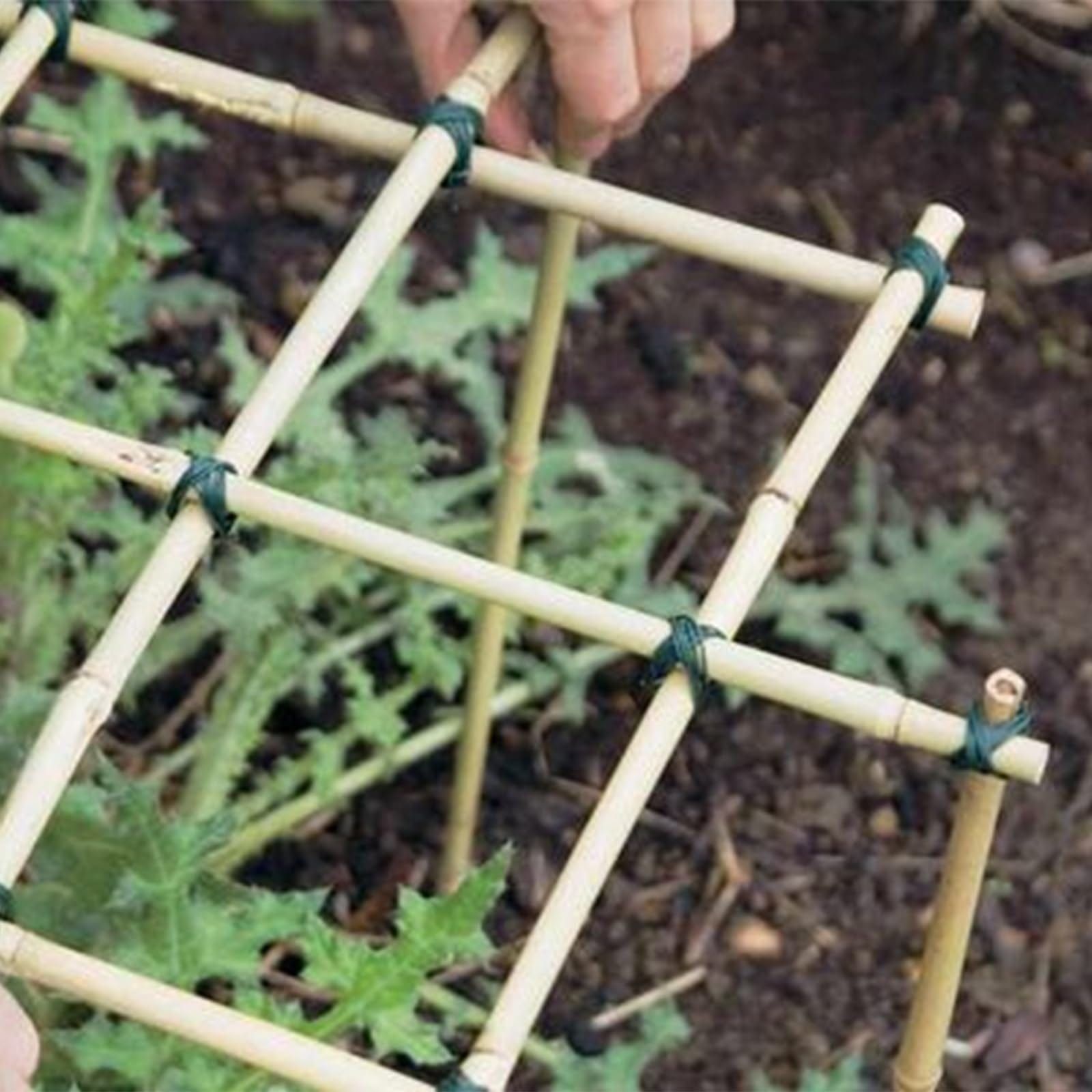
Picture this: you’re tending to your garden, carefully inserting support stakes for your climbing plants. But wait – are you using bamboo or plastic? This simple choice might just be one of the most impactful decisions you make for your garden’s future.
Every spring, gardeners across the country face the same dilemma. When planting tomatoes, beans, or peas, they must decide what to use for support. It’s a small decision, but one that can have big implications for both your garden and the planet. For years, plastic stakes dominated the market, but something remarkable is happening. More and more gardeners are turning away from their familiar plastic options toward a natural alternative that’s been around since ancient times. Bamboo stakes aren’t just trendy – they’re becoming the preferred choice for environmentally conscious gardeners everywhere. What exactly makes this switch so appealing? Let’s dig into the details.
The Environmental Impact of Plastic Stakes
Plastic stakes may seem like a convenient solution, but their environmental footprint tells a different story. These stakes are typically made from polyethylene or polystyrene, materials that can take hundreds of years to decompose. When you toss them in the trash after a growing season, they’re essentially adding to our planet’s plastic waste problem. Consider this: every year, millions of plastic garden stakes end up in landfills or worse, polluting our oceans and harming wildlife. A single plastic stake might cost a few dollars, but its impact on the environment could last centuries. Many gardeners never think about what happens to these items once they’ve served their purpose. But when you consider that a typical garden might use dozens of stakes per season, the numbers become staggering. What seems like a small purchase adds up to a significant environmental burden.
Bamboo: Nature’s Renewable Wonder
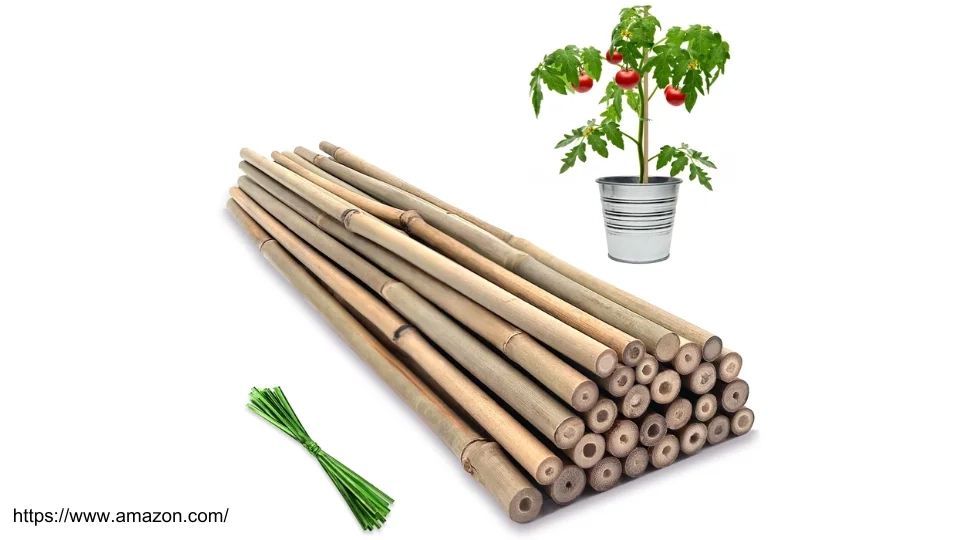
Bamboo, on the other hand, offers a completely different story. This fast-growing grass can reach maturity in just three to five years, compared to decades for trees used in traditional wood products. Some bamboo species grow up to four feet per day! This incredible speed means bamboo can be harvested sustainably without damaging the plant. The root system remains intact, allowing new shoots to emerge continuously. Unlike trees that require cutting down, bamboo regenerates naturally. This renewable resource makes bamboo stakes an excellent choice for eco-conscious gardeners. Plus, bamboo contains natural silica that gives it strength and durability. It’s tough enough to hold up heavy plants while remaining flexible enough to bend with wind and weather. The result? A stake that’s both strong and sustainable.
Durability and Performance Comparison
When it comes to actually using these stakes in your garden, how do they stack up against each other? Plastic stakes often break easily, especially when subjected to wind or when plants grow large and heavy. They can crack or splinter, leaving sharp edges that might harm your plants or garden tools. Bamboo stakes, however, tend to be much more resilient. They can handle the weight of vigorous climbers and withstand various weather conditions. The natural flexibility of bamboo allows it to bend rather than snap, protecting both your plants and your investment. Many gardeners report that bamboo stakes last multiple seasons when properly cared for. While plastic stakes may be cheaper initially, their shorter lifespan means you’ll need to replace them more frequently. The upfront cost difference often disappears when you factor in replacement costs over time.
Cost Considerations Over Time
Let’s talk money. At first glance, plastic stakes appear more affordable, often costing less than fifty cents each. But here’s where the real picture emerges. If you’re a regular gardener with multiple plants requiring support, the cumulative cost of replacing plastic stakes annually can add up quickly. A single garden might need thirty to fifty stakes depending on size and plant types. That’s a potential hundred dollars or more just for stakes each year. Bamboo stakes, while typically more expensive upfront, offer better value over time. A quality bamboo stake costs between one and two dollars, but it can serve for several seasons. Think about it – if you buy ten bamboo stakes at two dollars each, that’s twenty dollars. But if you need to replace plastic stakes every season for three years, you’re spending roughly the same amount. Plus, bamboo stakes often come with a warranty or guarantee, showing confidence in their longevity.
Practical Benefits Beyond Sustainability
The advantages of bamboo stakes extend beyond environmental concerns. They’re naturally antimicrobial, which helps prevent the growth of mold and bacteria that can affect your plants. Many gardeners notice fewer issues with fungal diseases when using bamboo supports. The material is also naturally resistant to insects, reducing the need for chemical treatments. Additionally, bamboo stakes don’t leach harmful chemicals into the soil like some plastics might. This is particularly important for edible gardens where food safety matters. The aesthetic appeal of bamboo also adds character to any garden space. Its natural look complements organic gardening styles beautifully. You can even use bamboo stakes for decorative purposes beyond their primary function, such as creating small garden art or borders.
Making the Transition
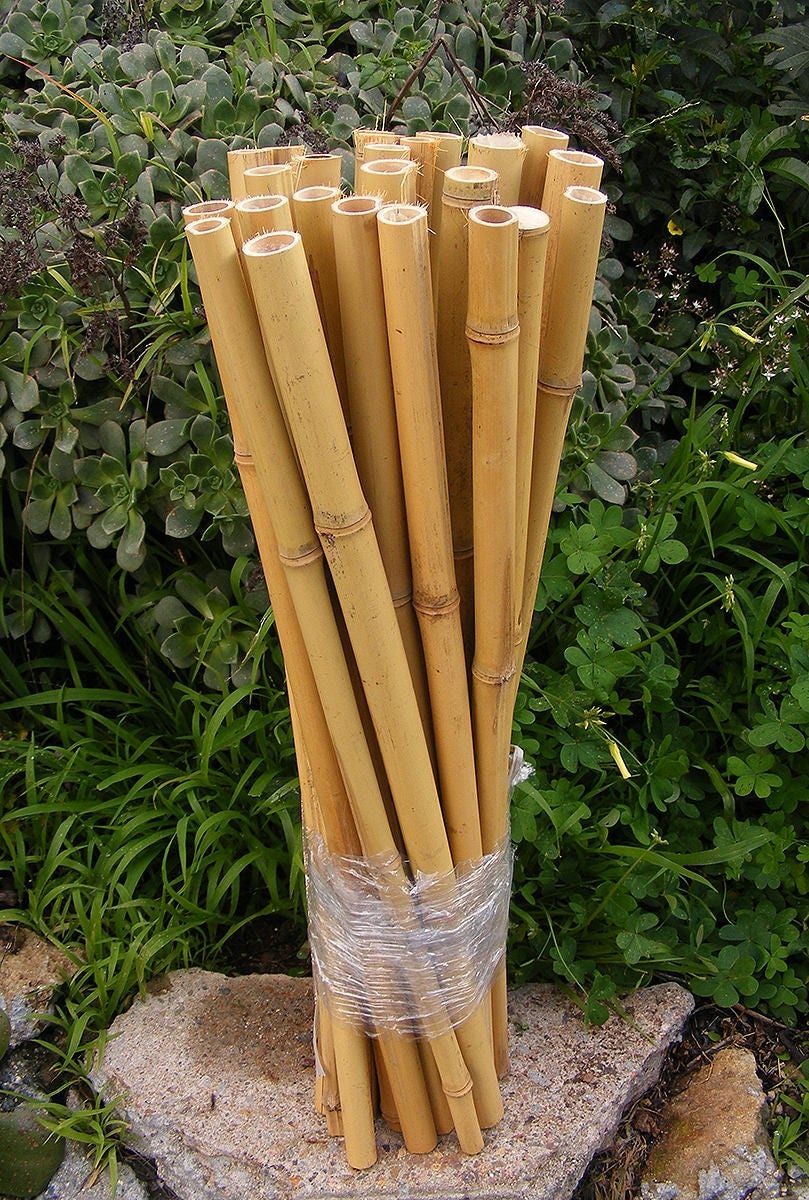
Switching to bamboo stakes isn’t difficult, but it does require some adjustment. Start by purchasing a few bamboo stakes to test their performance with your specific plants. Look for stakes that are straight and sturdy, with no signs of splitting or damage. Quality bamboo stakes should be about one inch in diameter at the base and can range from eight to twelve inches tall. Consider buying slightly larger stakes than you think you’ll need – they’re more versatile and can support heavier plants. You’ll want to ensure your bamboo stakes are properly secured in the ground. Some gardeners prefer to soak them in water before planting to help them last longer. Remember that bamboo is naturally stronger when dry, so don’t worry too much about moisture affecting their structural integrity. The transition might mean a slight increase in your initial investment, but many gardeners find it’s well worth the benefits.
The shift from plastic to bamboo stakes represents more than just a gardening trend – it’s a reflection of changing attitudes toward environmental responsibility. As we continue to seek ways to reduce our ecological footprint, every small choice matters. Bamboo stakes offer gardeners a practical, durable, and sustainable solution that doesn’t compromise on performance. Whether you’re a casual gardener or someone who grows vegetables and flowers year-round, making this switch can make a meaningful difference. The investment in bamboo stakes pays off not just financially, but environmentally and aesthetically as well. So next time you’re shopping for garden supplies, consider reaching for that bamboo stake instead of the plastic one. It might just be the start of a more sustainable gardening journey that benefits both your plants and our planet.
![How Long Do Bamboo Garden Stakes Last? [Tips To Make Them Last Longer] pertaining to The Hidden Benefits of Using Bamboo Plant Stakes in Eco-Friendly Agriculture](https://dahomengarden.com/wp-content/uploads/2025/11/how-long-do-bamboo-garden-stakes-last-tips-to-make-them-last-longer-pertaining-to-the-hidden-benefits-of-using-bamboo-plant-stakes-in-eco-friendly-agriculture.png)