Every gardener knows that the right tools can make all the difference between a struggling patch and a thriving oasis. But what if your garden tools could do more than just help you work? What if they could actually give back to the planet? This isn’t just wishful thinking – it’s an achievable reality when you choose your equipment wisely.
Gardening is more than just planting seeds and watering them. It’s a relationship between humans and nature that requires care, attention, and the right tools. When we think about our garden equipment, we often focus on durability and function. But there’s another dimension that deserves consideration: how our tools impact the environment around us. The choices we make today about what tools to buy and use can have lasting effects on soil health, water conservation, and even local ecosystems. This guide explores how to build a garden tool collection that doesn’t just serve your needs but actively contributes to environmental wellbeing.
Understanding Sustainable Garden Tools
Sustainable garden tools aren’t just about being eco-friendly – they’re about creating a positive cycle of environmental stewardship. These tools are designed to reduce waste, conserve resources, and support healthy soil and plant growth. Think of them as partners in your gardening journey rather than just implements. They’re made with materials that last longer, require less maintenance, and often come from ethical sources. When you invest in sustainable tools, you’re investing in a future where gardening practices support rather than harm the natural world.
Material Matters: Choosing Eco-Friendly Options
The foundation of any sustainable tool collection lies in material selection. Traditional garden tools are often made from steel and plastic, which can be problematic for several reasons. Steel tools, while strong, may rust over time and require regular maintenance. Plastic tools tend to break down quickly and often end up in landfills. Better alternatives include:
• Wood handles that are sustainably sourced and treated with natural oils
• Stainless steel that resists corrosion and lasts decades
• Recycled aluminum components
• Tools made from bamboo or other fast-growing renewable materials
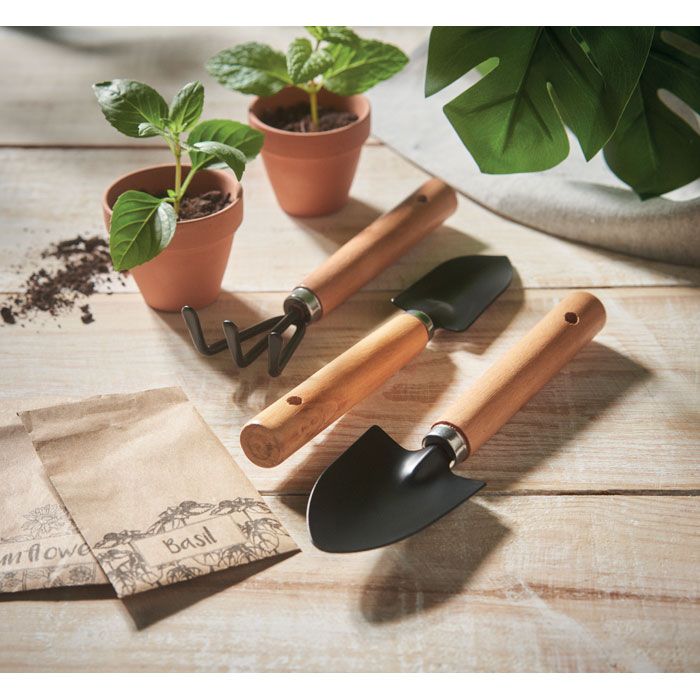
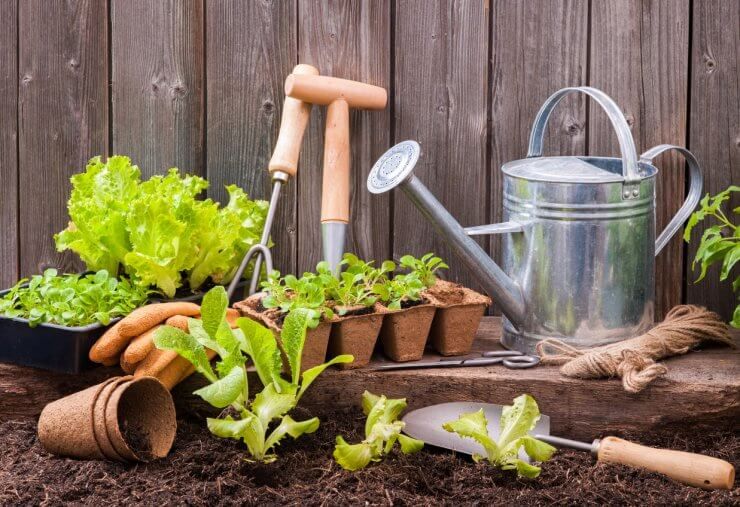
These materials not only reduce environmental impact but often provide better grip, comfort, and longevity. For example, a wooden-handled trowel will feel more comfortable in your hand and won’t leach harmful chemicals into your soil like some plastic alternatives might.
Durability Over Disposable Convenience
One of the most important principles when building a sustainable garden tool collection is prioritizing quality over quantity. Instead of buying many cheap tools that will break within a few seasons, invest in fewer high-quality pieces that will serve you for years. This approach reduces waste and saves money in the long run. A well-made shovel will cut through tough soil more efficiently than a flimsy one, saving you time and energy. When you take care of your tools properly – cleaning them after use, oiling metal parts, and storing them correctly – they’ll last much longer.
Consider tools that are repairable rather than disposable. Many manufacturers now offer replacement parts for their products, extending tool life significantly. If a handle breaks on a hoe, having the option to replace just that part instead of buying a new tool makes a huge difference.
Supporting Ethical Manufacturing Practices
Beyond materials, the way tools are made matters enormously. Ethical manufacturing considers worker conditions, fair wages, and safe working environments. When you choose tools made by companies committed to these values, you’re supporting businesses that treat people fairly. This often means paying a little more upfront, but the long-term benefits extend far beyond your garden. Many sustainable tool brands also donate portions of their profits to environmental causes or support local communities.
Look for certifications such as Fair Trade or B-Corporation status when shopping. These labels indicate that the company meets certain standards for social and environmental responsibility. You might discover that your favorite tool brand has been quietly doing good work for the planet and people all along.
Reducing Water Usage Through Smart Tool Design
Water conservation is a growing concern in many areas, and your garden tools can play a role in addressing this challenge. Some modern tools are specifically designed to help reduce water consumption in gardens. Drip irrigation systems, for instance, deliver water directly to plant roots where it’s needed most. Soaker hoses and mulching tools help retain moisture in the soil, reducing evaporation. Even simple tools like a good watering can with a narrow spout can help you apply water more precisely.
Some innovative tools feature built-in moisture sensors or timers that prevent overwatering. These technologies might seem fancy, but they represent a shift toward smarter gardening that respects both plant needs and water scarcity issues. Consider how each tool you add to your collection contributes to water efficiency rather than waste.
Tools That Enhance Soil Health
Healthy soil is the foundation of any thriving garden, and certain tools can actively improve soil quality. Compost bins, aerators, and soil testers help maintain the conditions plants need to flourish. A garden fork helps loosen compacted soil without disturbing beneficial microorganisms that live in healthy earth. Rototillers designed for minimal soil disruption can prepare beds without destroying the delicate ecosystem that supports plant growth.
Consider adding tools that promote composting and organic matter incorporation. A broadfork, for instance, works the soil deeply without turning it over completely, preserving the natural structure that supports beneficial fungi and bacteria. These tools don’t just help you work the land – they help you work with it in ways that preserve and enhance its natural abilities.
Building a Collection Over Time
Creating a sustainable garden tool collection doesn’t happen overnight. It’s a gradual process that allows you to learn what works best for your specific garden and lifestyle. Start with the basics: a reliable shovel, a good hand trowel, pruners, and a rake. As you gain experience and see what tools you use most, you can gradually expand your collection.
Don’t feel pressured to buy everything at once. Instead, look for opportunities to upgrade or replace tools when they’re worn out rather than simply replacing them with identical items. This approach ensures that you’re always using the most appropriate tools for your garden’s needs while avoiding unnecessary purchases. Remember, every tool you choose to add to your collection should serve a purpose and contribute to your garden’s overall health.
Maintenance and Longevity Tips
A sustainable tool collection requires proper care to maximize its lifespan. Regular maintenance prevents expensive replacements and keeps tools performing optimally. Here are some essential practices:
• Clean tools after each use to remove dirt and debris
• Oil metal parts regularly to prevent rust
• Store tools properly to avoid damage
• Sharpen blades when needed instead of replacing entire tools
• Check for loose parts and tighten them promptly
Even simple steps like wiping down tools after use can dramatically extend their life. Some gardeners keep a small maintenance kit with rust inhibitors, cleaning cloths, and basic repair supplies. This investment in care pays dividends in reduced waste and better tool performance.
The Ripple Effect of Sustainable Choices
When you choose garden tools that give back to the earth, you’re participating in a larger movement toward environmental consciousness. Your choices influence other gardeners, local suppliers, and manufacturers. Every time you opt for a sustainable tool, you’re voting for better practices in the industry.
This kind of mindful gardening creates a positive feedback loop. As more people make sustainable choices, manufacturers respond by developing better eco-friendly options. It also encourages neighbors and friends to think about their own practices. You might find yourself inspiring others to consider their garden tools differently, creating a community of environmentally conscious gardeners.
Making Informed Purchasing Decisions
Before buying any garden tool, ask yourself a few key questions:
• Is this tool necessary for my garden’s needs?
• How long will it last compared to cheaper alternatives?
• What materials is it made from?
• Does the manufacturer support ethical practices?
• Can I repair or maintain this tool easily?
• Will this tool help my garden grow healthier?
These questions might take a few extra minutes at the store, but they lead to better long-term decisions. Research brands and read reviews from other gardeners who prioritize sustainability. Sometimes the most expensive tool turns out to be the most cost-effective choice when you factor in replacement costs and environmental impact.
Remember that sustainable gardening isn’t about perfection – it’s about making thoughtful choices that improve your garden’s relationship with the natural world.
Building a garden tool collection that gives back to the earth isn’t just about choosing better equipment – it’s about adopting a mindset of responsible gardening. Every tool you select represents a commitment to caring for the environment that sustains your garden. From material choices to maintenance practices, every aspect of your tool collection impacts the planet. By focusing on durability, ethical sourcing, and environmental benefits, you’re creating a system that supports both your garden’s success and the health of the broader ecosystem. The investment you make in sustainable tools today becomes an ongoing gift to tomorrow’s gardeners and the natural world that nourishes us all. Whether you’re starting fresh or upgrading existing tools, remember that small changes in your approach can lead to significant improvements in your garden’s environmental footprint. Your garden tools can be more than just instruments – they can be allies in protecting the earth that feeds us all.