When you’re out there exploring nature, your outdoor equipment deserves care that matches your commitment to protecting it. But what happens when that gear needs cleaning, repair, or maintenance? The good news is that you can keep your camping, hiking, and outdoor gear in pristine condition while staying true to your zero waste principles. From simple DIY solutions to clever storage techniques, we’ll show you how to extend the life of your gear without adding to landfill waste.
Let’s face it – outdoor gear takes a beating. Whether it’s your tent getting torn by branches, your boots wearing down from countless miles, or your backpack straps fraying from daily use, maintenance is inevitable. But here’s the thing: most of us have been taught that keeping our gear clean and functional means buying new products, using harsh chemicals, and throwing away old items. What if I told you there’s a better way? A way that’s kinder to the environment, gentler on your wallet, and just as effective at keeping your gear in tip-top shape? That’s exactly what we’re going to explore today. We’re talking about sustainable, zero waste approaches to outdoor equipment care that will help your gear last longer and reduce your environmental impact at the same time.
The Basics of Zero Waste Gear Maintenance
Before diving into specific solutions, it’s important to understand what zero waste means in the context of outdoor equipment care. It’s not about sacrificing performance or safety – it’s about being mindful of how we approach maintenance tasks. Think of it as extending the life of your gear rather than replacing it. This mindset shift alone can save hundreds of dollars over time and dramatically reduce the amount of waste generated by outdoor enthusiasts. Start by asking yourself: do I really need to buy a new product when I could clean, repair, or recondition something that already exists? For instance, instead of tossing a worn-out tent liner, consider patching it up or using it as a ground tarp. The key is recognizing that maintenance isn’t just about keeping things clean – it’s about preserving resources and reducing consumption. This philosophy works for everything from clothing to tools to shelter systems. Every small change adds up to make a big difference in your overall environmental footprint.
DIY Cleaning Solutions for Outdoor Gear
Cleaning your outdoor gear properly is crucial for both performance and longevity. But many commercial cleaners contain chemicals that are harmful to the environment and can actually damage your gear over time. Here’s where homemade solutions shine. Vinegar and water make an excellent all-purpose cleaner that works wonders on most fabrics and surfaces. Mix equal parts white vinegar and water in a spray bottle, add a few drops of essential oil for scent if desired, and you’ve got a powerful, non-toxic cleaner. Baking soda is another fantastic ingredient for tackling odors and stains. Sprinkle it directly on stubborn spots, let it sit for a few minutes, then brush it off or wipe it clean. For more intensive cleaning, lemon juice combined with salt creates a gentle abrasive that’s perfect for removing grime from hard surfaces. The beauty of these solutions is that they’re incredibly affordable, easy to make, and completely biodegradable. They won’t harm the environment, and they won’t leave behind toxic residues that could damage your gear. Plus, you can customize them based on what you’re cleaning. Want something that smells like fresh pine? Add a few drops of pine essential oil to your vinegar solution. Need extra deodorizing power? Increase the baking soda concentration in your cleaning mixture.
Natural Detergents and Fabric Treatments
When it comes to washing clothes and fabrics used for outdoor activities, natural alternatives can be just as effective as commercial detergents. Castile soap, made from plant oils, is a versatile option that works well for most outdoor clothing. It’s gentle enough for delicate fabrics but strong enough to remove dirt and odors effectively. Mix a small amount with warm water in a bucket or washing machine. For heavily soiled items, you might want to add a tablespoon of salt or baking soda to boost cleaning power. Another great option is washing soda, which is more alkaline than regular baking soda and excels at breaking down grease and oil. Both of these ingredients are available at most grocery stores and health food shops. They’re also much more concentrated than typical laundry detergents, meaning you can get more uses out of smaller amounts. This translates to less packaging waste and lower costs over time. When treating fabrics with natural solutions, always test on a hidden area first to ensure no discoloration occurs. Some delicate materials might react differently to certain treatments. Remember, the goal is to preserve your gear’s integrity while keeping it clean and odor-free for future adventures.
Repair Techniques That Extend Equipment Life
One of the most impactful ways to practice zero waste maintenance is learning basic repair skills. Instead of immediately replacing a torn tent, consider whether it can be patched. Small tears can often be fixed with a simple patch kit or even a piece of duct tape in a pinch. For larger holes, a proper patch using fabric glue and matching material is ideal. Many outdoor retailers sell patches specifically designed for different types of gear. The key is acting quickly when damage occurs – fresh tears are much easier to repair than those that have been neglected. Similarly, worn-out zippers can often be fixed by replacing just the slider or the entire zipper mechanism. Broken buckles or straps might be repairable with replacement hardware, or sometimes just some strong thread and a needle will suffice. Learning to mend small issues before they become major problems can save you hundreds of dollars and prevent you from buying unnecessary replacements. You might even discover that you’re more creative and resourceful than you thought. The satisfaction of fixing your own gear and extending its useful life is incredibly rewarding. Plus, you’ll develop a deeper appreciation for how your equipment works and what makes it function properly.
Storage Solutions to Prevent Damage and Wear
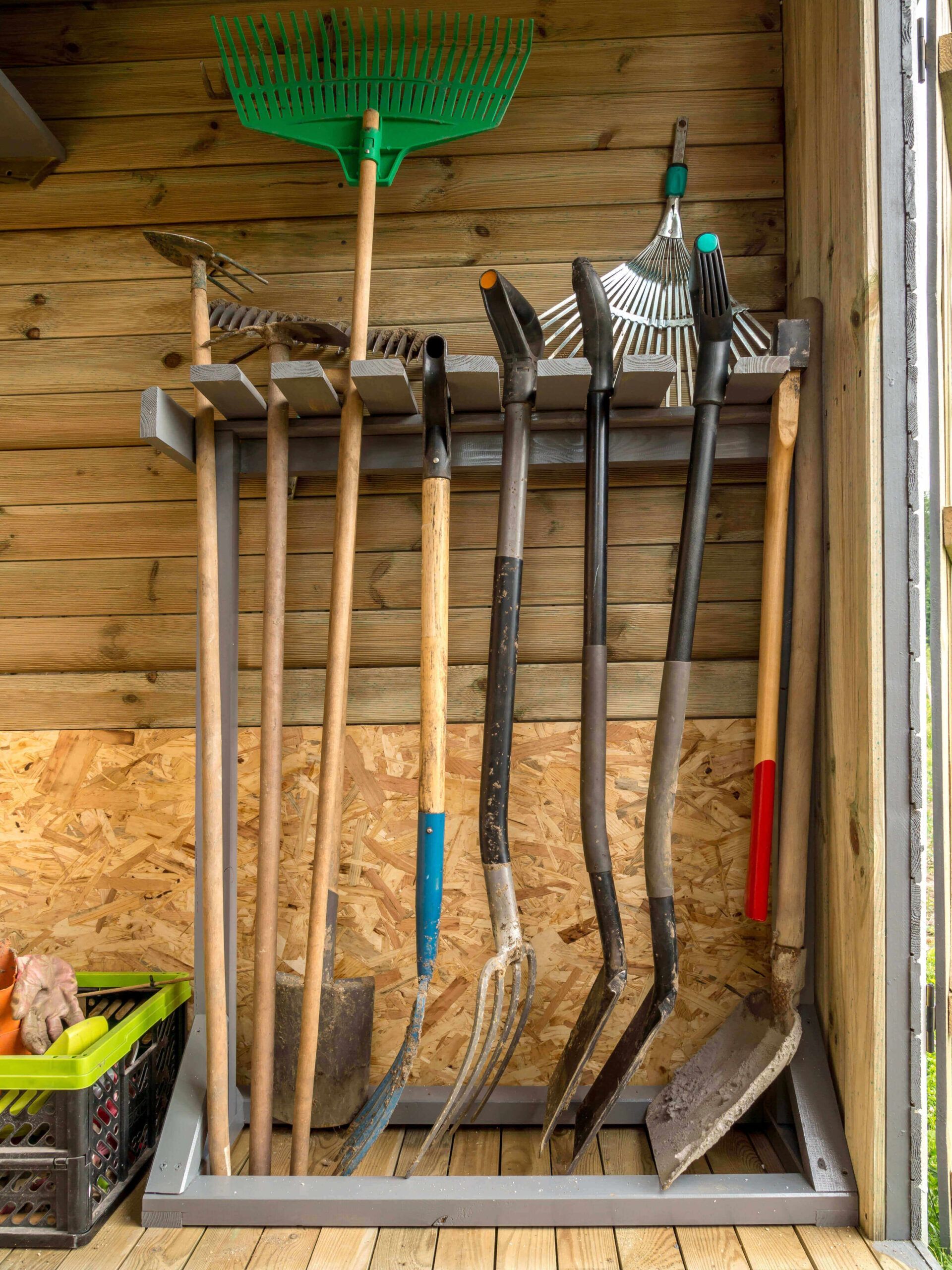
Proper storage plays a huge role in how long your outdoor gear lasts. Most of us have probably experienced the frustration of finding gear that’s been damaged by improper storage. Items stored in damp conditions often develop mold and mildew, while those kept in direct sunlight can fade and weaken over time. The solution lies in smart storage practices that protect your gear from environmental stressors. Invest in breathable storage bags made from natural materials like cotton or mesh. These allow air circulation while keeping moisture at bay. Never store wet gear – always ensure everything is completely dry before putting it away. Consider using silica gel packets to absorb excess moisture in storage areas. For long-term storage, keep gear in a cool, dry place away from direct sunlight. Some people even use cedar blocks or lavender sachets to naturally repel insects that might damage fabrics. Regular rotation of gear helps prevent permanent creasing or stretching. By taking these precautions, you’re essentially investing in your gear’s future lifespan. The upfront effort pays dividends in reduced replacement costs and better performance during your next adventure. Think of storage as a form of preventive maintenance – it’s just as important as cleaning or repairing.
Sustainable Replacement Parts and Materials
Sometimes, gear does reach the end of its useful life, and replacement parts become necessary. The good news is that sustainable options are increasingly available for most outdoor equipment. Look for manufacturers who offer repair kits, replacement components, or take-back programs for old gear. Many companies now provide spare parts like zippers, buckles, or even complete tent poles for their products. When purchasing replacement items, choose those made from recycled materials or produced with minimal environmental impact. Some companies now offer gear made from recycled ocean plastic or reclaimed materials. Additionally, consider purchasing gear from brands that prioritize sustainability in their manufacturing processes. These companies often have better quality control and design products that are easier to repair and maintain. Another approach is to buy second-hand gear from reputable sources. Many outdoor stores offer gently used equipment at significant discounts, and it’s often still in excellent condition. Just make sure to inspect thoroughly before purchasing and ask about the item’s history. This not only reduces waste but also allows you to access high-quality gear at a fraction of the cost. The key is thinking strategically about when and how to replace items, ensuring that every purchase contributes to your long-term goals rather than creating more waste.
Making Maintenance Part of Your Adventure Routine
The final piece of the puzzle is incorporating maintenance into your regular outdoor routine. This means setting aside time after each trip to check your gear and perform basic upkeep. It’s easy to get caught up in the excitement of the adventure and forget about the equipment that made it possible. But establishing a consistent maintenance schedule prevents small problems from becoming major disasters. After every trip, take a few minutes to inspect your gear for damage, clean anything that needs attention, and store items properly. Create a simple checklist to guide your post-trip routine. This might include checking for tears in fabric, cleaning dirty areas, drying wet items, and storing everything appropriately. Making maintenance a habit ensures that your gear remains reliable and ready for your next adventure. It also helps you develop a deeper connection with your equipment, understanding its strengths and limitations. When you know your gear intimately, you’re better prepared to address issues early and make informed decisions about when to repair versus replace. Plus, it’s a chance to reflect on your experiences and plan for future trips. This routine becomes part of your outdoor culture and builds sustainable habits that benefit both you and the environment.
Maintaining outdoor equipment in a zero waste manner isn’t just about being environmentally conscious – it’s about maximizing the value of your investments while respecting the natural spaces you explore. From simple DIY cleaning solutions to strategic repair techniques, these approaches help extend the life of your gear and reduce your environmental impact. The key is adopting a mindset that values preservation over replacement, and seeing maintenance as an opportunity rather than a chore. As you implement these strategies, you’ll find that your gear performs better, lasts longer, and becomes more reliable on every adventure. Remember, the most sustainable approach isn’t necessarily the most expensive one – it’s often the most thoughtful one. By taking care of your outdoor equipment properly, you’re not just protecting your investment; you’re also helping preserve the wilderness areas you love to explore. Every small step toward zero waste maintenance makes a difference, and together, these practices create a powerful movement toward more responsible outdoor recreation. So the next time you’re planning a trip, consider how you can incorporate these sustainable maintenance practices into your routine. Your gear, your budget, and the environment will thank you.