When we think about our impact on the environment, we often focus on big-ticket items like cars, energy bills, or plastic bags. But sometimes the smallest things in our daily lives have the biggest consequences. Take garden hose reels, for instance. These handy devices that help us tidy up our outdoor spaces might seem harmless enough. Yet they quietly contribute to environmental problems in ways that many people never consider.
Picture this: You’re watering your garden after a long day at work. You roll out your garden hose, maybe even one of those fancy reel systems that keep everything neat and organized. It’s satisfying, right? But what if I told you that your seemingly innocent choice could be contributing to water waste, pollution, and resource depletion? That’s exactly what happens with garden hose reels. They’re not just storage solutions—they’re part of a larger system that affects our planet. The truth is, every decision we make about our outdoor spaces matters. And when we talk about sustainability, we often overlook these small but significant elements that make up our daily routines.
What Exactly Are Garden Hose Reels?
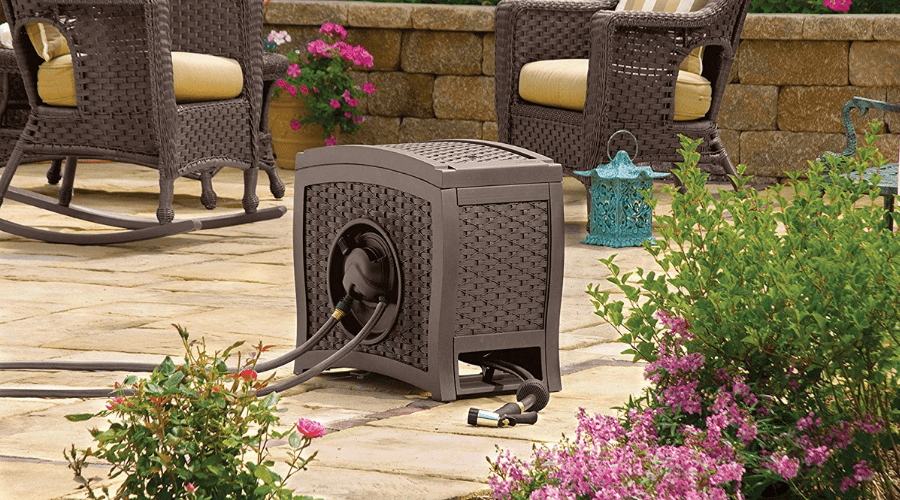
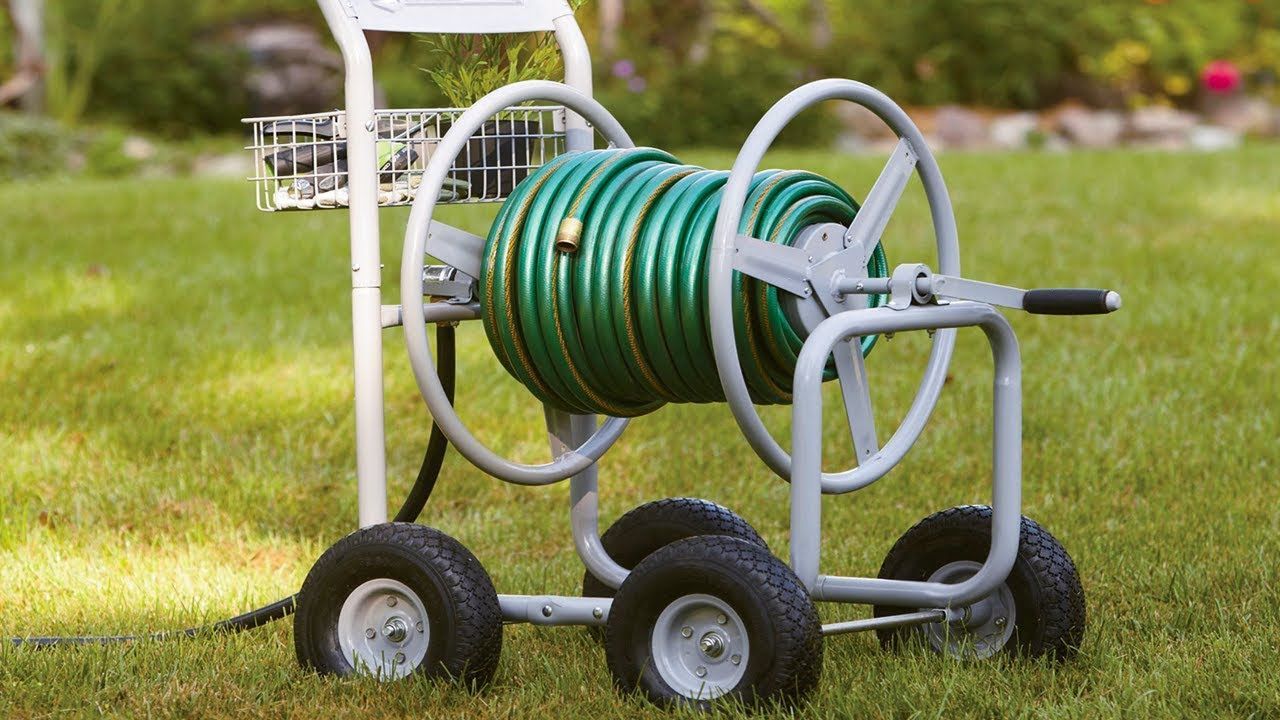
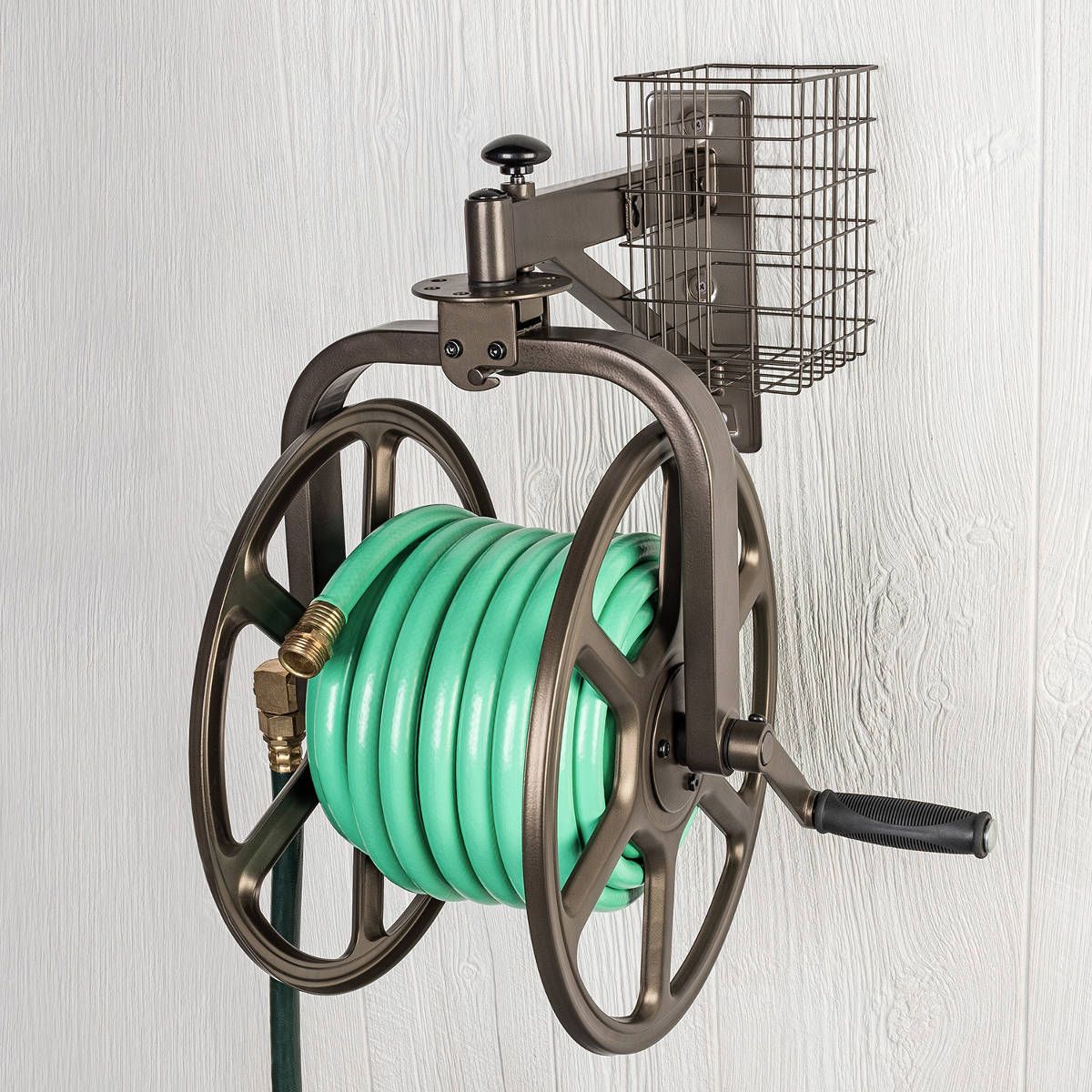
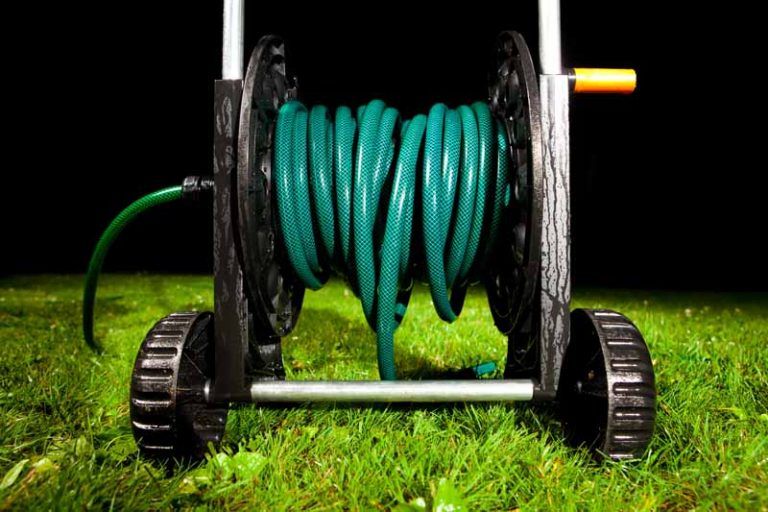
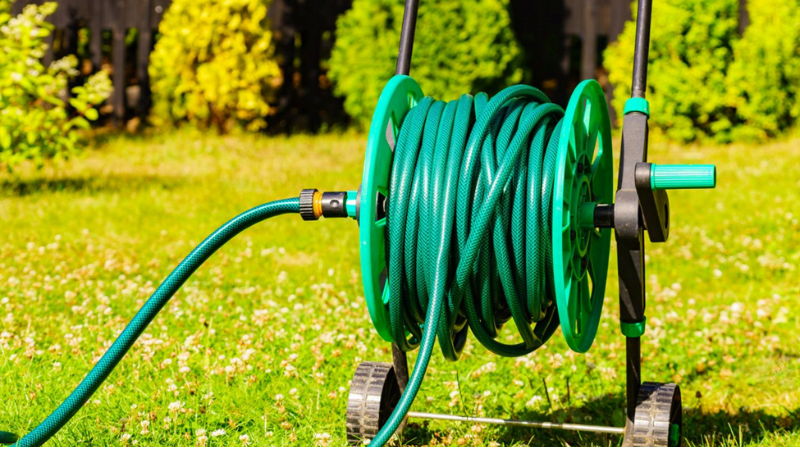
Let’s start with basics. Garden hose reels are mechanical devices designed to store and organize garden hoses. They come in various forms: manual reels, electric reels, and even smart versions that automatically retract. The idea is simple—keep your hose neatly stored when not in use. But here’s where it gets interesting. These devices aren’t just made from plastic and metal. They’re crafted using materials that have their own environmental costs. For example, many reels are constructed with PVC plastic, which requires petroleum-based materials. And when we look at the manufacturing process, it involves energy consumption and chemical treatments that impact our ecosystem. The materials used in these products often come from non-renewable sources. Think about it: every time you buy a new reel, you’re supporting a production chain that extracts resources from the earth. And not all of those resources are sustainable. Some are finite and will eventually run out. That means each purchase has a ripple effect that extends far beyond your backyard. Plus, the packaging for these items adds another layer of environmental concern. Many are wrapped in plastic, shipped across the globe, and then end up in landfills when they’re replaced. It’s a cycle that’s easy to miss but hard to ignore.
Water Waste and Conservation Issues
Here’s where things get really important. Garden hose reels are meant to make gardening easier, but they often lead to more water usage than necessary. When we have a hose that’s easily accessible and well-organized, we tend to use it more frequently. This isn’t necessarily bad—watering plants is essential. But there’s a fine line between proper hydration and wasteful habits. A standard garden hose can use anywhere from 2 to 10 gallons of water per minute. That’s a lot of water! If you’re not careful, your hose reel setup might actually increase your water consumption. Consider this: a typical household uses about 300 gallons of water per day. If your hose reel encourages longer watering sessions or more frequent watering, it could add significantly to that total. Moreover, the way we use hoses directly impacts local water supplies. In drought-prone areas, this can be particularly problematic. Many communities are already dealing with water scarcity issues. So, when we choose to use a hose reel without thinking about conservation, we’re potentially adding pressure to already stressed systems. What if we could reduce water usage while still maintaining our gardening routines? That’s where sustainable choices become crucial. We don’t have to give up convenience entirely. Instead, we can look for ways to make our habits more mindful.
Material Production and Resource Consumption
The materials that go into making garden hose reels are worth examining closely. Most modern reels are built with a combination of plastics and metals. Plastics, particularly PVC, require significant amounts of oil and gas to produce. The extraction of these fossil fuels has its own environmental toll. Oil drilling and refining processes release pollutants into air and water. And let’s not forget the energy required to manufacture these materials. Manufacturing plastics is energy-intensive. It involves heating raw materials to extremely high temperatures, which burns fossil fuels. Metal components add another dimension. Aluminum and steel production also consume enormous amounts of energy. The mining of raw materials creates habitat destruction and pollution. Even the simple act of making a hose reel involves multiple stages of processing. Each step uses resources and generates waste. Then there’s the issue of durability. Many hose reels are built to last only a few years. That means consumers must replace them regularly. This creates a continuous demand for new materials and increases overall consumption. Some manufacturers are starting to use recycled materials, which is a positive development. But it’s not widespread yet. The reality is that most reels are made from virgin materials. And that’s a problem because we’re depleting natural resources faster than they can regenerate. Every time we buy a new reel, we’re asking for more of these finite resources. It’s a cycle that’s difficult to break without conscious effort.
End-of-Life Problems and Landfill Impact
Once a garden hose reel reaches the end of its useful life, it becomes another environmental challenge. Most of these products aren’t designed for easy recycling. They’re a mixture of different materials that are difficult to separate. Plastic components often end up in landfills where they can take hundreds of years to decompose. The metals inside also pose problems. They may not be recyclable through standard programs. Many local recycling centers don’t accept garden hose reels, so they simply disappear into waste streams. This isn’t just about one item—it’s about the cumulative effect of millions of discarded reels. Imagine if every household in a city replaced their reel every five years. That’s a lot of waste. The situation is made worse by the fact that many people don’t know what to do with old reels. They might throw them away without considering alternatives. Some are even thrown into nature, creating litter problems. What’s worse, some older models contained harmful chemicals. These substances can leach into soil and groundwater over time. It’s a slow but steady form of pollution. Even newer products aren’t immune to this issue. The manufacturing process often includes additives that aren’t environmentally friendly. The bottom line is that we need to think about what happens after we stop using something. Sustainable design would include considerations for end-of-life disposal. But unfortunately, that’s not always the case with garden hose reels. We’re essentially creating waste that persists long after we’ve moved on to new products.
Sustainable Alternatives and Better Choices
But here’s the good news: there are better options available. Sustainable garden hose reels exist and they’re getting better all the time. Look for products made from recycled materials. Some companies now offer reels constructed with recycled plastics and metals. These are better for the environment because they reduce the need for virgin materials. Another approach is choosing longer-lasting designs. Quality construction means fewer replacements and less overall consumption. Some manufacturers are focusing on durability rather than trends. They’re building reels that can withstand years of use. This reduces both material consumption and waste generation. Smart technology also plays a role. Some newer models feature sensors that automatically shut off water flow when not in use. Others have adjustable spray settings that help conserve water. These features don’t just save money—they also reduce environmental impact. Consider buying secondhand or refurbished reels when possible. This extends product lifecycles and reduces demand for new materials. Many online marketplaces and local groups offer gently used garden equipment. It’s a win-win situation for both your wallet and the planet. Additionally, some retailers now offer take-back programs where customers can return old reels for proper disposal. This helps ensure materials are handled responsibly rather than ending up in landfills. Making informed choices means researching brands and their environmental policies. Not every company is committed to sustainability, but there are growing numbers of businesses that prioritize eco-friendly practices. It’s worth doing a little research before purchasing.
How Individual Actions Create Larger Change
It’s easy to feel overwhelmed when thinking about environmental issues. After all, we’re just one person among billions. But individual actions do matter. When we make sustainable choices about garden hose reels, we’re participating in a larger movement. Every time someone chooses a reusable or recycled product instead of a disposable one, they’re sending a message. That message influences manufacturers and retailers. It shows them that consumers care about environmental impact. And that can drive change in the industry. If enough people start demanding sustainable products, companies will respond. They’ll invest more in eco-friendly materials and processes. This creates a virtuous cycle where better options become more accessible and affordable. Small changes compound over time. If everyone in a community made a similar shift, the collective impact would be significant. Think about it: a neighborhood of 100 households, each replacing their old reel with a sustainable alternative, would prevent hundreds of pounds of waste. Multiply that by cities and regions, and you see the potential for real environmental improvement. Our choices also influence future generations. By making responsible decisions today, we’re setting a precedent for how others will approach similar situations. Sustainability isn’t just about protecting the environment—it’s about creating a better world for everyone. Every time we think twice about what we buy and how we use it, we’re contributing to that vision. The garden hose reel might seem like a small detail, but it’s part of a much bigger picture.
Garden hose reels might appear to be simple, unremarkable items, but they carry hidden environmental consequences that deserve attention. From the materials used in their construction to the water they help waste, these devices reflect broader patterns in how we interact with our environment. The good news is that awareness leads to action. By choosing sustainable alternatives, supporting responsible manufacturers, and being mindful of our usage habits, we can turn these small decisions into meaningful change. It’s not about perfection—it’s about progress. Every thoughtful choice we make contributes to a healthier planet. Whether it’s selecting a durable reel, using water wisely, or properly disposing of old ones, we all have the power to make a difference. The next time you reach for your garden hose reel, remember that you’re not just organizing your garden—you’re making a statement about the kind of world you want to live in. And that’s a powerful thing.