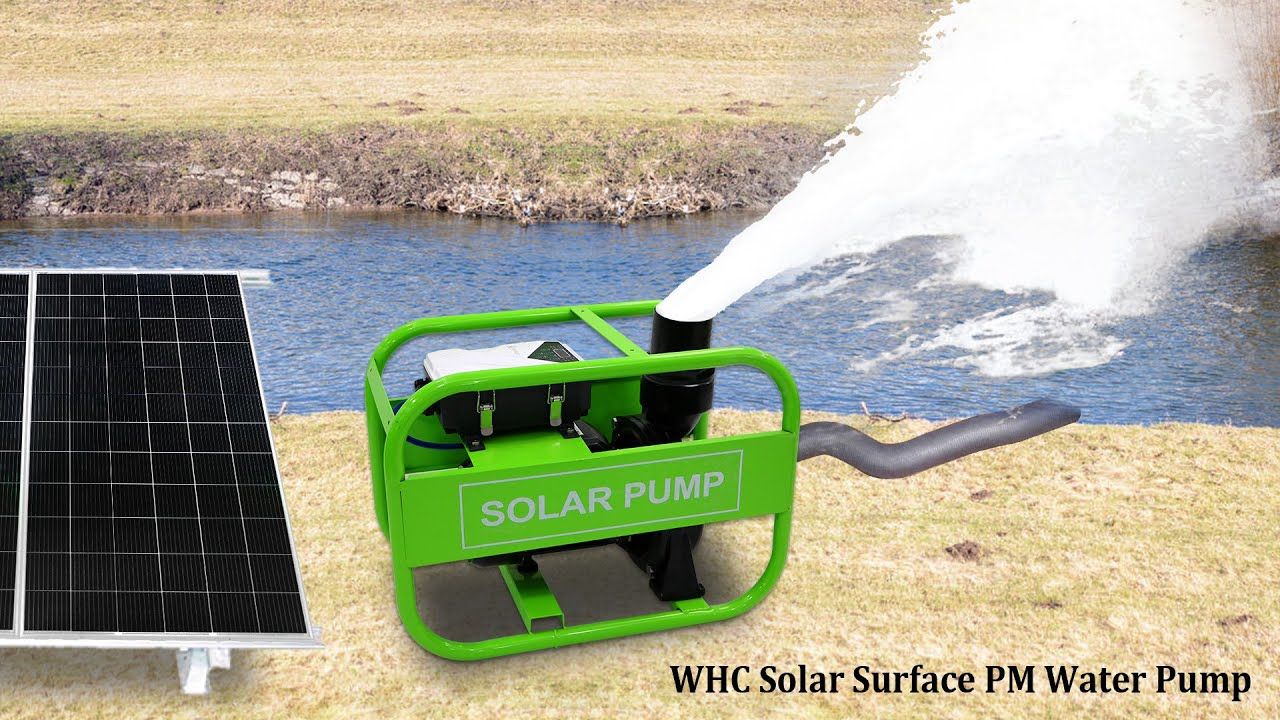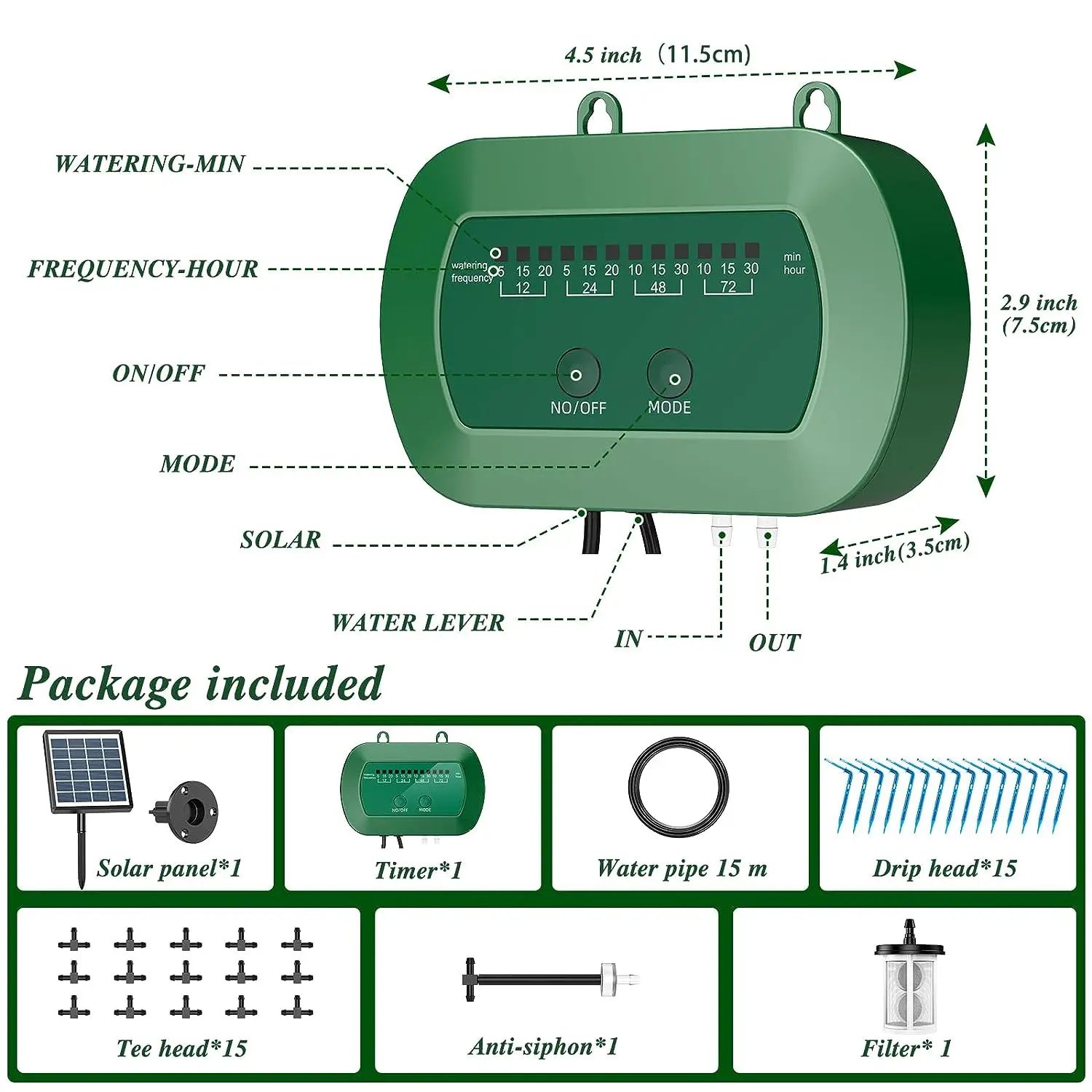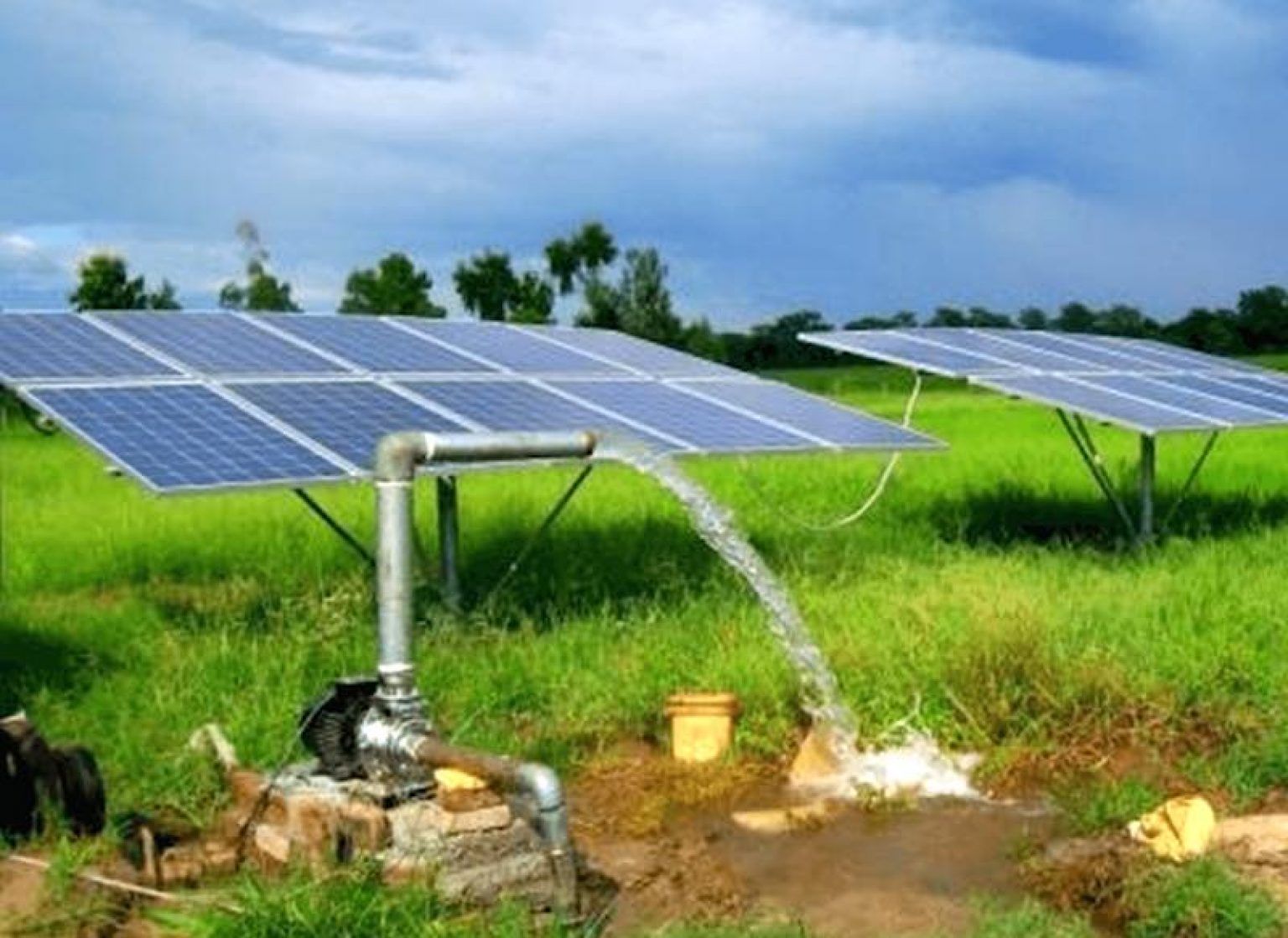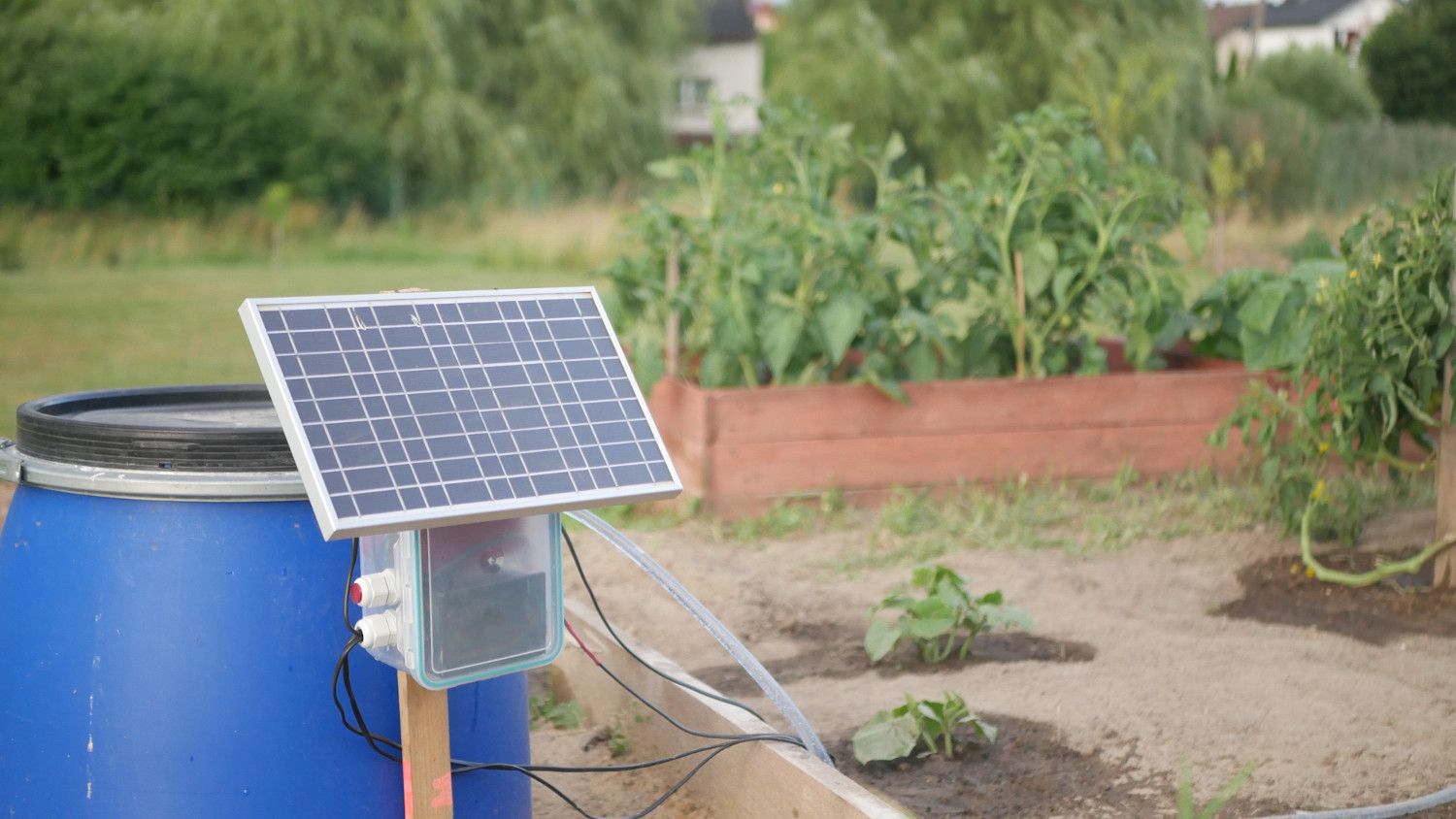
There’s something magical about watching water dance across your garden, powered entirely by the sun’s energy. But to keep that magic going year-round, your solar garden pump needs some TLC. Whether you’re a seasoned gardener or just starting out, understanding how to properly maintain your solar pump through different seasons can mean the difference between a thriving fountain and a disappointing dry patch.
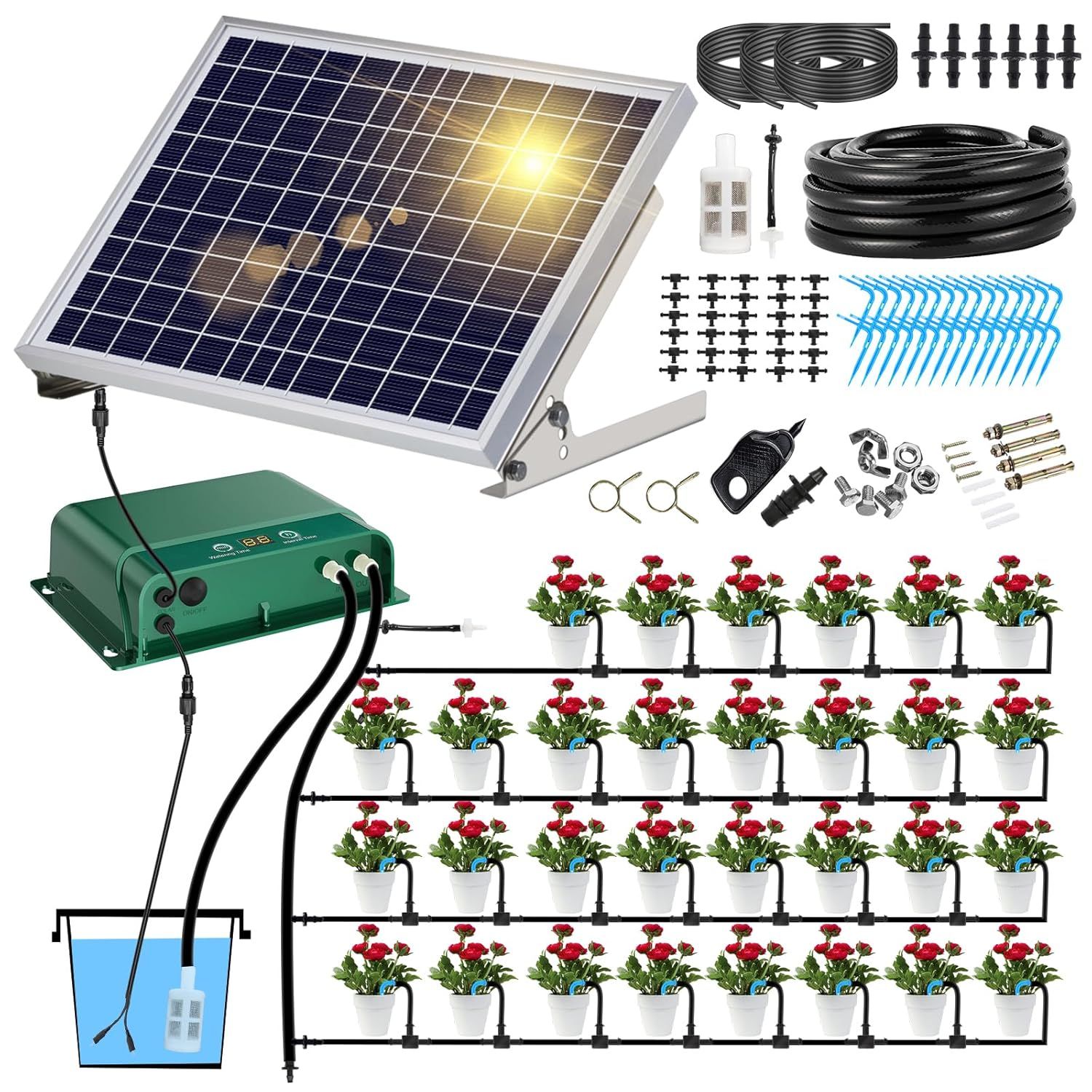
Solar garden pumps have become increasingly popular among environmentally conscious gardeners and those looking to reduce their electricity bills. These nifty devices harness sunlight to circulate water through fountains, ponds, and irrigation systems. However, like any mechanical device, they require regular attention to function at their best. The key lies in understanding how seasonal changes affect performance and taking proactive steps to protect your investment. From scorching summer heat to freezing winter conditions, each season presents unique challenges that demand specific care strategies. Let’s dive into what every garden owner should know about keeping their solar pump running smoothly through every season.
Spring: Getting Ready for the Growing Season
Spring is when we start thinking about fresh starts and new growth. For your solar pump, spring means preparing for peak performance. As temperatures rise and daylight hours increase, your pump will be working harder than ever. Check that all connections are secure and that the solar panel is clean and unobstructed. Remove any debris that might have accumulated over winter months. It’s also a good time to inspect the pump itself for any signs of wear or damage.
Consider this: if your pump was sitting idle all winter, it might need a gentle wake-up call. Start it up slowly and monitor its performance. If you notice unusual noises or reduced water flow, it could indicate issues that need addressing before summer arrives. Spring is also the perfect time to clean the pump housing and check that the impeller moves freely. A little maintenance now can prevent bigger problems later.
Summer: Maximizing Performance Under the Sun
Summer brings the most intense testing for your solar pump. With longer days and stronger sunlight, you’d expect optimal performance. But high temperatures can actually stress your system. Watch for signs of overheating, especially during peak afternoon hours. Ensure your pump is positioned where it receives maximum sun exposure, and consider adjusting angles if needed.
Keep an eye on water levels in your pond or fountain. During hot weather, evaporation increases dramatically, and low water levels can cause the pump to work inefficiently or even damage itself. Water that’s too shallow may cause the pump to cavitate, creating air bubbles that reduce performance.
One common issue during summer is clogging from algae growth or debris. Regular cleaning becomes essential. Clean the pump filter monthly during peak season, and don’t forget to check that the solar panel isn’t covered by leaves or dust. Even a small amount of shade can significantly reduce efficiency.
Autumn: Preparing for Winter’s Arrival
As autumn leaves begin to fall, it’s time to think about protecting your solar pump for the colder months ahead. This transition period is crucial for maintaining pump longevity. Start by thoroughly cleaning the entire system, removing any organic matter that might cause problems during storage.
Check the electrical connections carefully. Moisture and temperature changes can cause corrosion, especially if your pump has been exposed to rain. Apply a light coating of protective oil to moving parts to prevent rust. Also, examine the solar panel for any cracks or damage that might have occurred during the active season.
Consider the timing of your autumn maintenance. If you’re planning to store the pump, do so in a dry location away from freezing temperatures. Many gardeners find it helpful to remove the pump from the water entirely during winter months, especially in areas where frost occurs regularly. This simple step can extend pump life significantly.
Winter: Protecting Against Freezing Conditions
Winter maintenance often gets overlooked, but it’s critical for preserving your solar pump’s functionality. In regions where temperatures drop below freezing, water inside the pump can expand and cause serious damage. Before the first frost, drain all water from the pump and plumbing system.
This process requires careful attention. Remove the pump from its mounting and empty any remaining water from the housing. Check that all connections are properly sealed and that no water remains in the pump’s internal chambers. If your system includes tubing, drain it completely as well.
Store your pump in a dry, protected area. A garage or shed works well, provided it stays above freezing. If you must leave it outside, cover it with a waterproof material to protect against moisture and ice buildup. Some gardeners prefer to store components separately, which makes future installation much easier.
Remember that even during winter, solar panels can accumulate snow and ice, reducing their effectiveness. Clear away any accumulation gently, being careful not to damage the delicate photovoltaic cells.
Year-Round Care Essentials
Beyond seasonal changes, there are some fundamental practices that apply all year round. Regular inspection should become part of your routine gardening schedule. Look for signs of wear, loose fittings, or unusual sounds during operation.
Keep a maintenance log to track performance and identify trends. Note when you perform checks, what issues you discover, and any repairs made. This record helps predict when problems might occur and allows for better planning.
Water quality matters more than many people realize. Hard water can leave mineral deposits that clog filters and reduce efficiency. Consider installing a filtration system if you have particularly hard water.
Finally, invest in quality replacement parts. While it might seem expensive upfront, using genuine or compatible parts ensures reliability and prevents costly failures. Always keep spare components like filters and seals on hand for quick replacements.
Troubleshooting Common Issues
Even with proper maintenance, solar pumps can develop problems. Understanding basic troubleshooting can save time and money. If your pump suddenly stops working, check that it’s receiving adequate sunlight. Sometimes a simple repositioning solves the problem.
Low water pressure often indicates clogged filters or pipes. Clean or replace filters regularly, and flush the system periodically to remove buildup. Air bubbles in the system usually signal insufficient water levels or air leaks in the plumbing.
Motor problems typically manifest as unusual noises or failure to start. These often require professional attention, but checking for obvious blockages or electrical issues first can save unnecessary service calls. Remember that some issues may be seasonal – for example, excessive vibration during summer might indicate overheating rather than mechanical problems.
Don’t ignore warning signs. A pump that’s struggling to maintain normal operation during peak season likely needs immediate attention. Early intervention prevents minor issues from becoming major repairs.
Taking care of your solar garden pump through the changing seasons isn’t just about keeping it functional – it’s about maximizing the joy it brings to your outdoor space. When you approach maintenance with the right knowledge and consistent attention, your pump becomes a reliable partner in creating beautiful water features year after year. The effort you put into seasonal care pays dividends in performance, reliability, and peace of mind. Whether it’s spring preparation, summer optimization, autumn protection, or winter preservation, each phase of the annual cycle offers opportunities to enhance your pump’s lifespan and effectiveness. Remember that a well-maintained solar pump isn’t just a tool – it’s an investment in your garden’s beauty and your own enjoyment of the outdoors. With these tips, you’ll be equipped to handle whatever nature throws at your solar-powered water feature.