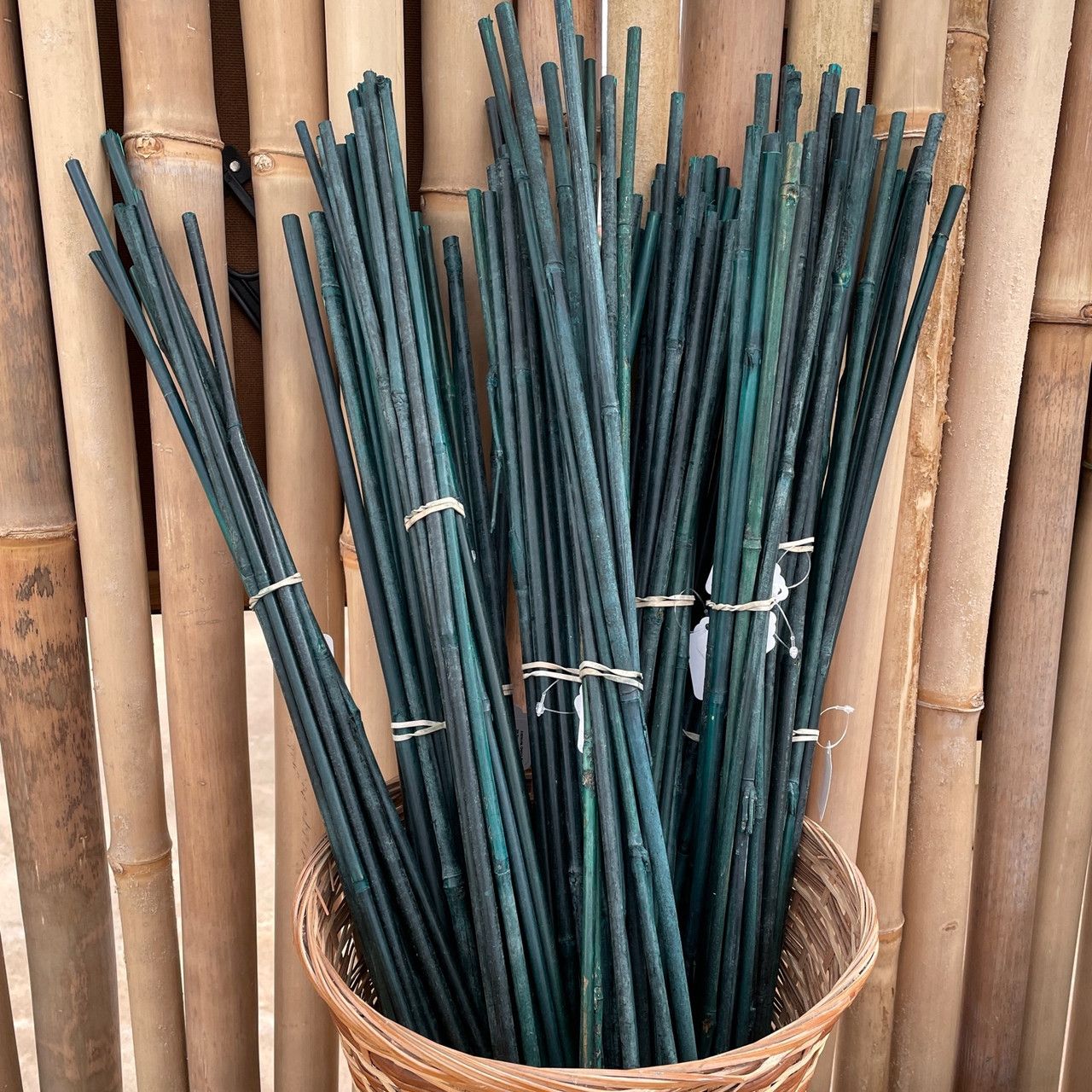
When it comes to supporting your plants, not all stakes are created equal. While gardeners have traditionally relied on plastic and wood, there’s growing evidence that bamboo stands head and shoulders above the competition. But what makes bamboo so special? Let’s dive into the science behind why bamboo stakes are superior.
Gardeners everywhere are discovering something remarkable about bamboo stakes. These humble garden tools aren’t just trendy – they’re backed by solid science. Picture this: you’re tending to your tomato plants, and you notice that one stake has held strong while others have failed. What gives? It turns out that the material matters more than you might think. This isn’t just about aesthetics or cost – it’s about understanding how different materials interact with plant growth, soil conditions, and environmental factors.
Bamboo’s Natural Strength and Flexibility
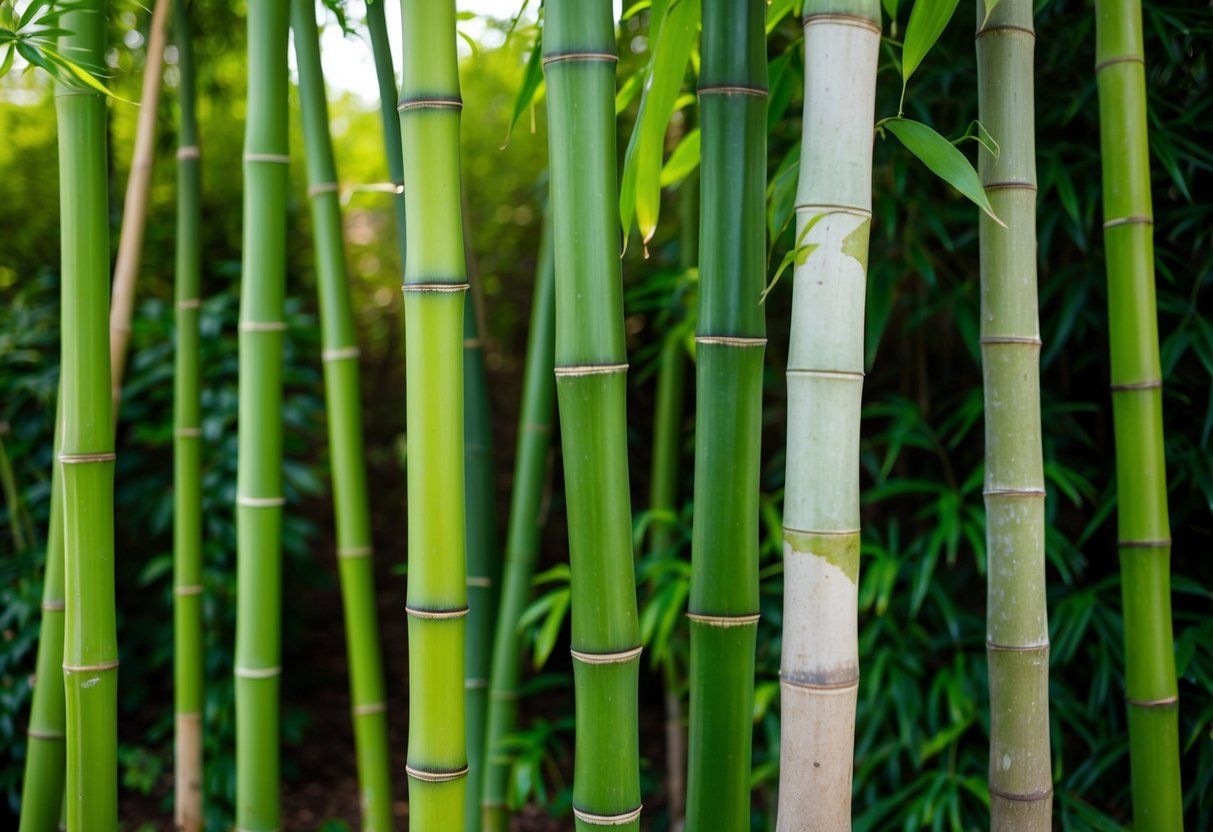
Bamboo isn’t just another plant – it’s actually a grass with incredible structural properties. The secret lies in its unique cellular structure. Unlike rigid wooden stakes that can snap under pressure, bamboo contains natural flexibility that allows it to bend without breaking. Think about it: bamboo forests can withstand hurricane-force winds because individual stalks flex rather than snap. This same quality makes bamboo stakes ideal for supporting plants that sway in the breeze.
The tensile strength of bamboo is impressive. It can handle loads that would crush regular wood, yet it remains lightweight enough for easy handling. A single bamboo stake can support heavy vegetables like tomatoes or cucumbers without bending over time. When you compare this to plastic stakes that become brittle and crack after months of exposure, bamboo clearly wins in terms of durability.
Environmental Impact Comparison
The ecological footprint of garden stakes goes beyond their lifespan. Plastic stakes are made from petroleum-based products that take centuries to decompose. They often end up in landfills or oceans, breaking down into microplastics that harm marine life. Wooden stakes, while biodegradable, require cutting down trees and often involve chemical treatments that can leach into soil.
Bamboo, on the other hand, grows incredibly fast – some species can grow up to three feet in a single day. It regenerates from its root system after harvesting, making it virtually renewable. This means less deforestation and fewer carbon emissions compared to traditional wood sources. Studies show that bamboo absorbs 12 times more carbon dioxide than trees during the same growing period. Plus, bamboo stakes naturally decompose within a few months, returning nutrients to the soil rather than polluting it.
Chemical Leaching and Soil Health
Here’s where things get really interesting for gardeners concerned about soil quality. Plastic stakes can slowly release harmful chemicals into the soil over time. These include phthalates and bisphenol-A, which can disrupt plant hormone systems and potentially affect the food we grow. Wooden stakes, especially those treated with preservatives, may contain copper or arsenic compounds that can accumulate in soil.
Bamboo stakes, being naturally occurring, don’t introduce these chemicals into your garden. They’re completely organic and safe for direct contact with soil and plant roots. In fact, research shows that bamboo stakes actually improve soil health over time as they decompose, adding beneficial organic matter and microorganisms that support plant growth. You’re essentially creating a natural fertilizer while providing plant support.
Longevity and Performance Over Time
Let’s talk about real-world performance. How do these stakes hold up against the elements? Plastic stakes typically begin to degrade within six months, becoming brittle and losing their structural integrity. They may crack or warp in extreme temperatures, forcing gardeners to replace them frequently.
Wooden stakes are prone to rotting, especially in humid conditions. They often develop mold or fungal growth that can spread to nearby plants. They also attract insects like termites that can damage both the stake and surrounding vegetation.
Bamboo stakes, however, demonstrate remarkable resilience. They resist weathering, insects, and decay much better than wood. Many gardeners report using the same bamboo stakes for several seasons without replacement. Their natural silica content provides extra protection against pests and moisture. This longevity means less waste and more value for gardeners.
Cost-Effectiveness Analysis
When you look at the big picture, bamboo stakes offer excellent value. Yes, they might cost slightly more initially than plastic stakes, but consider the total cost over time. Plastic stakes need replacing every season, while bamboo stakes can last multiple years. For gardeners with large vegetable patches, this difference adds up quickly.
A study conducted by the University of California found that gardeners using bamboo stakes saved approximately $45 per 100 square feet over five years compared to plastic alternatives. This savings comes from reduced replacement costs and the fact that bamboo stakes don’t need chemical treatments or special storage. Additionally, since bamboo stakes decompose naturally, they eliminate disposal costs entirely.
Practical Applications and Benefits
What does this mean for everyday gardeners? Let’s break down the practical advantages:
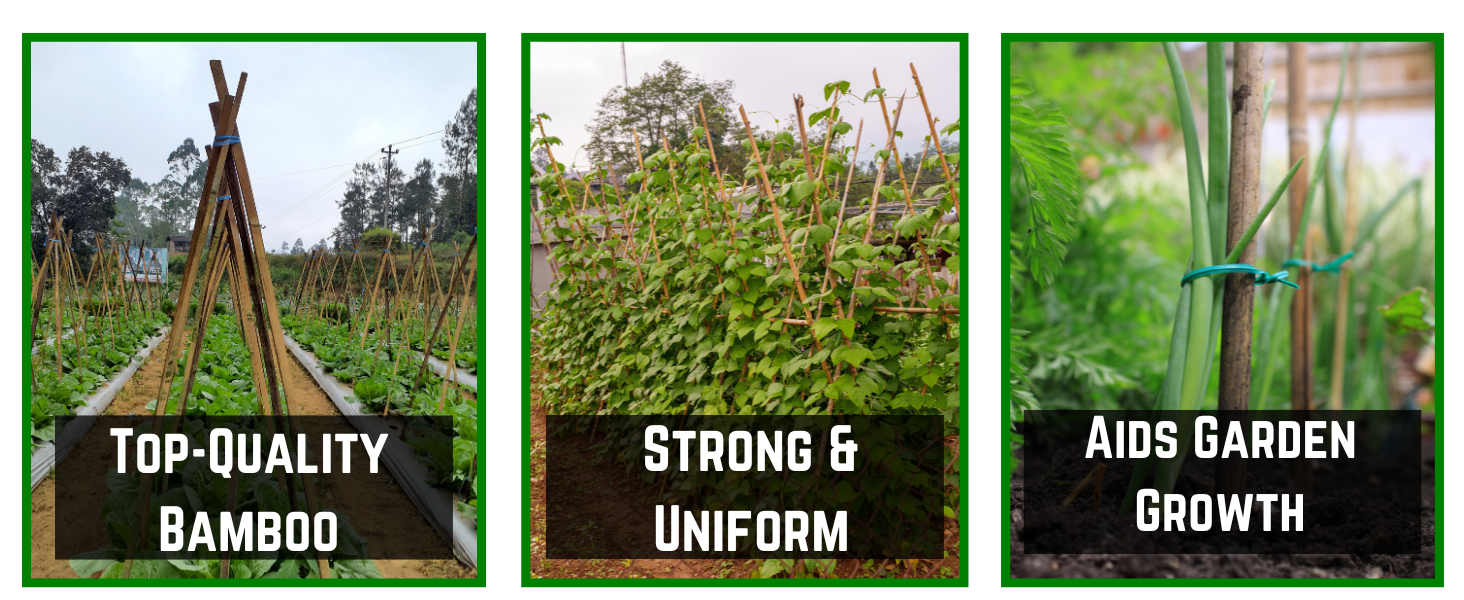
• Tomato support: Bamboo stakes provide excellent stability for indeterminate tomato varieties that can grow up to eight feet tall
• Cucumber and squash: The natural flexibility helps accommodate plant movement without breaking
• Flower gardens: They blend naturally with plantings and add rustic charm
• Container gardening: Lightweight bamboo stakes are easy to manage in pots
• Organic farming: Perfect for certified organic gardens that avoid synthetic materials
Gardeners also appreciate that bamboo stakes don’t require special tools for installation. They’re easy to drive into soil and can be trimmed to exact heights. The natural texture also prevents slippage, keeping plants securely supported throughout their growing season.
The evidence is clear: bamboo stakes represent a smarter choice for gardeners who want effective plant support without compromising environmental values. From their natural strength and flexibility to their eco-friendly decomposition, bamboo stakes offer benefits that go far beyond simple functionality. While plastic stakes may seem convenient in the short term, bamboo’s proven track record of durability, safety, and sustainability makes it the superior option for serious gardeners. Whether you’re maintaining a small herb garden or managing a large vegetable patch, choosing bamboo stakes means investing in a solution that supports both your plants and the planet. The next time you’re shopping for garden supplies, remember that sometimes the most sustainable choice is also the most practical one.