Imagine this: you’ve carefully set up your worm bin, added all the right materials, and everything seems perfect. But then, nothing happens. The worms aren’t thriving, the compost isn’t breaking down properly, and your kitchen scraps are just sitting there. What could be missing? It might not be what you think. Sometimes, the most overlooked element in vermicomposting is something as simple as water management. Yes, you heard that right – the humble watering tool can be the difference between a thriving worm bin and a disappointing mess.
Vermicomposting has become increasingly popular among environmentally conscious households, and for good reason. It’s an efficient way to turn kitchen scraps into nutrient-rich compost while reducing waste. However, many people struggle with their vermicomposting efforts, often overlooking one critical component that can make all the difference in their success. This isn’t about fancy equipment or expensive supplements. This is about understanding how water management affects the delicate ecosystem within your worm bin. Water isn’t just about keeping things moist – it’s about creating the right environment for your worms to thrive. When you get the watering right, everything else tends to fall into place. Let’s explore how the right watering tool becomes the unsung hero of your composting journey.
The Critical Role of Moisture in Vermicomposting
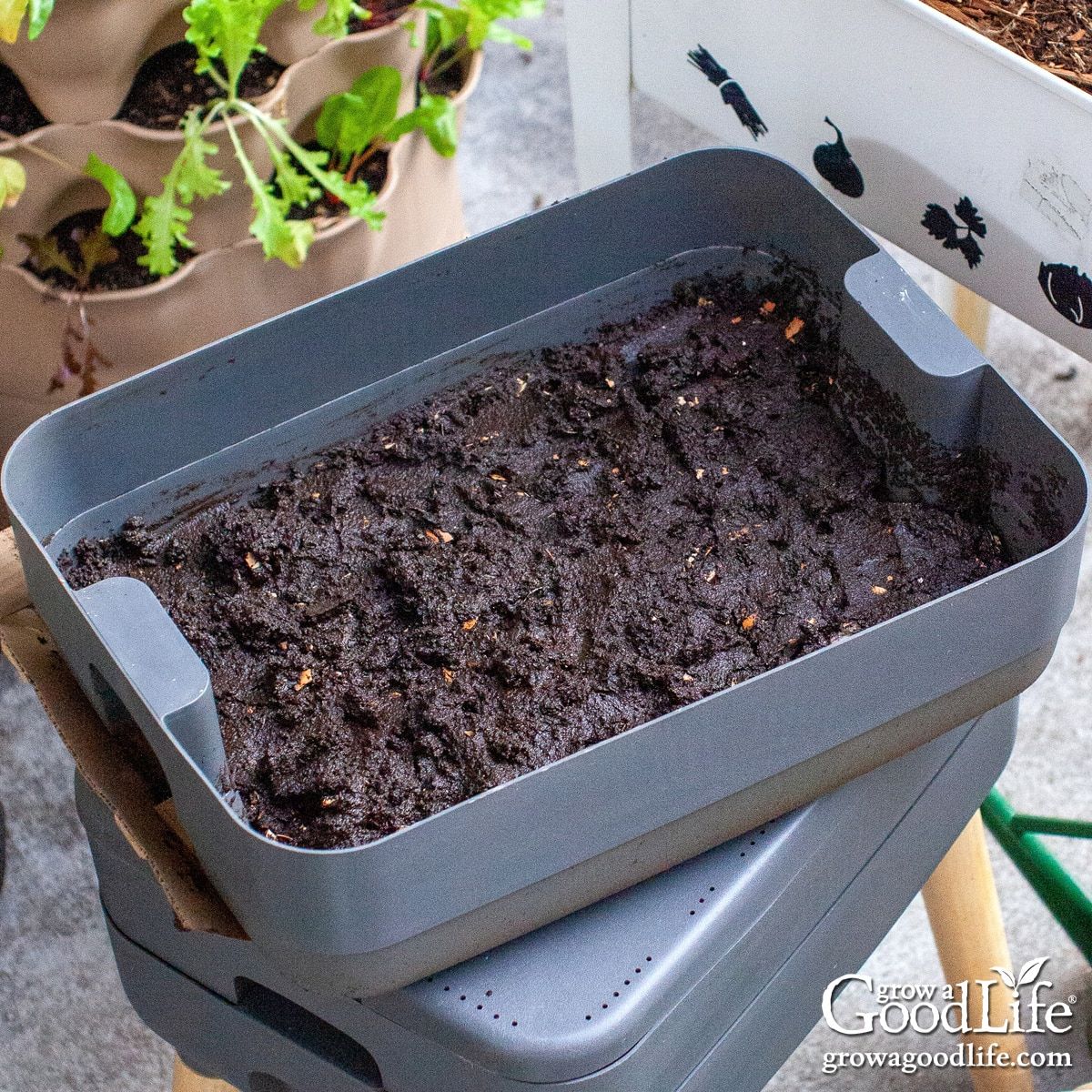
Moisture is like the heartbeat of your worm bin. It’s essential for the worms’ survival and the decomposition process. Think of it this way – worms breathe through their skin, and they need to keep that skin moist to function properly. Too little water, and your worms will dry out and die. Too much water, and they’ll drown. The sweet spot is usually around 70-80% moisture content in the bedding material. That’s roughly the consistency of a wrung-out sponge. When you add kitchen scraps to your bin, they release moisture naturally. But sometimes, especially during dry weather or in certain climates, additional watering becomes necessary. Without proper moisture levels, organic matter decomposes very slowly. You’ll notice that your bin becomes less active, the worms seem sluggish, and your compost takes forever to mature. This is where the watering tool comes into play, helping you maintain those crucial moisture levels consistently.
Types of Worm Bin Watering Tools Available
There’s more than one way to deliver water to your worm bin, and each method has its pros and cons. Let’s take a look at the main categories:
• Spray bottles: These are probably the most common choice for beginners. They offer fine control over water distribution and allow you to target specific areas.
• Watering cans: These provide a steady stream and are great for larger bins or when you need to water multiple areas at once.
• Drip systems: More advanced setups that can be automated, providing consistent moisture levels without constant attention.
• Misting nozzles: Specialized attachments that create a fine mist, ideal for delicate situations.
Each type serves different purposes depending on your bin size, setup, and personal preferences. Some people swear by spray bottles because they’re cheap, easy to find, and give them precise control. Others prefer watering cans for their capacity and ease of use during larger watering sessions. The key is finding what works best for your situation. Consider factors like how often you water, the size of your bin, and whether you want manual or automatic solutions.
Eco-Friendly Watering Solutions for Sustainability
In today’s world, sustainability matters more than ever. When choosing a watering tool for your worm bin, consider eco-friendly options that align with your environmental values. Many traditional watering cans and spray bottles are made from plastic that ends up in landfills. But there are alternatives that are both functional and environmentally responsible. Look for watering tools made from recycled materials or sustainable resources like bamboo or reclaimed wood. Some companies now offer biodegradable spray bottles made from plant-based plastics. Even the water source itself matters. Collecting rainwater in barrels can provide a natural, chemical-free option for your worm bin. You can also use greywater from activities like washing vegetables or rinsing dishes. These approaches not only reduce your environmental impact but also provide beneficial minerals and nutrients that enhance your composting process. The beauty of eco-friendly watering tools is that they don’t compromise on performance while supporting your broader sustainability goals.
Proper Watering Techniques and Best Practices
Using the right watering tool is only half the battle. The technique matters just as much. Here are some proven methods that work well:
• Water lightly and frequently: Instead of large amounts of water infrequently, opt for smaller amounts more often. This helps maintain consistent moisture without oversaturating.
• Target the bedding: Focus your watering on the bedding material rather than directly on food scraps or worms. This prevents waterlogging and maintains the right conditions.
• Check moisture levels regularly: Use your finger or a moisture meter to test the bedding. The ideal consistency should feel damp but not soggy.
• Avoid overwatering: Signs of too much water include pooling at the bottom, strong odors, and sluggish worm activity.
Many new composters make the mistake of watering too heavily at once, thinking they’re doing their worms a favor. In reality, it often creates more problems than it solves. The key is to develop a routine and stick to it. Pay attention to how your bin responds to watering and adjust accordingly. Different seasons and weather conditions require different approaches.
Troubleshooting Common Watering Issues
Even with the best intentions, problems can arise. Here are some common watering challenges and their solutions:
• Too dry: If your bin feels dry and your worms seem stressed, increase watering frequency. Start with small amounts and gradually build up.
• Too wet: Excessive moisture leads to anaerobic conditions, which cause bad smells and slow decomposition. Reduce watering and improve air circulation.
• Uneven distribution: If some areas of your bin stay drier than others, try using a wider spray pattern or a watering can with a diffused nozzle.
• Watering too close to food scraps: This can create anaerobic pockets and attract pests. Always water away from food sources.
These issues often stem from improper watering techniques rather than faulty equipment. By learning to recognize the signs and adjusting your approach, you can quickly resolve most problems. Keep a log of your watering practices and how your bin responds – this will help you fine-tune your approach over time.
Maintaining Your Watering Equipment for Longevity
Just like any tool, your watering equipment needs care to last. Regular maintenance ensures consistent performance and extends the life of your investment. Clean your spray bottles after each use to prevent mineral buildup and bacterial growth. Check watering cans for cracks or damage that might affect water flow. For drip systems, monitor for clogs and clean components regularly. Some people even recommend rinsing equipment with vinegar solution periodically to remove mineral deposits. Store your watering tools in a dry location away from direct sunlight, which can degrade plastic components. Having backup equipment is smart too – it prevents your composting process from stalling if something breaks. A little maintenance goes a long way toward ensuring your worm bin stays healthy and productive.
The relationship between watering tools and successful vermicomposting is more intimate than many people realize. It’s not just about getting water into your bin – it’s about creating the right conditions for your worms to do their amazing work. From choosing the right tool for your needs to developing good watering habits, every decision impacts your composting success. Remember that the best watering tool isn’t necessarily the most expensive one, but rather the one that fits your lifestyle and supports your composting goals. Whether you’re a seasoned composter or just starting out, taking time to understand water management will pay dividends in healthier worms, faster decomposition, and better quality compost. Don’t underestimate the power of a well-chosen watering tool – it might just be the secret ingredient that transforms your vermicomposting from frustrating to fantastic. The next time you water your bin, take a moment to appreciate how this simple action contributes to a complex, living ecosystem that’s turning your waste into garden gold.