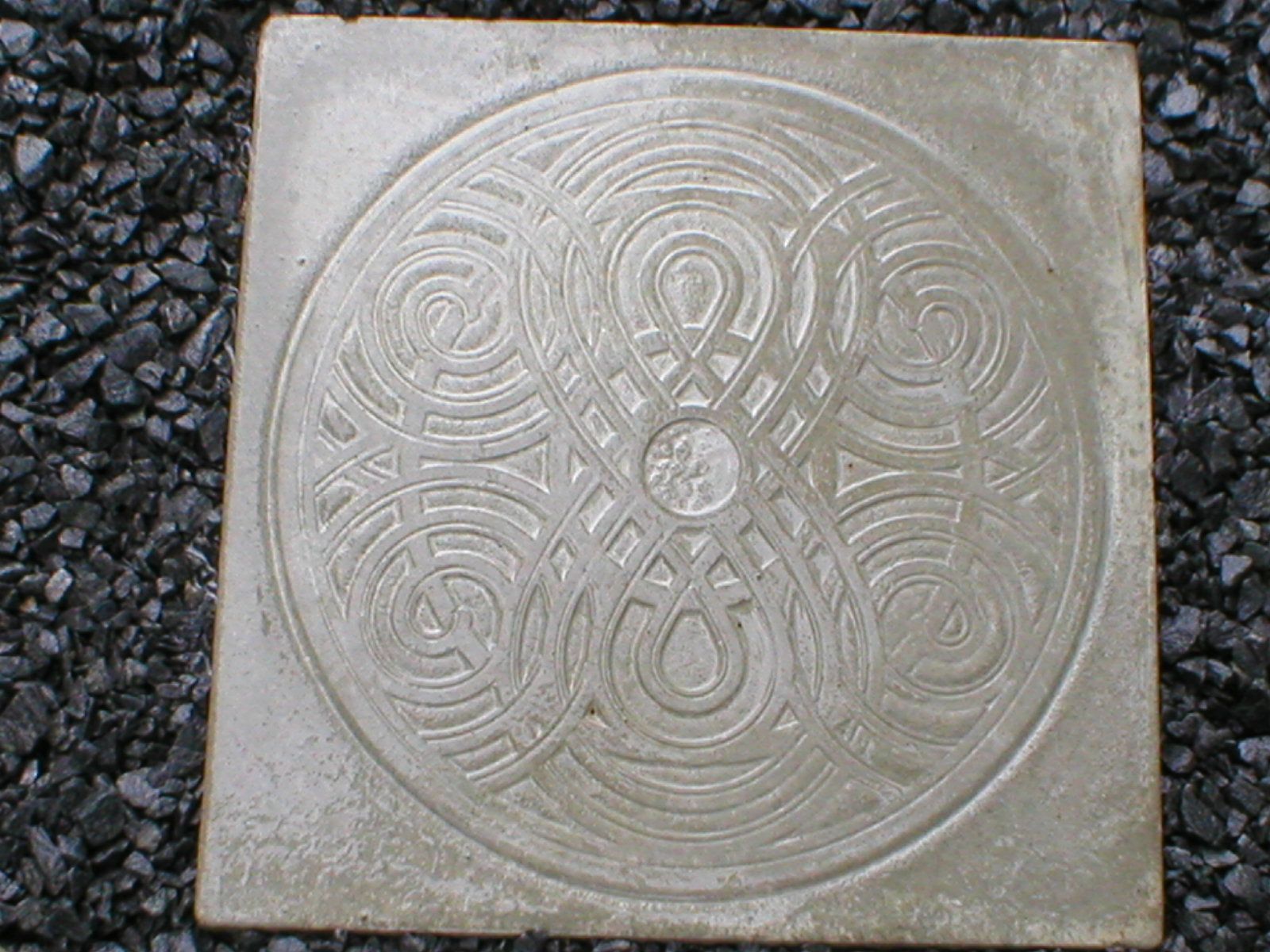
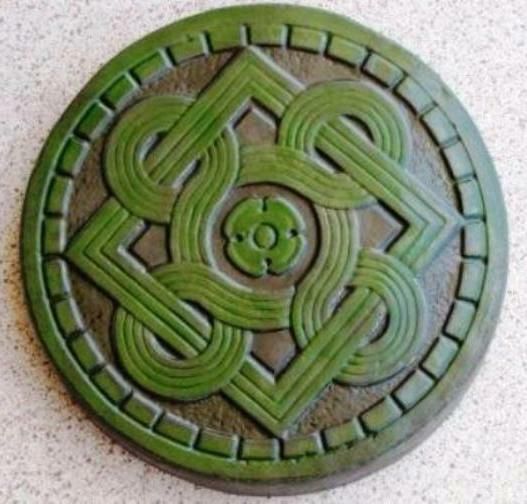
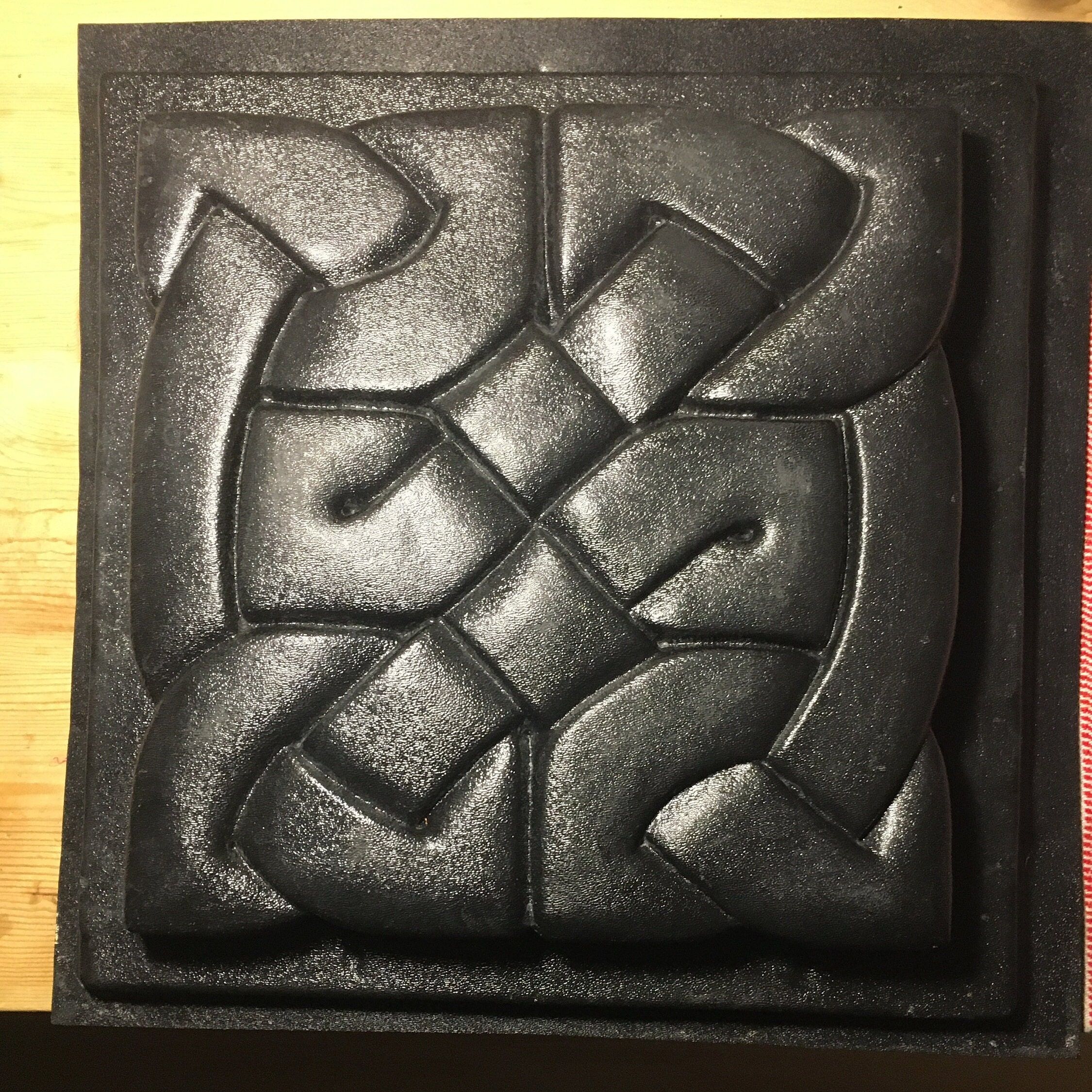
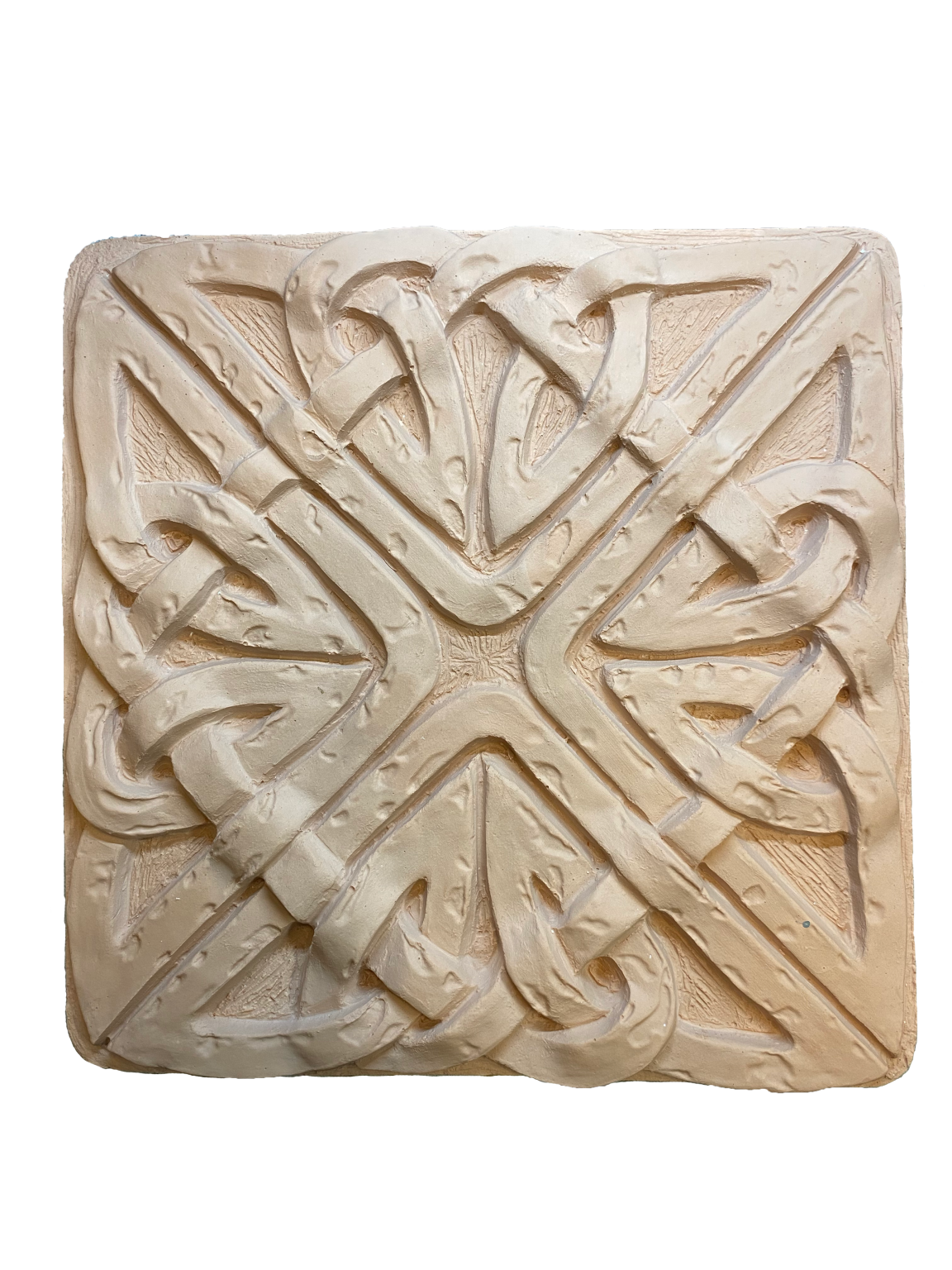
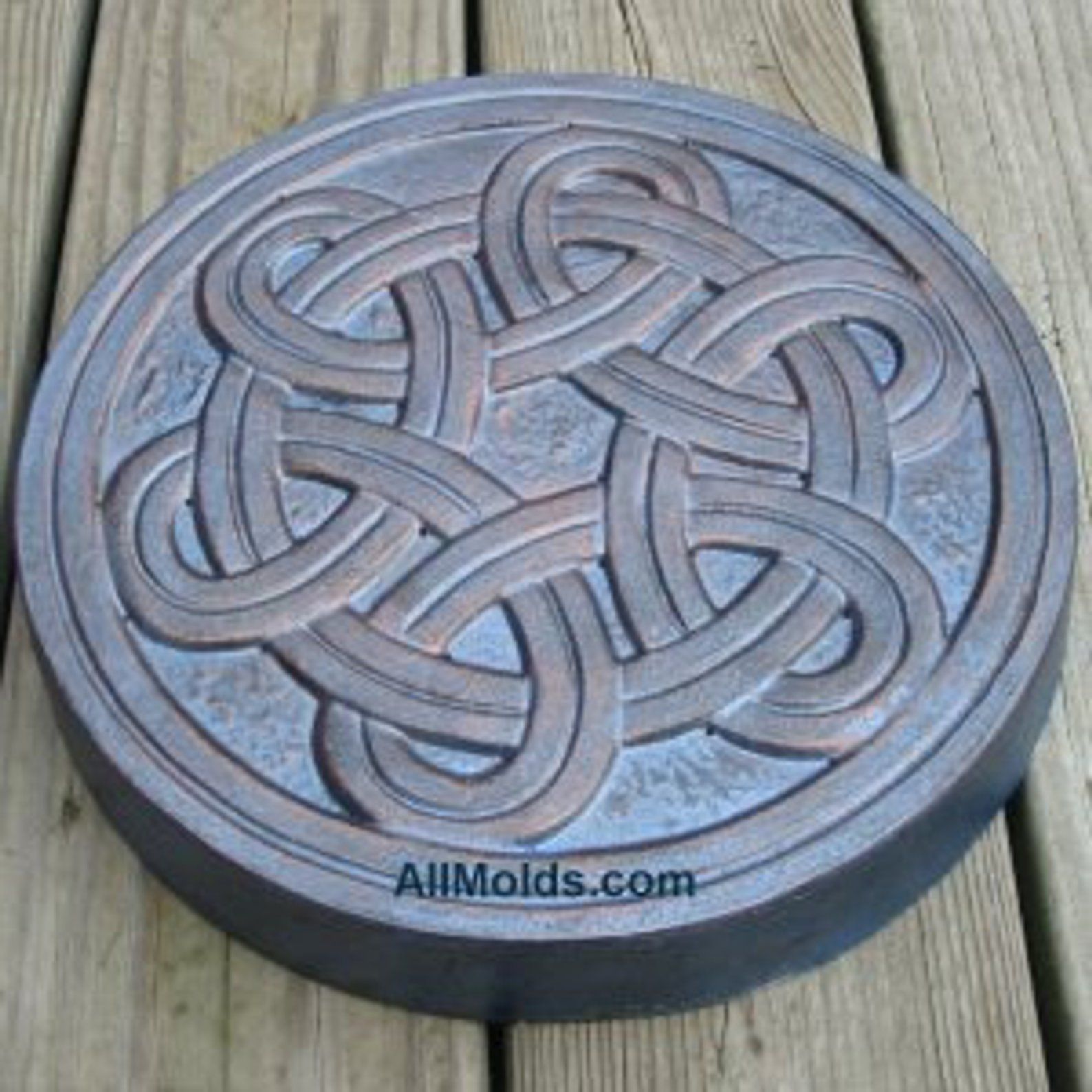
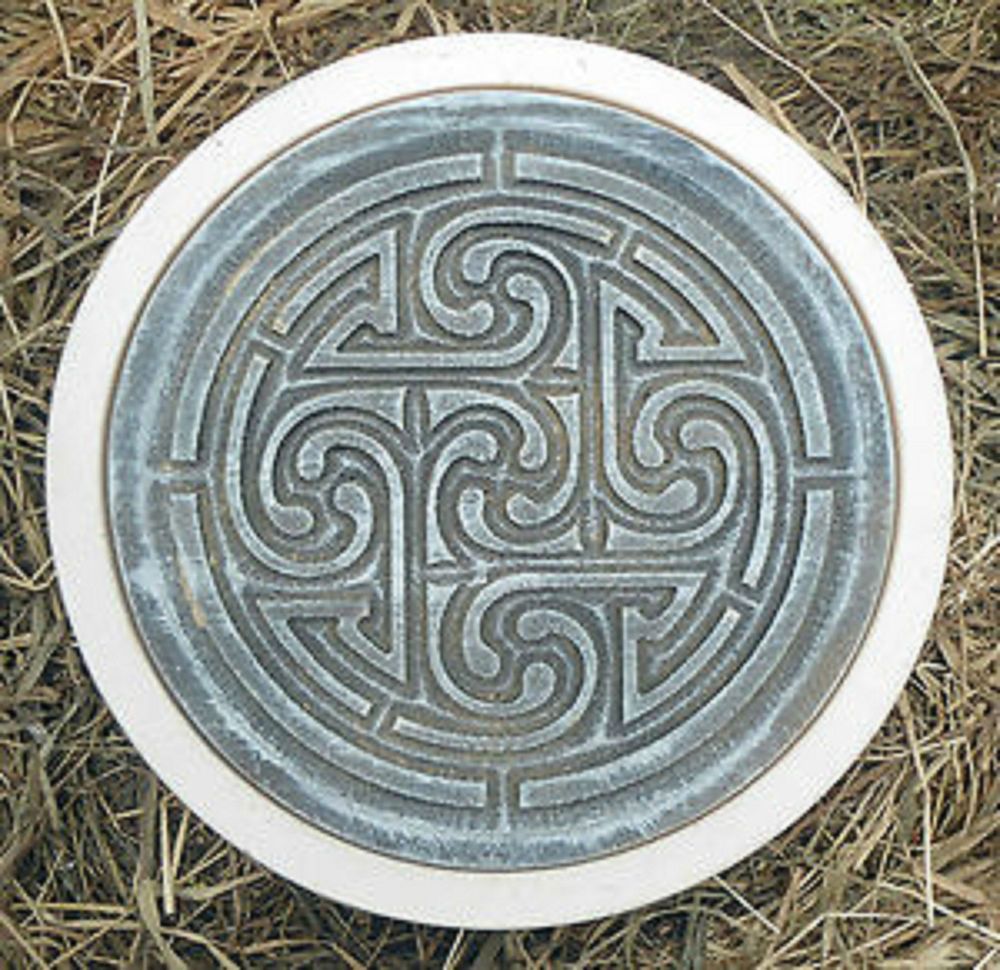
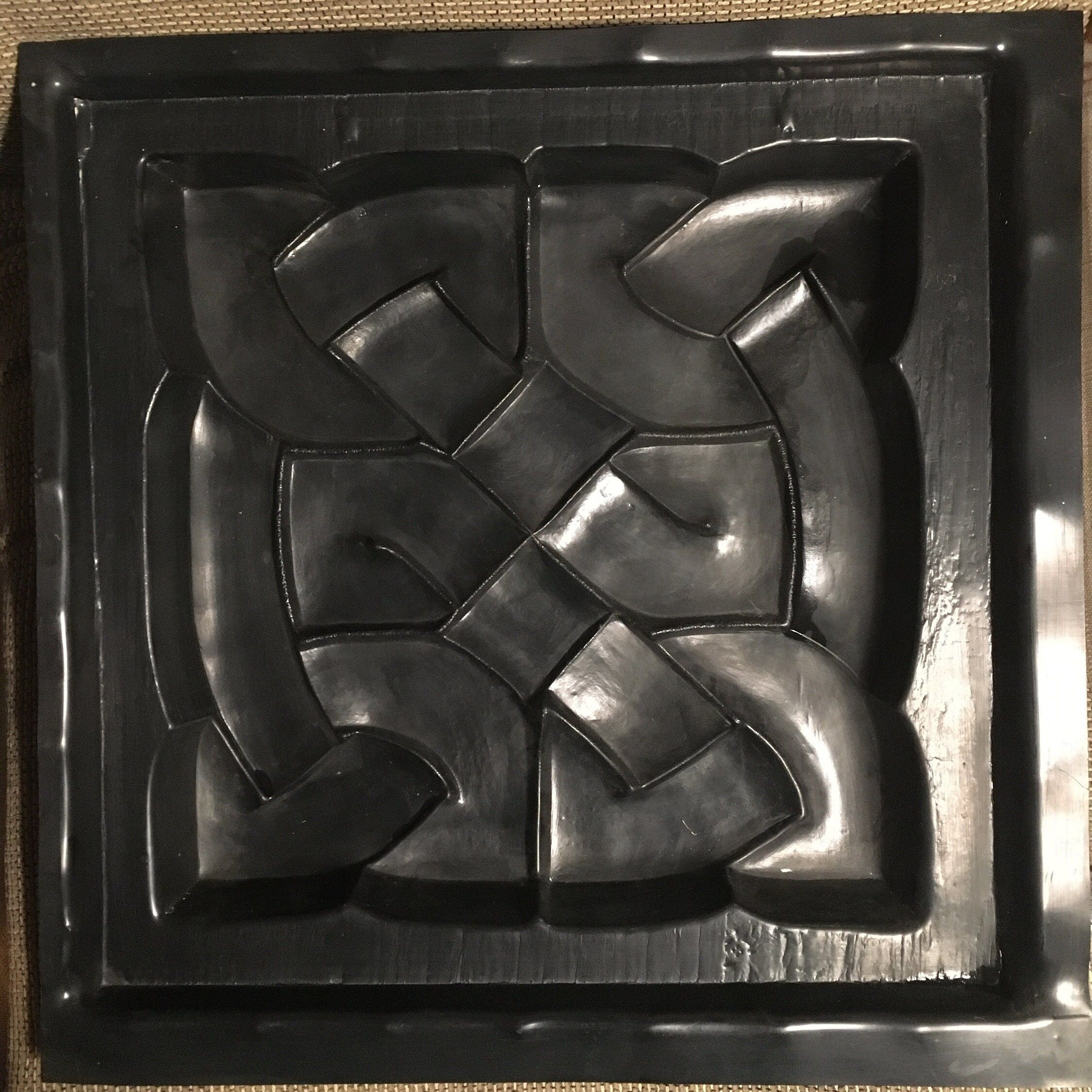
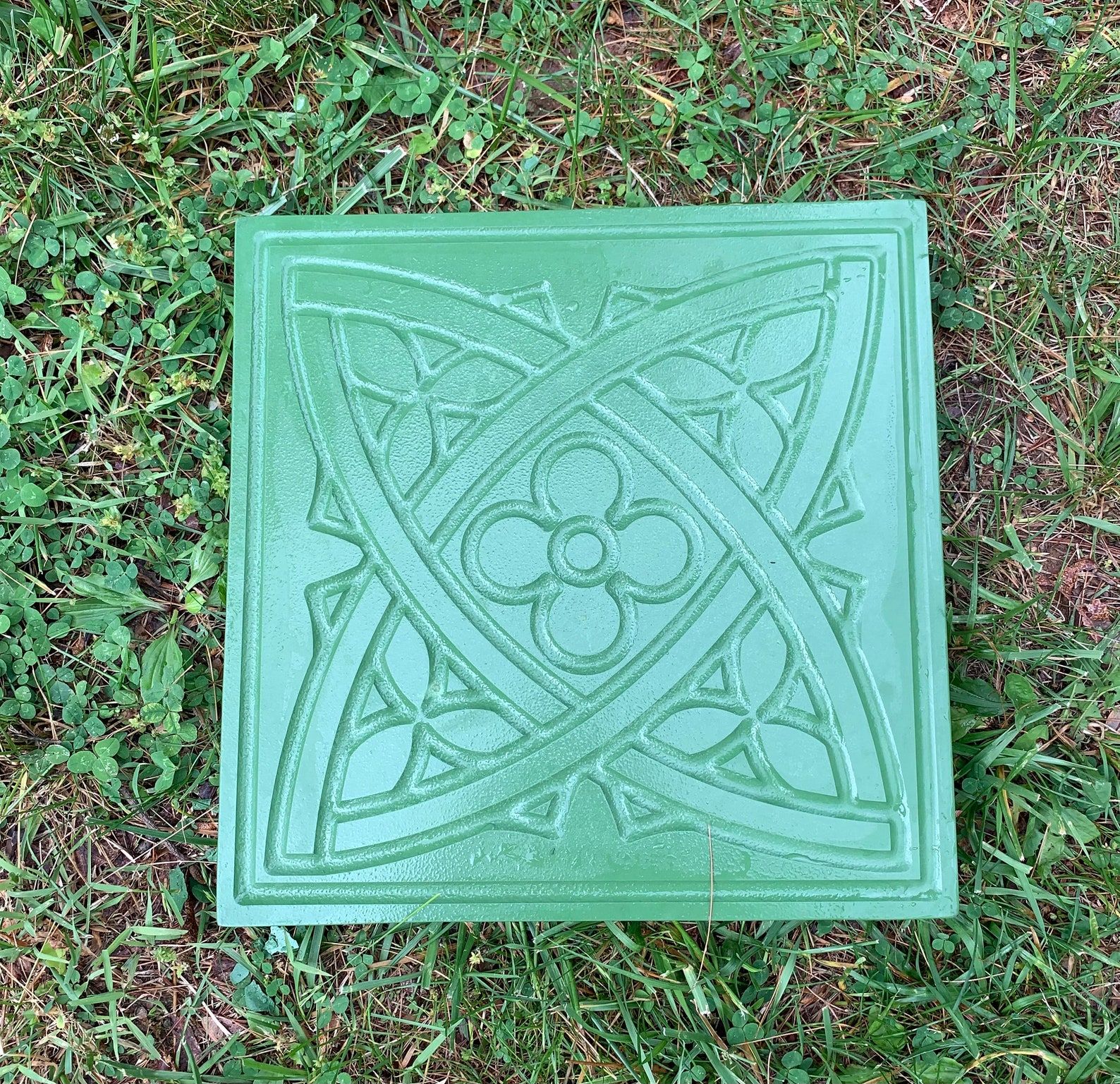
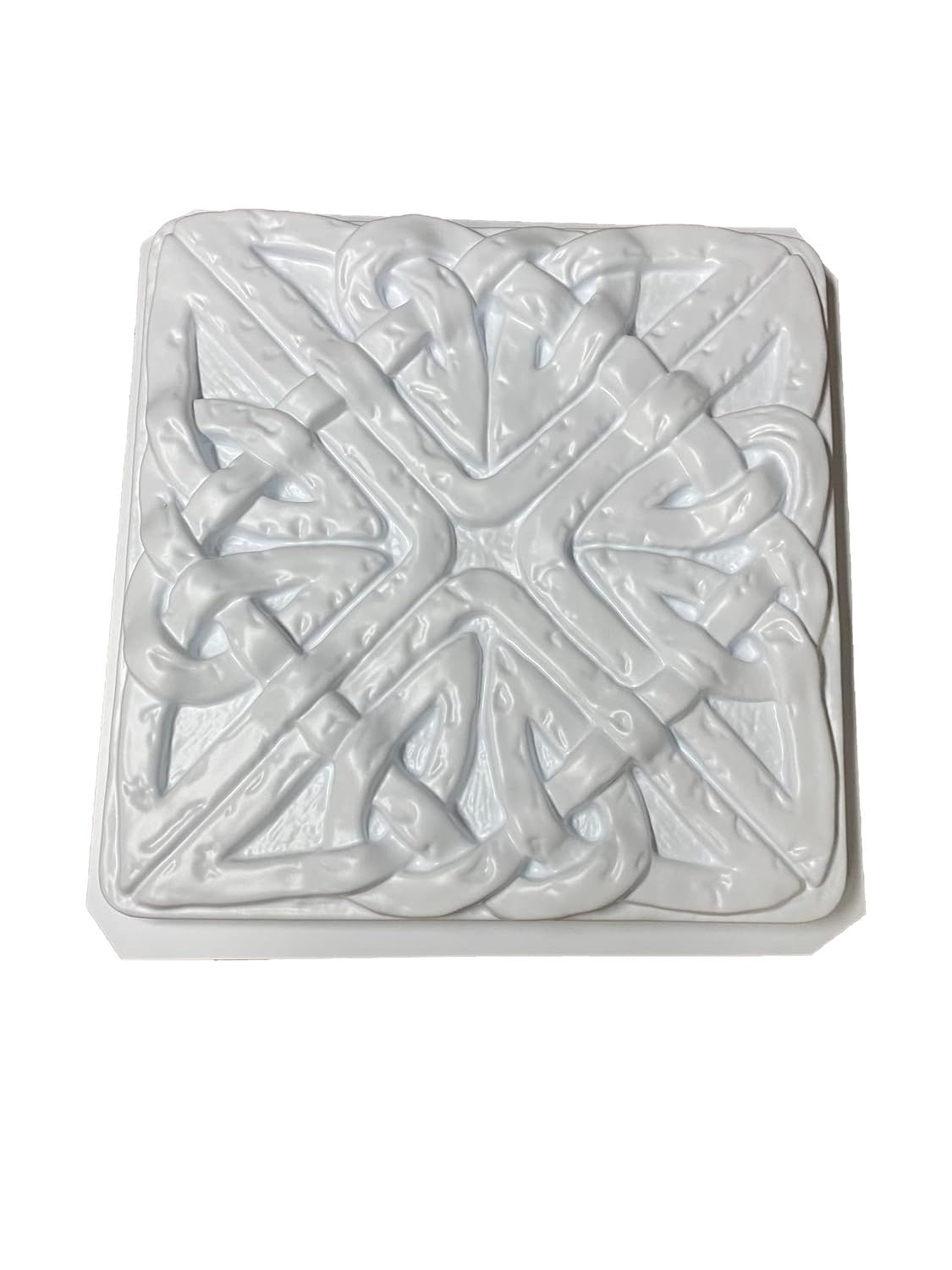
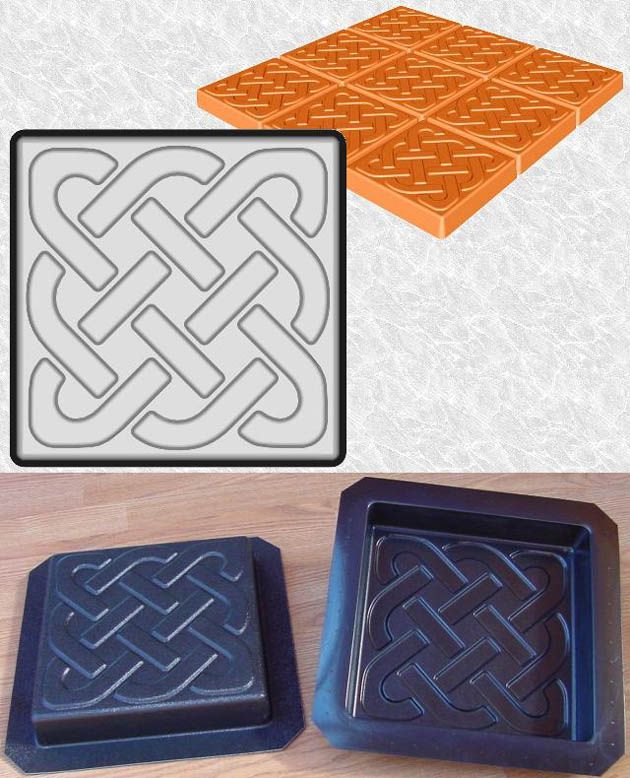
Hey everyone, it’s your friendly neighborhood stepping stone guru, back with more insider knowledge. I’ve been playing with Celtic square stepping stone molds for ages, and I’m thrilled to share some advanced techniques that will take your creations from good to absolutely gorgeous. We’re going to dive deep, so buckle up. This isn’t your beginner’s guide and we’re going to get real about what it takes to make truly show-stopping stepping stones. Remember, it’s all about the details and pushing the boundaries of what’s possible.
So, you’ve mastered the basics of using Celtic square stepping stone molds. You’re comfortable with mixing concrete, pouring, and demolding. Now what? That’s where the real fun begins. This isn’t just about following a recipe; it’s about artistry, experimentation, and pushing your creative limits. We’re going to explore techniques that add texture, color, and character to your stepping stones, turning them into true works of art. Prepare to get your hands dirty and your mind buzzing with new ideas. Let’s get started.
Mastering Color: Pigments and Staining
Color is where you can really express yourself and bring your stepping stones to life. Forget the boring gray; we’re going vibrant.
- Pigments are Your Friends: High-quality concrete pigments are essential. Experiment with different shades and concentrations to achieve your desired hues. Remember to thoroughly mix the pigment into the dry concrete mix before adding water to ensure even distribution. I always recommend doing a small test batch first to see how the color looks when it dries. It’s a good idea to use a scale to measure the pigment, so you can replicate the same color over and over.
- Staining for Depth: Concrete stains, applied after the stone has cured, offer a different kind of depth. They penetrate the concrete, creating a more natural and weathered look. Consider acid-based stains for a mottled, variegated appearance, or water-based stains for more subtle color shifts. Remember to always seal your stained stones to protect them from the elements and keep that beautiful color locked in. And it is important to let the concrete dry completely before staining.
- Layering Colors: Try layering different colors. You could pour a base layer of one color, and then add a second color in a different pattern. This is where the Celtic square mold really shines, as you can easily control the areas you’re working with. For instance, you might pour a base color and then use a smaller mold or a stencil to add a contrasting color. This is how you can make your stones pop.
Texture Techniques: Adding Dimension
Texture is what separates a nice stepping stone from an amazing one. It’s what gives your creations that tactile appeal and visual interest. Here are a few tricks:
- Aggregate Exposed: While the concrete is still wet, sprinkle different aggregate (like pebbles, glass beads, or small stones) onto the surface. Once the concrete has set a bit, you can use a sponge to gently expose the aggregate, creating a textured finish. This adds a lot of visual interest, and it’s a great way to incorporate different materials. The Celtic designs will really stand out with this method.
- Imprinting: Before the concrete sets, use various tools to imprint patterns. You can use stamps, textured rollers, or even natural objects like leaves or twigs. Be creative and experiment with different textures.
- Brushing and Carving: Once the concrete is partially cured (but still workable), you can use a wire brush to create a brushed texture or a carving tool to add details. This requires a bit more practice, but the results can be stunning. Always wear appropriate safety gear, including gloves and eye protection.
Working with Inlays and Embedments
Inlays and embedments are a fantastic way to personalize your stepping stones and add unique elements.
- Glass Gems and Tiles: Small glass gems or mosaic tiles can be embedded into the wet concrete. Arrange them in patterns or use them to highlight the Celtic design. Make sure the items are slightly below the surface to prevent them from popping out over time. I recommend using a thin layer of mortar below the glass or tile before embedding it.
- Metal Accents: Thin strips of metal (copper, brass, or stainless steel) can be incorporated into the design. These can be used to outline the Celtic patterns or create geometric shapes. Make sure your metal pieces are rust-resistant and properly anchored in the concrete.
- Found Objects: Get creative with found objects. Small shells, stones with unique shapes, or even pieces of broken pottery can be incorporated into the concrete. This is a good way to give your stepping stones a one-of-a-kind feel. Just be sure the objects are durable and compatible with concrete.
Sealing and Finishing: Protecting Your Art
The final step is critical for protecting your hard work and making your stepping stones last for years.
- Curing is Key: Before sealing, ensure your stepping stones are fully cured. This can take several weeks, depending on the concrete mix and the climate. Proper curing is vital for the strength and durability of your stones.
- Choosing the Right Sealer: There are various types of concrete sealers available. Penetrating sealers offer excellent protection and do not change the appearance of the concrete, but you can also select a topcoat that adds a glossy look. Always choose a sealer that is specifically designed for outdoor use and is resistant to UV damage. It is important to read and follow the manufacturer’s instructions carefully.
- Application: Apply the sealer in thin, even coats, allowing each coat to dry completely before applying the next. The number of coats required will vary depending on the sealer and the exposure of the stones. Proper sealing is crucial for protecting your stepping stones from the elements and preventing staining and damage. And make sure the surface is clean before applying the sealer. You might have to do this every year or two depending on the weather.
Troubleshooting Common Problems
Even the most experienced artists encounter challenges. Here are a few common problems and how to solve them:
- Cracking: Cracking can happen. Make sure you are using the correct water-to-cement ratio. If the cracks are minor, you can often repair them with a concrete patching compound. For more severe cracks, you might need to start over, but don’t give up!
- Color Fading: Fading can be caused by UV exposure or the wrong type of pigment. Use UV-resistant sealers, and choose high-quality pigments that are designed for outdoor use.
- Surface Imperfections: Air bubbles can be a problem. Tap the mold gently after pouring to release trapped air. You can also use a vibrating table to help remove air bubbles.
- Demolding Difficulties: Make sure you are using a release agent on your mold before pouring the concrete. If the stone still sticks, try gently tapping the mold or using a rubber mallet to help loosen it. Take your time, and be patient.
Embracing the Creative Process
The most important thing is to have fun and embrace the creative process. Don’t be afraid to experiment, make mistakes, and learn from them. Each stepping stone you create is a unique expression of your artistic vision. The Celtic square mold is a wonderful tool to explore and experiment with. The more you practice, the better you’ll get. Share your creations with the world, and inspire others to get creative. Remember, the journey is just as important as the destination. And, most importantly, enjoy the process, and keep on stepping!
So there you have it: a deep dive into advanced techniques for Celtic square stepping stone molds. From mastering color and texture to incorporating inlays and perfecting the finish, the possibilities are truly endless. I hope these tips and insights have inspired you to take your stepping stone creations to the next level. Go forth, experiment, and create stepping stones that are not only functional but also stunning works of art. Remember, the only limit is your imagination. Now go get creating and have fun. Happy stepping, everyone.