Every gardener knows the joy of watching tiny seeds transform into thriving plants. But when it comes to starting those delicate seedlings, the choice of container matters more than you might think. Traditional plastic pots may seem convenient, but they come with a hidden cost to our planet. Making the switch to eco-friendly alternatives isn’t just about being environmentally conscious – it’s about giving your plants the best start possible while reducing waste. Whether you’re a seasoned green thumb or just beginning your gardening journey, understanding how to select sustainable seedling pots can make all the difference in both your garden’s health and the environment’s wellbeing.
The journey from seed to sapling is one of nature’s most beautiful transformations. As gardeners, we play a crucial role in nurturing this process, and the containers we choose for our seedlings can significantly impact both plant development and environmental health. Picture this: you’ve carefully selected your favorite seeds, prepared the soil, and now you’re ready to plant them. But wait – what container will hold these fragile beginnings? This decision goes far beyond aesthetics or price tags. It’s about choosing materials that support healthy root growth, reduce waste, and align with sustainable practices. The right eco-friendly pot can mean the difference between struggling seedlings and robust plants that thrive in their permanent homes.
Understanding What Makes a Pot Eco-Friendly
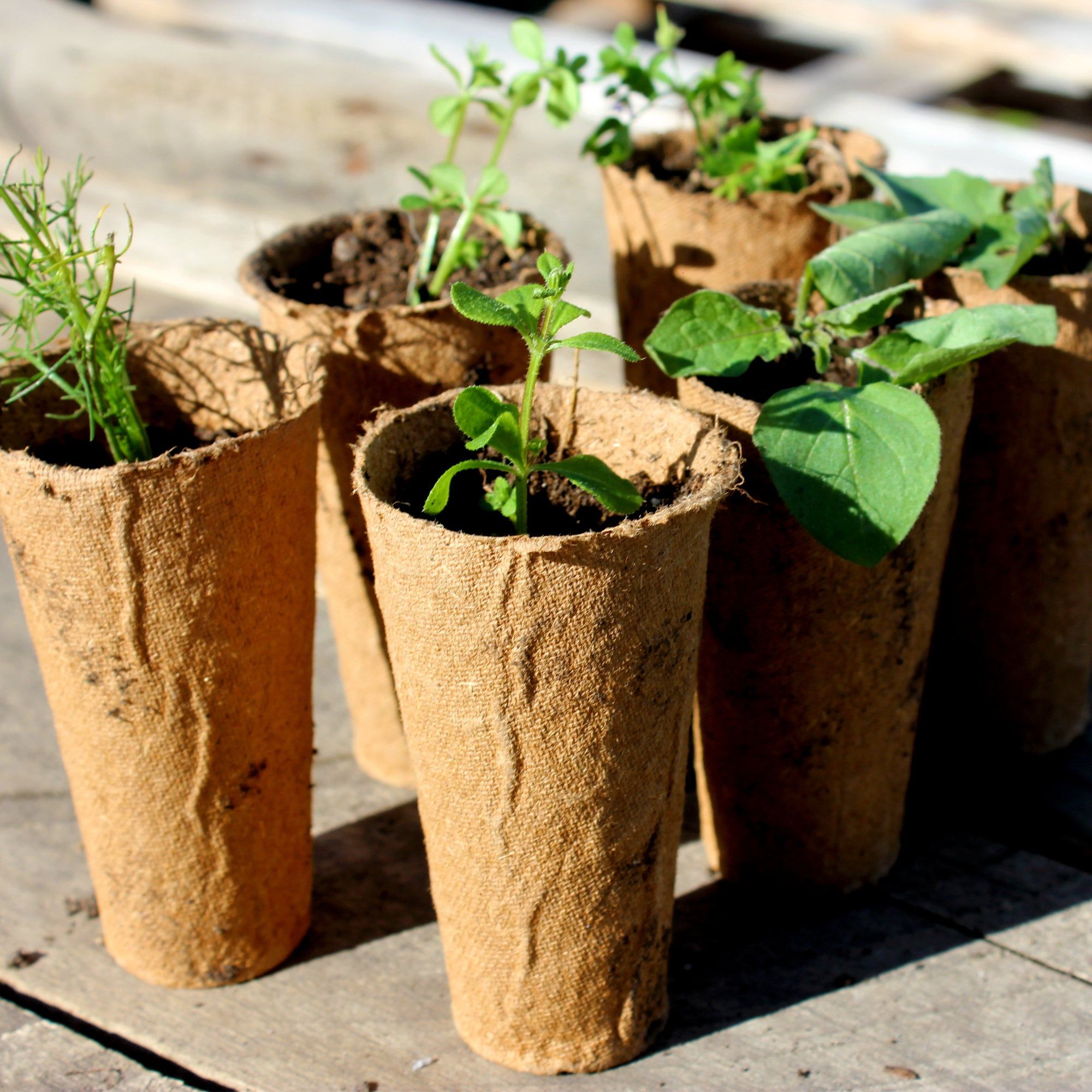
Not all ‘green’ pots are created equal, and it’s essential to know what truly makes a container sustainable. The first thing to consider is the material itself. Biodegradable options like peat pots, coconut coir containers, and even newspaper pots offer the advantage of being compostable once your plants outgrow them. These materials break down naturally, returning nutrients to the soil instead of adding to landfill waste. Another important factor is whether the container can be reused multiple times. Some materials like recycled plastic or ceramic can last for many growing seasons, reducing overall consumption. Look for products made from post-consumer recycled materials, which means they’re created from items that were already used and discarded. Consider the manufacturing process too – pots made with minimal energy requirements and low chemical inputs are generally better choices. Finally, check if the pot can be easily recycled after its useful life ends. A truly eco-friendly container should have a minimal environmental footprint from production to disposal.
Material Options and Their Benefits
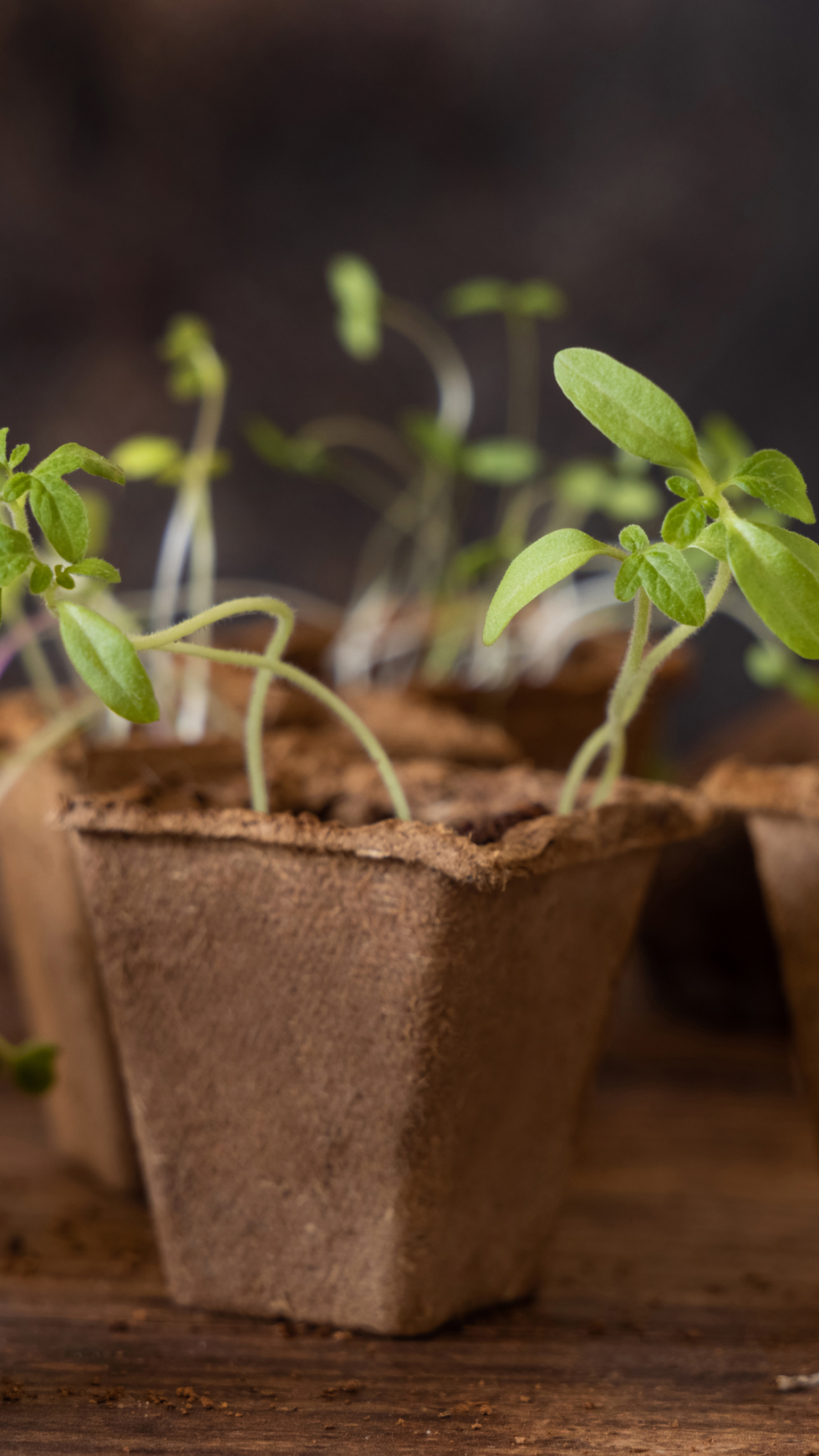
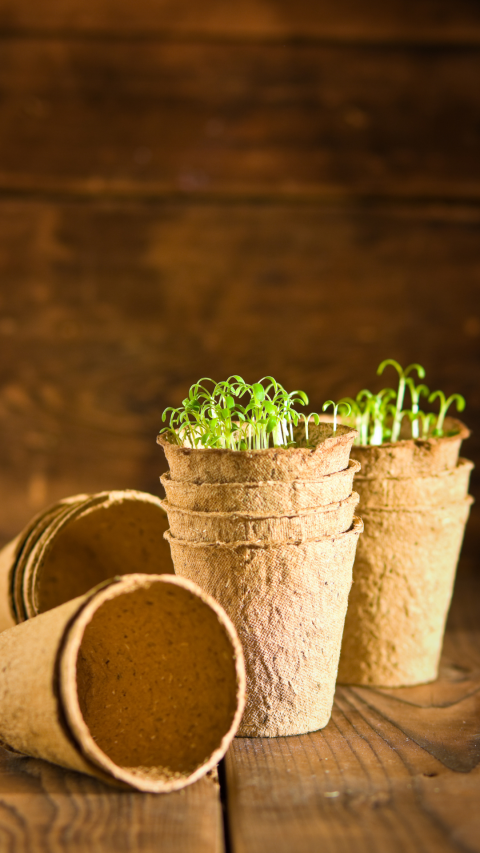
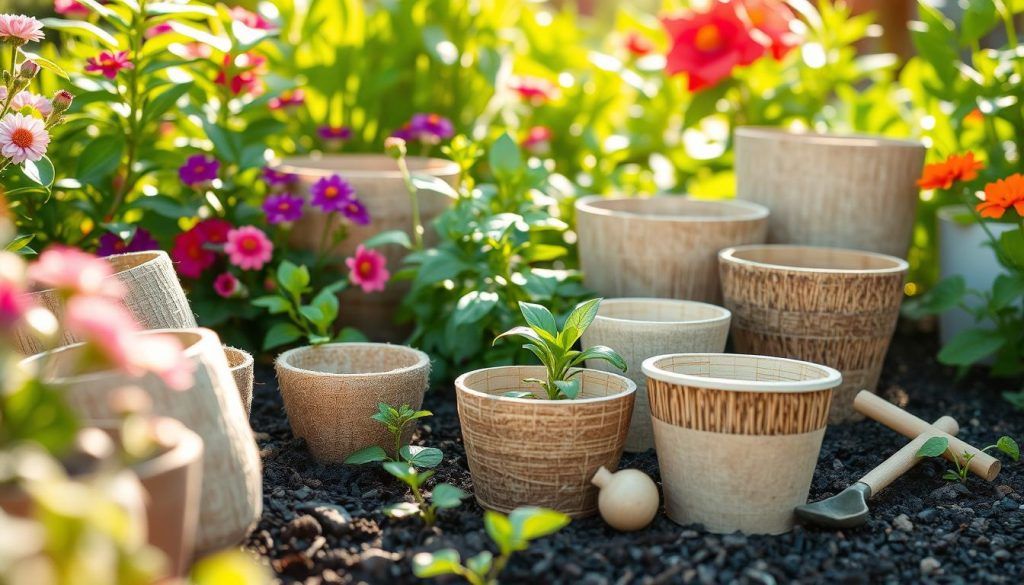
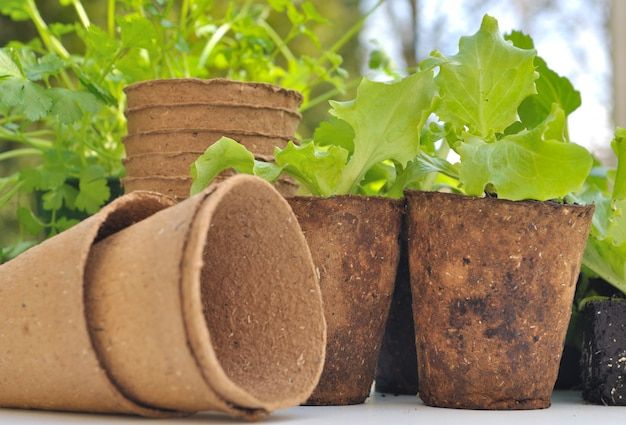
When it comes to eco-friendly materials, each option brings unique advantages to your gardening routine. Biodegradable pots made from materials like coconut fiber, rice hulls, or peat moss offer excellent root development because they allow roots to grow through the walls naturally. When transplanted directly into the ground, these pots decompose and provide additional nutrients to the plant. Recycled plastic pots are another solid choice, especially for gardeners who want durability and reusability. These containers often come from post-industrial waste streams, giving new life to materials that might otherwise end up in landfills. Clay and ceramic pots are timeless favorites that offer superior breathability for roots, though they can be heavier and more fragile. Many modern versions use recycled clay or are made from reclaimed materials. Paper-based pots, including those made from recycled newspapers or cardboard, provide good drainage and are completely compostable. They’re particularly effective for small seedlings and can be planted directly into the ground, eliminating transplant shock entirely.
Size and Design Considerations
Choosing the right size and design for your seedling pots involves thinking about both immediate needs and future growth. Start with the specific requirements of your plants – some vegetables and flowers need more space than others. A general rule of thumb is to select pots that are at least twice the size of your current seedling’s root system. Consider the depth as well as width; deeper pots work better for root-heavy crops like carrots or tomatoes. For beginners, standard 2-4 inch diameter pots are usually ideal for most seedlings. However, larger containers like 6-inch or 8-inch pots might be better for hardier plants that develop strong root systems early. Design features matter too. Look for pots with adequate drainage holes to prevent waterlogging, which can cause damping off disease. Some containers feature built-in handles for easy moving, while others have clear sections to monitor root growth. The shape of the pot can also affect root development – round pots tend to promote even root distribution compared to square containers.
Cost-Effective Strategies for Eco-Friendly Pots
Eco-friendly pots don’t have to break the bank, and smart shopping strategies can make sustainable gardening affordable. One approach is to buy in bulk during seasonal sales or when stores have clearance items. Many garden centers offer discounts on leftover inventory, and buying multiple pots at once can save money per unit. Another tactic is to repurpose household items creatively – yogurt containers, toilet paper rolls, or egg cartons can serve as temporary seedling homes. Just ensure they’re clean and have proper drainage holes. Consider purchasing from local nurseries rather than big box stores, as they often carry locally-made or regional products with lower shipping costs and environmental impact. Some garden centers also offer pot rental programs where you return containers after use. Check if your local recycling center accepts certain types of pots for reuse. DIY options like making your own paper pots from old newspapers or creating containers from recycled materials can also save money while adding a personal touch to your gardening practice.
Maintenance and Longevity Tips
Proper care extends the life of your eco-friendly pots and maximizes their environmental benefits. For reusable containers, regular cleaning prevents the buildup of harmful bacteria and fungi that can damage young plants. Simply rinse with mild soap and water, then let dry thoroughly before storing. Store pots in a clean, dry location away from direct sunlight to prevent degradation of biodegradable materials. If using compostable pots, keep them moist but not waterlogged, as excessive moisture can cause premature breakdown. Watch for signs of wear, such as cracks in plastic containers or soft spots in biodegradable ones. Replace damaged pots promptly to avoid contaminating healthy seedlings. Some gardeners find success in rotating pots between different plants to extend their useful life. For example, using the same container for various vegetables throughout the season rather than dedicating each pot to one specific crop. Regular inspection helps identify when pots need replacement, preventing waste and ensuring optimal growing conditions.
Environmental Impact Assessment
The true measure of an eco-friendly pot lies in its overall environmental footprint. This includes everything from raw material extraction to end-of-life disposal. Consider the carbon footprint associated with manufacturing and transportation of your chosen container. Locally-made products often have lower transportation emissions than those shipped from distant locations. Materials that require less processing and energy to produce typically have smaller environmental impacts. For instance, clay pots are naturally abundant and often fired using renewable energy sources. Compare the lifecycle of different materials – how much energy does it take to produce them, how long do they last, and what happens when they’re no longer useful? The best eco-friendly pots balance durability with recyclability or compostability. Think about the entire cycle: how the pot affects soil health, whether it contributes to waste reduction, and if it supports beneficial microorganisms in the growing environment. Remember that even the most sustainable container becomes less environmentally friendly if it’s used only once or improperly disposed of.
Choosing the right eco-friendly seedling pots is more than a simple shopping decision – it’s a commitment to healthier plants and a cleaner planet. By considering material quality, size requirements, cost strategies, maintenance needs, and environmental impact, gardeners can make informed choices that benefit both their gardens and the world around them. The investment in sustainable containers pays dividends not just in plant health, but in developing environmentally responsible gardening habits that can be passed on to future generations. Whether you’re starting with a few small pots or planning a large-scale garden project, remember that every container choice creates ripples of impact. So next time you’re preparing for a new planting season, take a moment to think about the story your pots will tell – not just about the plants they nurture, but about the sustainable path forward that you’re helping to create. After all, the healthiest gardens begin with the most thoughtful choices at the very start of the growing process.