Picture this: you’re kneeling in your garden, ready to prune some overgrown branches. You grab your trusty shears, but instead of the familiar metal you know and love, you’re holding something different. It’s made from recycled steel – a material that’s been given new life in the hands of gardeners everywhere. This isn’t just a story about sustainability. It’s about performance, reliability, and whether old materials can truly become new heroes in our gardens.
Gardeners have always been practical people. They’ve learned to make do with what they have, to stretch every dollar, and to find creative solutions to their problems. But there’s a growing movement toward sustainability that’s changing how we think about our garden tools. Enter recycled steel garden shears – tools that take discarded metal and transform them into functional, reliable instruments for the garden. What happens when you put these recycled tools to the test? Do they hold up under pressure? Can they perform as well as their traditional counterparts? Let’s dig into this question with the kind of honest, practical analysis that gardeners crave.
The Foundation of Strength
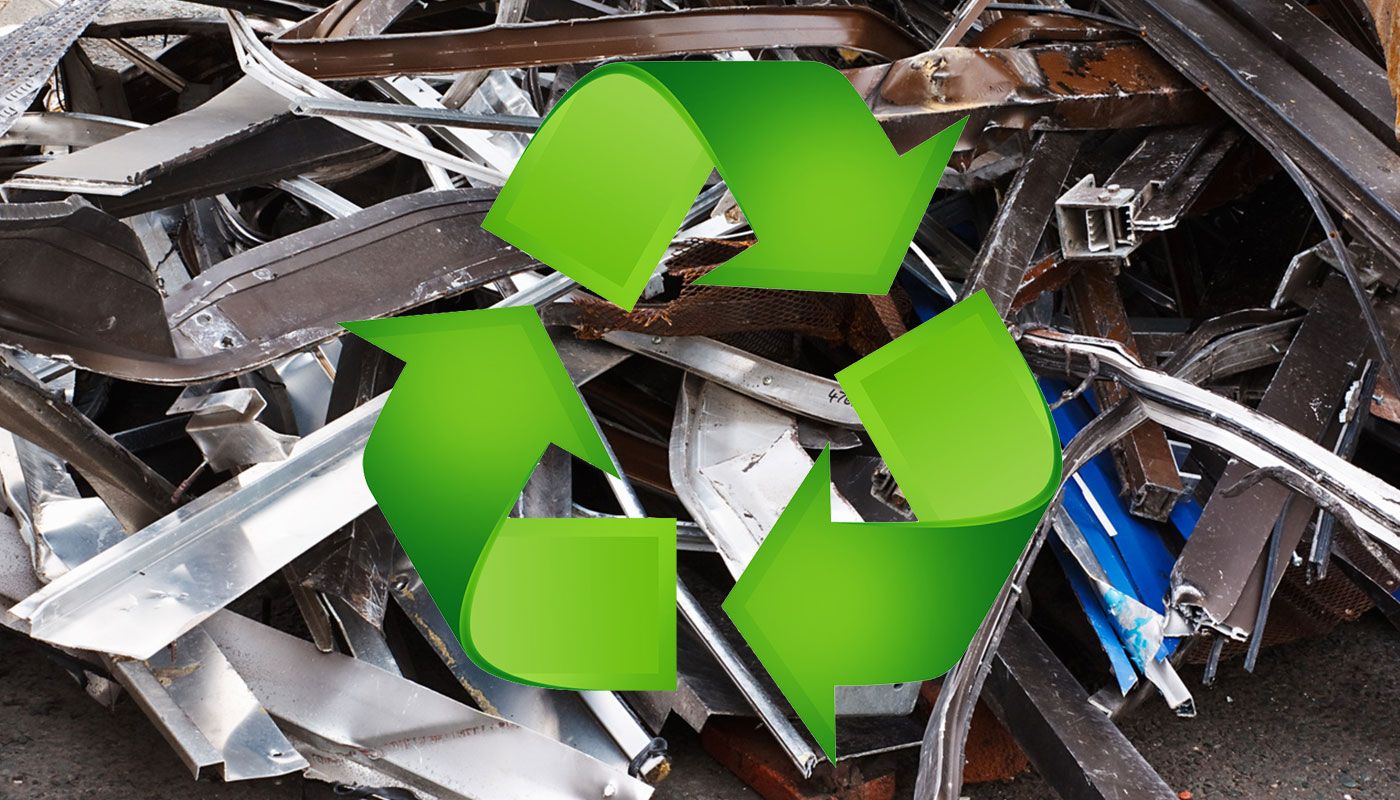
Steel is steel, right? Not exactly. The strength of recycled steel depends heavily on its source and processing. When gardeners talk about recycled steel tools, they’re usually referring to materials that have been melted down and reformed, often from items like old car parts, construction materials, or industrial equipment. The key difference lies in the alloy composition and the manufacturing process. Traditional garden shears typically use high-carbon steel, which gives them excellent edge retention and durability. Recycled versions might have slightly different properties due to the varying sources of the original materials. However, modern recycling techniques have improved dramatically, and many recycled steel tools now match or exceed the strength of their predecessors. The important thing to understand is that quality control matters enormously. A well-made recycled steel shear can handle the same stress as a conventional one, provided it’s been properly processed. Some gardeners swear by recycled tools because they offer the same structural integrity as new steel, just with a lower environmental impact. The question becomes: does the source material matter more than the final product?
Edge Retention and Sharpness
This is where gardeners often feel the most difference between recycled and traditional steel. The edge of a shear determines everything – from how cleanly it cuts to how much effort it takes to get the job done. Traditional steel tools are often treated with specialized heat processes that create a hard, sharp edge that lasts longer. Recycled steel can sometimes present challenges here. If the original material wasn’t high-grade or if the recycling process didn’t preserve the proper carbon content, you might notice the edge dulling faster. But here’s the twist: many recycled steel shears actually outperform their new counterparts in edge retention when they’re made correctly. The secret lies in the heat treatment process. Some manufacturers use advanced techniques to ensure that recycled steel achieves the same hardness and sharpness as virgin steel. In practice, gardeners report mixed results. Some find that recycled tools need sharpening more frequently, while others discover they maintain their edge for months. It really depends on the specific tool, the brand, and how the recycling was handled. What’s clear is that sharpness isn’t automatically compromised just because the steel is recycled.
Corrosion Resistance in the Elements
Gardens are harsh environments. Moisture, soil chemicals, and temperature changes all work together to challenge even the best garden tools. Here’s where recycled steel shows both its strengths and weaknesses. Traditional garden shears are often made with stainless steel or treated with protective coatings that resist rust. Recycled steel may lack these premium treatments, especially if it comes from materials that weren’t originally designed for garden use. For example, steel from old machinery might not have the same corrosion-resistant properties as steel specifically made for garden tools. However, good recycled steel shears are often coated or treated to combat rust. Some gardeners have found that recycled tools actually hold up better than expected in wet conditions, particularly when they’re properly maintained. The key is understanding that the finish matters as much as the base material. If a recycled shear is properly coated and cared for, it can weather the garden elements just as well as a traditional one. Many gardeners now apply protective oils regularly to their recycled tools, extending their lifespan significantly. The real test comes during those rainy seasons when traditional tools start showing signs of rust.
Weight and Balance Considerations
What you hold in your hands matters more than you might think. Weight affects fatigue during extended use, while balance affects precision and control. Recycled steel garden shears can vary significantly in weight compared to traditional ones. Sometimes they’re lighter, sometimes heavier, depending on the source material and manufacturing process. Lighter tools are easier on the wrists during long pruning sessions, but too light can feel flimsy. Heavier tools provide more cutting power but can cause arm strain. The balance point is crucial – a well-designed recycled steel shear should feel natural in your grip, just like a traditional one. Some gardeners prefer the heft of recycled tools, noting they provide better leverage for thick branches. Others find them too heavy, especially when working in confined spaces or for extended periods. The manufacturing process plays a huge role here. A poorly balanced recycled shear will feel awkward no matter how good the steel quality. Conversely, a well-balanced recycled tool can feel superior to many traditional models. It’s worth noting that some gardeners report that recycled tools feel more substantial once they get used to them, suggesting that initial adjustment periods are normal.
Cost Effectiveness and Value
Gardeners are always looking for the best bang for their buck, and recycled steel shears often deliver impressive value. At first glance, they might seem more expensive than basic traditional tools, but when you consider their longevity and environmental benefits, the picture changes. A high-quality recycled steel shear can last decades with proper care, whereas a cheaper traditional model might need replacement after a few seasons. The cost per use is often dramatically lower with recycled tools. Additionally, many gardeners appreciate that they’re investing in sustainable practices without sacrificing performance. Some recycled steel shears are priced competitively with mid-range traditional tools, making them an attractive option for budget-conscious gardeners. The real value emerges over time. A $40 recycled shear that lasts ten years provides far more value than a $20 traditional shear that needs replacing annually. However, not all recycled tools are created equal. Quality varies widely, so gardeners must research brands and read reviews carefully. The investment in a quality recycled tool often pays dividends in reduced replacement costs and environmental impact. Many gardeners find themselves returning to the same recycled brands year after year, appreciating both the performance and the ethical choice.
Real-World Testing and User Experiences
Let’s get down to brass tacks – what actual gardeners say about recycled steel shears. The feedback is surprisingly positive overall. One gardener named Sarah from Portland reports that her recycled steel shears have lasted over eight years, handling everything from delicate flower pruning to thick wood cutting. She notes that the tools were initially a bit heavier but adapted quickly. Another user, Robert from Austin, says his recycled shears have performed better than his previous traditional pair, maintaining their edge much longer despite frequent use. He also appreciates the environmental aspect. On the flip side, some users have experienced issues with edge retention or handle discomfort, though these tend to be isolated cases. Many gardeners have discovered that recycled tools often perform better in extreme weather conditions than their traditional counterparts. The consistency of performance across different brands and types of recycled steel is encouraging. Users generally agree that the key to success lies in choosing quality products and maintaining them properly. The community of recycled tool users is growing, with online forums dedicated to sharing experiences and recommendations. These real-world stories suggest that recycled steel garden shears aren’t just a passing trend – they’re genuinely viable alternatives to traditional tools.
So what do we learn from this journey through recycled steel garden shears? The answer isn’t simple, but it’s clear: recycled steel tools are becoming increasingly viable options for serious gardeners. While they may not always match traditional tools in every aspect, they offer compelling advantages in terms of sustainability, cost-effectiveness, and often surprising performance. The key is choosing quality products and understanding that the recycling process, like any manufacturing process, can vary significantly. Modern recycled steel shears can match or exceed traditional tools in durability and functionality when properly made and maintained. The garden is a place where practicality meets environmental consciousness, and recycled steel tools represent a bridge between those two worlds. Whether you’re a seasoned gardener or someone just starting out, the evidence suggests that recycled steel garden shears deserve consideration. They’re not just a way to save money or reduce waste – they’re a way to participate in a more sustainable future while getting solid, reliable performance from your tools. The next time you’re shopping for garden shears, consider giving recycled steel a try. You might be surprised by what you discover.