Think about it. When you see those pesky weeds popping up in your garden, they’re not just annoying intruders. They’re actually telling you something important about your soil. Maybe it’s too compacted, maybe there’s nutrient imbalance, or perhaps it’s just time for some natural intervention. The truth is, we’ve been fighting weeds wrong for decades. Instead of reaching for chemicals that kill everything, including beneficial soil life, let’s learn how to work WITH nature to build healthier soil while managing weeds organically.
Picture this: you’re tending to your garden, carefully planting your vegetables, when you spot those familiar green invaders pushing through the soil. They’re everywhere, and they seem to multiply overnight. For many gardeners, this scenario triggers immediate panic and a rush to grab the nearest herbicide. But what if I told you that these stubborn plants might actually be showing you how to improve your soil? What if those weeds were actually teaching us about soil health? This isn’t about being a passive observer to nature’s chaos. It’s about becoming an active participant in building better soil conditions while naturally managing unwanted growth. We’re going to explore how organic weed management isn’t just about eliminating weeds – it’s about creating a balanced ecosystem where both beneficial plants and controlled weeds can coexist harmoniously.
Understanding the Weed-Soil Connection
Weeds aren’t just random growths that compete with your crops. They’re actually nature’s way of signaling what’s happening in your soil. Take dandelions, for example. These bright yellow flowers often appear in lawns and gardens where the soil is compacted or lacking in certain nutrients. Their deep taproot system actually helps break up hard soil layers, bringing nutrients from deeper ground to the surface. Similarly, clover weeds can indicate nitrogen deficiency in the soil, while plantain might suggest soil compaction issues. Understanding these connections helps us move away from seeing weeds as enemies and instead recognize them as indicators of soil conditions that need attention. The key insight here is that healthy soil naturally resists weed invasion because it supports strong, competitive plants. When soil is healthy and diverse, weeds struggle to establish themselves.
Mulching: Nature’s Living Blanket
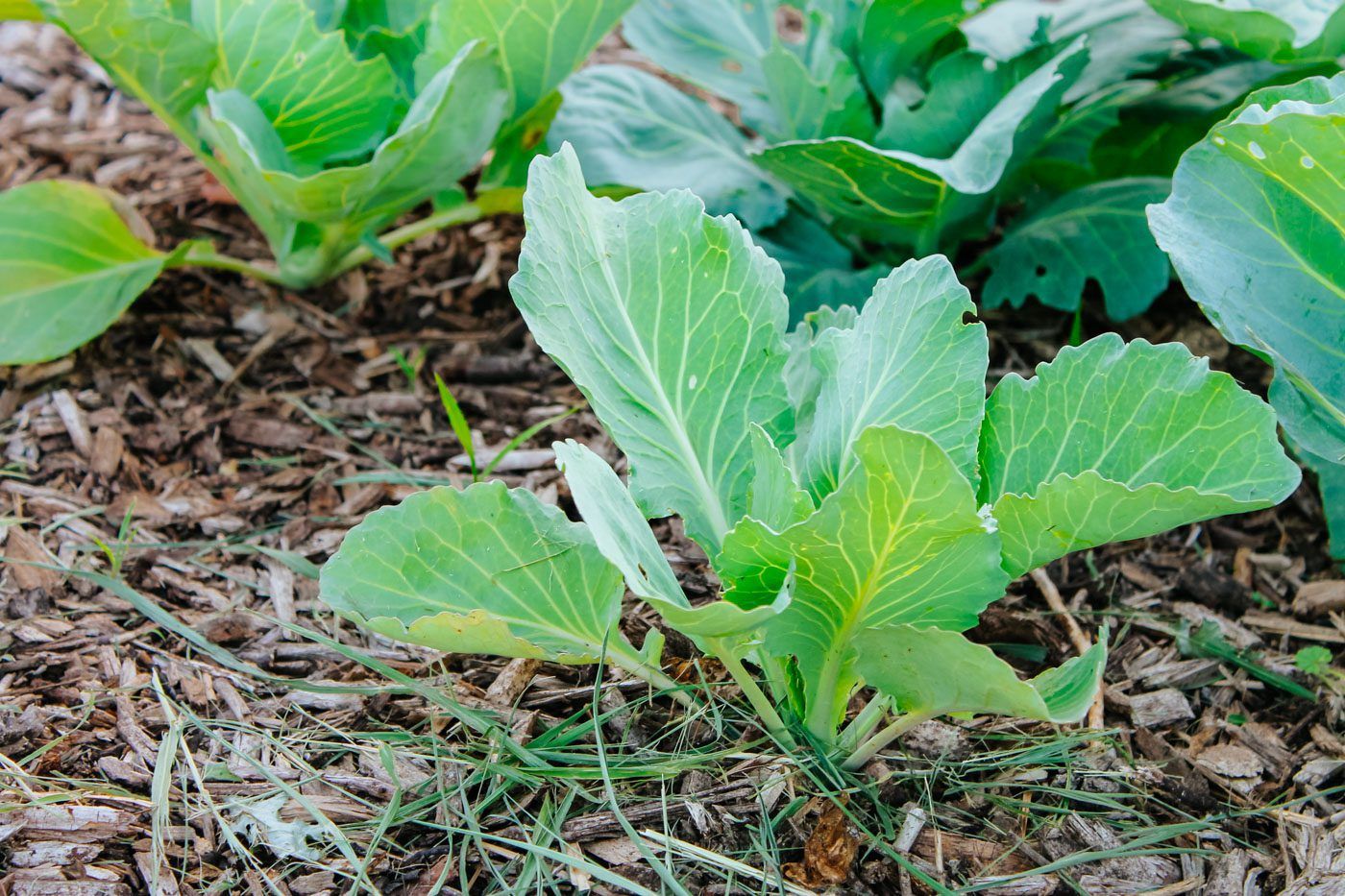
One of the most effective ways to manage weeds organically is through mulching. Think of mulch as nature’s living blanket that covers your soil. It does more than just block sunlight from weed seeds – it creates a habitat for beneficial organisms that help break down organic matter and improve soil structure. Organic mulches like straw, wood chips, or shredded leaves gradually decompose, adding valuable nutrients back into the soil while forming a protective layer. This layer prevents weed seeds from germinating by blocking light and creating a physical barrier. But mulching isn’t just about preventing weeds – it’s about building soil biology. As organic matter breaks down, it feeds earthworms, beneficial bacteria, and fungi that create the complex web of relationships essential for healthy soil. A well-mulched garden becomes a thriving ecosystem rather than just a place where plants grow.
Cover Crops: The Ultimate Soil Superheroes
Cover crops are like having a team of underground workers doing all the heavy lifting for your soil health. These plants might not look impressive above ground, but their root systems are working overtime to improve soil structure, add organic matter, and suppress weeds. Leguminous cover crops like clover and vetch fix nitrogen from the atmosphere, making it available for future crops. Grasses such as rye and oats help prevent erosion while their fibrous roots improve soil aggregation. The beauty of cover crops is that they can be managed in ways that directly combat weeds. When planted densely, they crowd out weeds before they have a chance to establish. Some cover crops even release natural compounds that inhibit weed seed germination. The challenge is choosing the right combination for your specific soil needs and growing season. A mixture of buckwheat and crimson clover can provide quick ground coverage while improving soil structure and fertility.
Hand Weeding With Purpose
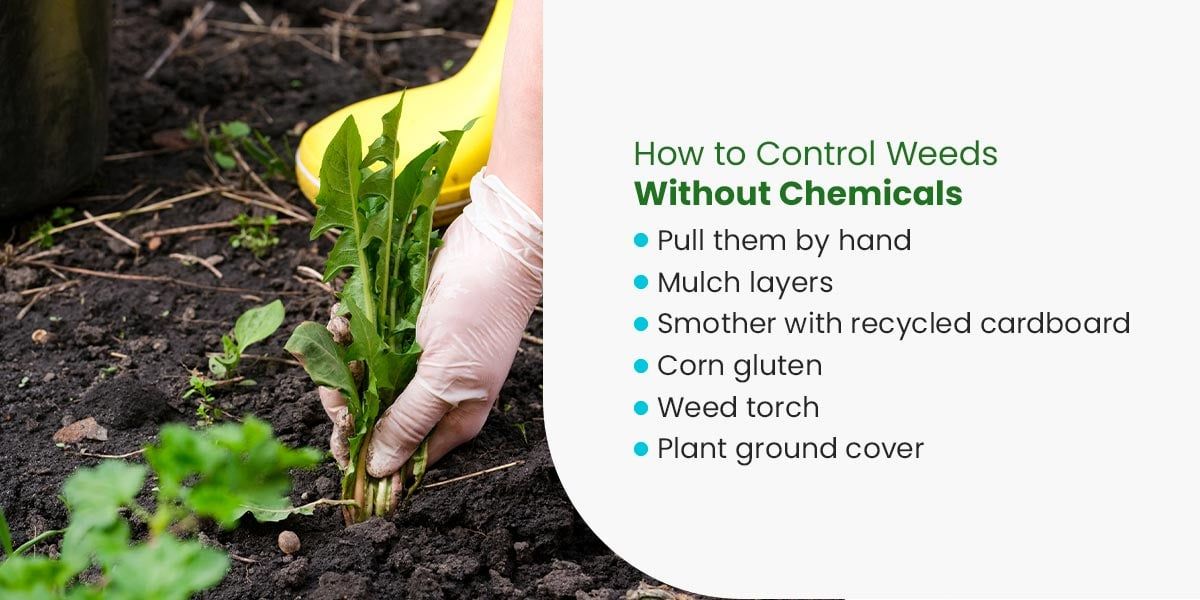
Sometimes, the best approach is still good old-fashioned hand weeding, but done strategically. Rather than pulling every single weed, focus on removing the most problematic ones while leaving beneficial plants that contribute to soil health. This means learning to distinguish between weeds and beneficial plants that might actually be helping your soil. For instance, some wildflowers might look like weeds but offer habitat for beneficial insects and add diversity to your soil ecosystem. Hand weeding works best when done regularly and consistently. Pulling weeds when they’re small and before they set seed prevents them from spreading further. The key is to remove the entire root system, not just the visible part above ground. This requires patience and attention to detail, but it’s incredibly rewarding when you see how much better your soil responds to this gentle approach compared to chemical alternatives.
Soil Testing and Amendment Strategies
Before diving into weed management, it’s crucial to understand what your soil actually needs. Soil testing reveals pH levels, nutrient content, and texture that affect both plant growth and weed pressure. If your soil is too acidic, certain weeds thrive while others struggle. If it’s lacking in potassium, you’ll notice increased weed presence. Once you know your soil’s weaknesses, you can address them with organic amendments. Adding compost improves soil structure and provides slow-release nutrients that feed beneficial microorganisms. Lime can adjust soil pH if it’s too acidic, while sulfur can lower pH if needed. The goal isn’t just to feed your desired plants but to create conditions where beneficial soil organisms can flourish. When soil is properly balanced, it naturally suppresses many weed species because the right plants are growing in the right conditions.
Crop Rotation and Competition
This practice goes beyond just avoiding the same crops in the same spot each year. Strategic crop rotation creates a dynamic environment where different plants compete for space and resources in ways that benefit soil health. By rotating between deep-rooted and shallow-rooted plants, you disrupt weed life cycles and reduce their ability to establish. For example, planting a heavy feeding crop like corn followed by a nitrogen-fixing legume like beans creates a beneficial succession that naturally suppresses weeds. Succession planting, where you plant new crops as others mature, also keeps the soil covered and reduces gaps where weeds can take hold. The competition isn’t just between your crops and weeds – it’s between different types of plants that work together to create a balanced ecosystem. This method requires planning ahead, but the results speak for themselves in terms of both reduced weed pressure and improved soil structure.
The journey toward better soil health through organic weed management is both a science and an art. It requires patience, observation, and a willingness to work with natural processes rather than against them. When we shift our perspective from viewing weeds as enemies to understanding them as indicators of soil conditions, we begin to see the bigger picture. Every weed tells a story about what your soil needs. Every strategic mulch application builds biological activity. Every cover crop planted strengthens soil structure. The most rewarding aspect isn’t just the absence of weeds, but the presence of thriving soil biology that naturally resists weed invasion. This approach transforms gardening from a battle against nature into a partnership with it. You’re not just growing vegetables – you’re cultivating a living, breathing ecosystem that will continue to improve over time. The investment in organic weed management pays dividends not just in weed control, but in soil fertility, water retention, and overall garden resilience.