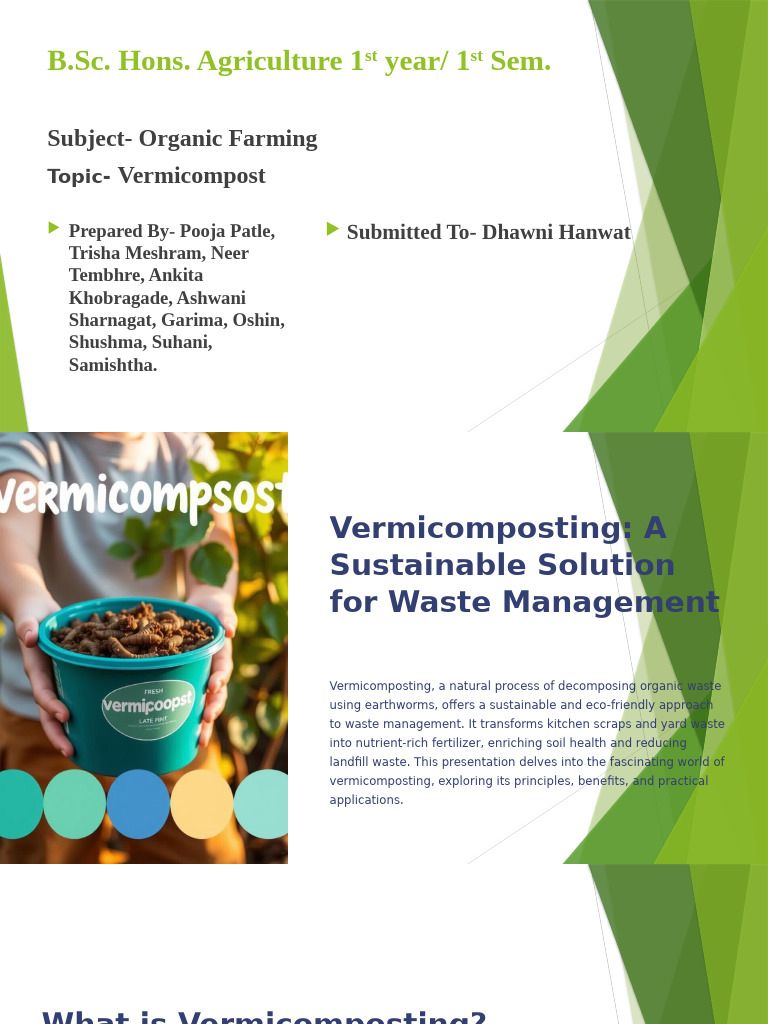
What if you could turn your kitchen scraps into garden gold? What if you could reduce waste while growing healthier plants? This isn’t just wishful thinking – it’s completely possible with the right approach to composting. Whether you’re a complete beginner or someone looking to improve your current method, this guide will walk you through everything you need to know about creating sustainable compost systems.
Composting isn’t just about reducing waste – it’s about creating something beautiful from what others might see as trash. Picture this: a pile of food scraps, yard waste, and other organic materials slowly transforming into rich, dark soil amendment that makes your garden flourish. It’s almost magical, really. But magic requires understanding, patience, and a few simple principles. The journey from having nothing to becoming a composting expert starts with knowing where to begin. You don’t need fancy equipment or years of experience to get started. This guide will take you step-by-step through the process, from gathering materials to harvesting your finished compost.
Getting Started with Basic Composting
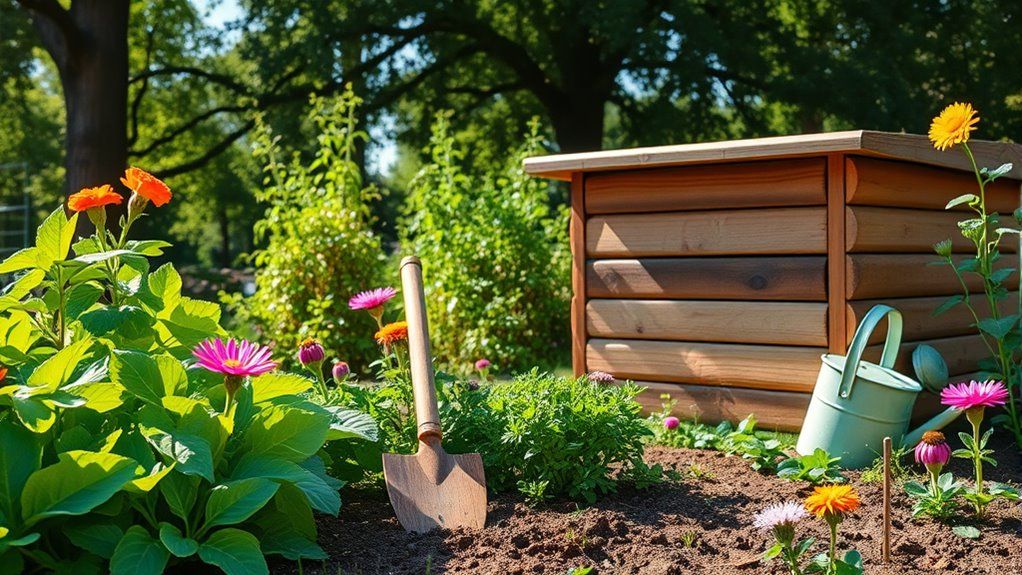
The foundation of successful composting lies in understanding what works and what doesn’t. Start with a simple bin or pile in your backyard. The key is maintaining the right balance between ‘green’ materials (nitrogen-rich) and ‘brown’ materials (carbon-rich). Green items include vegetable peels, coffee grounds, and grass clippings. Brown materials encompass dry leaves, cardboard, and paper. Think of it like cooking – too much salt makes things taste bad, too much sugar makes them sticky. Same goes for composting. You want a good mix of both. For beginners, a three-bin system works well. One for active composting, one for curing, and one for storage. This way, you always have something ready to add to. You’ll also want to keep your pile moist – like a damp sponge – but not soggy. Regular turning helps aerate the mixture and speeds up decomposition.
Understanding the Science Behind Decomposition
Composting is essentially a controlled breakdown of organic matter by microorganisms. Bacteria, fungi, and other tiny creatures work tirelessly to convert your waste into useful soil. The process needs oxygen, moisture, and proper temperature to function efficiently. When you add materials to your pile, they start breaking down. The bacteria consume the nutrients and produce heat as a byproduct. This heat accelerates the decomposition process, creating ideal conditions for the microbes. The whole process takes anywhere from a few months to over a year, depending on conditions. Temperature matters – a healthy compost pile will heat up to 140-160°F internally. If it gets too hot, it may kill beneficial organisms. If it’s too cool, decomposition slows dramatically. Maintaining the right ratio of carbon to nitrogen (roughly 30:1) ensures optimal conditions for these microscopic workers.
Worm Composting: The Ultimate Beginner’s Approach
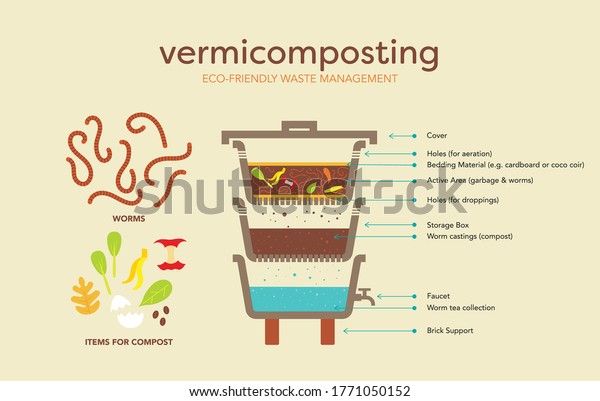
If you’re short on space or want a more manageable system, worm composting might be your answer. Red wigglers, the most common type used, thrive in bins filled with bedding material like shredded newspaper or coconut coir. These worms eat organic matter and produce nutrient-dense castings that gardeners love. You’ll need a container with drainage holes and a lid. Layer the bedding with food scraps, keeping them covered to prevent odors and pests. Worms prefer temperatures between 55-77°F, so indoor setups work great. The process is quiet, odorless, and produces excellent results. Worm bins can be placed under sinks, in garages, or even indoors. They’re perfect for apartment dwellers or anyone with limited outdoor space. Just remember to feed them regularly but not too much at once – they can only process so much.
Troubleshooting Common Composting Problems
Even experienced composters run into issues. Odors often indicate too much moisture or insufficient air circulation. Cover food scraps properly and turn the pile more frequently. If your pile smells bad, it might be anaerobic – meaning it lacks oxygen. Add more brown materials and turn the pile to introduce fresh air. Pests can be a concern, especially if you’re adding meat or dairy. Stick to plant-based scraps and bury food deeply in the pile. If your compost is taking forever to break down, it might lack nitrogen or be too dry. Add green materials and water it lightly. If it’s too wet, add more brown materials. Sometimes the pile just needs time – composting is a slow process that requires patience. Don’t give up after a few weeks – it takes months to see significant results.
Maximizing Your Compost’s Nutritional Value
Good compost isn’t just dark and crumbly – it should smell earthy and provide nutrients for plants. The finished product should be rich in nitrogen, phosphorus, potassium, and other essential minerals. To get the most out of your compost, let it cure for several months before using. This allows the remaining microorganisms to stabilize and prevents burning plant roots. Mix compost into soil before planting or spread it as mulch around existing plants. For best results, incorporate it at a rate of 25-50% by volume in garden beds. Compost tea, made by steeping finished compost in water, provides a liquid fertilizer that feeds plants directly. It’s easy to make and incredibly effective. The nutrients in compost release slowly, providing steady nourishment rather than quick bursts that can burn plants.
Sustainable Practices Beyond Basic Composting
Beyond basic composting, consider integrating more sustainable practices into your routine. Compost everything you can – fruit peels, vegetable scraps, coffee grounds, eggshells, and yard waste. Even paper products like newspapers and cardboard can be composted if shredded. Set up a separate container for kitchen scraps to make collection easier. Plan your composting based on seasonal availability – more greens in spring and summer, more browns in fall and winter. Consider composting pet waste separately, though it requires special precautions due to potential pathogens. Many communities offer curbside compost pickup programs, making it even easier to participate. Creating a composting system that fits your lifestyle means you’ll stick with it longer and enjoy better results.
Composting transforms waste into treasure, connecting us to the earth and our food cycle in meaningful ways. Whether you choose traditional outdoor piles or compact worm bins, the benefits are clear: less waste, healthier plants, and a deeper appreciation for nature’s processes. It’s not about perfection – it’s about progress. Every kitchen scrap you divert from landfills, every garden bed you enrich, every small step toward sustainability counts. Start small, learn as you go, and remember that even the most experienced composters were once beginners. With time and practice, you’ll find yourself not just managing waste, but creating something truly valuable. The journey from zero to worm hero isn’t just about composting – it’s about becoming part of a larger, more sustainable way of living.