Picture this: You’re tending to your garden, and suddenly you spot those pesky weeds taking over. You could reach for the chemical sprays, but what if there’s a better way? What if you could fight back against unwanted plants without harming the environment or your family? That’s exactly what natural weed removal methods offer.
Weeds are like unwelcome guests at a party – they show up uninvited, take over spaces, and make everything look messy. Traditional methods often involve chemicals that can harm beneficial insects, contaminate soil, and even affect your health. But what if we told you there are better ways to handle these green invaders? Natural alternatives aren’t just good for the planet; they’re often more effective in the long run and safer for everyone involved. Let’s explore how to reclaim your space using Mother Nature’s own toolbox.
Understanding How Weeds Spread
Before diving into solutions, it helps to know how these persistent plants get their start. Weeds reproduce in various ways – some spread via seeds that can lie dormant in soil for years, others grow from underground roots, and some even propagate through their stems. The key is understanding that most weeds thrive in disturbed soil, areas with poor nutrition, or places where competition from desired plants is weak. Knowing their habits gives us the advantage when planning our approach. For instance, if you have a patch of dandelions, they’ll likely come back year after year unless you address their root system properly.
Manual Removal Techniques
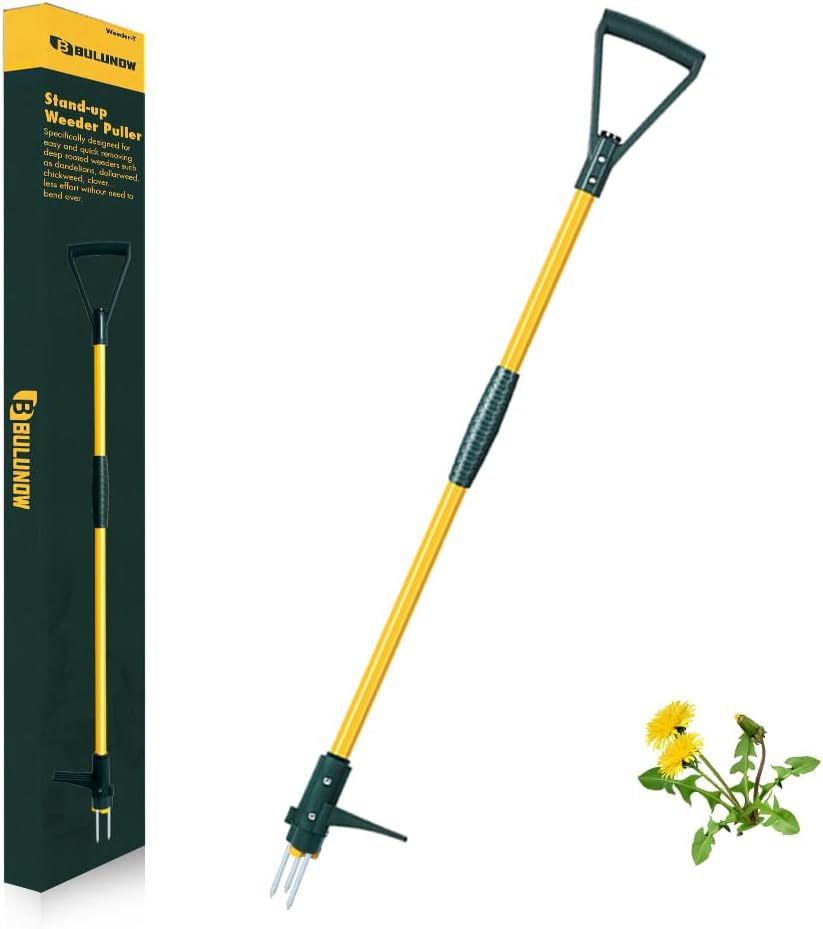
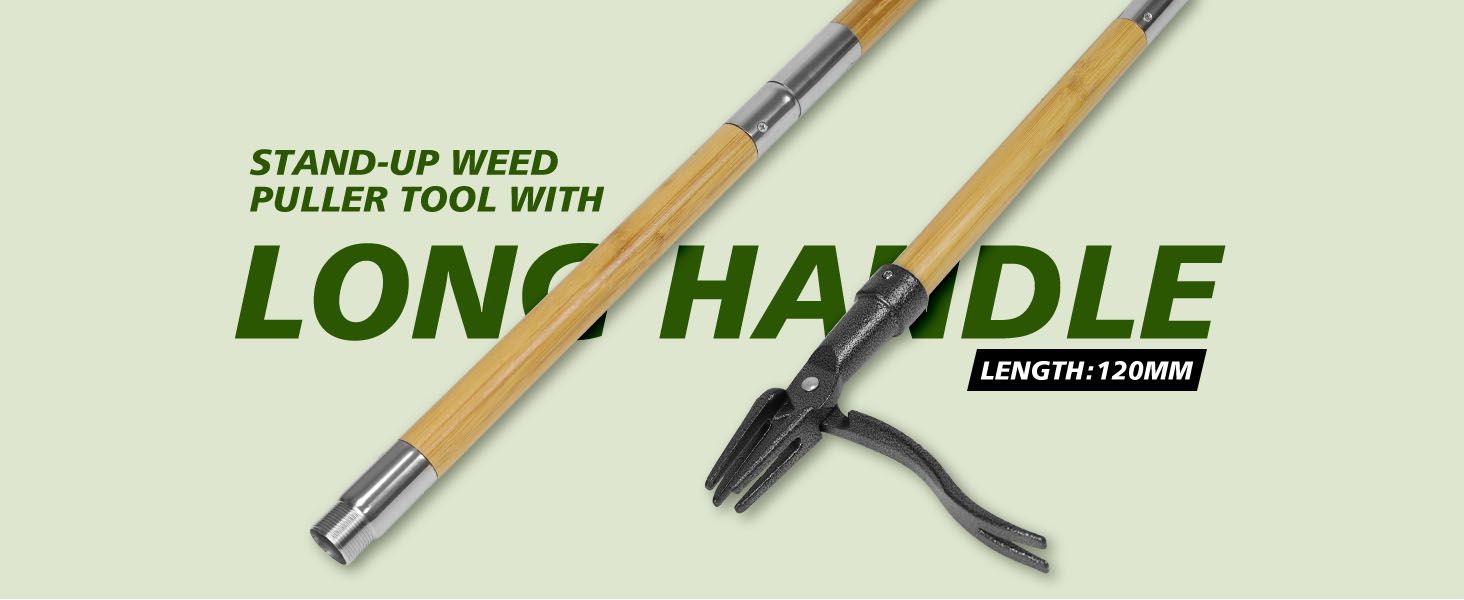
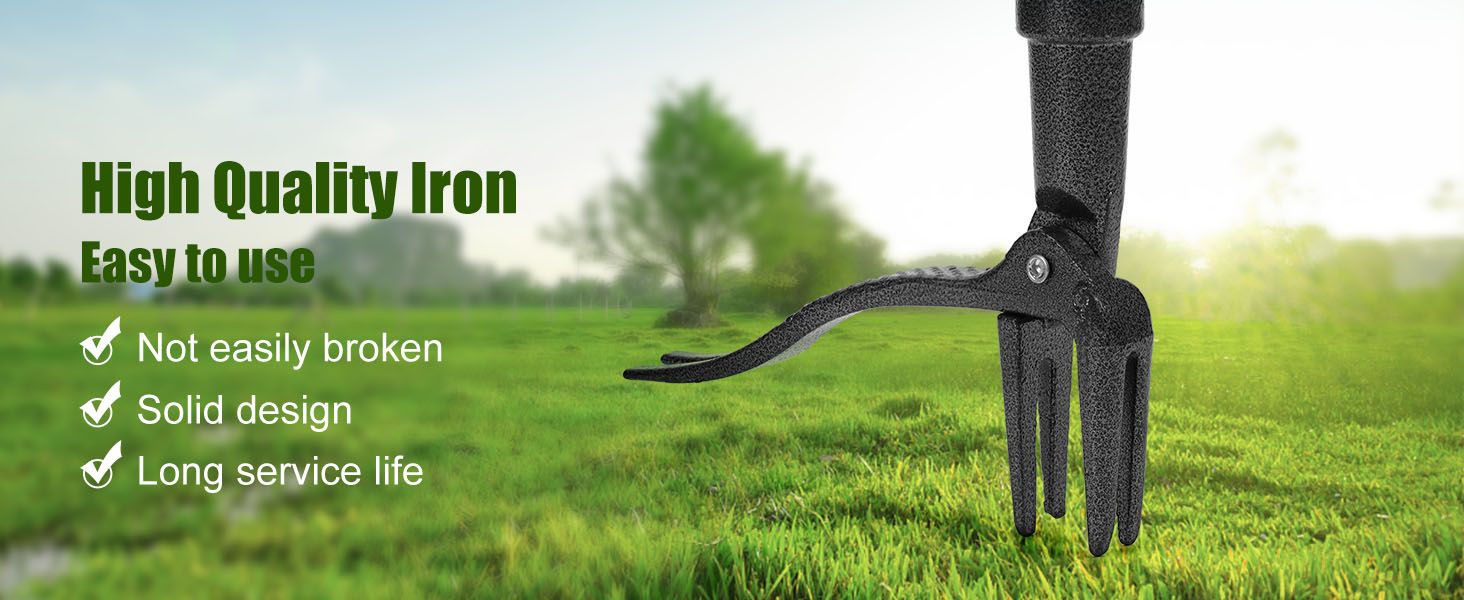
Sometimes the best solution is the simplest one. Manual removal involves pulling weeds out by hand or using simple tools. This method works especially well for small infestations or when you’re dealing with annual weeds that don’t have deep root systems. Using a hoe or a weeding fork can help get rid of stubborn perennials. The trick is to pull them out completely, including the root system. Many gardeners find success by doing this work when the soil is moist – it makes extraction much easier. It’s hard work, but it’s satisfying to see those little green pests disappear for good.
Mulching: Nature’s Blanket
Think of mulch as nature’s blanket – it covers the ground and keeps unwanted plants from getting a foothold. Organic mulches like straw, wood chips, or shredded leaves create a barrier that blocks sunlight, which weeds desperately need to survive. They also improve soil quality as they decompose. You might be surprised how effective this is once you’ve established a proper layer. A thick application of mulch can prevent new weeds from germinating while feeding the soil around your desired plants. Plus, it helps retain moisture and keeps soil temperature stable – win-win for everything else in your garden.
Vinegar-Based Solutions
Vinegar isn’t just for cooking anymore – it’s a powerful weapon against weeds. Household white vinegar contains acetic acid that dehydrates plant cells when applied directly to weeds. The effectiveness depends on concentration and timing. A 5% vinegar solution works well for most situations, though stronger concentrations may be needed for tougher weeds. Apply on sunny days when weeds are actively growing for maximum impact. It’s important to note that vinegar affects all vegetation it touches, so target only the unwanted plants. Some gardeners mix it with salt or dish soap to enhance its effectiveness, though this should be done carefully to avoid soil damage.
Boiling Water: A Simple Approach
Boiling water is an old-school remedy that still works today. Pouring scalding water directly onto weeds kills them instantly by cooking their cells. This method works best on small patches and works particularly well for weeds growing in cracks between walkways or driveways. It’s a quick fix that requires no special equipment and poses no chemical risks. However, be careful not to splash the hot water on desirable plants nearby. The method is most effective when applied during dry weather conditions, allowing the heat to penetrate deeply into the plant structure.
Cover Crops and Ground Covers
Planting competitive crops and ground covers is a smart strategy for preventing weeds from establishing themselves. Cover crops like clover, rye grass, or buckwheat can outcompete weeds for nutrients and space. They also add organic matter to soil when tilled under. Ground covers such as creeping thyme, sedum, or vinca provide continuous coverage that makes it hard for weeds to take hold. These living barriers are particularly useful in areas where you can’t easily control weeds through other means. They’re essentially nature’s way of creating a protective shield around your favorite plants.
Natural weed removal isn’t just about avoiding chemicals – it’s about working with nature rather than against it. Whether you choose manual removal, mulching, vinegar treatments, or strategic planting, each method offers unique benefits depending on your situation. The beauty of these approaches lies in their sustainability and safety. They protect beneficial insects, preserve soil health, and create a more balanced ecosystem in your garden. While they might require a bit more effort upfront, the long-term results often surpass what traditional methods can offer. So next time you face a weed problem, consider these natural alternatives – your garden (and your family) will thank you.