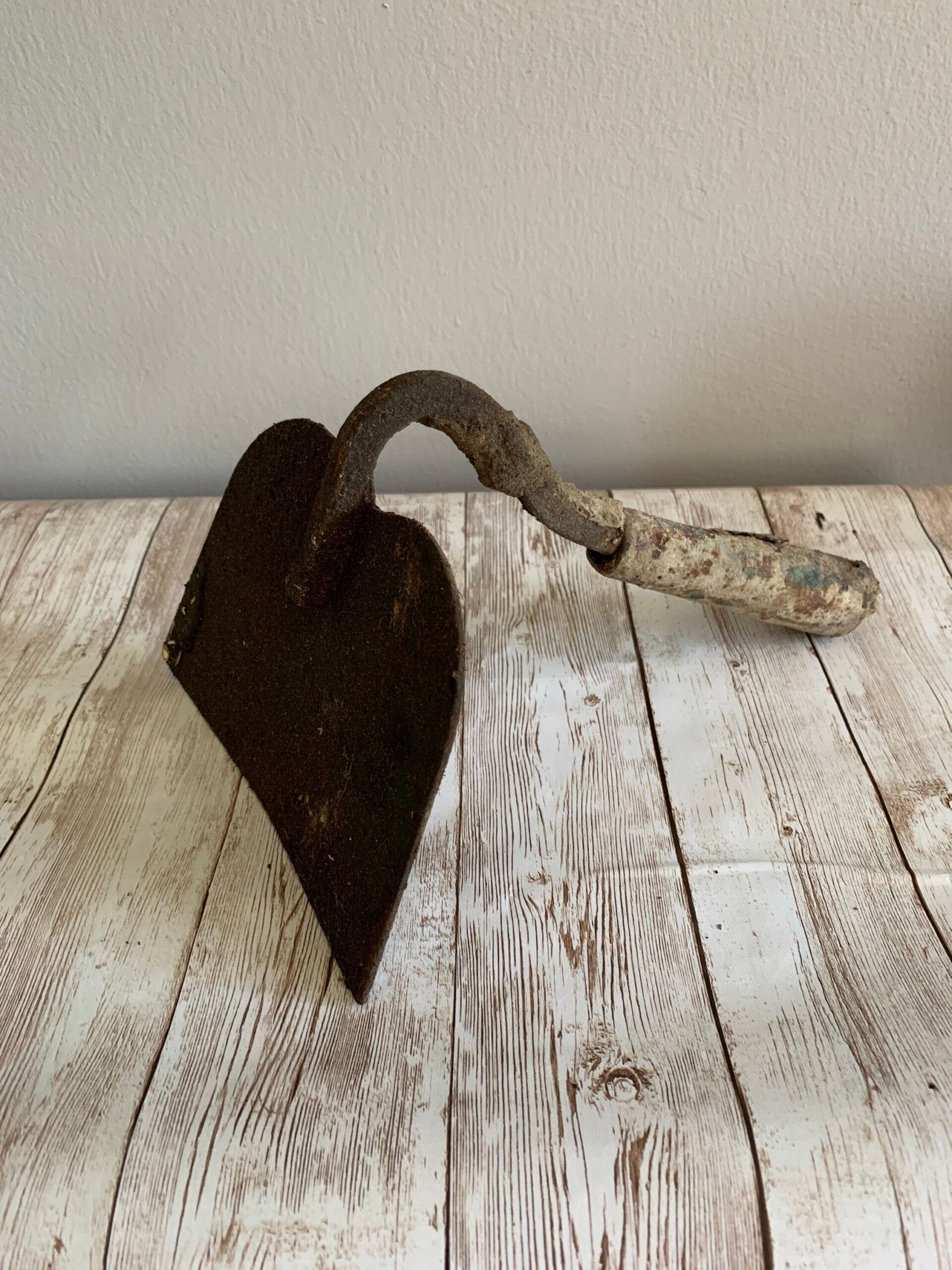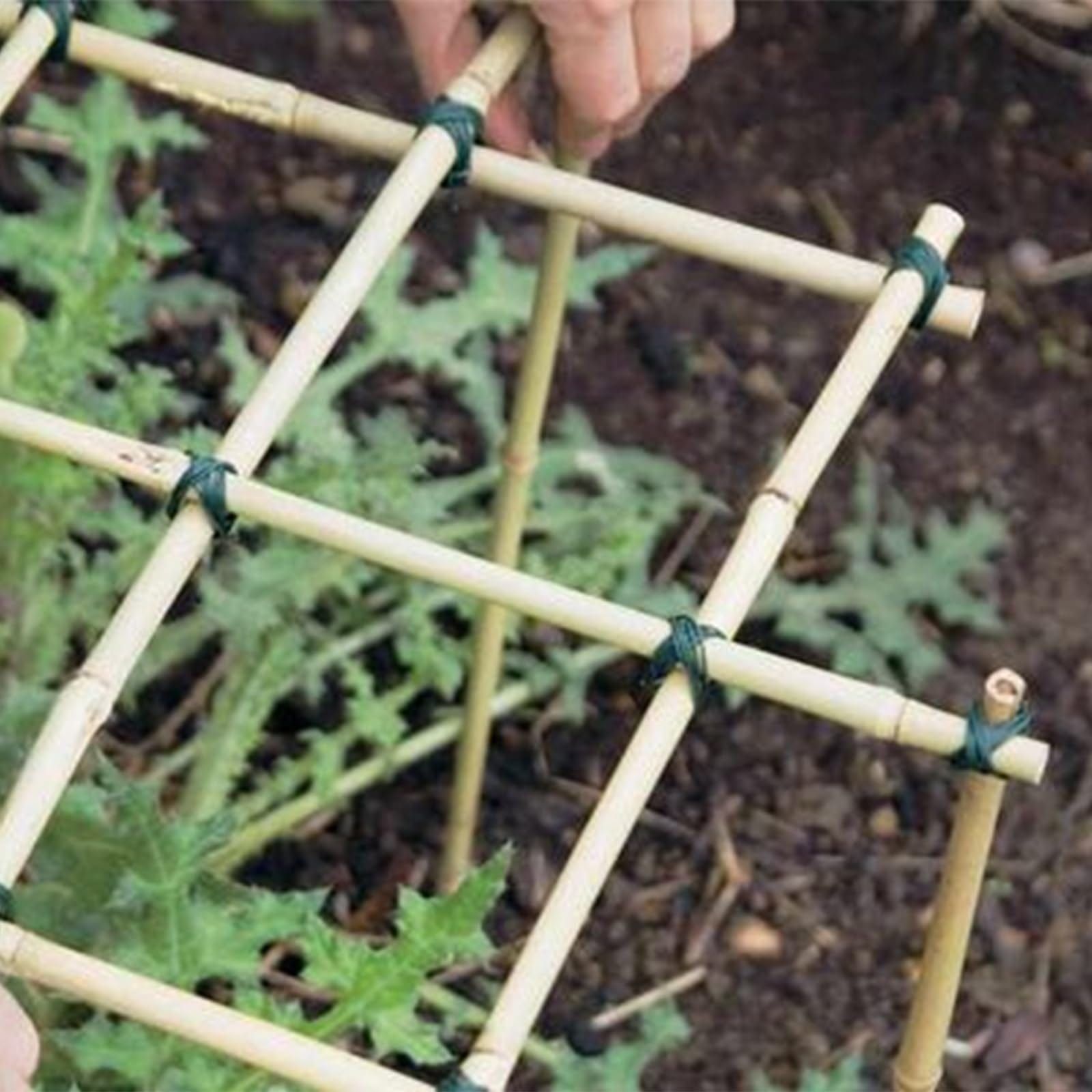
Gardening in tight spots doesn’t mean compromising on quality or environmental responsibility. Whether you’re working with a balcony planter, a tiny backyard, or a windowsill herb garden, finding the right sustainable garden shovel makes all the difference. These tools aren’t just about digging holes – they’re about making thoughtful choices that benefit both your plants and the planet.
Small space gardening has become increasingly popular as more people discover the joy of growing their own food and flowers in limited areas. But when you’re working with restricted space, every tool matters. A garden shovel that’s too big can feel unwieldy and inefficient. That’s where sustainable options come in handy. These tools are designed to work well in small spaces while also being kinder to the environment. The right shovel can transform your gardening experience from frustrating to fulfilling, especially when you consider the materials and manufacturing processes behind each choice. What makes a shovel truly sustainable? It’s not just about the handle material or the blade design – it’s about the entire lifecycle of the tool. From how it’s made to how it lasts, and even how it’s disposed of when it finally reaches the end of its useful life.
Understanding Sustainable Materials
When looking for a sustainable garden shovel, the first thing to consider is what it’s made from. Traditional shovels often rely heavily on steel, which can be problematic because steel production generates significant carbon emissions. However, there are several eco-friendly alternatives worth exploring. Bamboo handles have gained popularity for their rapid renewability and strength. They’re naturally pest-resistant and don’t require chemical treatments. Aluminum is another excellent option, offering durability with lighter weight compared to steel. It’s also fully recyclable. Some manufacturers use recycled steel, which reduces the need for new raw materials and decreases overall environmental impact. Even the blade material matters. Look for options made from recycled metals or those with minimal coating requirements. The manufacturing process also plays a role – tools made with less energy-intensive methods and fewer toxic chemicals are better choices. For example, some companies use water-based paints instead of solvent-based ones. Consider also whether the manufacturer offers repair services or replacement parts, which extends the tool’s life significantly. A shovel that can be repaired rather than replaced is inherently more sustainable. Think about the full story behind the product. Is it made locally to reduce transportation emissions? Are the materials sourced ethically? These questions help paint a clearer picture of true sustainability.
Shovel Design for Compact Spaces
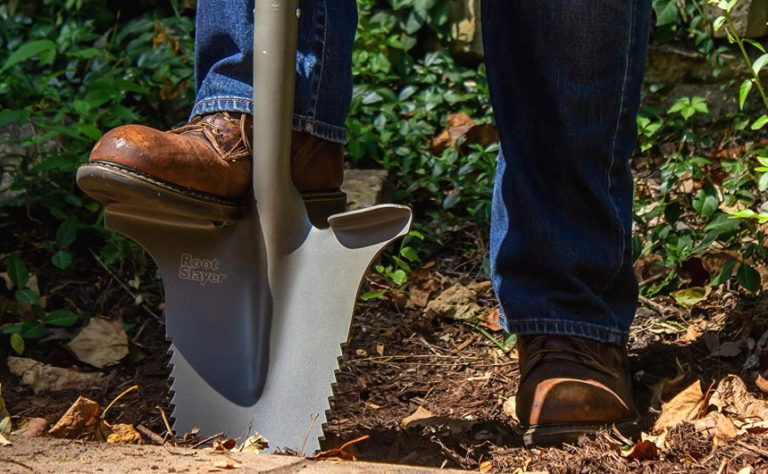
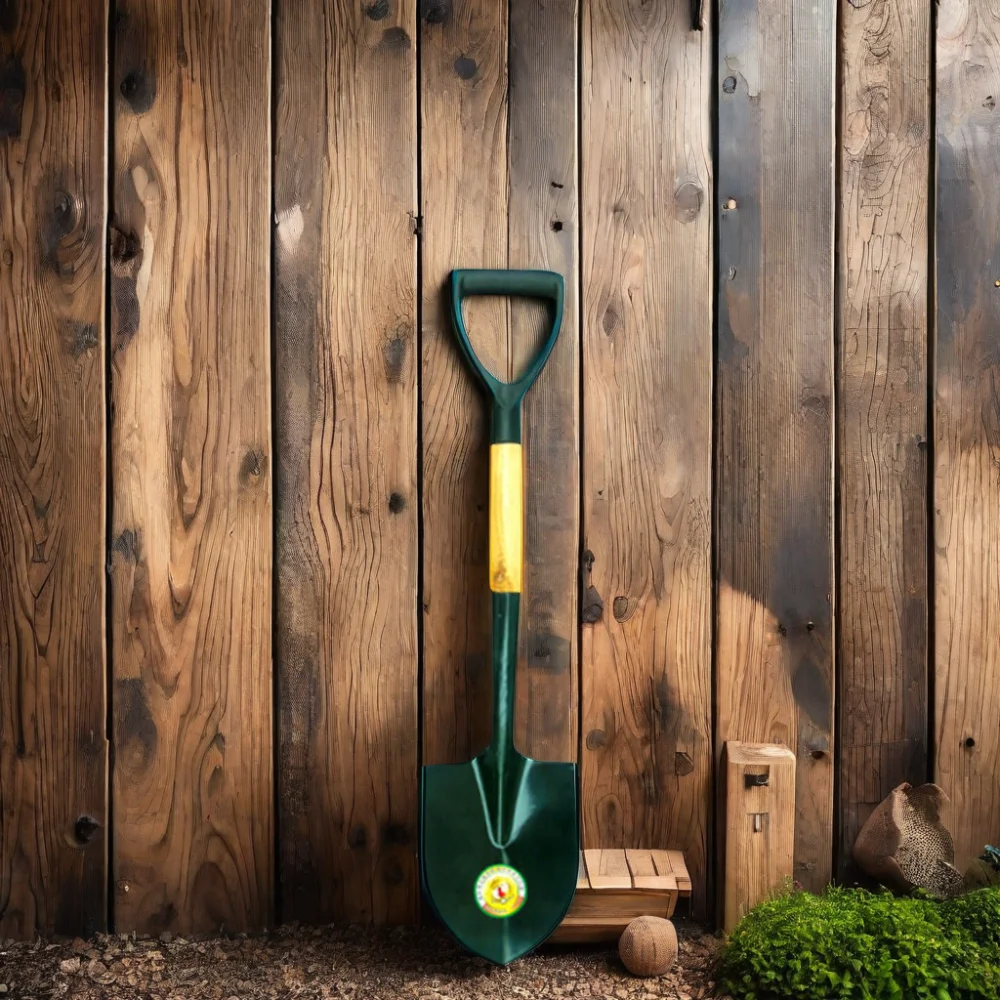
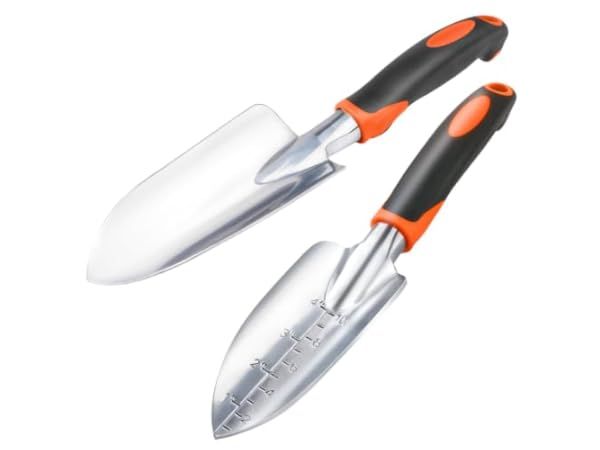
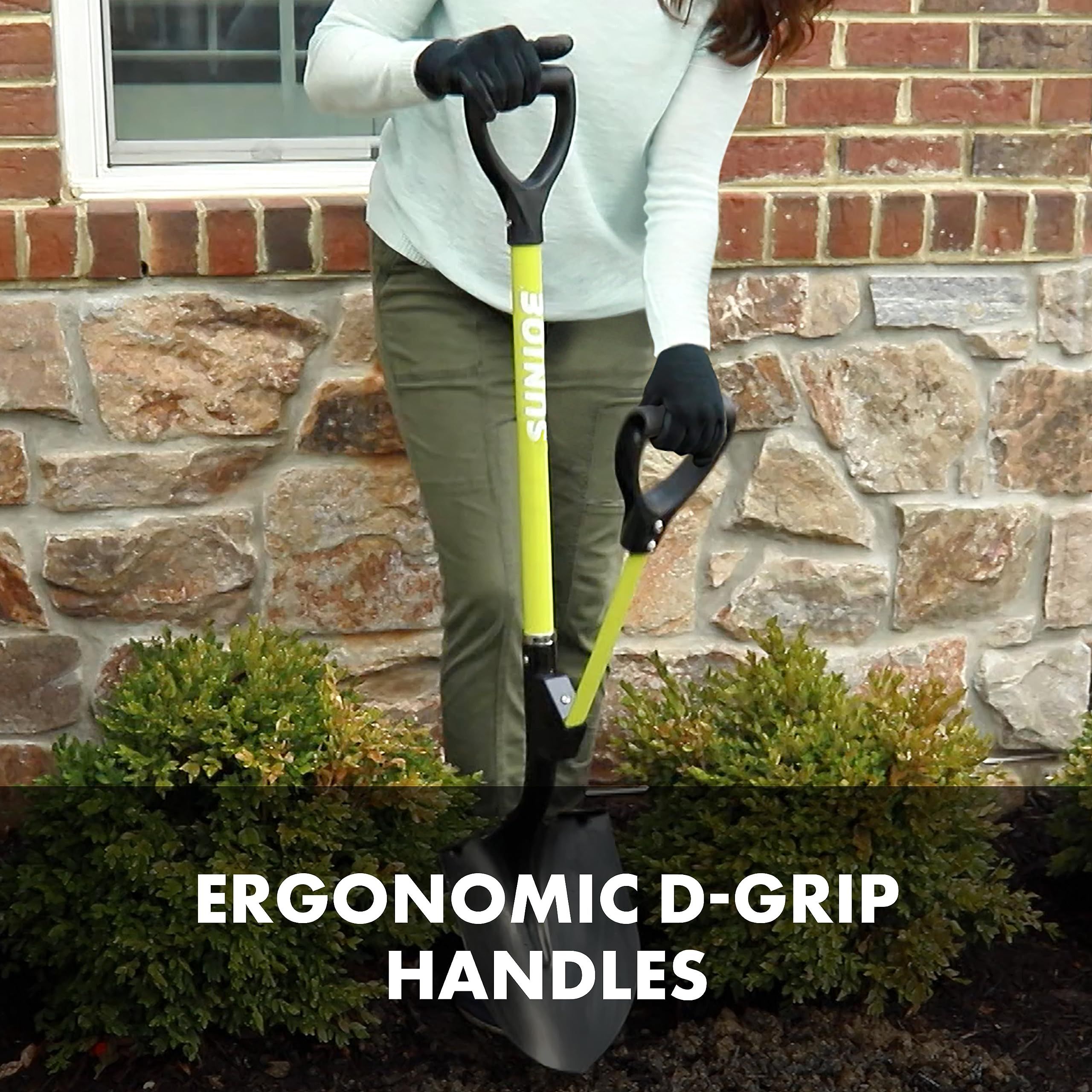
The size and shape of your shovel matter enormously in small space gardening. A standard garden shovel might be too bulky for container gardens or raised beds. Instead, look for compact designs that offer precision and control. Shorter handles provide better leverage in tight spots and reduce fatigue during extended use. The blade width is equally important. A narrow blade allows for precise digging around delicate roots and prevents damage to nearby plants. Some designers create shovels specifically for potting and transplanting, featuring curved blades that work perfectly for scooping soil. Consider the angle of the blade as well. A sharper angle can cut through tough soil more efficiently, while a broader angle provides more surface area for moving loose material. Weight distribution affects usability too. A shovel that feels balanced in your hands will perform better and cause less strain. Many sustainable options feature ergonomic designs that take into account how people actually use tools. This isn’t just about comfort – it’s about efficiency. When your tool works well with your body mechanics, you can garden longer and more effectively. The right design can even prevent injuries that might occur with poorly balanced equipment. What’s the most important feature for small space gardening? Probably the ability to work precisely without disturbing surrounding areas.
Durability and Longevity Factors
Sustainable gardening tools aren’t just about initial environmental impact – they’re about lasting performance over time. A high-quality shovel that lasts decades is far more environmentally responsible than one that needs replacing every few seasons. Steel construction typically offers superior durability, though it’s important to choose the right type. Stainless steel resists rust and corrosion better than regular steel, extending the tool’s life considerably. Look for shovels with reinforced joints and well-secured blade attachments. These details often determine whether a tool survives years of regular use. The coating or finish also matters. Some finishes may peel off over time, exposing underlying metal to moisture. Others, like ceramic coatings, can provide protection while remaining environmentally friendly. Consider the warranty offered by manufacturers. A good warranty often indicates confidence in the product’s longevity. Also, think about maintenance requirements. Tools that need frequent oiling or special cleaning products may not be as sustainable as those requiring minimal upkeep. Quality craftsmanship shows in how well the parts fit together. You want a shovel that won’t fall apart after a few uses. Check reviews for information about actual usage experiences. Real-world testing reveals how well tools hold up under various conditions. A shovel that performs well in clay soil is different from one that excels in sandy conditions. The key is finding a balance between performance and longevity.
Environmental Impact Assessment
Every tool has an environmental footprint, and understanding this helps make informed choices. Start by examining the production process. How much energy does it take to manufacture the shovel? Are renewable energy sources used? Some companies power their factories with solar or wind energy. Transportation also contributes to the overall impact. Tools shipped across continents create larger carbon footprints than locally-made items. The packaging matters too. Minimal packaging reduces waste, and biodegradable or recyclable packaging is preferable. Consider the end-of-life scenario. Can the tool be recycled entirely? Some shovels have separate components that can be processed differently. The blade, handle, and any hardware might require different disposal methods. Some manufacturers offer take-back programs where old tools are returned for proper recycling. This circular approach to tool ownership is becoming more common. What happens when your shovel finally wears out? Does it go to a landfill, or can it be broken down into reusable materials? Sustainable tools are designed with this in mind from the beginning. Look for certifications such as FSC (Forest Stewardship Council) for wood components, or recycled content labels for metal parts. These standards help verify that environmental claims are legitimate. Remember that buying a quality tool is an investment in reducing future environmental impacts. It’s not just about today’s gardening – it’s about minimizing tomorrow’s waste.
Practical Selection Criteria
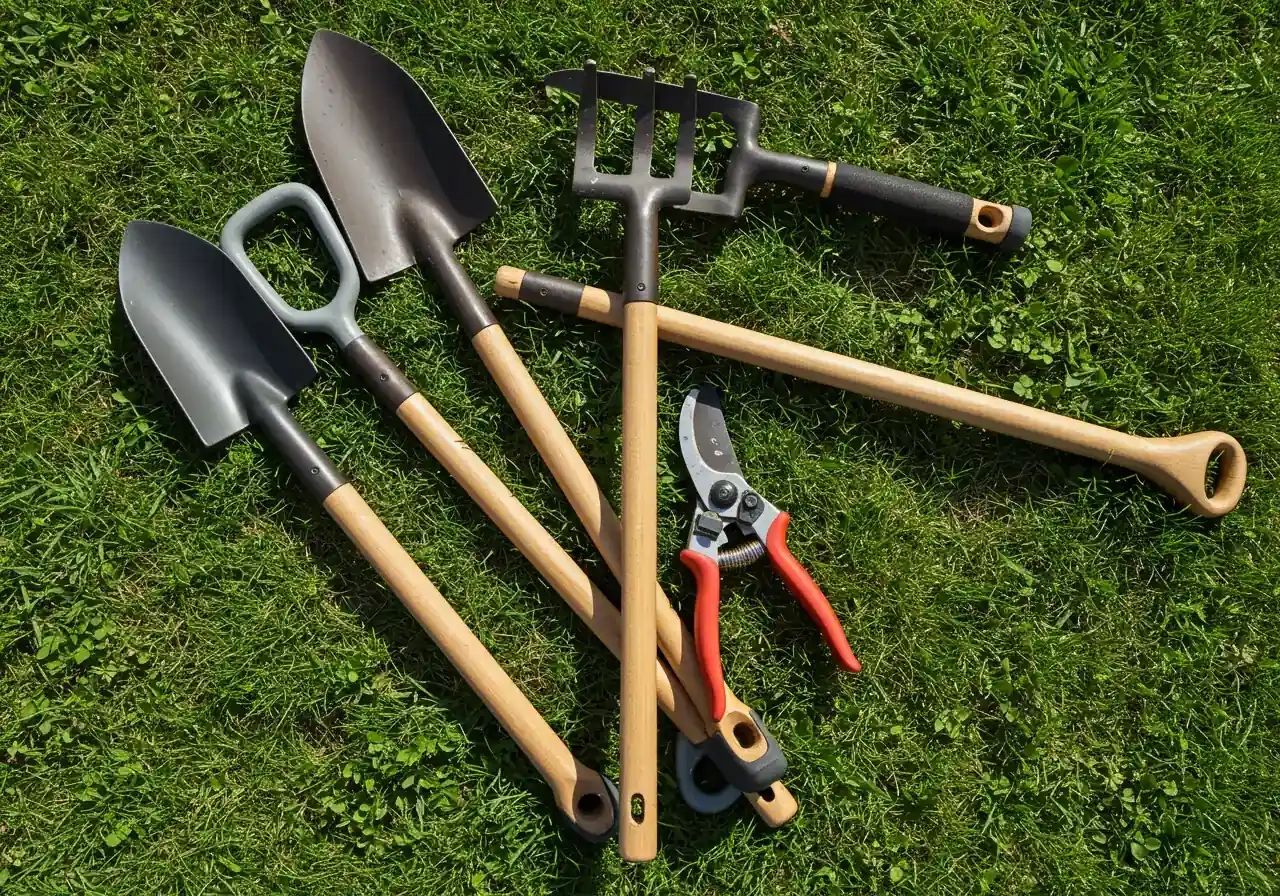
Making a decision among sustainable garden shovels requires considering multiple factors simultaneously. First, assess your specific gardening needs. Do you primarily work with containers, raised beds, or traditional ground planting? Different scenarios call for different tool characteristics. Next, consider your budget. Sustainable tools often cost more upfront, but their longevity can justify the investment. Compare prices per year of use to get a clearer picture of value. Test the weight and balance if possible. A shovel that feels right in your hands will perform better. Read user reviews carefully, especially those mentioning long-term use. Pay attention to blade sharpness and edge retention. A dull blade will require more effort and can damage plants. Check for features that enhance usability, such as grip enhancements or non-slip handles. Some shovels incorporate rubberized grips for better control. Others have specialized blade shapes for particular tasks. The handle length should suit your height and gardening style. Tall individuals might prefer longer handles for better leverage. Shorter people might find shorter handles more comfortable. Consider versatility – can the shovel handle multiple tasks, or is it specialized for one purpose? A multi-purpose tool often provides better value. Think about storage requirements too. Will the tool fit easily in your small space? Some designs fold or nest for compact storage. These practical considerations often determine whether a sustainable tool becomes part of your regular routine.
Maintenance and Care Tips
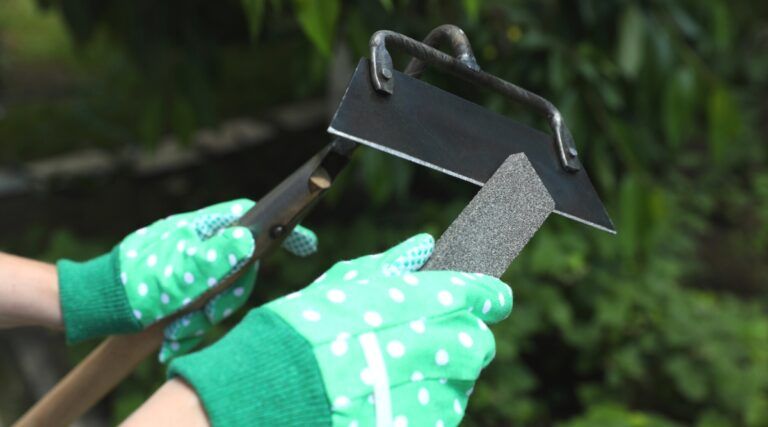
Proper care extends the life of any garden tool, including sustainable ones. Regular cleaning removes dirt and debris that can cause corrosion. After each use, wipe down the blade and handle thoroughly. For wooden handles, apply a natural oil like linseed oil to prevent cracking. Metal parts should be dried completely to prevent rust formation. Some sustainable shovels come with specific care instructions, so check manufacturer guidelines. Sharpen the blade regularly to maintain effectiveness. Dull blades require more force and can damage plants. Store tools in a dry location away from moisture. A simple tool rack or wall mount keeps them accessible and protected. Handle with care to avoid bending or breaking. Even the strongest sustainable materials can fail under misuse. Address small problems quickly before they become bigger issues. Replace worn grips promptly to maintain safe handling. Some people prefer to season their tools by applying a thin coat of oil periodically. This practice is particularly helpful for wooden handles. Watch for signs of wear such as loose fittings or chipped coatings. Early detection prevents major repairs or replacements. Remember that maintenance is part of the sustainable philosophy – taking care of your tools means using fewer resources over time. The time invested in proper care pays dividends in tool longevity and performance. A well-maintained shovel can serve you for many seasons, making it a worthwhile investment in both your garden and the environment.
Choosing the right sustainable garden shovel for small space gardening involves careful consideration of materials, design, durability, and environmental impact. The investment you make today in a quality, eco-friendly tool pays dividends in both garden performance and environmental stewardship. By focusing on sustainable materials like bamboo or recycled metals, selecting appropriate sizes and designs for your specific gardening situation, and committing to proper maintenance, you create a tool that serves you well while respecting the planet. The journey toward sustainable gardening starts with small decisions – like choosing the right shovel. These choices might seem minor, but they contribute to a larger movement toward more responsible gardening practices. Every time you dig with a sustainable tool, you’re making a statement about what kind of future you want for your garden and the world around it. Whether you’re starting a tiny herb garden or expanding a container collection, the right shovel makes all the difference in creating a thriving, eco-conscious space.