Every gardener knows that healthy water features require proper oxygenation. Whether you’re maintaining a small backyard pond or a larger water garden, choosing the right aeration system can make all the difference. But with options ranging from traditional electric models to innovative solar-powered units, how do you decide which one suits your needs? Let’s dive into the core differences between these two approaches and explore what works best for different situations.
Garden ponds are more than just beautiful additions to outdoor spaces – they’re complex ecosystems that need careful balance to thrive. One crucial element that often gets overlooked is aeration. Without proper oxygen levels, fish can struggle, plants may die, and the entire pond environment suffers. That’s where aerators come in. They’re essentially the lungs of your pond, providing the oxygen fish and plants need to survive and flourish. But when it comes to powering these essential devices, there are two main paths: traditional electric systems and modern solar-powered alternatives. Both have their place in the garden, but understanding their differences helps you make informed decisions about your pond’s health and your wallet.
How Aeration Works in Pond Ecosystems
Before we compare power sources, let’s understand why aeration matters. Think of your pond as a living breathing entity. Fish produce waste, plants consume nutrients, and decomposing organic matter creates a constant cycle. This process naturally depletes oxygen levels, especially during hot weather or when the pond is heavily stocked. Aerator systems work by creating bubbles that rise to the surface, agitating the water and allowing fresh oxygen to dissolve into the pond water. The movement also helps circulate water throughout the pond, preventing stagnant areas where harmful bacteria might build up. It’s like giving your pond a gentle workout to keep everything running smoothly.
Traditional Electric Aerator Systems
Electric aerators have been the go-to choice for decades, and for good reason. These systems typically connect directly to standard household electricity and offer several advantages. They provide consistent, reliable performance regardless of weather conditions or time of day. Most models are straightforward to install and operate, often requiring nothing more than plugging into an outlet. They tend to deliver higher airflow rates, making them ideal for larger ponds or those with many fish. Many electric models also feature adjustable settings, allowing you to control the intensity based on seasonal needs. However, the reliance on electrical outlets can limit placement options, and there are ongoing costs for electricity usage. For those with access to power and willing to pay for ongoing energy expenses, electric aerators remain a solid option.
Solar Powered Aerator Solutions
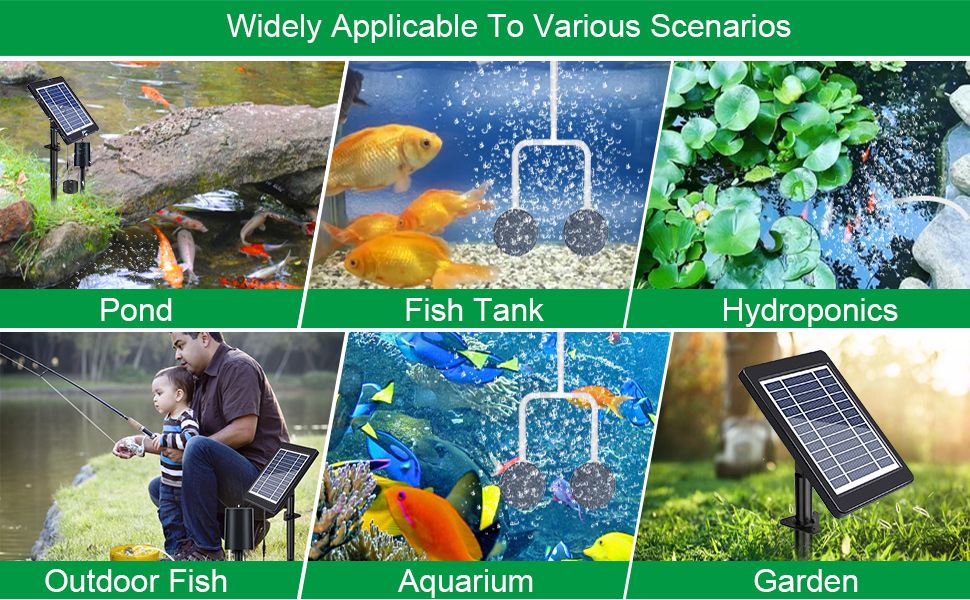
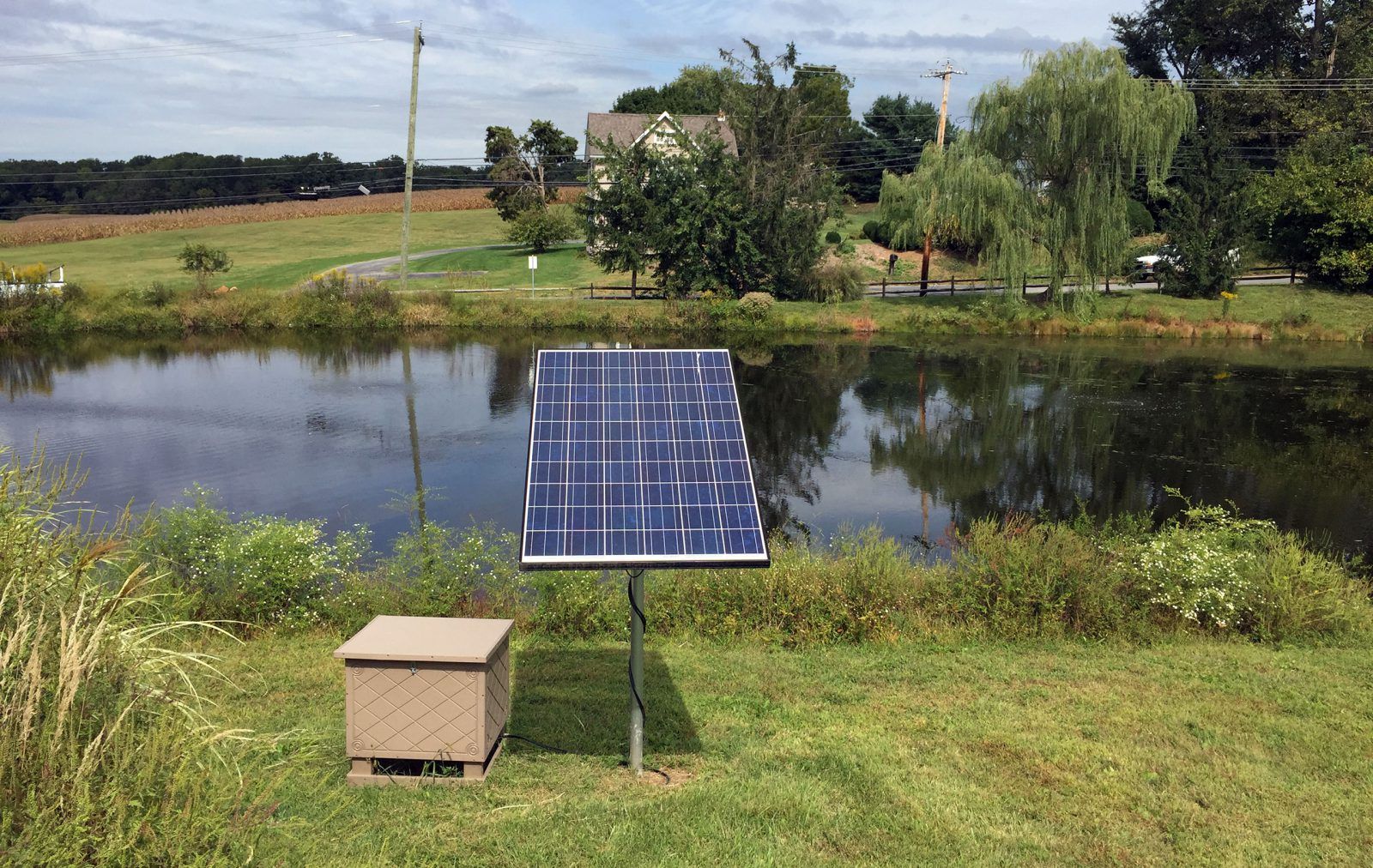
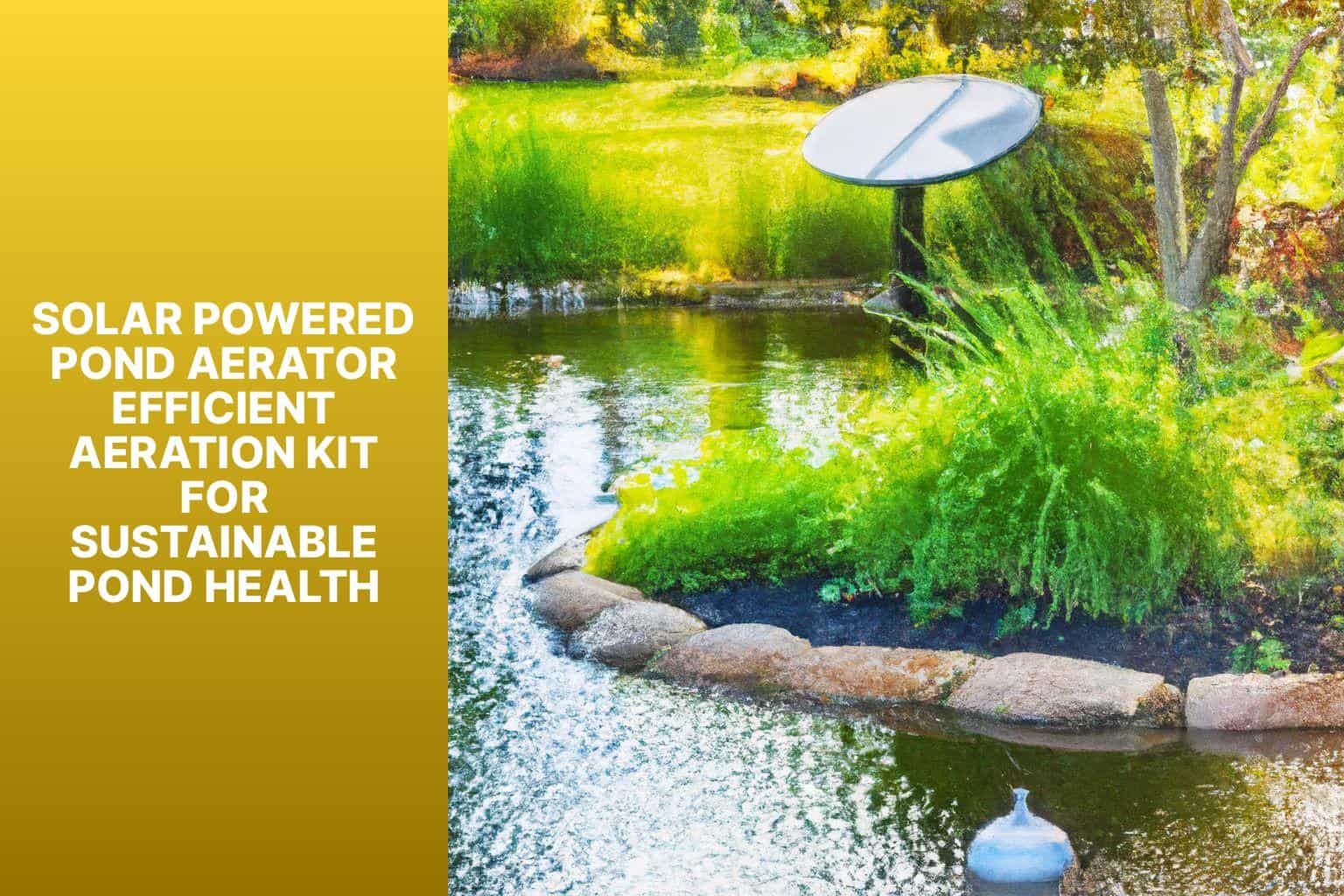
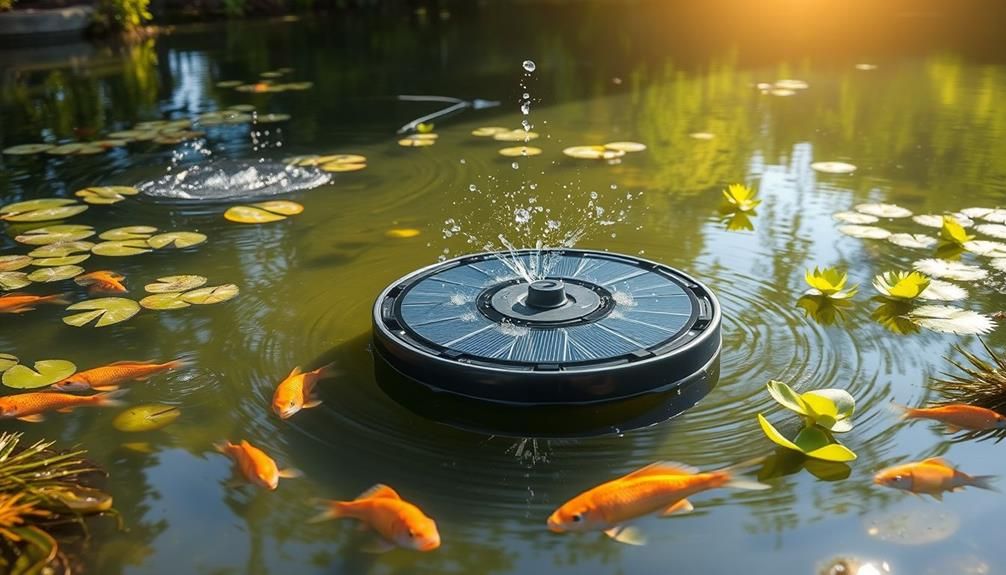
Solar aerators represent a growing trend among environmentally conscious gardeners. These systems harness sunlight to power their operation, making them particularly appealing for remote locations or those seeking to reduce electricity costs. The technology has improved significantly over recent years, offering more efficient panels and better battery storage. Solar systems typically consist of photovoltaic panels that convert sunlight into electrical energy, stored in batteries that power the aerator during peak demand periods. They’re especially useful for ponds located far from electrical outlets, such as those in backyards or rural areas. The main advantage is the lack of ongoing electricity bills and reduced environmental impact. However, their performance can vary depending on weather conditions and panel exposure to sunlight. Cloudy days or shaded areas might affect their effectiveness, though modern systems have become increasingly reliable.
Cost Considerations and Budget Impact
When comparing the financial aspects, traditional electric aerators usually have lower upfront costs. You might find basic models for under $100, while premium versions can cost several hundred dollars. The ongoing expense comes from electricity usage, which varies by model and operation time. A typical electric aerator might cost a few dollars per month to run, depending on local electricity rates and usage patterns. Solar systems often have higher initial investments, sometimes ranging from $200 to $500 or more, due to the additional components like solar panels and battery systems. However, once installed, they offer virtually no operating costs. Over time, the savings on electricity can offset the higher purchase price, especially for those with consistent usage patterns and adequate sunlight exposure.
Installation and Placement Flexibility
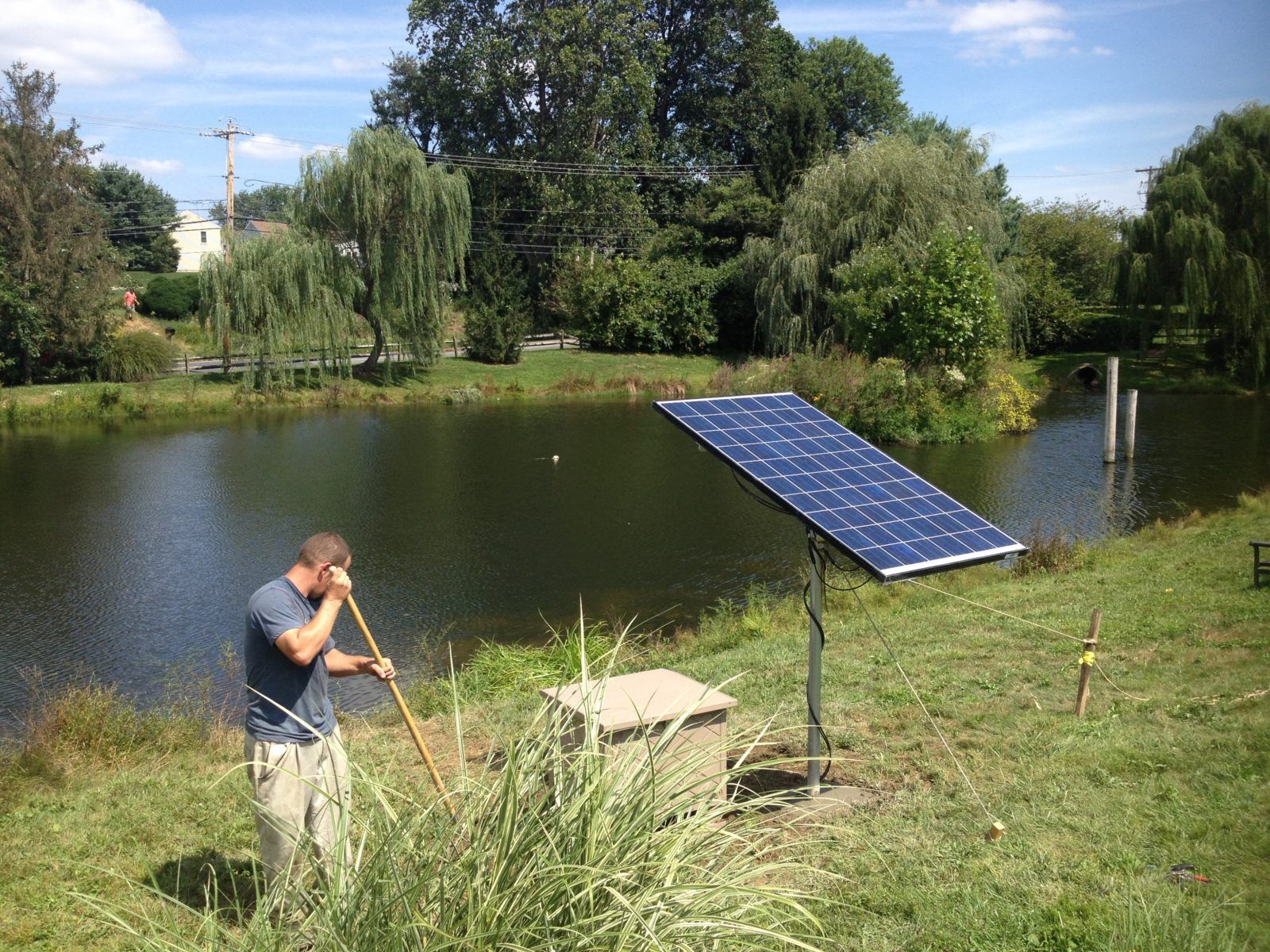
The installation requirements tell a lot about each system type. Electric aerators are incredibly flexible in terms of placement. As long as there’s an electrical outlet nearby, you can position them almost anywhere in your pond setup. This flexibility allows for optimal positioning based on water circulation needs. Some models even offer multiple mounting options, including surface floats, bottom-mounted units, or wall-mounted designs. Solar aerators, while more limited in placement, offer unique advantages for certain setups. They’re perfect for ponds that lack electrical access or for gardeners who prefer to avoid electrical wiring. However, successful installation requires careful consideration of sun exposure, panel positioning, and ensuring adequate space for solar equipment. The panels need direct sunlight for several hours daily to function effectively.
Performance and Reliability Factors
Reliability often becomes a key factor when choosing between these systems. Traditional electric aerators provide consistent performance year-round, unaffected by weather conditions. They operate at full capacity whenever plugged in, making them dependable for critical pond maintenance. Their established technology means fewer unexpected issues and widespread availability of replacement parts. Solar aerators, while improving rapidly, can experience variability in performance. On cloudy days or during extended rainy periods, they might not provide the same airflow as electric models. Battery life and charging efficiency also play roles in overall performance. Modern solar systems have addressed many of these concerns, but it’s worth considering your location’s typical weather patterns and sun exposure before committing to a solar solution.
Choosing between traditional electric and solar-powered pond aerators ultimately depends on your specific situation and priorities. If you have easy access to electricity, consistent power supply, and want maximum reliability, electric systems continue to offer excellent value. They’re proven, dependable, and perform consistently. On the other hand, if you’re looking to reduce environmental impact, save on electricity costs, or have a pond in a remote location without power access, solar aerators present compelling benefits. The technology has matured considerably, offering reliable performance for most applications. Consider factors like pond size, fish load, available sunlight, and budget when making your decision. Both options can successfully maintain healthy pond ecosystems – it’s simply a matter of which approach aligns better with your lifestyle and gardening goals. Either way, investing in proper aeration is one of the most important steps you can take to ensure your garden pond thrives for years to come.