City living doesn’t mean you have to give up on growing your own food. Whether you have a tiny balcony, a windowsill, or just a few inches of soil, there are simple ways to bring nature into your urban life. This guide cuts through the noise and focuses on what really matters for successful urban gardening.
Let’s face it – urban gardening can feel overwhelming. Between limited space, weird weather, and the endless stream of advice online, it’s easy to get lost in the details. But what if we could strip away all the fluff and focus on the basics? What if we looked at what actually makes a difference in growing healthy plants in the city? That’s exactly what we’re going to explore today. We’re talking about the core elements that every urban gardener needs to know, nothing more, nothing less.
Start Small and Stay Realistic
The biggest mistake new urban gardeners make is trying to do too much too soon. You don’t need a full greenhouse or a dozen different plants to start. Begin with one or two things you really want to grow – maybe some herbs, tomatoes, or lettuce. Think about what you actually eat and cook with. It’s better to master a few things well than to spread yourself thin across everything.
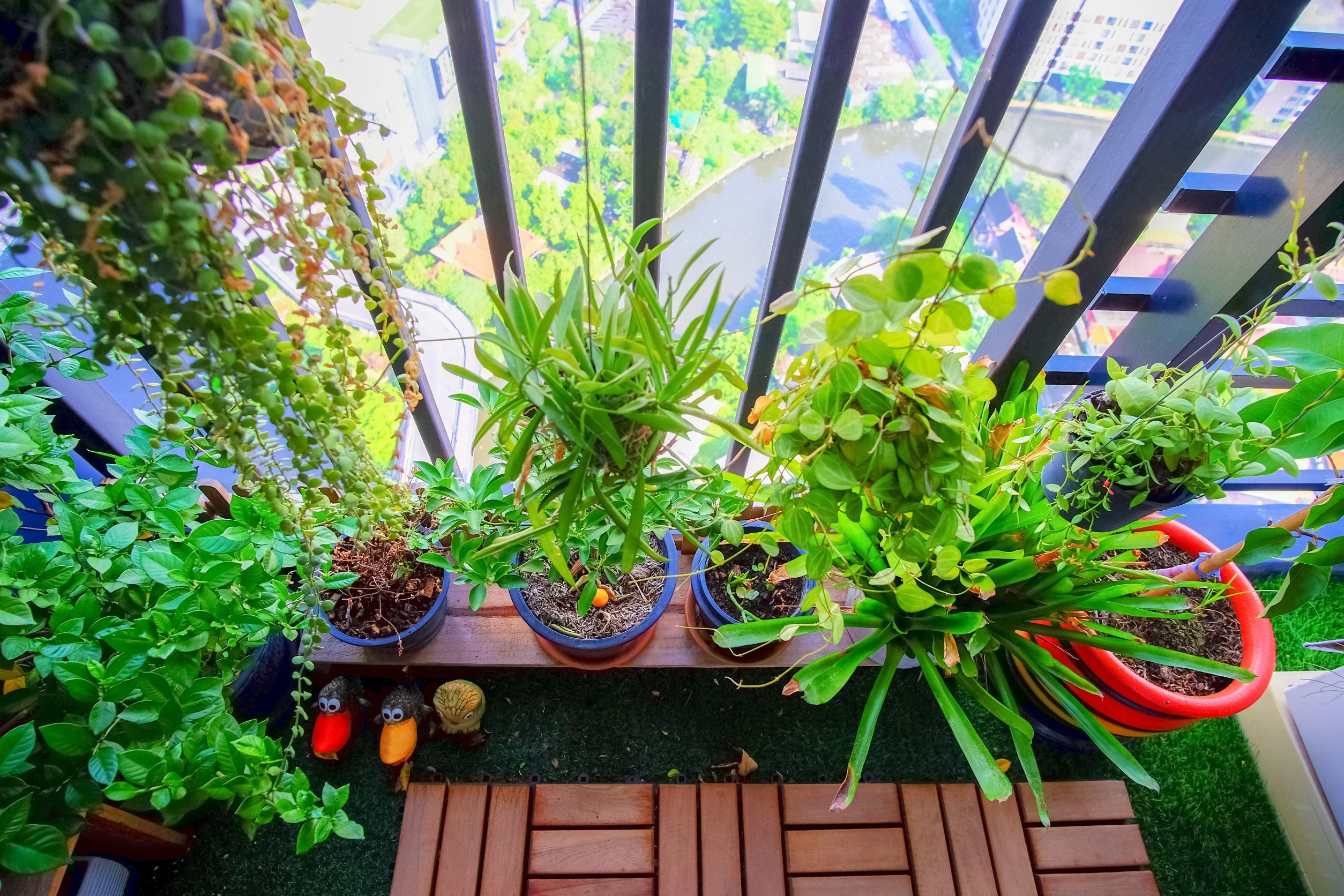
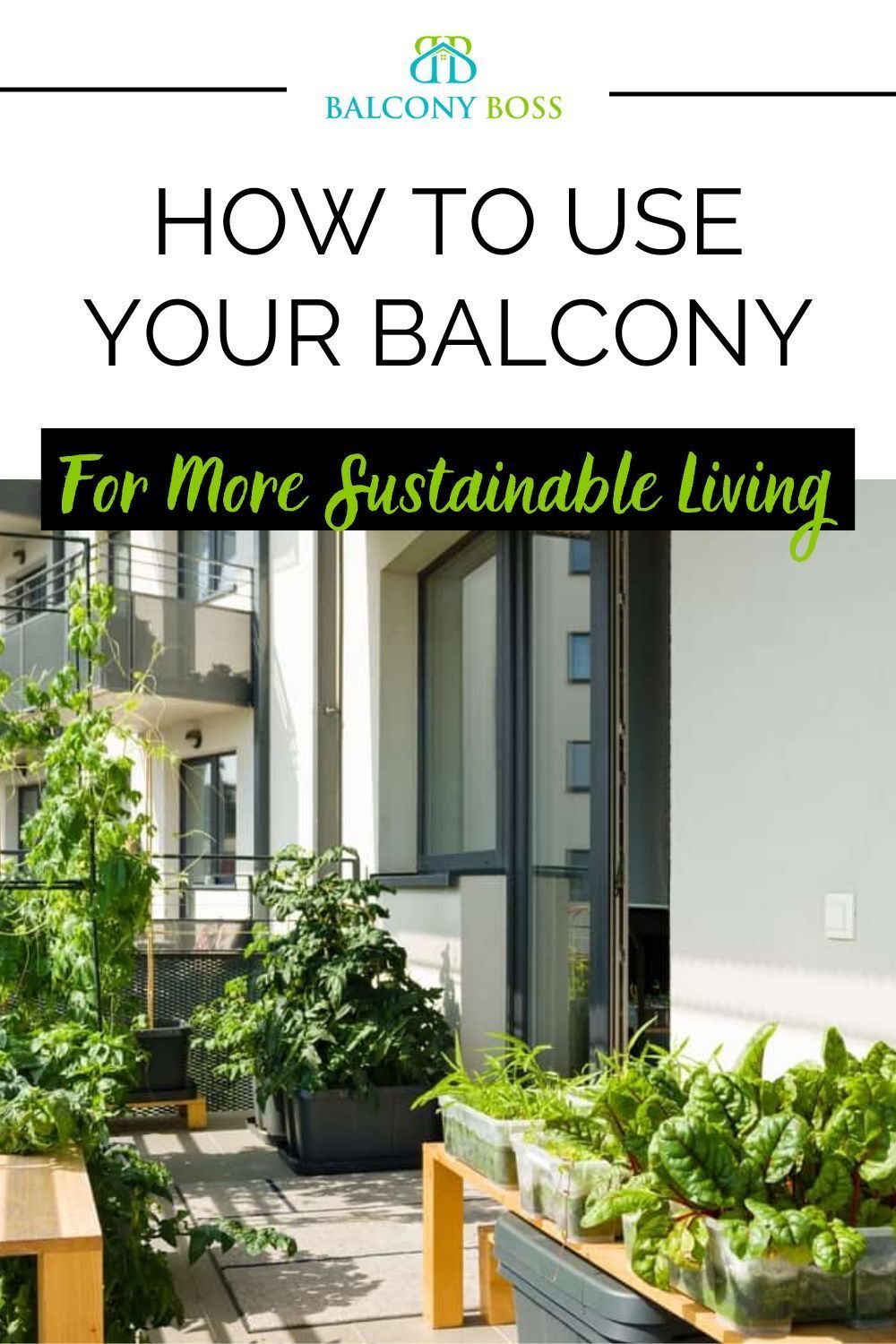
Consider the space you have available. A single window sill might hold three small pots, while a balcony could accommodate larger containers. Start with what fits naturally in your lifestyle and gradually expand as you learn. Many successful urban gardeners started with just a few tomato plants in pots on their windowsill.
What’s more important than quantity is consistency. If you can water and care for one plant properly, you’ll build confidence and skills that will serve you well when you’re ready to add more.
Choose the Right Containers and Soil
Your container choice can make or break your urban garden. Look for pots with drainage holes – no exceptions. Waterlogged soil is the enemy of healthy plants. For smaller spaces, consider self-watering containers or vertical planters that maximize growing area.
Soil quality matters more than you might think. Urban gardeners often use potting mix rather than regular garden soil because it’s lighter and drains better. Some people swear by soilless mixes that combine peat moss, perlite, and vermiculite. Others prefer to add compost or aged manure to improve nutrients.
Don’t forget about weight! Heavy containers can be a problem on balconies or upper floors. Lightweight options like plastic pots or fabric grow bags are often better choices for many situations. Consider how you’ll move containers around during winter or when you need to clean them.
A good rule of thumb: choose containers that are at least 6 inches deep for most vegetables and herbs. Deeper is always better for root development, but you can get creative with shallow options for leafy greens and herbs.
Light and Location Matter More Than You Think
Most vegetables need at least 6 hours of direct sunlight daily. If you’re working with limited light, consider shade-tolerant crops like lettuce, spinach, or herbs. These can thrive in partial sun and even indoors with artificial lighting.
Before you buy anything, walk around your potential growing space and note where the sun hits throughout the day. A sunny windowsill might get morning sun but be shady in afternoon. This matters for planning what grows where. Some plants like basil love full sun, while others like parsley do fine with less.
If you’re serious about indoor gardening, investing in LED grow lights can be a game-changer. They’re affordable now and can provide the right spectrum of light for healthy growth. Many people find success with simple shop lights or even old fluorescent bulbs.
The key is understanding what each plant needs. Tomatoes want full sun, but they also need good air circulation. Herbs like thyme and rosemary prefer drier conditions and more sun exposure than leafy greens do.
Watering Wisdom for City Plants
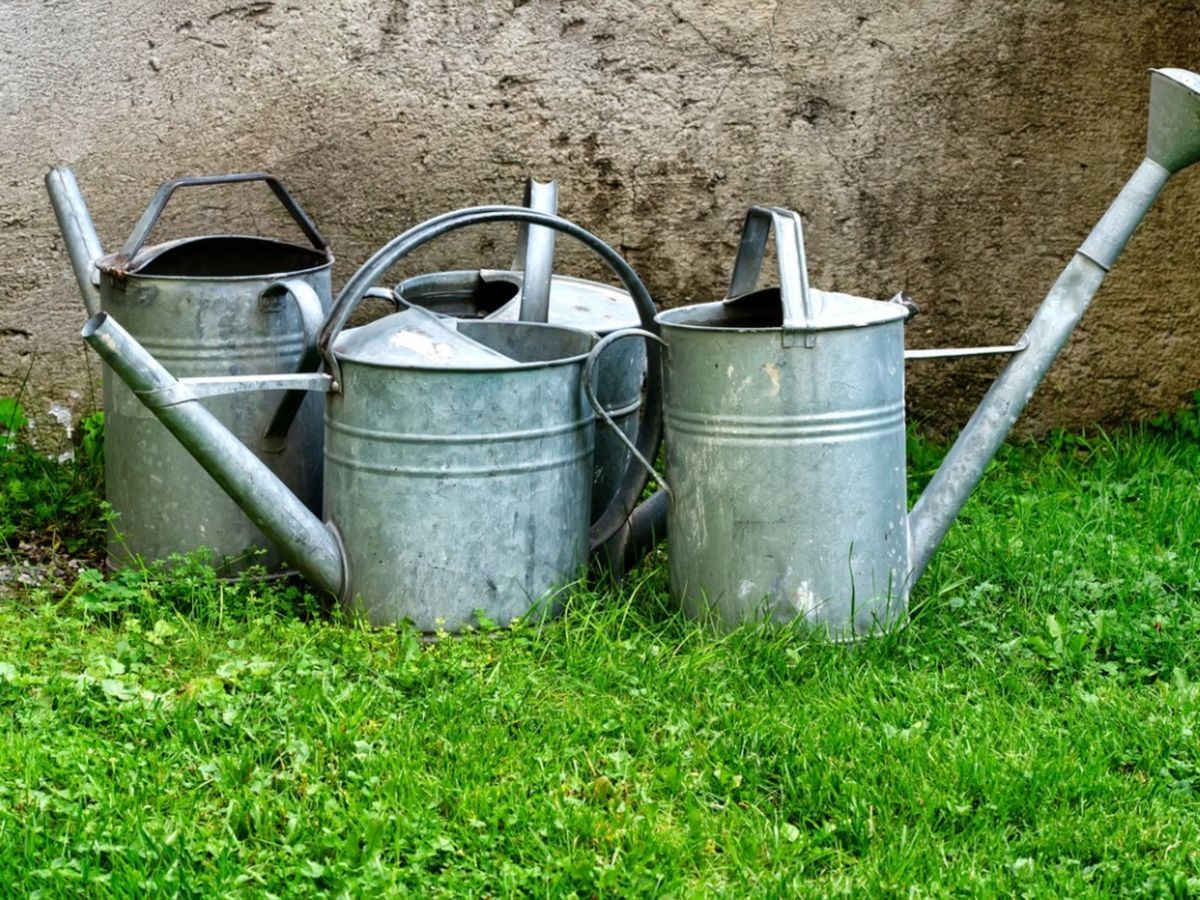
Watering is both an art and science in urban gardening. The key is consistency over quantity. Most container plants need watering when the top inch of soil feels dry to the touch. But remember, containers dry out faster than garden soil, especially in hot weather.
Avoid the common mistake of watering deeply once a week. Instead, check soil moisture regularly and water thoroughly when needed. Deep watering encourages strong root systems, but it’s better to water frequently with less volume than to wait too long.
Morning watering is generally best because it gives plants time to absorb water before evening humidity can cause fungal problems. If you’re watering in the heat of the day, try to avoid getting leaves wet.
Consider adding mulch to your containers to help retain moisture. Organic materials like straw, shredded bark, or even newspaper can help slow evaporation. For those who struggle with consistent watering, self-watering containers or wicking systems can take some guesswork out of the process.
Nutrition for Compact Gardens
Urban gardeners often wonder how to feed their plants effectively. The truth is, container gardening requires more attention to nutrition than traditional gardening. Plants in pots can quickly deplete soil nutrients, especially during active growing seasons.
Liquid fertilizers are often the easiest way to feed container plants. They’re readily available and can be applied every 2-3 weeks during growing season. Look for balanced formulas that provide nitrogen, phosphorus, and potassium. Some gardeners prefer organic options like fish emulsion or compost tea.
Slow-release fertilizers in granular form can be helpful for longer-term feeding. They’re convenient because they don’t need frequent applications, though they may not provide enough nutrition for heavy feeders like tomatoes or peppers.
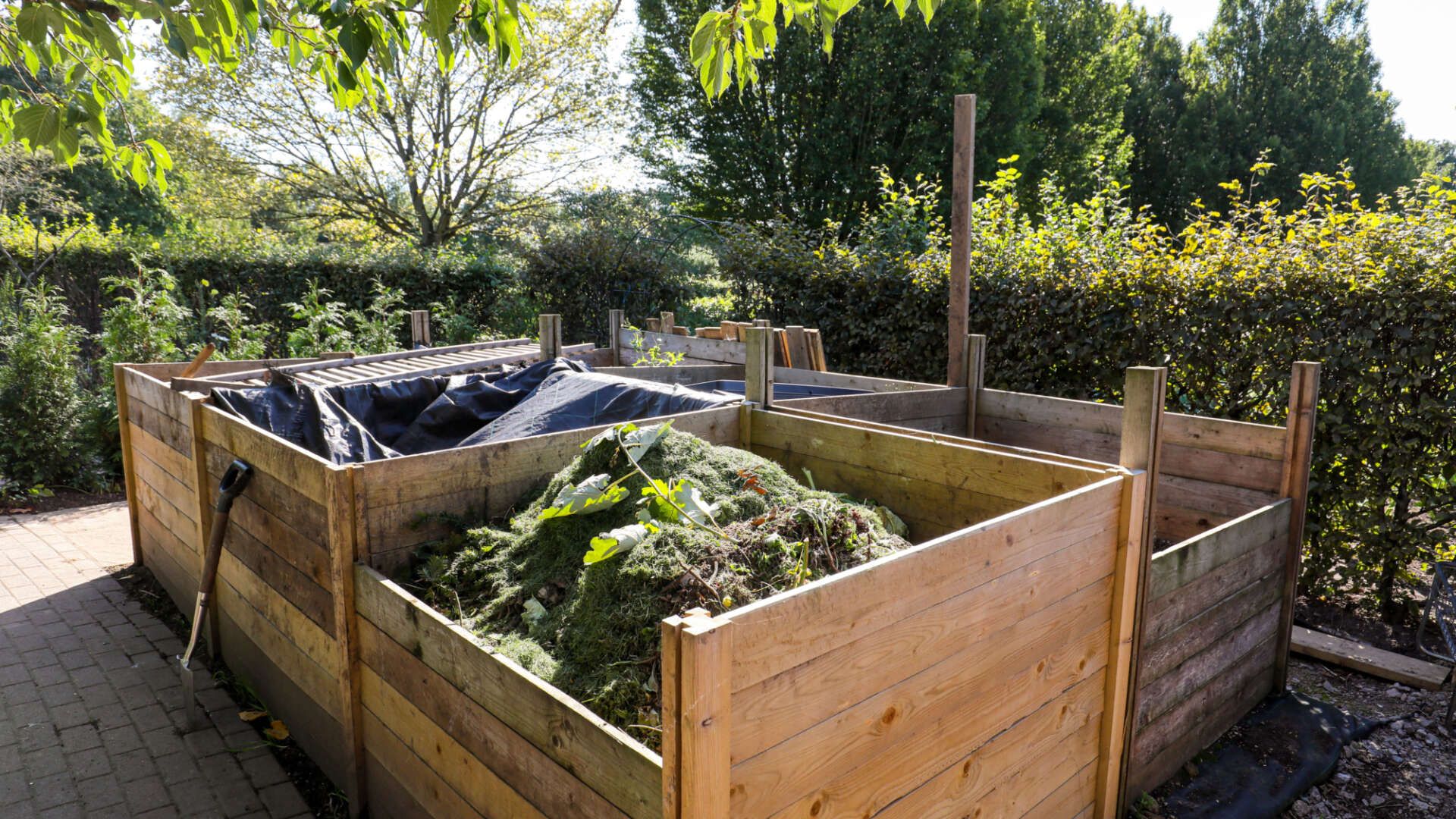
Compost is another excellent option for urban gardeners. Even small amounts of homemade compost can improve soil structure and add beneficial microorganisms. You can make compost in small bins or even inside your kitchen with proper setup.
Remember that different plants have different nutritional needs. Leafy greens are heavy nitrogen users, while fruiting plants like tomatoes benefit from more phosphorus and potassium.
Pest Management in Small Spaces
Urban gardens face unique pest challenges. Space limitations mean pests can multiply quickly, and many urban gardeners don’t have the luxury of large plantings that can tolerate some damage.
The first line of defense is prevention. Keep your growing areas clean and remove dead plant material promptly. Good air circulation helps prevent many fungal issues. Regularly inspect plants for early signs of trouble.
Beneficial insects like ladybugs can help control aphids and other soft-bodied pests. You can attract them by planting flowers nearby or purchasing them from garden suppliers. These natural helpers are especially effective in small spaces where pest populations are manageable.
For immediate problems, neem oil or insecticidal soap can be very effective against many common pests. These are safer options than chemical pesticides, especially when growing food.
Sometimes the best approach is to simply remove affected parts of plants. If one leaf is damaged, pulling it off can prevent the problem from spreading. This is often more practical than spraying chemicals in small spaces.
Urban gardening doesn’t have to be complicated. By focusing on these essential elements – starting small, choosing appropriate containers and soil, understanding light needs, mastering watering techniques, providing proper nutrition, and managing pests – you can create a thriving garden even in the smallest of spaces. The key is to keep things simple and build from there. Every experienced urban gardener started exactly where you are now. They learned by doing, made mistakes, and figured out what worked for their particular situation. So grab a container, some soil, and start growing. Your urban garden will thank you, and so will your taste buds when you harvest that first homegrown tomato or fresh herb.