Picture this: You’re standing in your garden, ready to tend to your plants, when you realize your tools are scattered everywhere. Or worse, they’re rusted, broken, or lost somewhere in the backyard. It’s frustrating, isn’t it? But what if there was a better way to store your garden tools that’s not just convenient but also good for the planet?
Gardening is one of those activities that brings joy and satisfaction to many people. But let’s face it, keeping garden tools in good shape isn’t always easy. They get used frequently, exposed to weather, and often end up in places where they’re hard to find. What’s worse is that most of us don’t think about how we’re storing our tools. This can lead to unnecessary waste, damage, and even safety issues. The good news? There are sustainable ways to keep your garden tools organized and protected. These methods don’t just save you time and money – they also help reduce environmental impact.
Choose Materials That Won’t Harm the Environment
When it comes to garden tool storage, the materials you choose matter more than you might think. Traditional plastic storage boxes may seem like a quick fix, but they’re often made from non-recyclable materials and can take hundreds of years to decompose. Instead, consider alternatives that are both eco-friendly and durable.
Wooden storage units are excellent choices. They’re renewable, long-lasting, and add a natural touch to your garden space. Cedar wood, in particular, naturally repels insects and provides a pleasant aroma. You can build simple wooden shelves or purchase pre-made units from sustainable suppliers.
Another option is recycled plastic. Many companies now make storage containers from post-consumer recycled materials. These are sturdy, weather-resistant, and can be recycled again when they reach the end of their life cycle.
Metal storage options, such as galvanized steel, offer strength and longevity. Just make sure they’re treated to resist rusting. Some manufacturers now offer metal bins made from recycled materials, which is a win-win situation for sustainability.
Remember, the goal isn’t just to store your tools safely, but also to ensure that your storage method won’t contribute to environmental problems.
Organize by Function and Frequency of Use
Effective organization is crucial for keeping your garden tools in top shape. But it’s not just about putting things in boxes. It’s about creating a system that makes sense for how you actually use your tools.
Start by grouping tools by type and frequency of use. Tools you use every week, like pruners and hand trowels, should be easily accessible. Those you use less often, such as a wheelbarrow or a large cultivator, can go in storage areas that are slightly harder to reach.
Consider using labeled containers or drawers to make finding what you need quick and simple. This reduces the time you spend searching, which means less wear on your tools from being handled unnecessarily.
For particularly valuable or delicate tools, such as high-end pruners or specialized planters, invest in a small lockable box or drawer. This not only keeps them safe from theft but also protects them from accidental damage.
Creating a simple inventory list of all your tools can also be helpful. This way, you know exactly what you have and can plan for replacements before things break completely. It also helps prevent duplicate purchases and reduces overall spending.
Keep Tools Clean and Dry
One of the most important factors in extending the life of your garden tools is proper cleaning and drying. Moisture is the enemy of metal tools. It causes rust, which can quickly spread and ruin your equipment.
After each use, wipe down your tools with a clean cloth. Remove dirt, debris, and any plant material that might be clinging to them. For stubborn grime, a mild soap solution works well. Just make sure to rinse thoroughly and dry completely before storing.
A simple oil treatment can provide extra protection. Apply a thin layer of mineral oil or a specialized tool oil to metal surfaces. This creates a barrier against moisture and prevents rust from forming.
Storage areas should be well-ventilated and dry. Humid environments promote mold and mildew growth, which can damage both tools and stored items. If possible, choose a location that gets some natural light but isn’t directly exposed to rain or excessive sun.
Consider using desiccants or moisture-absorbing packets in storage containers. These help keep humidity levels low and protect your tools from moisture-related damage.
Invest in Quality Storage Solutions
While it might seem like a luxury to spend more money on storage solutions, investing in quality items pays off in the long run. Cheap storage options often break easily, leading to more frequent replacements and increased waste.
Look for storage solutions that are built to last. This means checking for solid construction, good hinges, and strong handles. A well-built storage unit will protect your tools better and serve you for many seasons.
Modular systems offer flexibility. As your gardening needs change, you can rearrange or expand your storage without buying entirely new units. This adaptability makes them especially useful for growing gardens or changing garden layouts.
Some storage units come with features specifically designed for garden tools. These might include hooks for hanging tools, dividers for organizing different types of items, or compartments for small accessories like seeds or fertilizer bags.
Consider purchasing storage solutions that can be easily moved. This is especially important if you have limited space or if you move your garden area seasonally. Having portable storage options gives you more freedom and convenience.
Create a Dedicated Tool Area
Having a designated spot for your garden tools makes everything much easier. It eliminates the guesswork and ensures you always know where to find what you need.
Choose a location that’s convenient but still protected from the elements. A covered porch, garage, or shed works well. The key is having a place where tools won’t be exposed to rain, direct sunlight, or extreme temperatures.
Within this dedicated area, organize your tools based on usage patterns. Keep frequently used items at eye level or within easy reach. Store seasonal or rarely used tools in higher or lower sections.
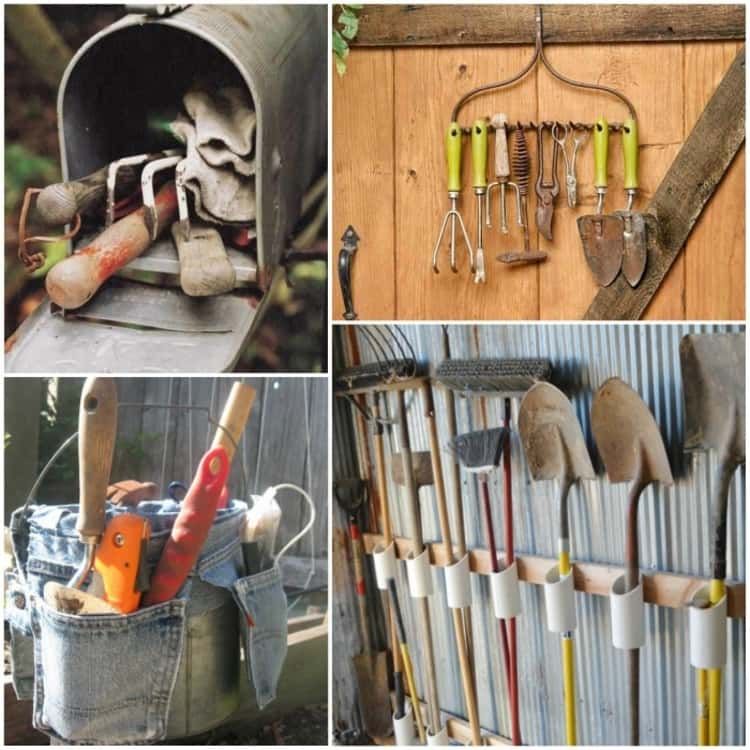
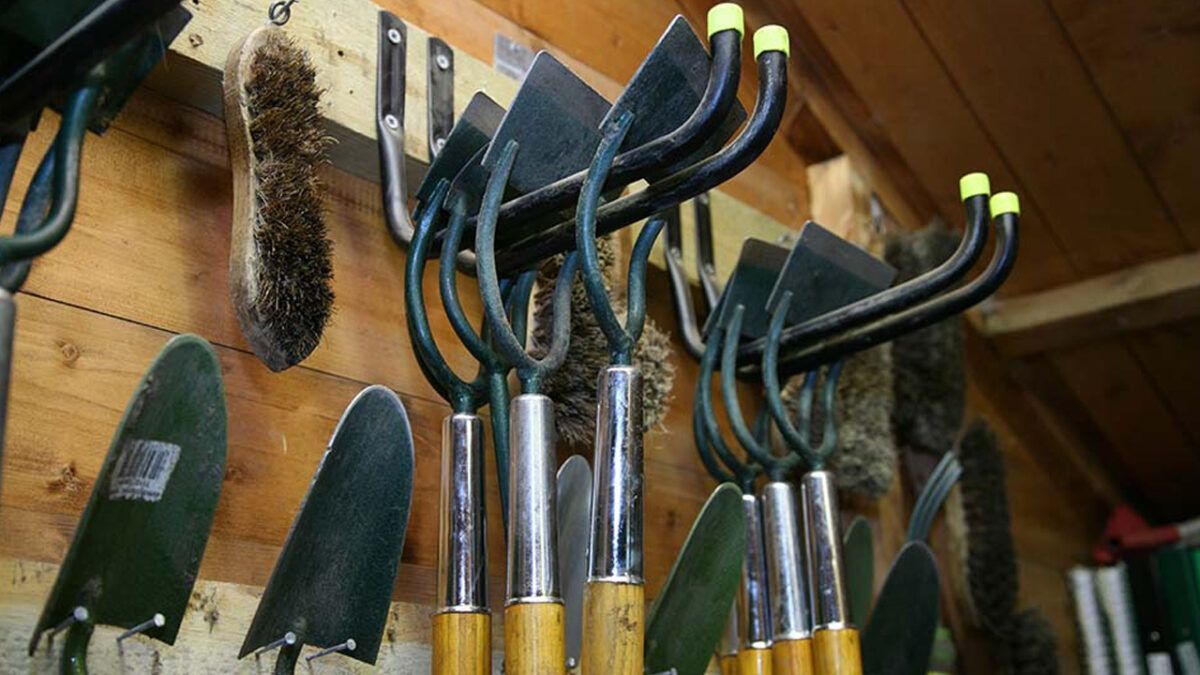
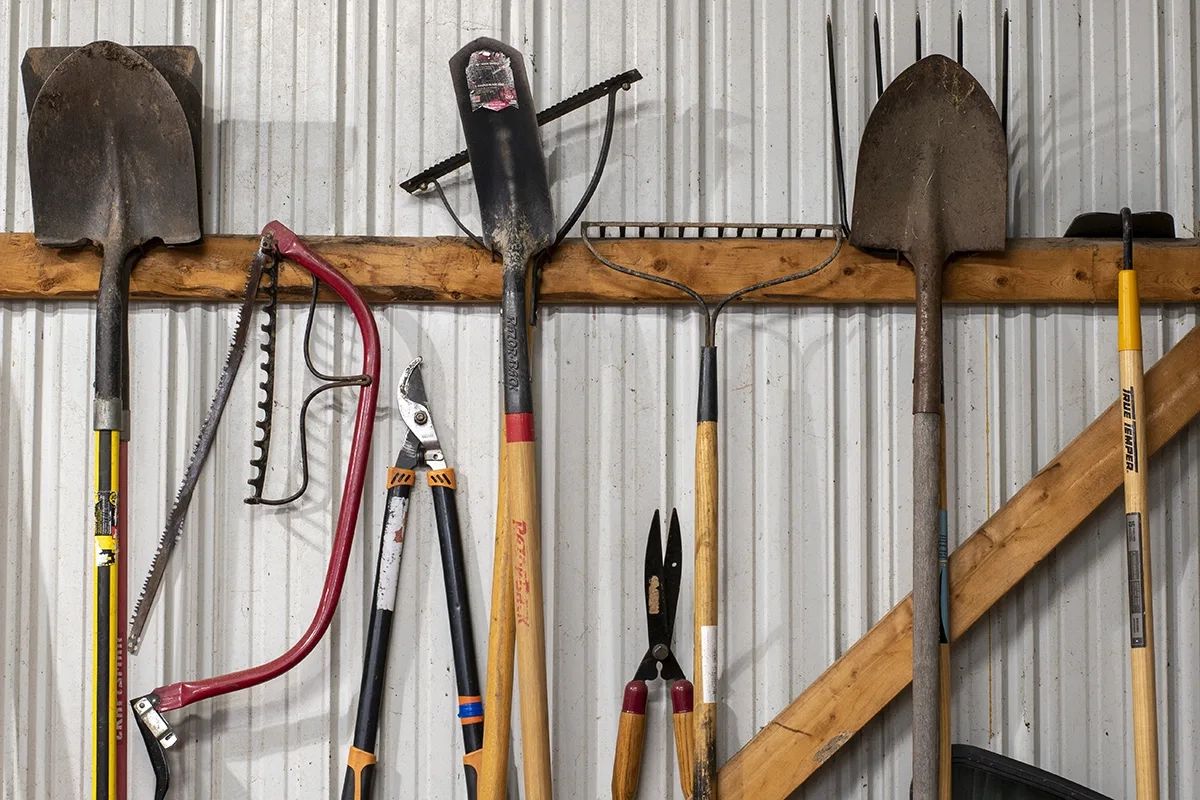
A good practice is to create a simple tool rack or wall-mounted system. This allows you to hang tools properly and prevents them from getting damaged or tangled together. Tools like pruners, rakes, and hoes can all benefit from this kind of vertical storage.
The visual appeal of a well-organized tool area shouldn’t be overlooked. A tidy workspace can actually improve your gardening experience and make you more likely to stay consistent with maintenance tasks. Plus, it sets a positive example for anyone who visits your garden.
Maintain Your Storage System Regularly
Even the best storage solutions require some attention over time. Regular maintenance keeps everything working smoothly and extends the life of both your tools and storage units.
Check your storage areas periodically for signs of wear or damage. Look for loose screws, broken hinges, or areas where water might be seeping in. Addressing these issues early prevents bigger problems later.
Clean your storage units regularly. Dust and debris can accumulate over time, making it harder to find what you need and potentially causing damage to stored items.
Reorganize your tools as needed. As your garden grows or changes, your storage needs will evolve. What worked last year might not be optimal now. Don’t be afraid to adjust your system.
Keep spare parts on hand for your storage units. This includes things like replacement hinges, handles, or even small repairs like tightening screws. Having these available means you can fix minor issues yourself rather than replacing entire units.
Remember that maintaining your storage system is part of caring for your garden tools. It’s an investment in both efficiency and sustainability.
Storing your garden tools sustainably isn’t just about protecting the environment – it’s about taking care of your investment in gardening. When you choose eco-friendly materials, organize your tools smartly, and maintain your storage system regularly, you’re setting yourself up for success. These practices mean fewer replacements, less waste, and more time spent enjoying your garden. Whether you’re a seasoned gardener or someone just starting out, these tips will help you keep your tools in great condition while reducing your environmental footprint. The key is to start small and build a system that works for your specific needs and lifestyle. With a little planning and attention, your garden tools will serve you well for years to come.