Gardeners often overlook the small details that can make a big difference in sustainable gardening practices. One such detail is the labels on plants. But what exactly makes a garden label truly compostable? It’s not just about saying it’s biodegradable. There’s a whole science behind creating labels that actually decompose in composting environments. These aren’t just pieces of paper with plant names printed on them. They’re engineered to disappear naturally without leaving harmful residues.
When you’re planning your garden, you probably think about soil quality, watering schedules, and sunlight requirements. But have you ever considered what happens to those little tags that tell you what each plant is? Most gardeners assume they’ll just disappear naturally, but that’s not always the case. The truth is, many labels are made from materials that resist decomposition. This means they might end up in landfills instead of breaking down in your compost pile. What if you could choose labels that truly support your eco-friendly gardening goals? That’s exactly what we’re exploring today.
The Basics of Compostable Materials
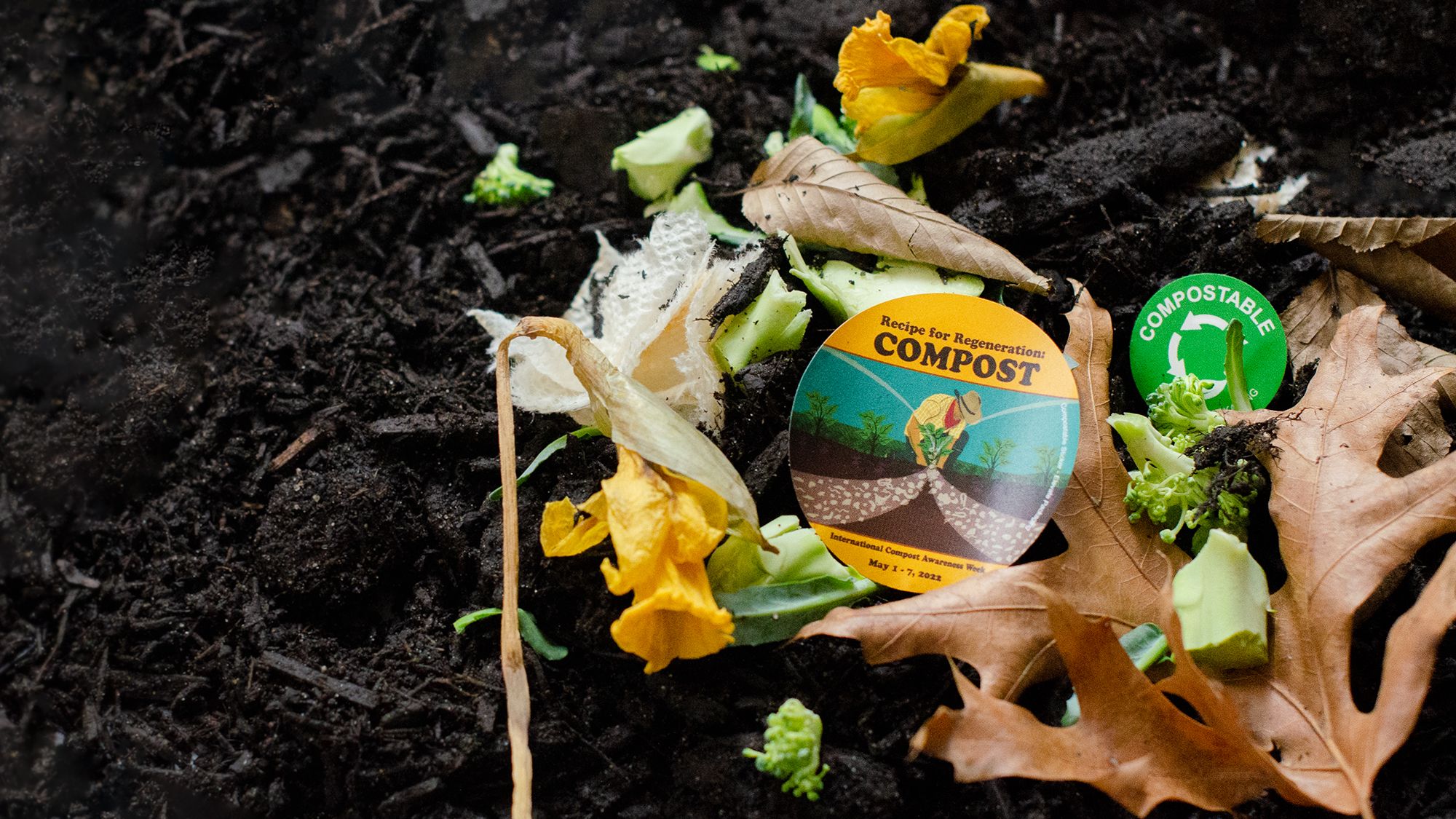
Before diving into garden labels specifically, let’s talk about what makes anything compostable. Think of it like a recipe. For something to truly compost, it needs the right balance of carbon and nitrogen, moisture, air, and the right temperature. The material itself must be organic and capable of breaking down naturally. You wouldn’t expect a plastic bottle to compost, even if it’s buried in soil. Similarly, not all paper labels are created equal. The key is understanding that compostability isn’t just a marketing claim. It’s a measurable characteristic that depends on several factors. Organic materials like wood, cotton, and certain types of paper are good candidates. But they must be processed properly and free from chemical treatments that could harm the composting process.
Common Label Materials and Their Limitations
Most garden labels are made from materials that seem harmless at first glance. Plastic tags are common because they’re durable and waterproof. However, these are essentially impossible to compost. They’re made from petroleum-based polymers that don’t break down naturally. Even recycled plastic tags won’t decompose in a typical compost environment. Paper labels might sound better, but many are coated with chemicals that prevent water damage. These coatings often include wax or plastic films that stop the paper from breaking down. Some labels use adhesives that are designed to last forever, which defeats the purpose of composting. The problem is that many manufacturers don’t clearly indicate whether their products are truly compostable or just recyclable. This confusion leads gardeners to believe they’re making environmentally friendly choices when they might not be.
What Makes a Label Truly Compostable
So what separates a truly compostable label from a regular one? It starts with the material itself. Look for labels made from 100% natural fibers like bamboo, hemp, or untreated wood. These materials break down naturally and don’t leave toxic residues. The manufacturing process matters too. Compostable labels should be produced without harsh chemicals or synthetic dyes. They should also be free from any plastic components or coatings. Another important factor is certification. Look for labels that carry recognized compostable certifications like the Biodegradable Products Institute (BPI) or the European standard EN 13432. These certifications mean the product has been tested and verified to meet strict standards for decomposition. The label should also specify how long it takes to decompose under proper conditions. A truly compostable label should break down within 180 days in industrial composting facilities.
Certification Standards and Testing Methods
Compostable products go through rigorous testing to earn their certifications. The process involves multiple steps to ensure they meet environmental standards. The most common test measures how quickly the material breaks down into natural elements like water, carbon dioxide, and biomass. This happens under controlled conditions that mimic industrial composting facilities. The material must show at least 90% breakdown within 180 days. But here’s something interesting – many home composting systems don’t reach the temperatures needed for full decomposition. So even certified compostable labels might take longer to break down in backyard compost piles. That’s why some manufacturers now offer specific instructions for different composting methods. Some labels are designed specifically for home composting, while others work best in industrial facilities. Understanding these differences helps gardeners make informed choices about which labels to use.
Practical Tips for Choosing Compostable Labels
Choosing the right labels for your garden doesn’t have to be complicated. Start by reading the packaging carefully. Look for terms like "compostable," "biodegradable," or "home compostable." But don’t stop there. Check for certifications and see what the manufacturer says about the decomposition timeline. Consider the size and thickness of the label. Thinner materials tend to decompose faster than thick ones. Also, pay attention to the ink used. Soy-based or plant-based inks are better choices than petroleum-based alternatives. Some gardeners prefer wooden labels because they’re naturally durable and completely compostable. Others go for seed paper labels that not only identify plants but also grow into flowers or herbs. These innovative options show how creative gardeners can be when it comes to sustainable practices. The key is being intentional about your choices.
Real-World Examples and Success Stories
Many gardeners have already made the switch to truly compostable labels with great results. Sarah Martinez from Portland, Oregon, switched from plastic tags to bamboo labels after learning about their environmental impact. She noticed her compost pile was healthier and more active since the labels were breaking down properly. Her neighbor, Tom Chen, started using seed paper labels for his vegetable garden. Not only did the labels decompose completely, but he also got bonus plants from the seeds embedded in the paper. In community gardens across California, gardeners report that compostable labels have reduced waste and improved their compost quality. The most successful approach seems to be combining different types of compostable materials. Some gardeners use wooden stakes for permanent identification and paper labels for temporary markers. Others rotate between different materials based on their garden’s specific needs. The common thread among successful gardeners is that they take time to research and understand what they’re putting into their compost systems.
Making the switch to truly compostable garden labels might seem like a small change, but it represents a bigger commitment to sustainable gardening practices. It’s not enough to simply say a label is compostable – you need to verify that claim through testing and certification. The materials matter, the manufacturing process matters, and so does how you use them in your garden. Whether you choose bamboo, wood, or seed paper labels, the goal remains the same: support your garden’s ecosystem rather than hinder it. As more gardeners become aware of these issues, we’re seeing a shift toward more responsible choices. The future of gardening looks greener when every element, including our labels, works in harmony with nature. So next time you’re buying garden supplies, remember that small decisions can have a big impact on your environmental footprint.