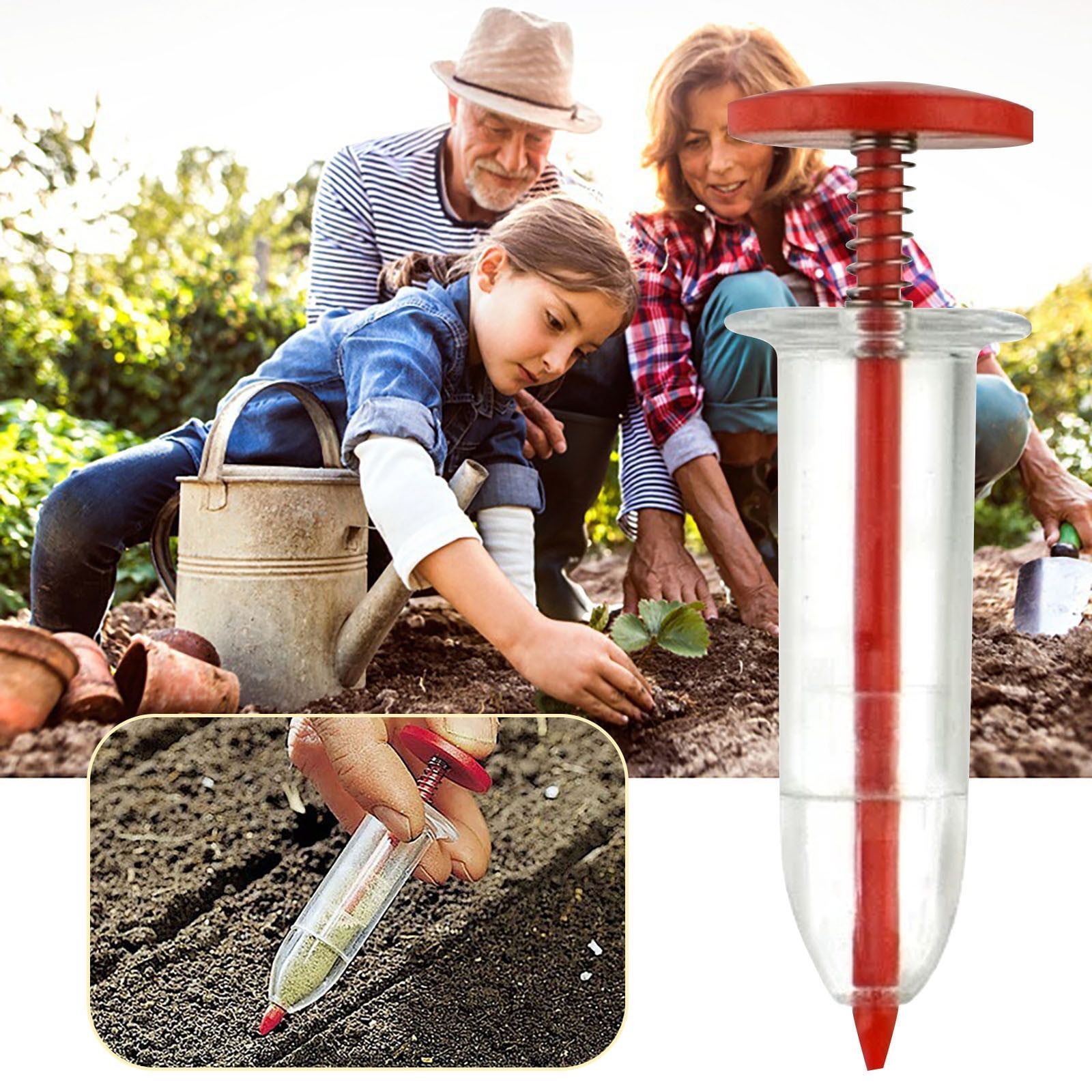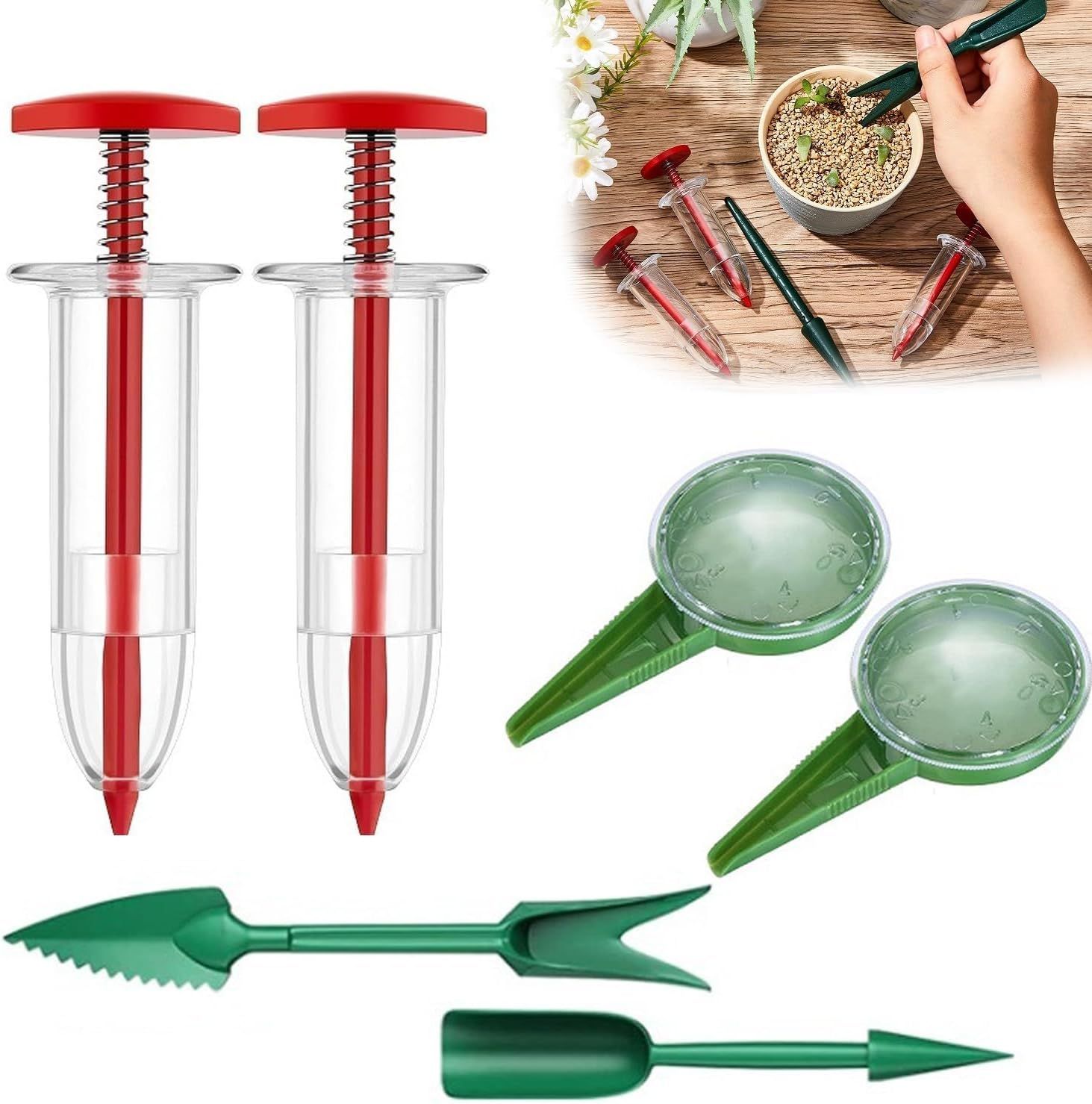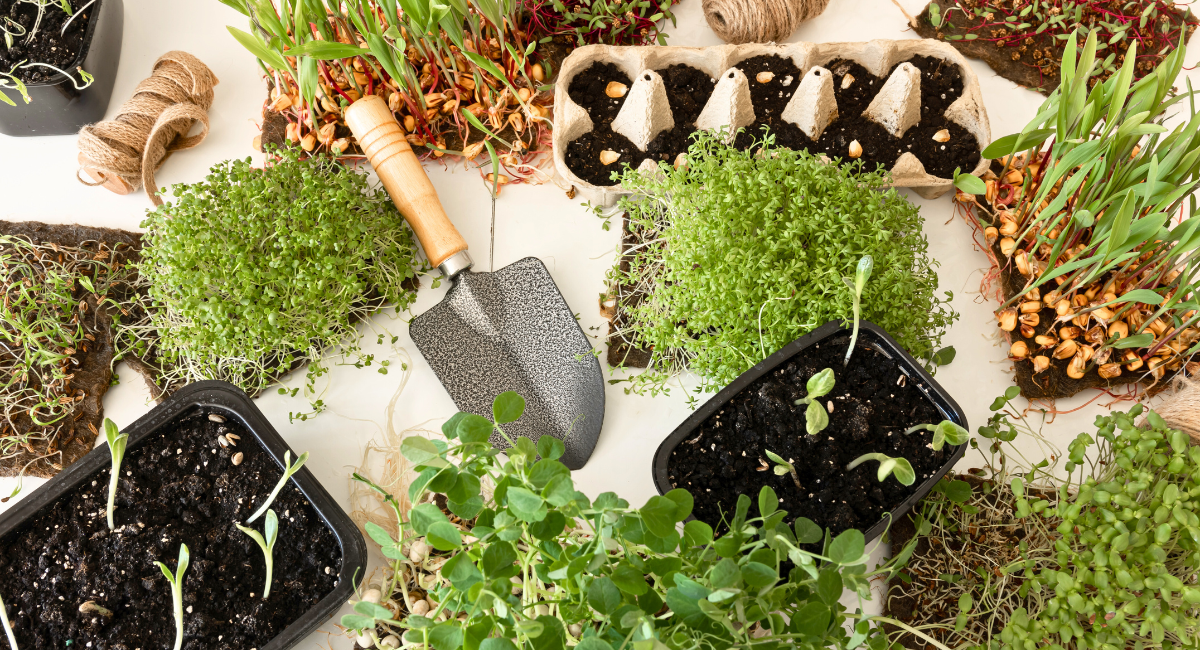
Every gardener knows the magic that happens when tiny seeds transform into thriving plants. But before those green shoots emerge from the soil, you need the right tools to get started. The good news? You don’t have to sacrifice sustainability for effectiveness. Choosing eco-friendly seed sowing equipment isn’t just better for the planet – it’s often better for your garden too. Whether you’re starting seeds indoors or outdoors, finding tools that work well while being gentle on the environment can make all the difference in your gardening journey.
The journey from seed to sprout is one of nature’s most remarkable transformations. But this process starts with something simple yet crucial: the right tool. Many gardeners overlook the importance of their seed sowing equipment, but the choice between traditional plastic trays and sustainable alternatives can impact not just your garden’s success, but also your environmental footprint. When we think about sustainable gardening practices, we often focus on composting and organic fertilizers, but the tools we use to plant our seeds play a surprisingly important role. The right sustainable seed sowing tool can mean the difference between healthy seedlings and failed starts, while also reducing waste and supporting eco-conscious practices. What if I told you that choosing wisely could save you money in the long run, improve your garden’s health, and reduce the amount of plastic ending up in landfills? Let’s explore how to make informed decisions that benefit both your plants and our planet.
Understanding Sustainable Gardening Tools
Sustainable gardening tools aren’t just about being ‘green’ – they’re about making choices that last longer, work better, and have less negative impact on our environment. When it comes to seed sowing, this means looking beyond the typical plastic trays and peat pots that dominate most garden centers. True sustainability involves materials that either biodegrade naturally, can be reused indefinitely, or are made from recycled content. Think about it – every time you plant seeds, you’re investing in future growth. Why not invest in tools that support that future rather than depleting resources? The shift toward sustainable options isn’t just trendy; it’s practical. Many of these tools offer superior performance compared to their conventional counterparts. For instance, biodegradable pots made from coconut coir or recycled cardboard can provide better root development than plastic alternatives. These materials break down naturally in the soil, allowing roots to grow freely without the stress of transplanting. It’s a win-win situation that makes sense for gardeners who want results that match their values.
Material Matters: What to Look For
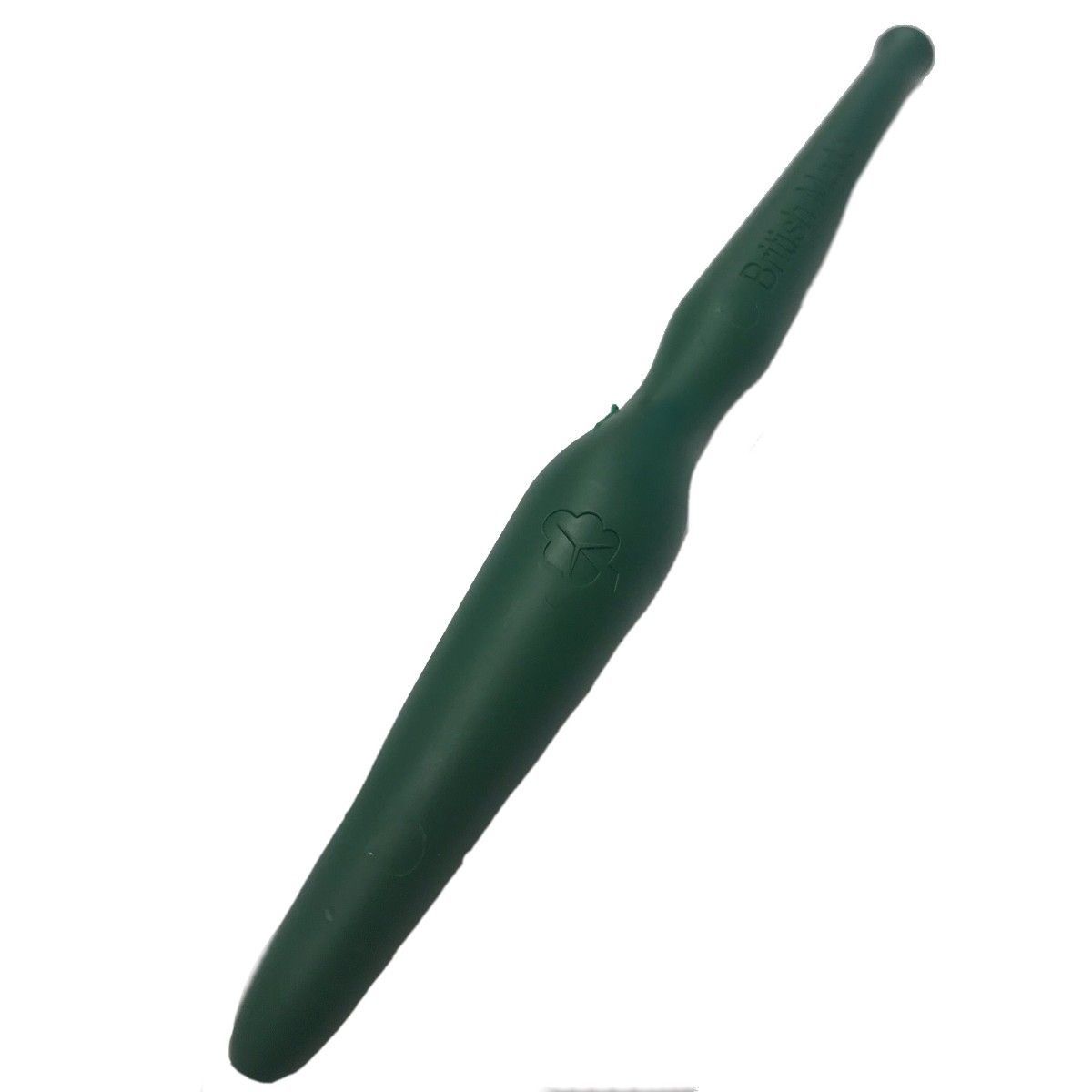
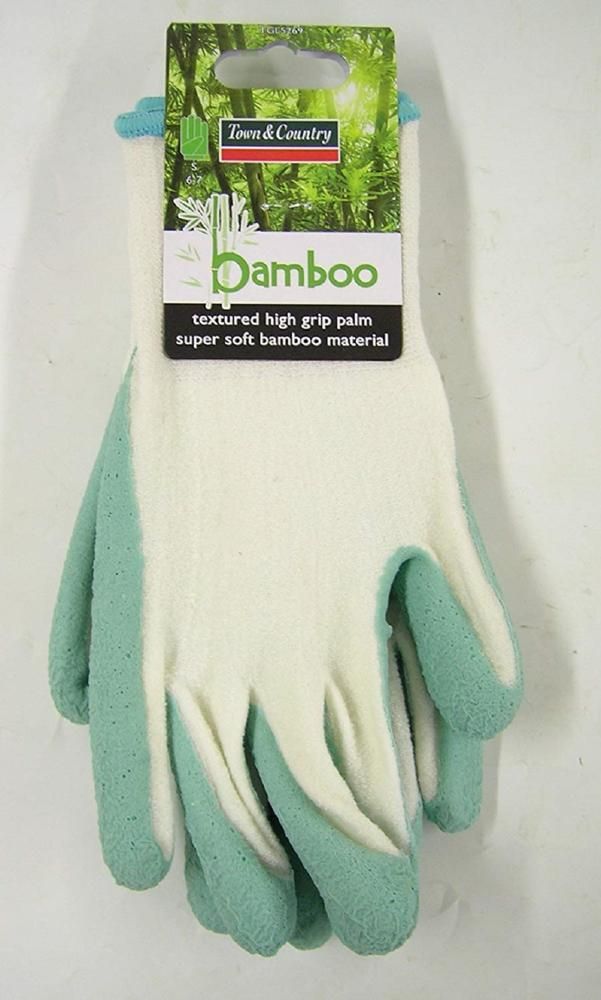
When evaluating seed sowing tools, pay attention to what they’re made from. Natural materials like bamboo, wood, and recycled plastics often prove more durable and environmentally friendly than standard plastic options. Bamboo, for example, grows incredibly fast and requires no pesticides, making it an excellent choice for tool handles and trays. Wood, particularly sustainably sourced varieties, offers a classic look and solid construction that can last decades with proper care. Recycled plastics, especially those made from post-consumer waste, provide a middle ground between traditional plastics and fully natural materials. They’re strong, lightweight, and don’t leach harmful chemicals into soil. Avoid materials that might contaminate soil or water sources, and always check if products are certified organic or compostable. Some companies now offer trays made from agricultural waste like wheat straw or rice husks, which are both biodegradable and surprisingly sturdy. These options may cost slightly more upfront but often save money over time due to their longevity and reduced need for replacements. The key is understanding that sustainable materials often provide better long-term value than cheaper alternatives that break down quickly or harm the environment.
Durability and Longevity Considerations
A truly sustainable tool isn’t just about what it’s made from – it’s about how long it lasts. This might seem counterintuitive, but consider this: a tool that breaks after one season creates more waste than a higher-quality item that lasts ten seasons. High-quality sustainable tools often feature reinforced construction and thoughtful design elements that prevent common failures. Look for features like reinforced corners, secure joints, and materials that resist warping or cracking. Some manufacturers specifically design their products for repeated use, offering warranties or replacement parts. A well-made tray with a lifetime guarantee is far more sustainable than buying new ones every year. The initial investment might seem high, but it pays off through reduced replacement costs and less waste. Think about how many seed trays you’ll go through in a typical growing season. If you’re a serious gardener, that number adds up quickly. Investing in quality tools means fewer trips to the store, less packaging waste, and better value overall. Plus, many sustainable brands offer repair services or replacement parts, extending the life of your tools even further. The real test of sustainability is not just the material, but how long the product continues to serve you.
Size and Design Flexibility
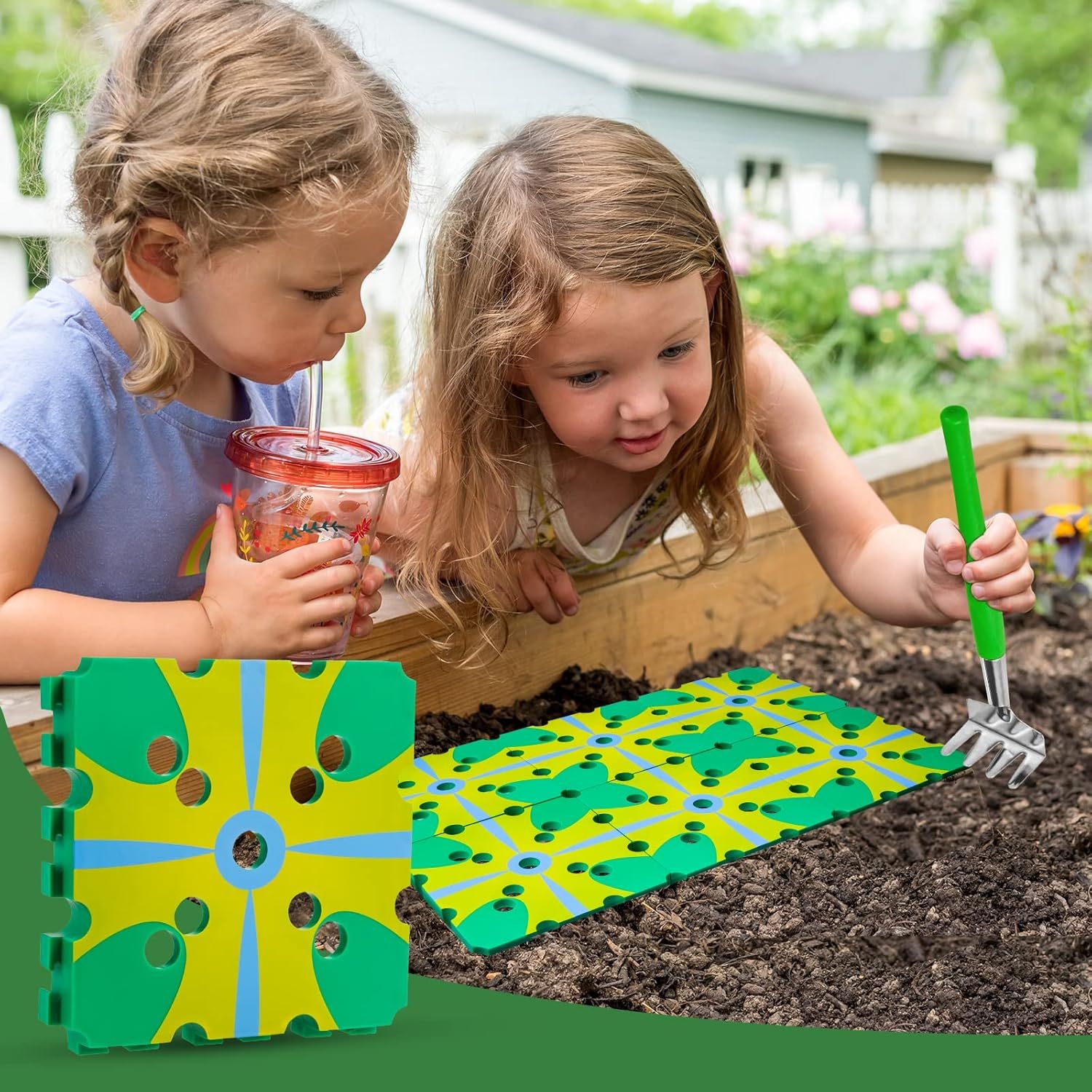
Not every garden is the same size, and neither should your seed sowing tools be. The best sustainable options offer versatility in size and design to accommodate different plant types and growing preferences. Consider whether you need individual cell trays for delicate seedlings or larger flat trays for bulk planting. Some tools feature modular designs that let you adjust the configuration based on your specific needs. This flexibility reduces the need to purchase multiple specialized items. Look for trays that can be stacked efficiently to save storage space and can be easily cleaned between uses. The right design also considers how you’ll use the tools – will they be used indoors or outdoors? Will they see frequent handling or sit idle during winter months? These factors influence the type of material and construction that works best. Some sustainable options come with built-in drainage systems, which improve seedling health and reduce water waste. Others feature clear labeling capabilities or easy-to-read measurement markings that help ensure consistent results. The best tools adapt to your gardening style rather than forcing you to change your approach.
Cost-Benefit Analysis for Sustainable Options
Let’s talk numbers, because that’s what really matters to most gardeners. While sustainable seed sowing tools may have a higher upfront cost, they often provide better value over time. Compare the price of a premium sustainable tray versus multiple cheap plastic trays you’d need to replace annually. Factor in the cost of disposal, transportation, and manufacturing of conventional alternatives. Many sustainable brands offer bulk purchasing options or subscription services that can reduce per-unit costs. Some tools can be used for years, while others might only last a single season. Consider the total cost of ownership including replacement parts, cleaning supplies, and potential damage to plants from poor-quality materials. A tool that helps prevent seedling loss through better drainage or improved root development can save you money on replanting and extra supplies. Additionally, some sustainable tools offer features that improve efficiency, such as easier seed placement or better visibility of germination progress. These small improvements can add up to significant savings in time and effort. The initial expense is often offset by reduced replacement costs and better garden outcomes.
Maintenance and Care Tips
Even the most sustainable tools require proper care to maximize their lifespan and effectiveness. Learning how to clean and maintain your seed sowing equipment properly is essential for getting the most value from your investment. Most sustainable materials respond differently to cleaning methods than traditional plastics, so it’s important to follow manufacturer recommendations. Some tools can be sterilized with simple solutions like hydrogen peroxide or vinegar, while others might require specific cleaning agents. Regular maintenance prevents buildup of fungi, bacteria, or mineral deposits that can affect seed germination. Keep your tools clean between uses, especially when switching between different plant types. Proper storage is equally important – protect them from moisture, direct sunlight, and extreme temperatures that might cause warping or deterioration. Some sustainable tools can be stored in a garage or shed, while others might need more controlled environments. Many gardeners find that regular cleaning and proper storage extend the life of their tools by years. This routine care becomes part of your gardening ritual and helps maintain the quality of your sustainable investments.
Choosing sustainable seed sowing tools isn’t just about making an environmentally conscious decision – it’s about making smart, practical choices that enhance your gardening experience. The right tools can make the difference between struggling seedlings and robust plants, while also supporting your commitment to eco-friendly practices. Remember, sustainability isn’t just about the materials – it’s about durability, functionality, and long-term value. Take time to evaluate what you actually need, consider the lifespan of different options, and think about how these tools fit into your broader gardening strategy. Whether you’re a casual hobbyist or a serious grower, investing in quality sustainable tools pays dividends in plant health, reduced waste, and better gardening experiences. The journey toward greener gardening starts with simple choices like selecting the right seed sowing equipment. Every garden begins with a seed, and every sustainable choice you make contributes to a healthier planet for future generations. So take a moment to consider your next seed sowing purchase – it might just be the start of a more sustainable and successful gardening journey.