Picture this: you’re getting ready for bed, you head to the bathroom, and instead of a fresh, clean scent, you’re greeted by a pungent smell that makes you want to close the door immediately. It’s not just unpleasant – it’s embarrassing, especially when guests are around. What if I told you there are simple, natural ways to tackle this problem without resorting to harsh chemicals? That’s exactly what we’re going to explore today.
We’ve all been there. You turn on the faucet, the water flows, and suddenly you’re hit with that unmistakable smell that says ‘something’s gone wrong in the plumbing.’ Bathroom drain odors aren’t just gross – they’re often a sign of something more serious happening beneath the surface. Whether it’s hair clogging the pipes, bacteria building up, or even a venting issue, these smells can be persistent and frustrating. The good news is that you don’t have to call a plumber every time you notice a stink coming from your drain. Many of these issues can be resolved using common household items and some basic understanding of how your plumbing works.
Understanding Why Bathroom Drains Smell
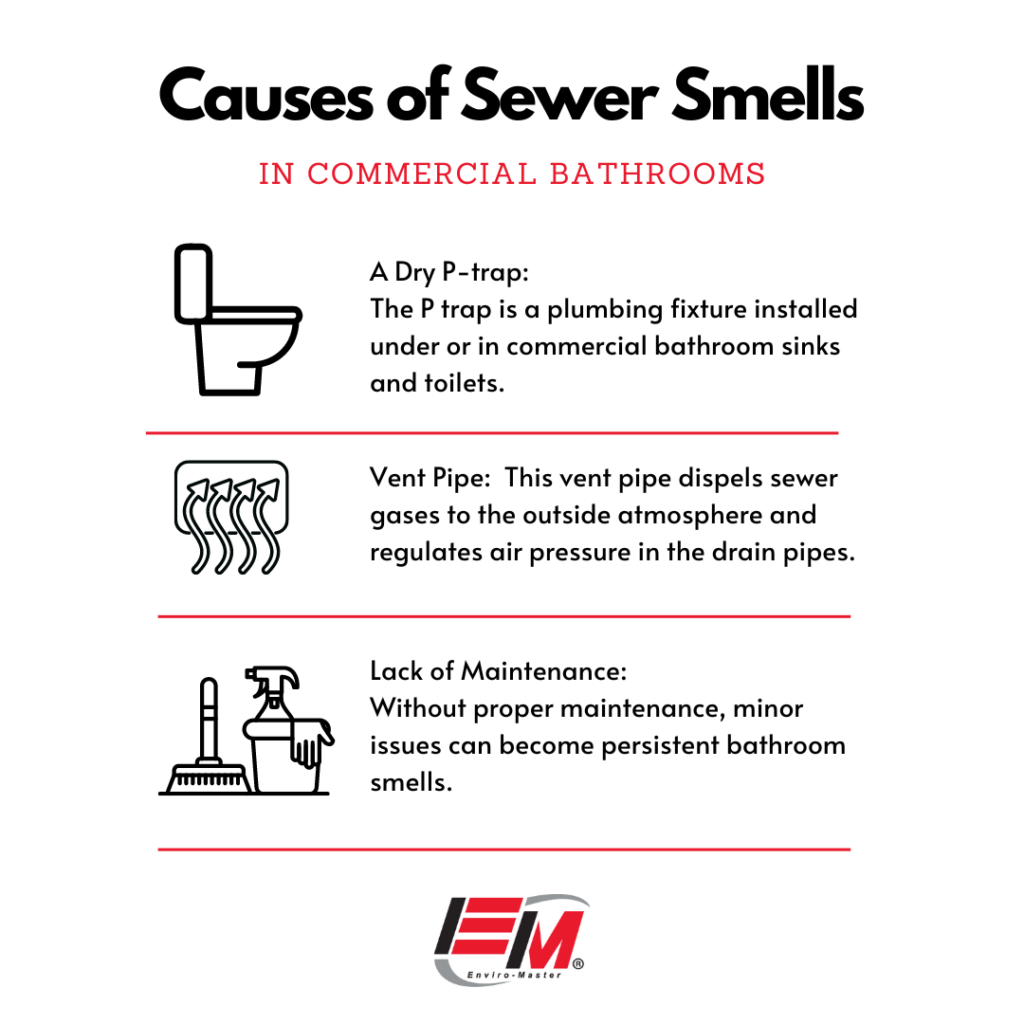
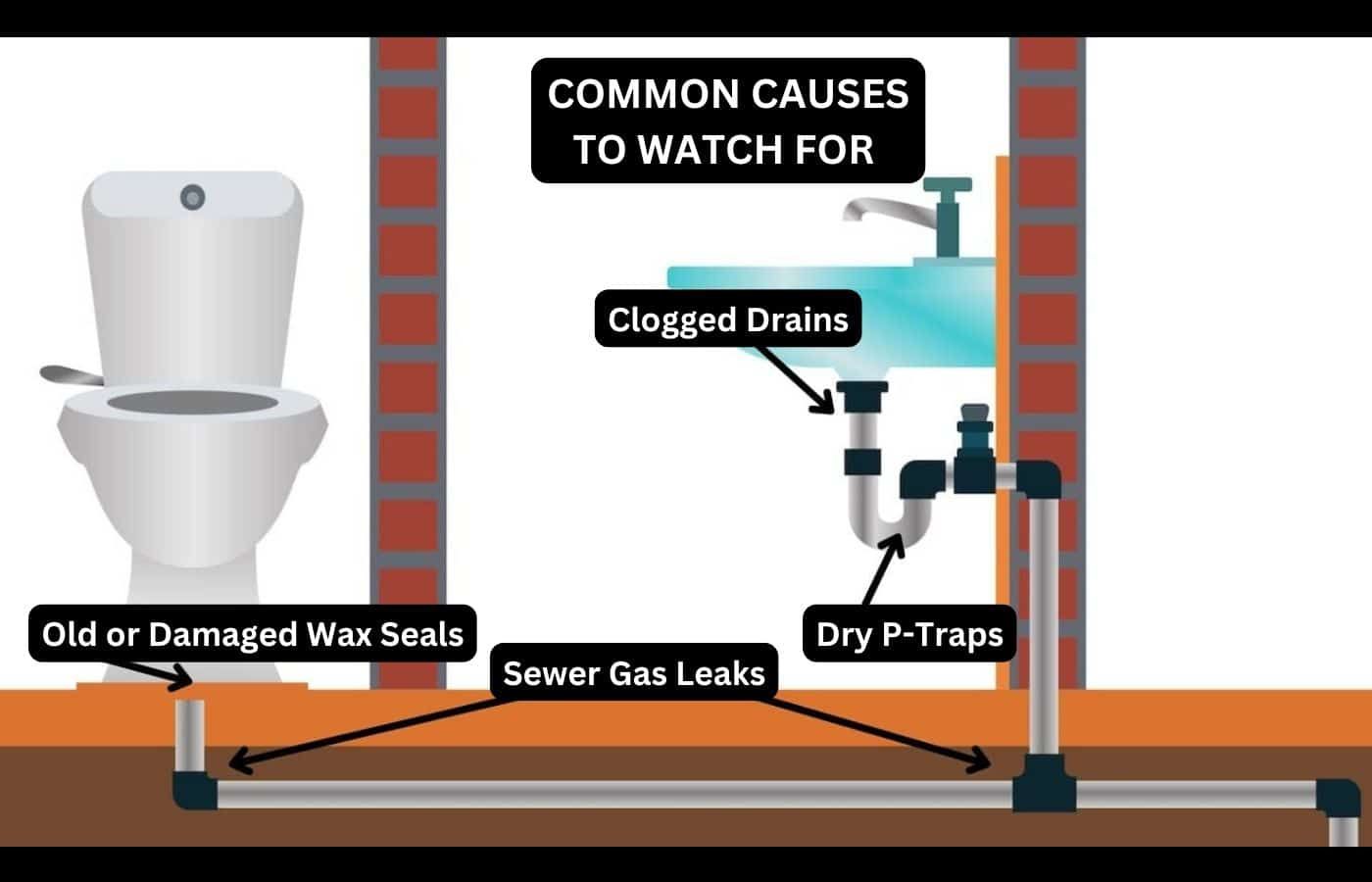
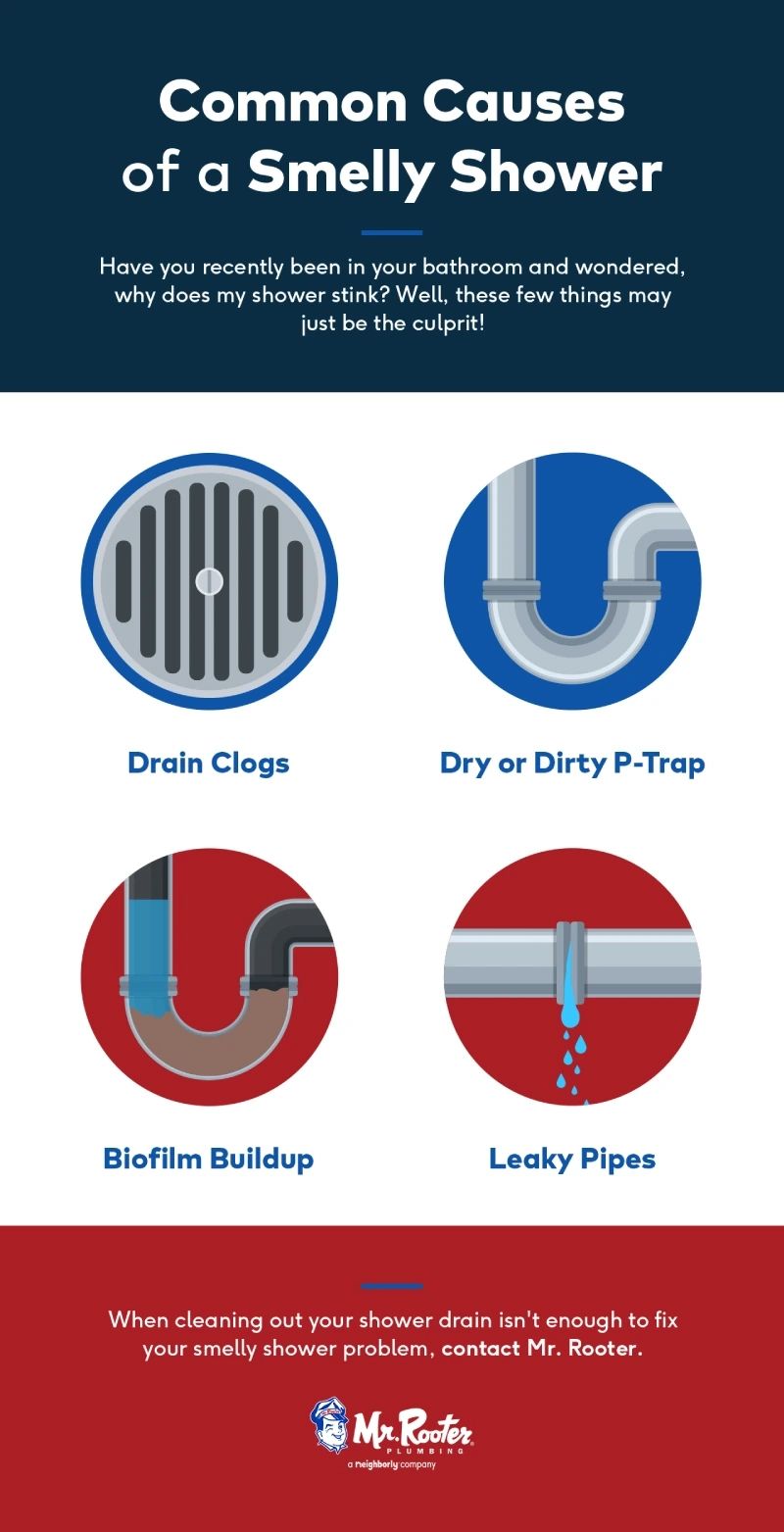
Before we dive into solutions, let’s talk about what causes those nasty smells in the first place. The most common culprits are bacteria and organic matter. Hair, soap scum, toothpaste residue, food particles, and even skin cells can accumulate in your drain over time. When this buildup sits in the moist environment of your pipes, bacteria feast on it and produce foul-smelling gases. These gases then travel up through your drain and out into your bathroom. Sometimes, the smell can be so strong that it seems like it’s coming from inside the room rather than from the drain itself. This happens because of the P-trap – that curved pipe under your sink that holds water to prevent sewer gases from entering your home. If the trap dries out, those bad smells can easily escape. Another frequent cause is a blocked vent pipe, which prevents proper air circulation and allows odors to build up.
The Power of Baking Soda and Vinegar
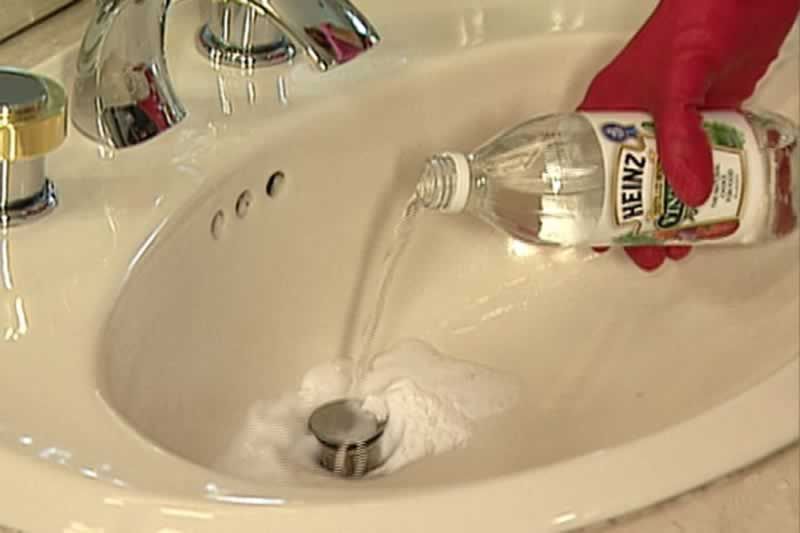
Let’s start with one of the most popular and effective combinations in natural cleaning: baking soda and vinegar. This duo works wonders for tackling drain odors because of their chemical reaction. When you pour baking soda down the drain, followed by vinegar, they create a fizzing reaction that helps break down organic matter and neutralize odors. Here’s how to do it properly: First, pour half a cup of baking soda directly down the drain. Follow this with half a cup of white vinegar. Cover the drain with a plug or towel for about ten minutes to allow the reaction to work its magic. After that, flush the drain with hot water for several minutes. This process helps dissolve the gunk that’s causing the smell. Many people find this method particularly helpful for mild to moderate drain odors. You might even notice an improvement after just one treatment, though for stubborn cases, you may need to repeat it a few times.
Lemon Juice and Salt as Natural Deodorizers
If you want to add a pleasant aroma while eliminating odors, lemon juice combined with salt is a fantastic option. Lemon contains natural acids that help break down grime, while salt acts as a gentle abrasive to scrub away buildup. Mix the juice of half a lemon with a quarter cup of salt and pour this mixture down the drain. Let it sit for about fifteen minutes before flushing with hot water. The citrus scent will leave your bathroom smelling fresh and clean. This method is especially great for preventing odors rather than dealing with existing ones. Regular use of this technique can help keep your drains clear and smelling good. Plus, you’ll be adding a refreshing touch to your cleaning routine that’s much more enjoyable than harsh chemical smells.
Boiling Water as a Quick Fix
Sometimes the simplest solution is the best one. Boiling water can be incredibly effective for clearing light blockages and washing away surface-level buildup that causes odors. Pour a large pot of boiling water down the drain in stages – start with about a quart and gradually add more if needed. The heat helps dissolve grease, soap scum, and other organic materials that contribute to bad smells. This method works best when combined with other treatments and should be used regularly as part of a maintenance routine. Keep in mind that very hot water can sometimes damage PVC pipes over time, so use it wisely and avoid doing it too frequently. For older homes or pipes that have been exposed to extreme temperature changes, consider using near-boiling water instead of actual boiling water.
Enzyme-Based Cleaners for Deep Cleaning
For more persistent drain problems, enzyme-based cleaners offer a powerful natural alternative to traditional drain cleaners. These products contain live microorganisms that consume organic matter in your pipes, essentially eating away at the source of the odor. Unlike chemical drain cleaners that can be harsh on your pipes and the environment, enzyme cleaners work slowly but effectively over time. They’re particularly good at breaking down hair, soap, and other organic materials that tend to accumulate in bathroom drains. Look for products specifically labeled for bathroom drains or general plumbing use. Apply according to the instructions, usually once a month or whenever you notice odors returning. Some people prefer to use these products weekly as part of their regular maintenance routine. The key benefit is that they’re safer for your pipes and the environment compared to aggressive chemical alternatives.
Prevention Tips for Long-Term Freshness
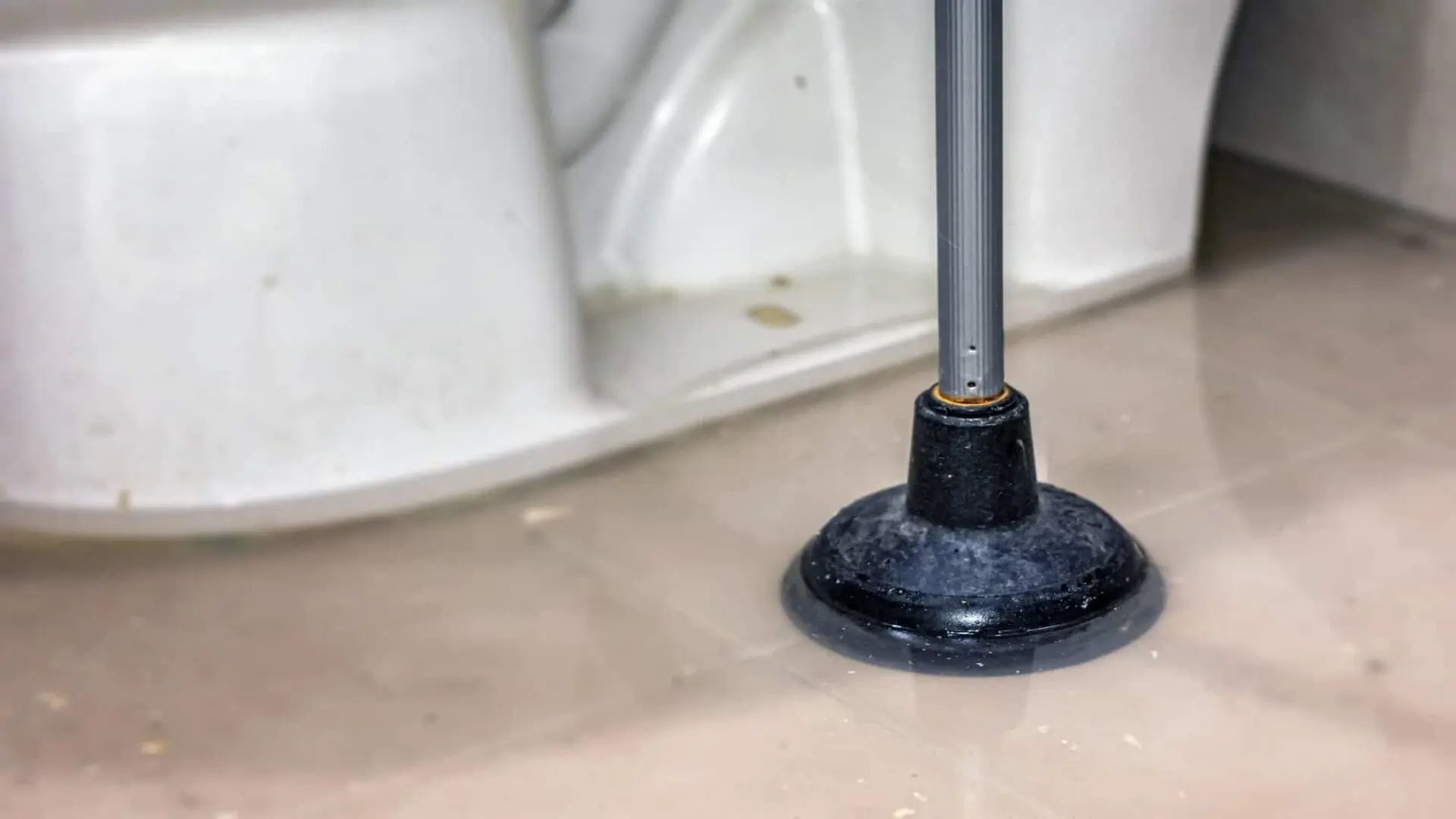
The best way to deal with smelly drains is to prevent the problem from occurring in the first place. Here are some practical steps you can take: • Install drain screens or strainers to catch hair and larger particles before they enter your pipes • Run hot water down the drain regularly to flush away buildup • Clean your bathroom regularly, paying attention to areas around the drain where residue can accumulate • Be mindful of what goes down your drain – avoid putting grease, oils, or large amounts of soap down the drain • Check that your P-trap always has water in it • Consider using a siphon or plunger occasionally to remove any trapped debris • Keep bathroom ventilation good to reduce moisture buildup that attracts bacteria. These simple habits can make a huge difference in maintaining fresh, odor-free drains. Think of it like brushing your teeth daily – it takes less time than fixing the problem later and it keeps everything running smoothly.
Dealing with smelly bathroom drains doesn’t have to mean calling in the professionals or resorting to harsh chemicals. By understanding what causes these odors and implementing simple, natural solutions, you can maintain fresh, clean drains year-round. Whether you choose the classic baking soda and vinegar combo, the refreshing lemon and salt blend, or the ongoing benefits of enzyme cleaners, each approach offers a safe and effective way to address the problem. The key is consistency and knowing which method works best for your specific situation. Remember, prevention is always better than cure, so incorporating these practices into your regular bathroom routine will save you headaches – and potentially costly plumbing repairs – down the road. Your bathroom deserves to smell fresh, and with these natural techniques, it can.