Have you ever thought about using that leftover water from your shower? It might sound strange at first, but reusing shower water isn’t just eco-friendly—it’s actually quite practical. But before you start pouring that warm water into buckets, there are some important things you need to know. This guide will walk you through everything you need to understand about safely reusing shower water.
Water conservation has become more important than ever, especially as we face increasing environmental challenges and rising utility costs. Many people are looking for ways to reduce their water usage without sacrificing comfort or convenience. One simple approach gaining popularity is reusing shower water. It’s not rocket science, but it does require some basic understanding of safety practices and proper handling techniques. Whether you’re trying to save money or simply want to be more environmentally conscious, reusing shower water can be a smart move when done correctly. The key lies in understanding what’s safe, what’s not, and how to handle it properly.
Understanding What Water You Can Safely Reuse
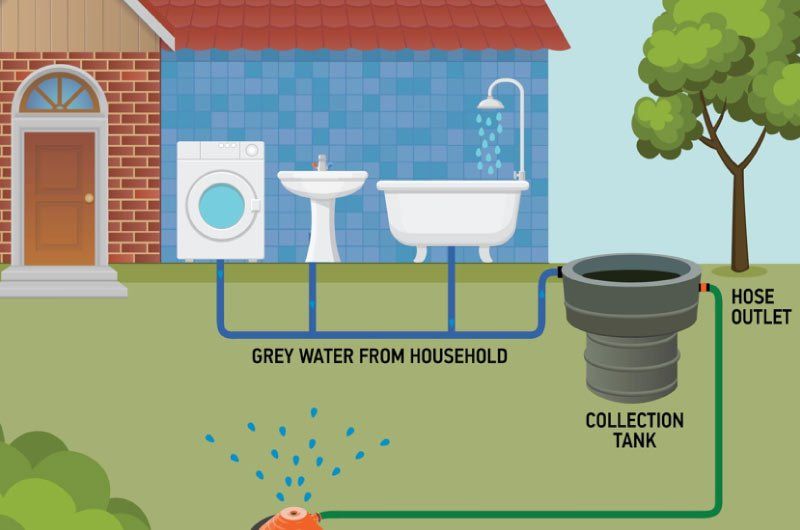
Not all water from your shower is suitable for reuse. The most common and safest option is greywater from your shower that hasn’t been contaminated with soap, shampoo, or other products. This type of water is often called ‘clean greywater’ and typically includes water that’s been used for washing hair or body without harsh chemicals. Think of it like using leftover water from a bath that was just filled with clean water. The main rule is to avoid reusing water that contains soaps, shampoos, or other cleaning agents because they can harm plants and soil. Some people even use a small container to collect the last few minutes of their shower, which tends to have the least amount of soap residue. For example, if you take a 10-minute shower and use a gentle shampoo, collecting the final 2-3 minutes of water is usually fine for watering plants. However, if you use heavily medicated soaps or products with strong chemicals, it’s better to skip reusing that water. Always remember that the goal is to reuse water that’s as close to clean as possible.
Proper Collection Methods and Containers
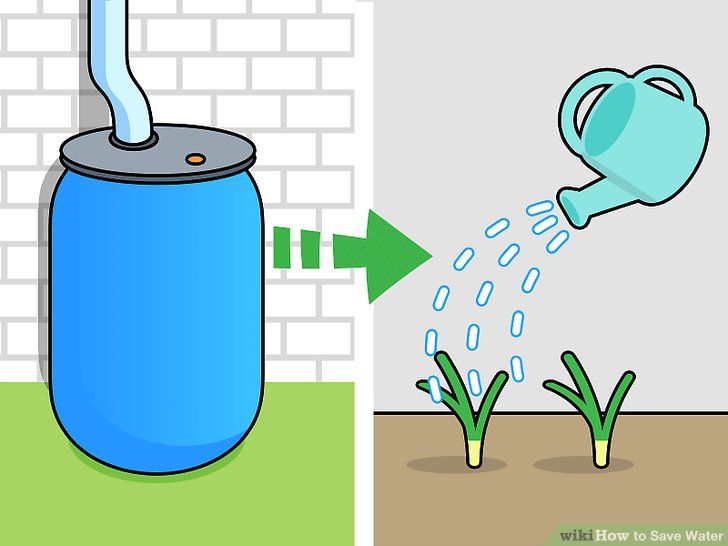
The way you collect shower water matters a lot for both safety and effectiveness. You’ll want to use containers that are specifically designed for water storage. Plastic containers work well, but make sure they’re food-grade and BPA-free to prevent chemical leaching. Glass containers are another good option if you don’t mind the weight. For convenience, many people use buckets or large containers with lids to keep the water clean and prevent contamination. It’s also helpful to have a funnel handy when transferring water from your shower area to storage containers. Some folks even install a simple filtration system or use a mesh bag to remove any debris before storing. The container should always be kept somewhere cool and out of direct sunlight to prevent algae growth. A good rule of thumb is to label each container with the date and type of water collected. For instance, you might write "Shower Water – 2/15" or "Greywater – Hair Wash." Keeping track helps ensure you use the oldest water first and prevents waste. Also, consider having multiple containers of different sizes for various uses.
Storage Duration and Temperature Considerations
How long you store shower water affects its safety and usability. Generally speaking, fresh water should be used within 24-48 hours for best results. After that, bacteria can start to grow, especially in warmer conditions. If you live in a hot climate, you might want to use the water even sooner. Temperature plays a big role too—warmer water tends to support bacterial growth faster than cooler water. If you’re planning to use the water for irrigation, it’s best to let it sit for a few hours after collection to cool down. This helps prevent shocking plants with sudden temperature changes. During winter months, the cold temperatures naturally slow down bacterial growth, which gives you a bit more flexibility with storage times. Some gardeners even use a small pump to circulate stored water periodically, which helps keep it fresh longer. The key is to monitor the water’s appearance and smell regularly. If it starts to look cloudy, smell bad, or develop any unusual odors, it’s time to discard it. Remember that the water should never be stored in direct sunlight or in areas that get very hot.
Safe Usage for Plants and Gardens
Using shower water for plants can be a wonderful way to conserve resources while helping your garden thrive. However, certain precautions must be taken to ensure plant health. First, always use water that’s been filtered or strained to remove any particles or debris. This is especially important if you’ve collected water from a shower with soap residue. When applying water to plants, do it slowly and evenly to avoid over-saturating the soil. The best time to water plants with reused shower water is early morning or late evening when evaporation rates are lower. Direct the water toward the base of plants rather than spraying leaves directly, which can cause fungal issues. Different plants have varying tolerances for reused water. For example, succulents and cacti prefer less frequent watering, while vegetables and flowering plants may benefit from regular moisture. A good practice is to test a small area first to see how your plants react. Some gardeners mix reused water with regular tap water to dilute any potential contaminants. Also, avoid using water from showers where you’ve used heavy-duty cleaning products or bleach, as these can damage plant roots. The most important thing is to observe your plants closely and adjust your watering routine based on their needs.
Health and Hygiene Precautions
Safety isn’t just about plants—it’s also about protecting yourself and your family. Reused shower water should never be consumed, even if it’s been filtered or treated. This goes for drinking water, cooking water, or anything that comes into contact with food. Even if the water looks clean, it can still harbor harmful bacteria that aren’t visible to the naked eye. If you’re using the water for cleaning purposes, such as mopping floors or wiping surfaces, make sure it’s not being used in areas where food is prepared or stored. Some people even designate specific areas of their home for using reused water to avoid cross-contamination. When handling reused water, always wash your hands thoroughly afterward, especially before eating or touching your face. If you have young children or pets, extra caution is necessary because they may accidentally ingest the water or come into contact with it inappropriately. It’s also wise to avoid using reused water on fruits or vegetables that will be eaten raw. The most critical aspect is maintaining cleanliness and proper hygiene practices throughout the entire process. Regularly cleaning your containers and keeping them sealed properly also reduces health risks.
Legal and Environmental Considerations
Before starting any water reuse program, it’s wise to check local regulations and restrictions. Some areas have specific laws about greywater use, particularly regarding where and how it can be applied. For example, some municipalities require permits for greywater systems, while others have strict guidelines about what types of water can be reused. In many places, using shower water for irrigation is perfectly legal and encouraged as part of water conservation efforts. However, there are exceptions—some regions prohibit greywater use near wells or water sources due to contamination concerns. Environmental factors also play a role. If you live in an area with drought conditions or limited water resources, reusing shower water can be especially beneficial. But it’s important to consider the impact on local ecosystems. Overuse of greywater can potentially affect soil chemistry and nearby groundwater quality. Some experts recommend consulting with local environmental agencies or extension services to learn about best practices in your area. The goal is to balance personal conservation efforts with responsible environmental stewardship.
Reusing shower water can be a simple yet effective way to contribute to water conservation efforts while saving money on utility bills. The key to success lies in following proper safety protocols and understanding what’s appropriate for reuse. From choosing the right containers to monitoring storage times and using the water wisely for plants, every step counts. While it might seem like a small change, reusing shower water can add up to significant savings over time. Plus, it’s a great way to teach children about environmental responsibility and sustainable living. The beauty of this practice is that it doesn’t require major lifestyle changes or expensive equipment. Just a little planning, some basic containers, and attention to detail can make a big difference. As more people adopt these practices, we can collectively make a positive impact on our environment. So why not give it a try? Start small, observe the results, and adjust your approach as needed. The water you save today could help preserve precious resources for tomorrow.