Most gardeners never think twice about their tools. They grab a shovel, swing a rake, or twist a wrench without considering the potential dangers lurking in familiar implements. Yet behind those simple-looking handles and sharp edges lie serious health risks that could affect anyone who spends time in their garden. From chemical exposure to physical injury, the tools we rely on daily might be doing more harm than good.
Gardening is often seen as a peaceful, healthy hobby. But what if I told you that some of the most commonly used garden tools could be silently harming your health? It’s true. Traditional gardening equipment isn’t just about dirt and plants anymore. Many tools carry hidden dangers that can impact your well-being in ways you might not expect. Whether you’re a weekend warrior or a full-time gardener, understanding these risks can help you make better choices for yourself and your family. Let’s explore what’s really going on with those trusty tools you’ve been using for years.
Chemical Hazards in Common Garden Tools
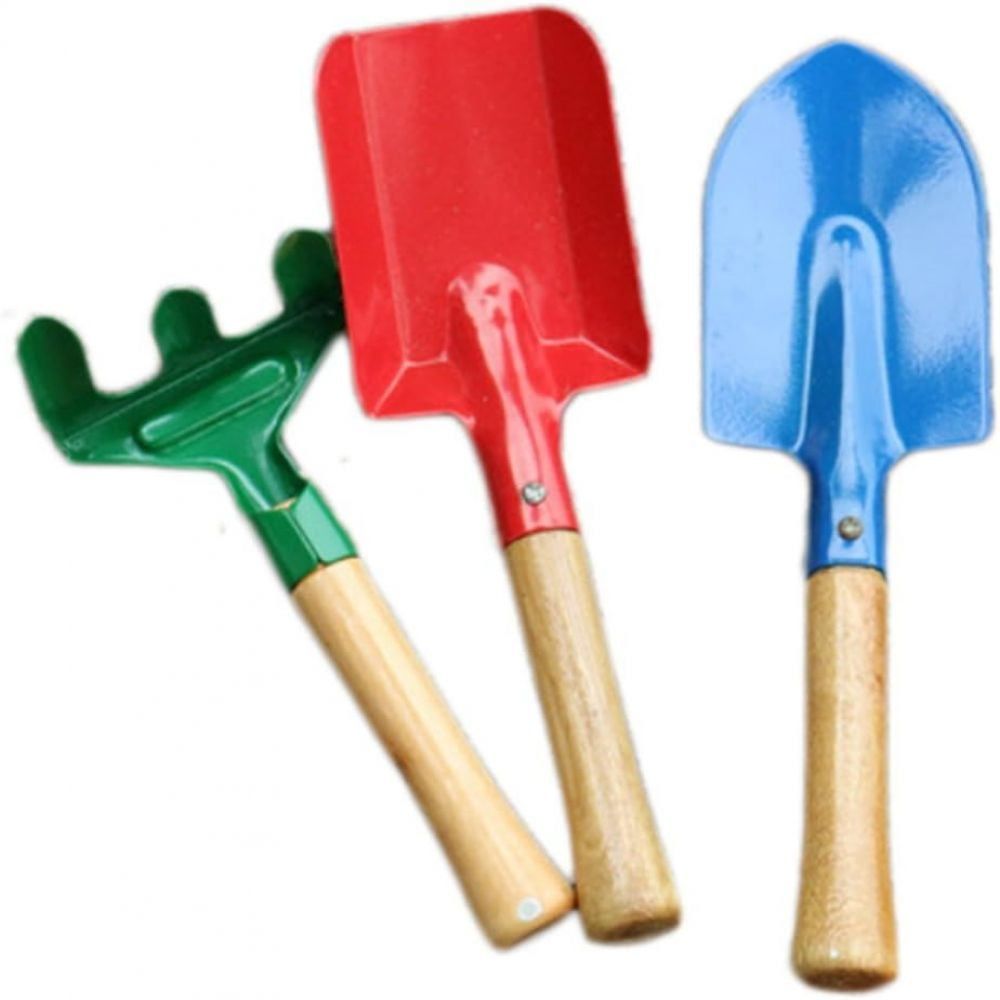
Traditional garden tools often contain chemicals that can pose serious health risks. Many metal tools are treated with zinc coatings or painted with lead-based paints that can flake off over time. When you handle these tools regularly, tiny particles can end up on your skin or get transferred to your mouth. This is especially concerning for children who play in gardens or for adults who work with their bare hands.
Consider the case of a gardener named Sarah who developed chronic skin irritation after years of working with her old metal tools. She had no idea that decades of exposure to lead paint on her garden implements was causing her health problems. Her doctor discovered elevated lead levels in her blood through routine testing.
Key concerns include:
• Lead in painted handles and metal components
• Chemical treatments that leach onto soil and plants
• Pesticide residues on tools that have been used for spraying
• Heavy metals in older tools that may have been manufactured before safety regulations were established
The problem isn’t just about immediate exposure. Over time, small amounts of these substances can accumulate in your body and cause long-term health issues.
Physical Injuries From Improper Tool Design
Beyond chemical threats, garden tools can cause significant physical harm due to poor design or improper use. Many traditional tools have been around for decades without much thought given to ergonomics or user safety. Take the classic hand trowel, for example. Its narrow handle and sharp edge make it easy to slip and cut yourself. The grip isn’t designed for comfort, leading to repetitive stress injuries.
A study conducted by the American Society for Occupational Safety and Health found that 75% of gardeners reported minor cuts and bruises from their tools within a year. The most common injuries occurred when gardeners tried to force tools into hard soil or used them improperly.
Consider the typical garden hoe. Its long handle and heavy head can cause back strain if not used correctly. Many gardeners don’t realize they’re putting unnecessary stress on their spine by bending over too much or using poor posture while working.
Common physical risks include:
• Hand and finger cuts from sharp edges
• Back pain from awkward postures and heavy lifting
• Repetitive motion injuries from poorly designed handles
• Accidental slips and falls due to unstable tool construction
• Eye injuries from flying debris when using power tools
The solution isn’t to avoid gardening altogether, but to choose tools that fit your body and work style better.
Power Tool Risks You Might Not Know About
When we think of dangerous garden tools, we often focus on manual implements. But power tools present their own set of hazards that many gardeners overlook. Electric trimmers, leaf blowers, and chainsaws aren’t just loud – they can be incredibly dangerous if not used properly.
The National Safety Council reports that approximately 40,000 people visit emergency rooms each year due to garden tool accidents involving power equipment. These aren’t just minor cuts or scrapes. Some of the most severe injuries involve amputations, deep lacerations, and traumatic brain injuries.
One particularly concerning issue is the assumption that electric tools are safer than gas-powered ones. While they may not produce emissions, electric tools still pose serious risks. A faulty cord can create electrical shocks, and the vibration from powerful motors can cause hand-arm vibration syndrome, a condition that affects blood flow and nerve function in the hands and arms.
Safety concerns with power tools include:
• Electrical shock from damaged cords or wet conditions
• Hearing damage from prolonged exposure to loud noise
• Vibration-related injuries from high-powered equipment
• Flying debris from improperly maintained blades
• Fire hazards from overheating motors
These risks are compounded when gardeners try to rush through tasks or skip proper safety procedures.
Ergonomic Issues That Cause Long-Term Damage
The way we hold and use garden tools matters more than you might think. Many traditional designs don’t consider how our bodies actually move and function. When you spend hours in the garden, those uncomfortable grips and awkward positions can add up to serious long-term problems.
Dr. Maria Rodriguez, a physical therapist who specializes in occupational injuries, explains that "gardeners often develop conditions similar to carpal tunnel syndrome, tennis elbow, and lower back pain because their tools weren’t designed with human anatomy in mind." She sees dozens of gardeners each month with these issues.
The problem starts with handle design. Many traditional tools have square or rectangular handles that don’t match the natural shape of your hand. This forces you to grip tightly and awkwardly, leading to muscle fatigue and potential nerve compression.
Consider the difference between using a tool with a curved handle versus one with a straight grip. The curved version allows your fingers to naturally wrap around the tool, reducing pressure points and preventing strain. Yet most garden stores still stock the traditional straight-handled versions.
Long-term effects include:
• Chronic wrist and hand pain
• Shoulder and neck strain from reaching
• Lower back problems from poor posture
• Reduced grip strength over time
• Arthritis in joints from repetitive stress
These aren’t just minor inconveniences. They can significantly impact your quality of life and ability to continue gardening.
Safer Alternatives That Actually Work Better
The good news is that safer alternatives exist. Modern garden tool manufacturers have started paying attention to both safety and ergonomics. These newer tools don’t sacrifice performance for protection.
Take the example of a company called GreenTech Tools, which developed a line of garden implements specifically designed to reduce injury risk. Their hoes feature curved handles that follow the natural curve of your hand, while their rakes have softer grip materials that reduce vibration transmission. Users report fewer aches and more comfortable working sessions.
One particularly innovative approach involves tools made from sustainable materials like bamboo or recycled plastics. These alternatives offer the same functionality as traditional metal tools but without the chemical concerns. Bamboo handles, for instance, naturally resist moisture and bacteria, making them healthier to use.
Some key safer options include:
• Ergonomic handles with soft grip materials
• Tools made from non-toxic materials
• Adjustable features that accommodate different users
• Improved blade designs that reduce the need for excessive force
• Lightweight alternatives that reduce strain
Many garden centers now carry these safer options, though they may cost slightly more upfront. However, when you factor in reduced medical costs and increased comfort, they often provide better value over time.
Simple Steps to Protect Yourself Today
You don’t need to replace everything overnight. Small changes can make a big difference in your safety and health. Start with these practical steps right away:
First, inspect all your current tools regularly. Look for rust, cracks in handles, or loose parts that could cause accidents. Replace anything showing signs of wear immediately.
Second, always wash your hands thoroughly after gardening, even if you wore gloves. Soil and plant material can carry harmful bacteria, and you might touch your face or eat without realizing.
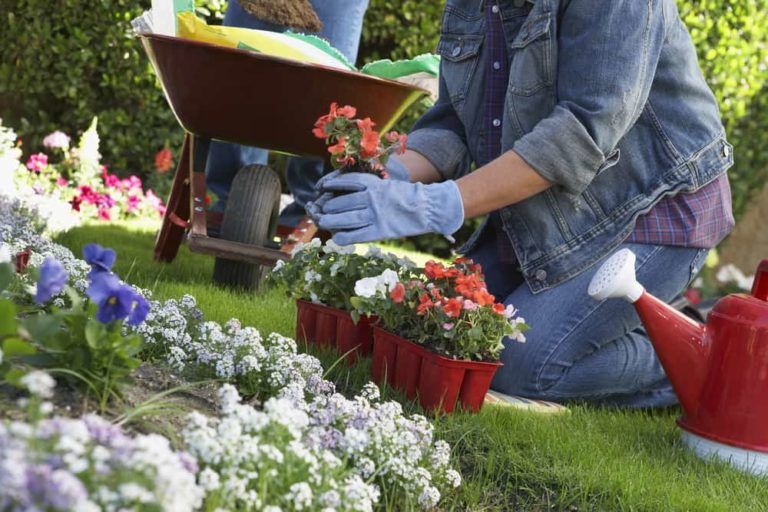
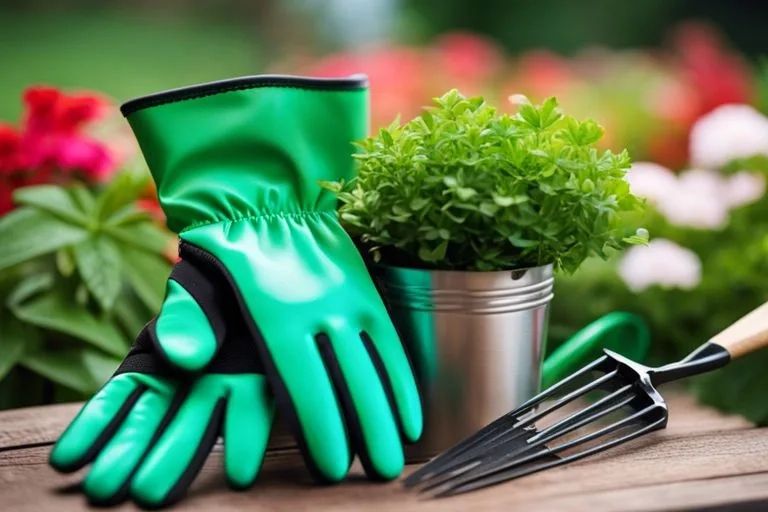
Third, invest in proper protective gear. Quality gloves aren’t just for show – they protect against cuts, blisters, and chemical exposure. Choose thick, durable gloves rather than thin disposable ones.
Fourth, take breaks during long gardening sessions. Stretch your muscles, change positions, and give your body time to recover. Listen to your body – if something hurts, stop and reassess.
Finally, educate yourself about the tools you use. Read labels, research materials, and ask questions at your local garden center. Knowledge is power when it comes to staying safe in the garden.
These simple practices can transform your gardening experience from potentially hazardous to genuinely enjoyable.
Making the Switch to Safer Gardening
Transitioning to safer gardening practices doesn’t mean abandoning everything you know. It’s about making informed choices and gradually improving your setup. Start by replacing one or two tools at a time, focusing on the ones you use most frequently.
Consider buying tools with certifications from organizations like the International Organization for Standardization (ISO) or the American Society for Testing and Materials (ASTM). These standards ensure products meet certain safety and quality benchmarks.
Don’t overlook the importance of proper storage. Keeping tools clean and dry prevents rust and bacterial growth. Store them in a designated area away from food preparation spaces.
Remember that your garden should be a place of peace and productivity, not a source of injury or illness. By making thoughtful choices about your tools and practices, you can enjoy gardening for years to come without compromising your health.
The investment in safer tools and practices pays dividends in reduced healthcare costs, less pain, and more enjoyment of your outdoor space. Every gardener deserves to work safely, regardless of their skill level or gardening goals.
Gardening brings joy, fresh produce, and connection to nature. But it shouldn’t come at the cost of your health or safety. The hidden dangers in traditional garden tools are real, but they’re not unavoidable. With awareness, smart choices, and gradual improvements to your setup, you can create a safer environment for yourself and your family. The next time you reach for that familiar tool, pause and consider whether it’s truly serving you well. Sometimes the best garden tool is the one that keeps you healthy enough to tend it for years to come. Your garden deserves better than outdated, unsafe equipment. It’s time to make the switch to safer alternatives that actually work better.