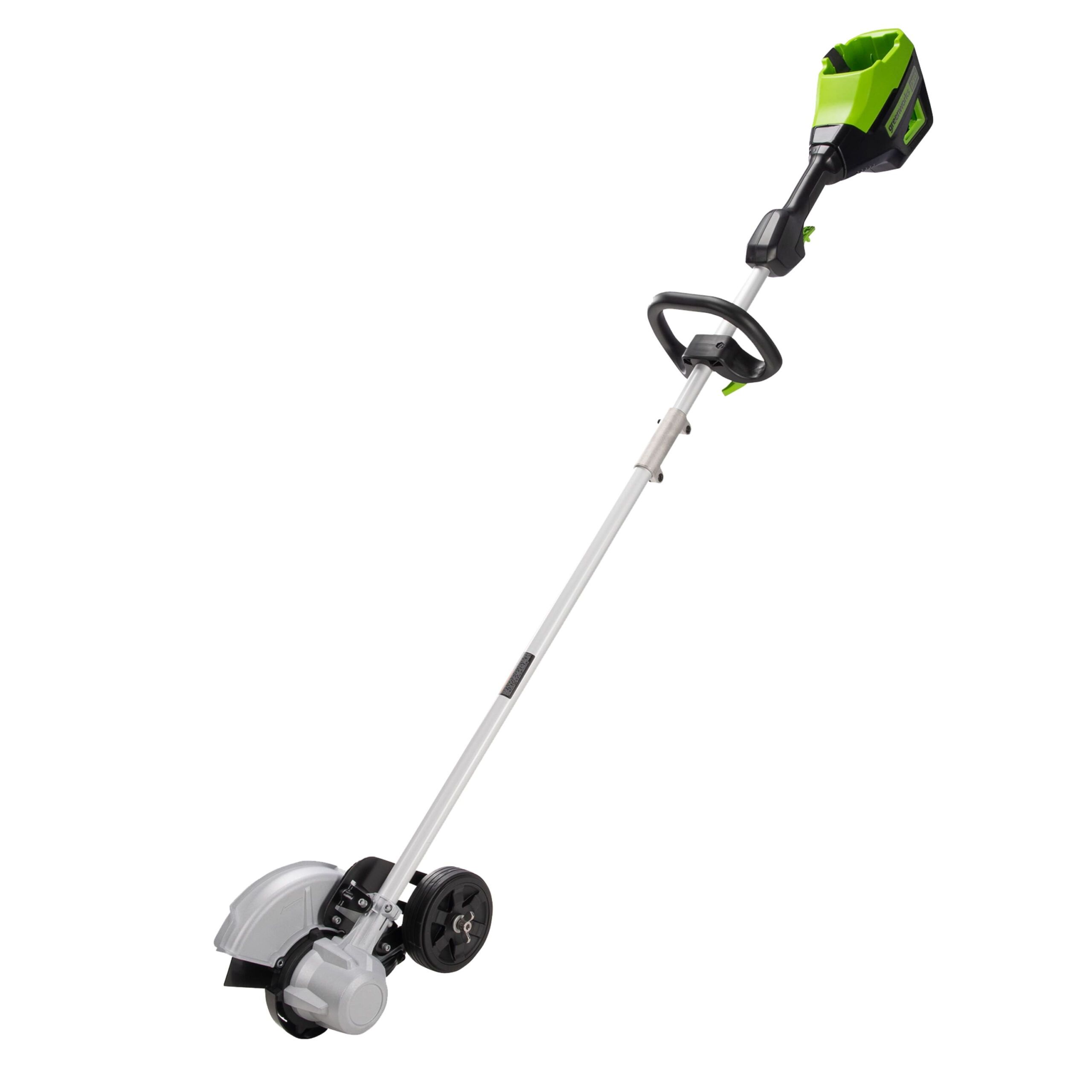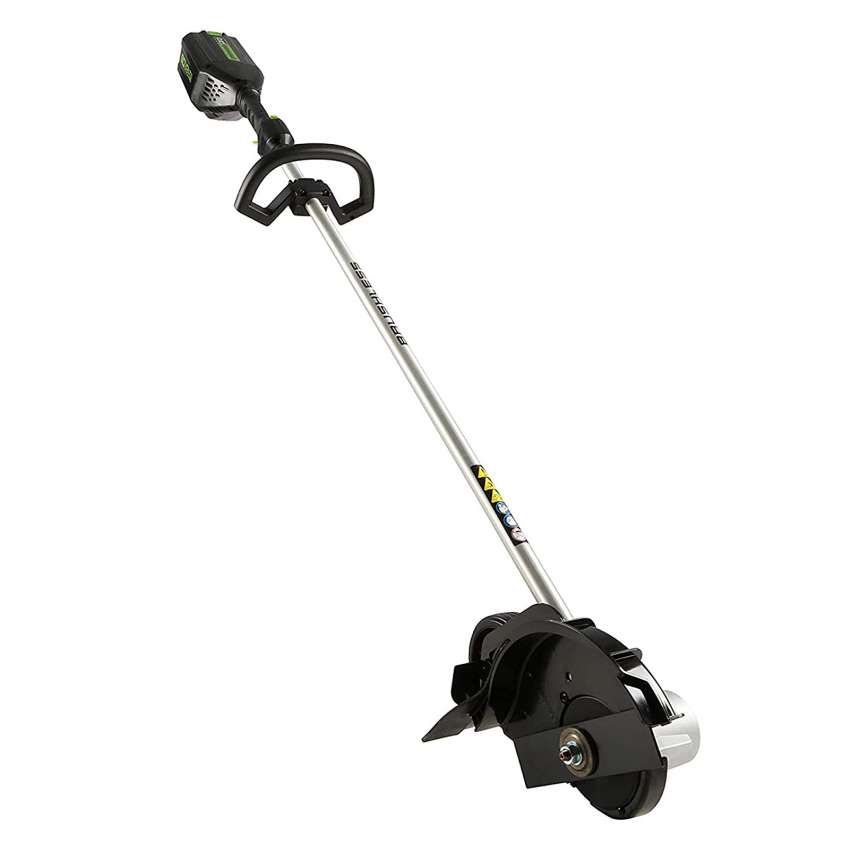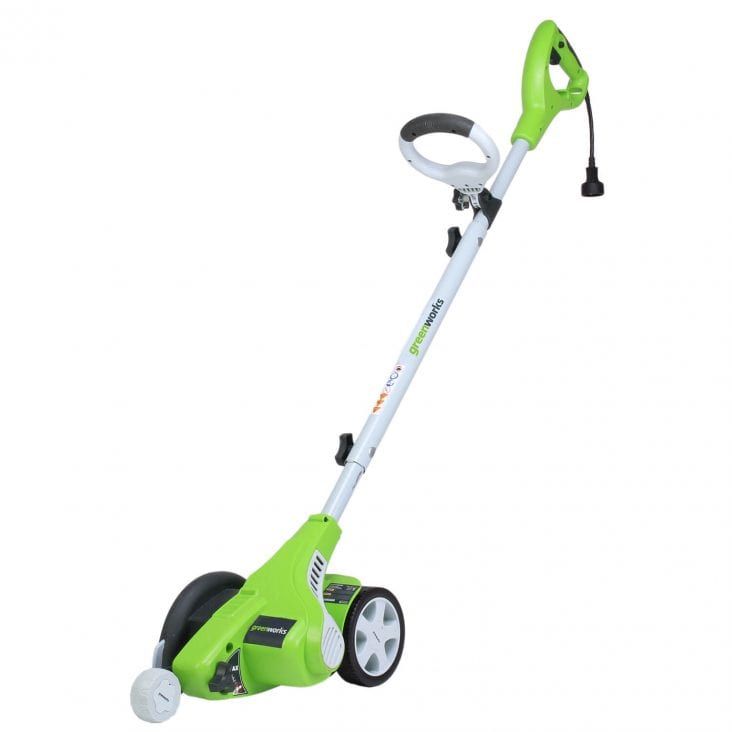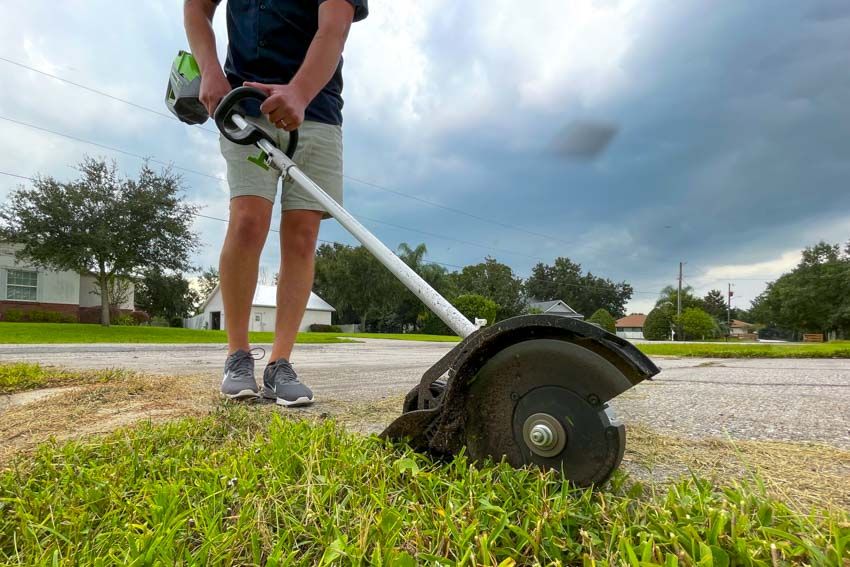
When you think about garden work, what comes to mind? Probably the backache from hours of bending over, or maybe the fatigue after cutting through thick grass. What if we told you there’s a whole science behind making your gardening tools more comfortable and effective? It’s not just about making things look pretty – it’s about how our bodies actually work when we’re doing physical tasks like edging. Today, we’re diving deep into the fascinating world of ergonomic design in electric edgers, exploring how engineers use real science to make your garden work less stressful.
Picture this: You’re standing in your garden, ready to edge that perfect border line between your lawn and flower bed. You grab your electric edger, turn it on, and start working. But wait – something feels off. Maybe it’s the vibration that makes your hands shake, or perhaps the weight that pulls your back down. What if I told you that these issues aren’t just bad luck, but rather problems stemming from poor design choices? The truth is, every aspect of an electric edger’s construction has been carefully considered by scientists and engineers who understand how our bodies move and react. From the way the handle fits in your grip to how the machine’s vibrations travel through your body, everything matters. This isn’t just about making things feel good – it’s about protecting your health while maximizing efficiency. Whether you’re a weekend warrior gardener or someone who makes their living tending to lawns, understanding the science behind these machines can transform your entire gardening experience.
The Human Body and Movement Mechanics
Before we get into the technical details, let’s talk about why ergonomics matters so much. Our bodies are incredibly complex systems, and when we perform repetitive tasks like edging, we put specific stress on different parts. Your hands, wrists, arms, shoulders, and back all work together during this process. When a tool isn’t designed with these natural movements in mind, it creates unnecessary strain. Think about how your body naturally moves when you’re cutting grass. You’re using your whole arm, not just your fingers. Your shoulder helps stabilize, and your core provides balance. If the tool forces you to bend awkwardly or hold it in an unnatural position, you’re essentially asking your body to work against its natural design. Scientists have studied this extensively and found that when tools match our natural movement patterns, we can work longer and with better accuracy. The right amount of weight distribution, proper grip angles, and appropriate handle shapes all contribute to reducing fatigue and preventing injury.
Understanding Vibration and Its Effects
One of the most common complaints about power tools is vibration. This might seem like a small issue, but it’s actually quite significant. When you’re holding a vibrating tool for extended periods, those vibrations travel up through your hands and into your arms. Over time, this can lead to numbness, tingling, and even permanent damage to nerves and blood vessels. The science here is straightforward: the longer you work with high-vibration tools, the more stress you put on your body. Engineers combat this by designing specialized dampening systems. These can include rubber gaskets, spring mechanisms, or even computer-controlled balancing. For example, some premium edgers incorporate what’s called active vibration control, where sensors detect vibration patterns and automatically adjust the motor to reduce harmful shaking. The goal isn’t to eliminate all vibration – that’s impossible and would make the tool less effective – but to minimize the harmful effects. This is why you’ll notice a difference between budget models and quality machines; the better ones invest significantly in vibration reduction technology.
Handle Design and Grip Psychology
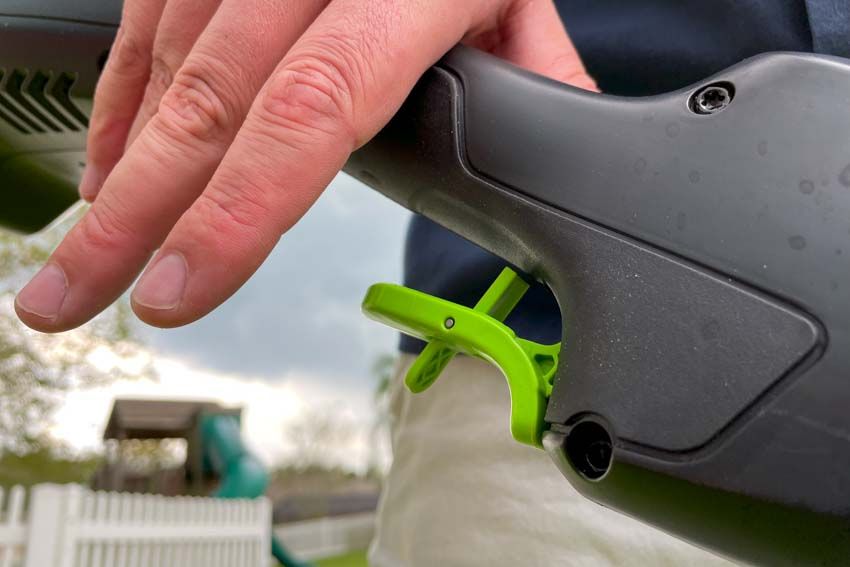
The handle of an electric edger might look simple, but it’s actually a masterpiece of engineering. Every curve, every texture, and every angle has been chosen based on how our hands actually work. The shape of the handle needs to fit comfortably in your grip without requiring you to squeeze tightly. Too tight a grip causes muscle fatigue quickly, while too loose can cause slipping. Researchers have studied hand anatomy extensively, measuring the average dimensions of hands across different populations. They’ve discovered that handles should allow your fingers to rest naturally, with your thumb positioned comfortably alongside your index finger. Many modern designs feature contoured grips that follow the natural curve of your palm. Some even include textured surfaces that provide better traction without requiring extra pressure. This isn’t just about comfort – it’s about safety too. When you’re gripping a tool properly, you have better control, which means fewer accidents and more precise cuts. The right handle design can make the difference between a frustrating gardening session and a satisfying one.
Weight Distribution and Balance Matters
Have you ever noticed how some edgers feel like they’re pulling you forward while others feel perfectly balanced? That’s all about weight distribution. When engineers design these machines, they’re thinking about where the heaviest components go and how that affects your posture. A well-designed edger will have its heaviest parts positioned close to where you hold it. This keeps the center of gravity closer to your body, reducing the strain on your arms and shoulders. Picture it this way: if you held a heavy book at arm’s length versus keeping it close to your body, which feels easier? That’s exactly what happens with tool design. The motor, battery pack, and other components are strategically placed to create optimal balance. Some machines even feature adjustable weight systems, allowing users to customize the feel based on their strength and preference. The goal is to distribute the load evenly so you’re not constantly compensating for imbalances. This leads to better performance, less fatigue, and ultimately, safer operation.
The Role of User Interface and Control Systems
Modern electric edgers don’t just focus on physical design – they also consider how easy they are to operate. This includes everything from button placement to speed controls. The science here involves understanding how our brains process information and react to different interfaces. Engineers study how users interact with controls while performing tasks, looking for ways to reduce cognitive load. A well-designed interface lets you focus on the job at hand instead of figuring out how to operate the tool. For instance, having frequently used functions easily accessible prevents you from pausing mid-task to find the right button. Some advanced models even include smart features like automatic speed adjustment based on terrain or material hardness. These systems use sensors to detect conditions and adjust performance accordingly. The result is a tool that adapts to your needs rather than forcing you to adapt to its limitations. This kind of intelligence in design makes gardening more intuitive and enjoyable.
Long-Term Health Benefits and Injury Prevention
Beyond immediate comfort, the science of ergonomic design in electric edgers has profound implications for long-term health. Repetitive motion injuries are common among gardeners who use poorly designed tools regularly. These injuries often develop slowly over time and can become serious. By incorporating ergonomic principles, manufacturers are helping prevent these problems before they start. Properly designed tools reduce the risk of carpal tunnel syndrome, tendonitis, and back pain. They also promote better posture, which is crucial since many gardeners spend hours in awkward positions. Studies have shown that workers who use ergonomically designed tools report fewer injuries and higher job satisfaction. For gardeners, this translates to more years of enjoying outdoor work without worrying about future health issues. The investment in quality, ergonomically designed equipment pays dividends not just in immediate comfort, but in preserving your ability to garden for decades to come.
So what does all this science mean for you as a gardener? It means that the next time you pick up an electric edger, you’re not just grabbing any old tool – you’re engaging with decades of research and engineering insight. The seemingly simple act of edging your lawn becomes a more intelligent, safer, and more enjoyable activity when done with the right equipment. Understanding these principles helps you make smarter purchasing decisions and appreciate why certain features matter. Whether you’re a casual gardener or a professional landscaper, the science behind ergonomic design is working hard to support your efforts. It’s not magic – it’s the application of real human-centered engineering. The next time you’re out in your garden, take a moment to appreciate how your tools are designed to work with your body rather than against it. Your hands, your back, and your future self will thank you for choosing equipment that respects the science of human movement. After all, the best garden tools aren’t just powerful – they’re thoughtful, designed specifically to enhance your connection with the earth.