Have you ever stared at a sink full of stagnant water, wondering how something so small could cause such big problems? It’s amazing how quickly a simple clog can turn into a major inconvenience. But here’s the good news – you don’t need expensive products or professional services to solve this common household issue.
Drain blockages are one of those pesky problems that seem to appear out of nowhere. Whether it’s hair, soap scum, food particles, or even tiny pebbles, anything can find its way into your pipes and cause trouble. The frustration is real when you’re standing over a sink that won’t drain properly, especially when you’ve already tried the obvious solutions. What if we told you there are several effective ways to tackle these issues right from your kitchen or bathroom? These methods work because they use natural ingredients that break down the gunk causing your drain to clog.
The Power of Baking Soda and Vinegar
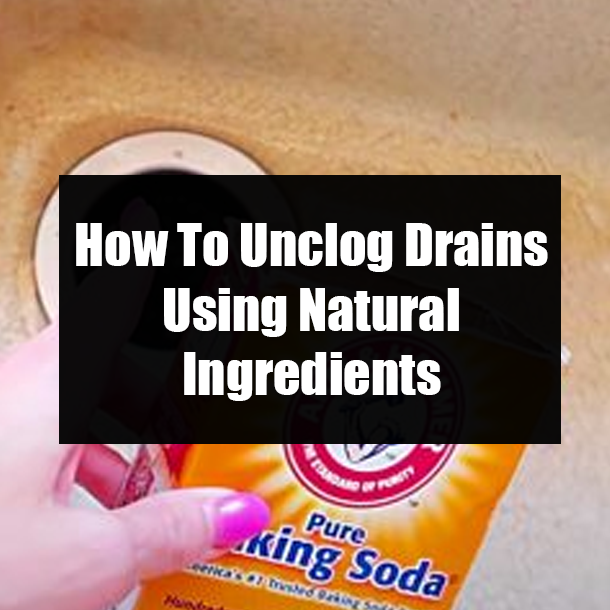
This combination is probably the most famous homemade drain cleaner out there, and for good reason. It works by creating a gentle chemical reaction that helps dissolve organic matter like hair, grease, and food scraps. Here’s how to use it effectively:
• Pour half a cup of baking soda directly into the drain
• Follow immediately with half a cup of white vinegar
• Cover the drain with a plug or your hand for five minutes
• Rinse thoroughly with hot water
This method is particularly useful for light to moderate clogs. It’s safe for your pipes and environmentally friendly. Many people notice improvement after just one treatment, though stubborn clogs might require repeat applications.
The magic happens because baking soda acts as a mild abrasive while vinegar provides acidity. Together, they create a fizzing action that helps break apart the build-up inside your pipes.
Boiling Water: The Simplest Solution
Sometimes the best solution is the most straightforward one. Boiling water is incredibly effective for clearing light clogs caused by grease or soap residue. This technique works because hot water melts the substances that typically cause blockages.
To use boiling water effectively:
• Fill a pot with water and bring it to a rolling boil
• Carefully pour the entire pot down the drain
• Wait a few minutes before checking if water flows normally
• Repeat if necessary
This method is excellent for kitchen sinks where grease buildup is common. It’s also great for bathroom drains where soap scum tends to accumulate. However, be careful when using this method – the water must be genuinely boiling, and you should protect yourself from steam burns.
Many people find that combining this with other methods yields better results. For instance, after pouring boiling water down the drain, follow up with the baking soda and vinegar treatment for deeper cleaning.
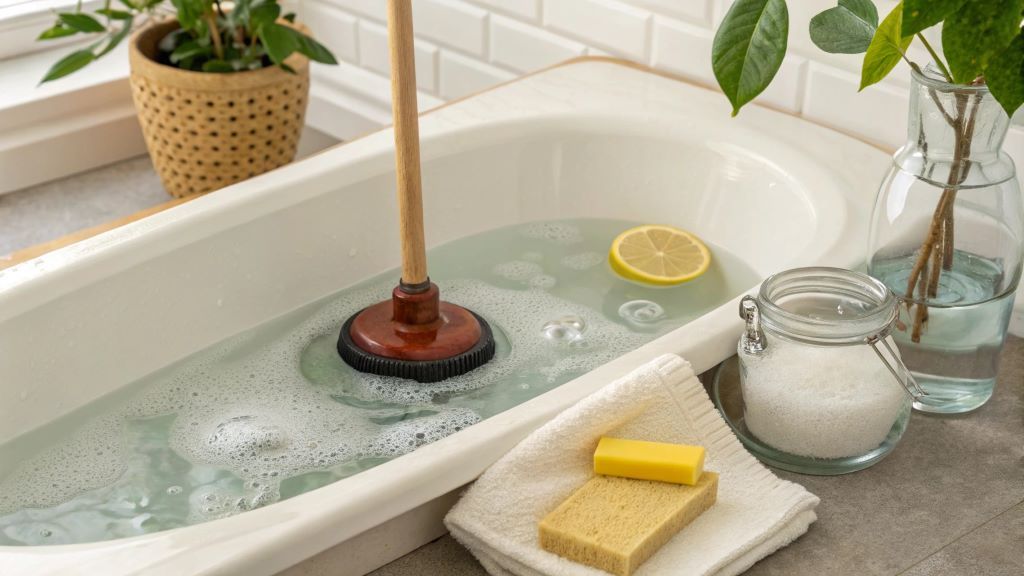
Plunger Magic: A Classic Tool
The humble plunger has been saving homes for generations, and it’s still one of the most reliable tools for clearing clogs. It works by creating pressure changes that can dislodge blockages in your drain. The key is using the right type of plunger and technique.
Here’s how to use it properly:
• Make sure the plunger has a good seal around the drain opening
• Place the rubber cup over the drain completely
• Push down firmly and then pull up quickly several times
• Repeat the motion until water starts draining freely
A cup plunger works better than a toilet plunger for most sink clogs. The pressure created helps push the clog through the pipe. Sometimes you’ll hear a satisfying gurgle as the water begins to flow again.
Don’t underestimate the power of this simple tool. It’s often the first thing people should try before resorting to more complex methods.
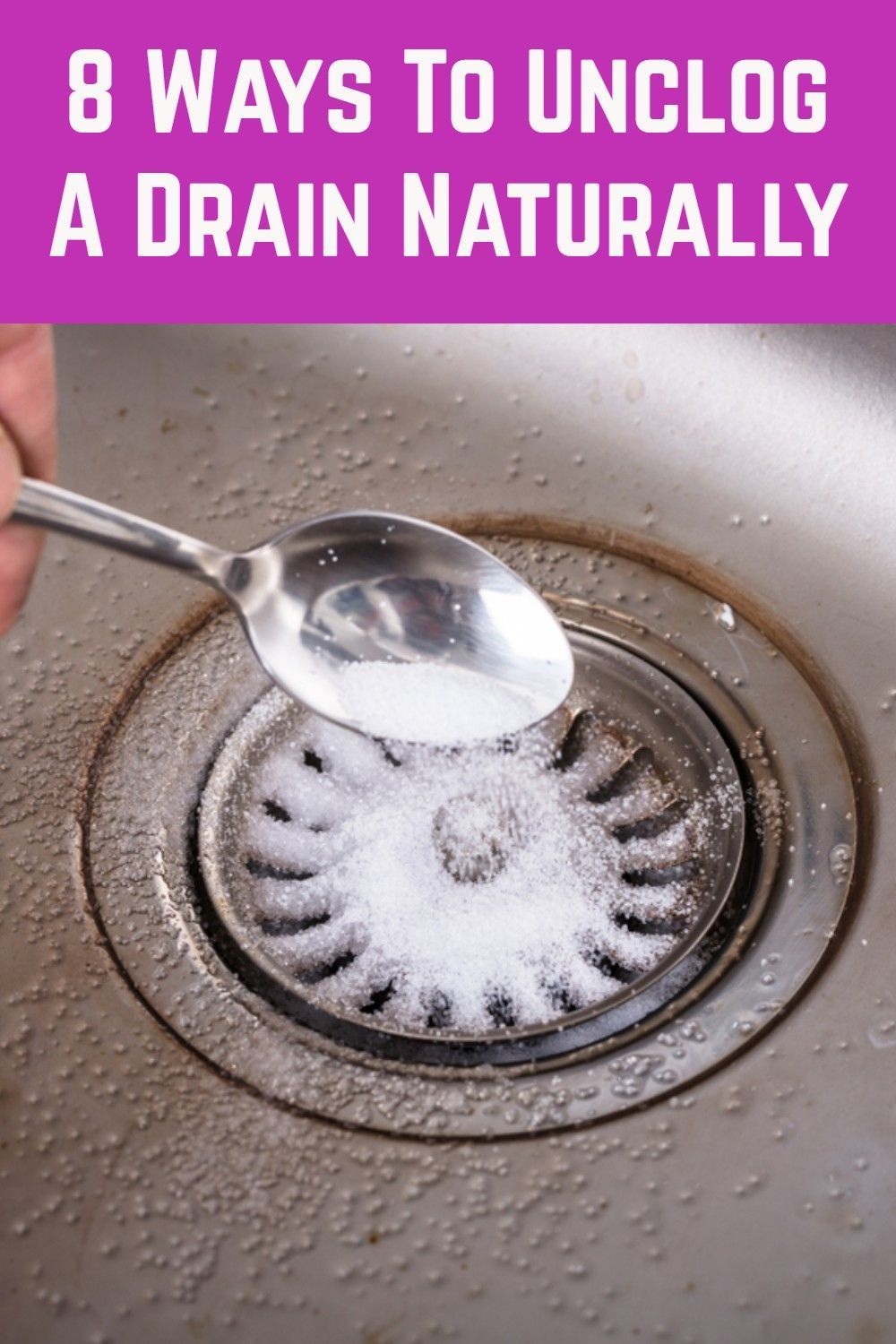
Baking Soda and Salt Combination
Another tried-and-true mixture that many homeowners swear by involves baking soda and salt. This combination works well for tackling various types of clogs and is particularly effective against organic matter.
How to prepare and use this mixture:
• Mix equal parts baking soda and salt in a bowl
• Pour the mixture directly into the drain
• Let it sit for 30 minutes
• Flush with hot water afterward
This method is especially helpful for bathroom drains where hair and soap scum are frequent culprits. The salt acts as an abrasive agent while baking soda helps break down the organic material. Some people prefer to add a little lemon juice to this mixture for extra freshness and cleaning power.
The beauty of this approach is that it’s gentle enough for regular use without damaging your pipes. Plus, it’s much cheaper than commercial drain cleaners.
Enzyme-Based Natural Cleaners
While not exactly homemade, enzyme-based cleaners are natural alternatives that work remarkably well. These products contain living microorganisms that consume organic waste in your pipes. They’re particularly effective for ongoing maintenance rather than emergency clog removal.
Benefits of enzyme-based cleaners:
• They target organic matter specifically
• Safe for all types of plumbing
• Can be used regularly without harm
• Environmentally friendly
• Work gradually but consistently
These cleaners are available in stores or online, though they’re essentially nature’s way of creating a biological cleanup crew inside your pipes. They’re especially useful for preventing future clogs rather than treating existing ones.
Some people find that mixing enzyme-based products with regular home cleaning routines creates a proactive approach to drain health.
When to Call for Professional Help
Despite all these helpful techniques, some situations call for professional intervention. Knowing when to step back and seek expert assistance is crucial for both safety and effectiveness.
Signs it’s time to call a plumber:
• Water backs up in multiple drains simultaneously
• Persistent foul odors coming from drains
• Water flowing very slowly despite multiple attempts
• Complete blockage with no signs of improvement
• Unusual noises coming from pipes
These situations often indicate problems beyond simple clogs, such as tree root intrusion or serious pipe damage. Professional plumbers have specialized tools like drain cameras and augers that can diagnose and fix problems that DIY methods cannot address.
It’s worth noting that some local codes require professional installation for certain types of drain work. When in doubt, it’s always better to err on the side of caution.
Dealing with clogged drains doesn’t have to mean calling a plumber or buying expensive chemicals. With these effective homemade techniques, you can handle most common blockages yourself. The key is understanding what causes your specific problem and choosing the right method accordingly. Remember that prevention is often better than cure – regular maintenance with simple cleaning methods can prevent many issues from developing in the first place.
Whether you’re dealing with a slow-draining sink or a complete blockage, these natural approaches offer safe, cost-effective solutions. The beauty of these methods lies in their simplicity and accessibility. You don’t need special skills or equipment to try them. Start with the basics – boiling water, baking soda and vinegar, or a good old-fashioned plunger – and work your way up to more complex treatments if needed.
The important thing is to stay patient and persistent. Some clogs take multiple attempts to fully resolve. Don’t give up after the first try. Most importantly, know when to ask for help. If you’re dealing with something serious, a professional will be able to provide the expertise and tools that you simply can’t access at home. These homemade solutions are powerful allies in maintaining your home’s plumbing system, but they’re not magic bullets for every situation.