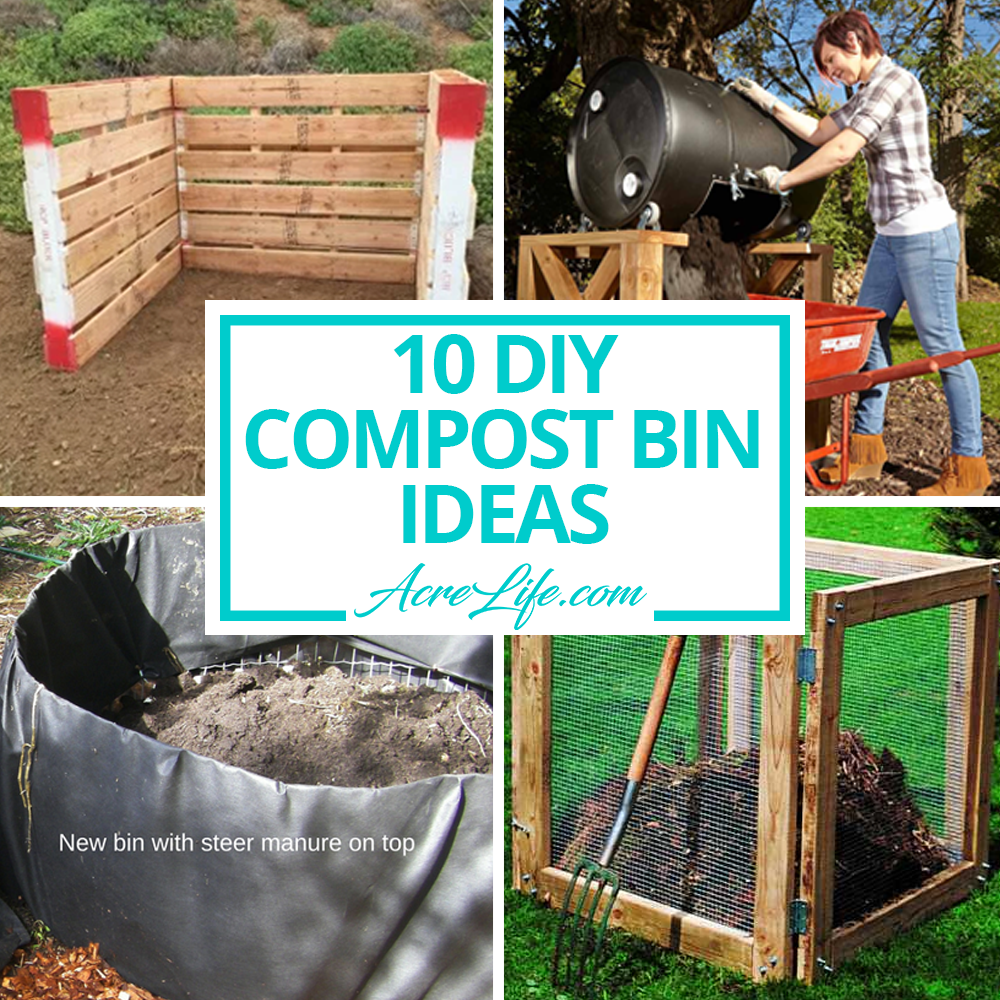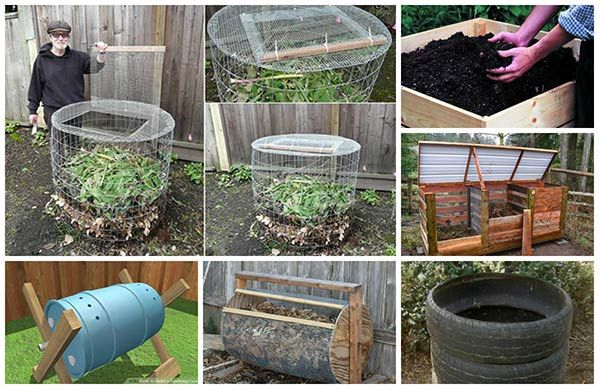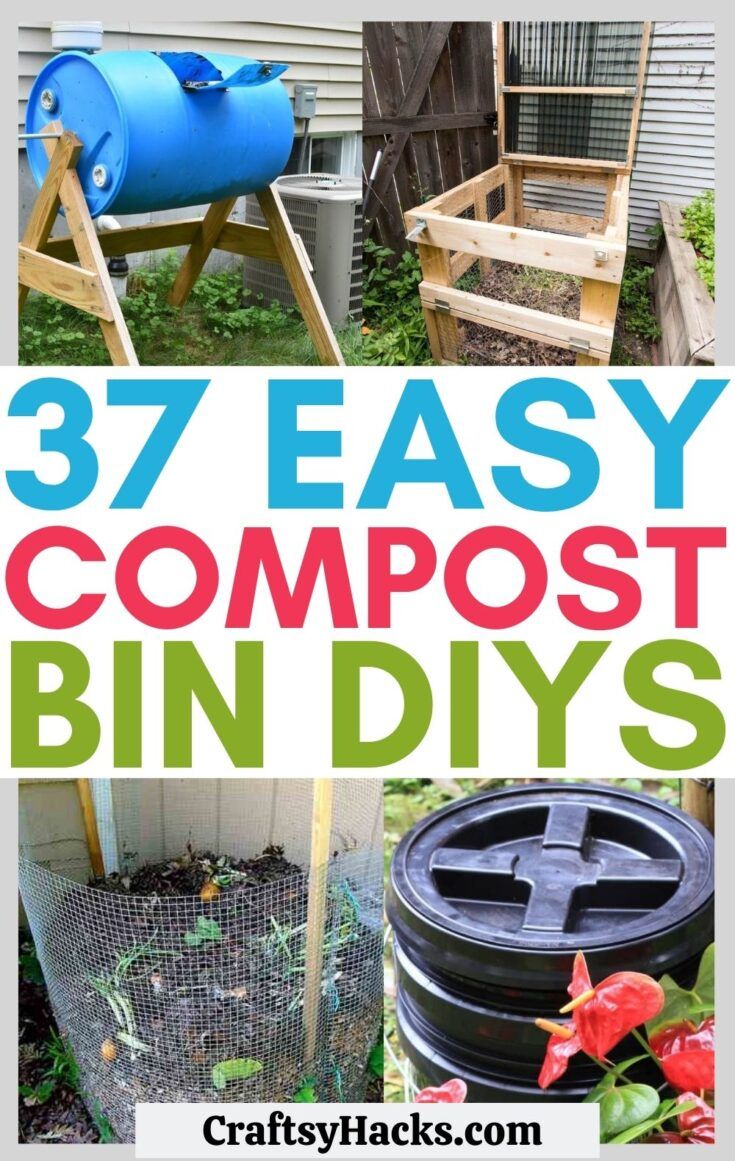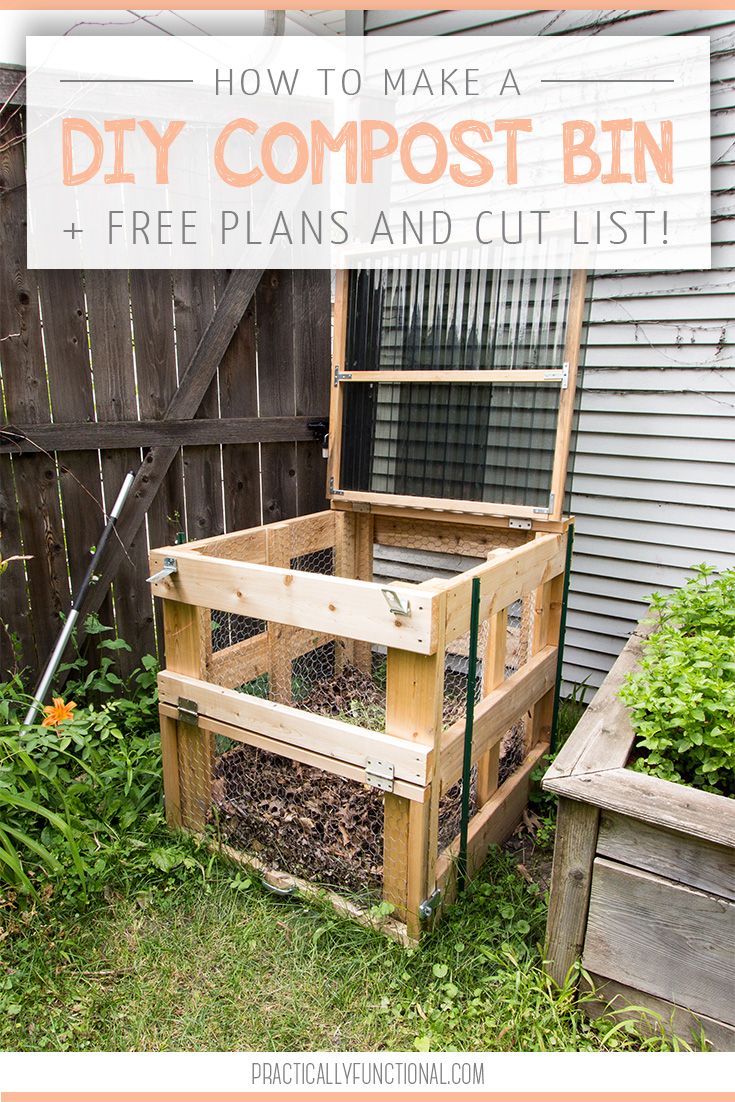
Picture this: you’re standing in your garden, looking at healthy, thriving plants that seem to glow with life. What’s the secret? It might just be the rich, dark compost you’ve been making right in your backyard. But building the right compost bin isn’t just about throwing materials together. It’s an art that combines science with practical know-how. Let’s explore how to construct a compost bin that works like a charm.
Composting is one of the most rewarding things you can do for your garden and the planet. It transforms organic waste into nutrient-dense soil amendment that can make your plants flourish. But before you start piling up those banana peels and coffee grounds, you need the right container. A poorly built compost bin can lead to smelly messes, pests, and slow decomposition. The good news? With the right approach, anyone can build an effective compost bin. This guide walks you through everything you need to know, from basic design principles to practical construction tips that actually work.
Understanding Compost Bin Basics
Before diving into construction, it helps to understand what makes a good compost bin. Think of it as creating the perfect home for decomposing materials. The key elements are airflow, moisture control, and accessibility. A well-designed bin allows air to circulate while keeping moisture at the right levels. It should be easy to turn the pile and add new materials. Most importantly, it needs to be sturdy enough to handle the weight of decomposing matter over time.
The size matters too. A bin that’s too small means you’ll have to turn it constantly, while one that’s too large can become difficult to manage. A good rule of thumb is to aim for a volume between 3 and 5 cubic feet. This gives you enough space for active decomposition without overwhelming you with maintenance.
Consider your available space, the amount of organic waste you produce, and how much time you want to invest in maintaining it. These factors will shape your final design choices.
Choosing the Right Materials
The materials you select for your compost bin foundation will determine its longevity and effectiveness. Wood is a popular choice because it’s readily available and provides good insulation. Cedar and redwood are naturally resistant to rot and insects, making them excellent choices for outdoor use. However, they can be expensive and may contain chemicals that aren’t ideal for food production.
Plywood works well for the sides, especially if you choose pressure-treated lumber that’s safe for gardening. Metal mesh or hardware cloth offers great ventilation and pest protection, though it can rust over time. For the base, consider using concrete blocks or bricks to elevate the bin and improve drainage.
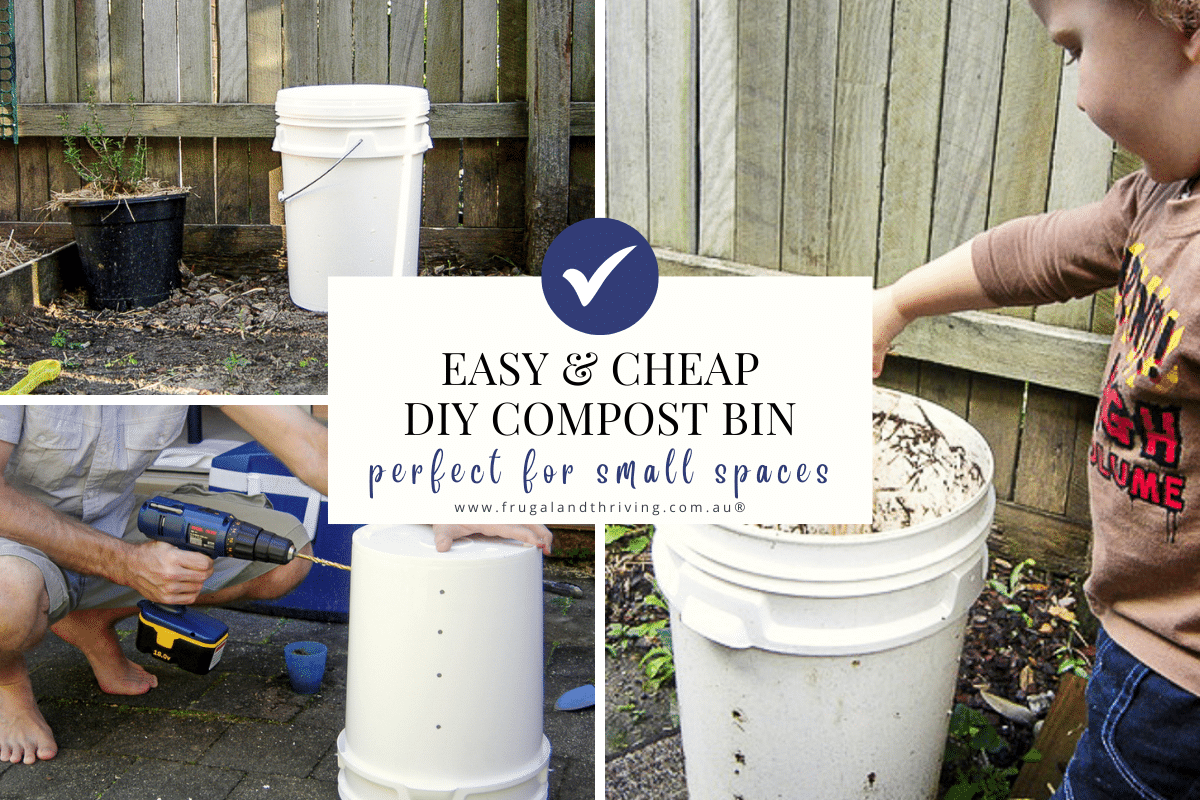
Some people swear by recycled plastic containers, which are durable and don’t require special treatments. They’re also easy to clean and maintain. Just ensure they’re food-safe and won’t leach harmful substances into your compost.
Don’t overlook the importance of having a solid bottom. Without one, you risk losing valuable compost material to the ground and creating a mess that attracts unwanted visitors.
Designing for Airflow and Drainage
Airflow and drainage are two critical factors that separate good compost bins from poor ones. Without proper airflow, your compost will become anaerobic and start smelling terrible. It’s like trying to breathe underwater – it just doesn’t work well.
Adequate drainage prevents waterlogging, which slows down decomposition and can lead to foul odors. Waterlogged conditions encourage harmful bacteria rather than beneficial microorganisms.
Here are some practical ways to address these issues:
• Install holes in the sides and bottom of your bin
• Use a mix of coarse materials like twigs and straw to maintain air pockets
• Elevate the bin slightly off the ground
• Consider adding a small drainage hole in the bottom
Think of airflow like breathing. You need to be able to move air in and out freely. Some bins feature removable panels or adjustable vents that let you control airflow based on weather conditions or compost temperature.
Drainage is equally important. If water pools at the bottom of your bin, you’re setting yourself up for problems. A raised design with good drainage helps maintain the right balance of moisture without drowning your compost.
Building Your First Compost Bin
Ready to get started? Building your first compost bin is more straightforward than you might think. Here’s a step-by-step approach that works for beginners:
First, choose a location that’s convenient but not too close to your house or property lines. Look for a spot that gets partial sun and has good drainage. You want to avoid areas where water tends to pool after rain.
Next, measure your space carefully. A typical small bin measures about three feet wide, three feet deep, and three feet high. This size is manageable and provides adequate surface area for decomposition.
Start with the base. Lay down a few inches of coarse material like twigs or straw to help with drainage. Then add a layer of finished compost or soil to introduce beneficial microorganisms.
For the sides, use your chosen materials. If you’re using wood, cut four pieces to the correct dimensions. Attach them with galvanized screws or wood glue. Make sure all corners are square and the structure is stable.
Add a lid or cover. This helps retain moisture and heat, both of which are crucial for decomposition. You can use a piece of plywood or even an old garbage can lid.
Finally, test your bin by adding a small amount of organic waste and checking how it performs. Adjustments are easy to make once you see how it works in practice.
Maintaining Proper Moisture Levels
Moisture management is one of the most common challenges new composters face. Your compost should feel like a damp sponge – moist but not soggy. Too little water and decomposition slows dramatically. Too much and you’ll have a soggy mess that smells terrible.
The key is consistency. Check your bin regularly and adjust moisture levels as needed. A simple way to test moisture is to grab a handful of compost material. If water drips from your fingers when you squeeze gently, it’s too wet. If it crumbles apart easily, it’s too dry.
Watering frequency depends on several factors including weather, materials used, and bin size. In hot, dry weather, you might need to water every few days. During rainy seasons, you might not need to water at all.
To maintain consistent moisture, consider adding a water source nearby. A small hose or watering can can make a big difference. Some composters install a simple drip irrigation system for consistent moisture delivery.
Adding browns like dried leaves or cardboard can help absorb excess moisture. Conversely, adding greens like fresh grass clippings or vegetable scraps can provide extra moisture when needed.
Managing Temperature and Turning
Temperature plays a crucial role in successful composting. The ideal range is between 110 and 160 degrees Fahrenheit. At these temperatures, beneficial bacteria thrive and break down organic matter efficiently.
The process generates heat naturally as microorganisms consume organic materials. You can monitor temperature using a compost thermometer, which helps you determine when to turn the pile.
Turning your compost is essential for maintaining proper oxygen levels and ensuring even decomposition. Aim to turn the pile every 2-3 weeks, or more frequently during active decomposition periods. This brings fresh air to the center of the pile and distributes heat evenly.
When turning, mix the outer layers into the center and vice versa. This ensures that all materials decompose uniformly. A pitchfork or compost aerator works well for this task.
The frequency of turning depends on several factors including bin size, materials used, and weather conditions. Smaller bins may need more frequent attention, while larger ones can go longer between turns. Pay attention to smell and texture changes to determine when action is needed.
Troubleshooting Common Issues
Even with careful planning, compost bins sometimes encounter problems. The good news is that most issues are easily resolved with a few adjustments.
If your compost smells bad, it’s likely due to insufficient oxygen or too much moisture. Check the airflow and drainage systems. Add more browns like dried leaves or shredded paper to absorb excess moisture. Turning the pile more frequently often resolves odor issues.
Pests are another common problem. Rodents, flies, and other creatures are attracted to exposed food scraps. Cover new additions with a layer of browns, keep the bin covered, and avoid adding meat, dairy, or oily foods.
Slow decomposition often indicates a lack of nitrogen or improper moisture levels. Add more green materials like grass clippings or kitchen scraps, and adjust watering accordingly. Temperature fluctuations can also slow the process, so consider insulating your bin during colder months.
If your compost becomes too dry, simply add water gradually until it reaches the desired consistency. Too much water creates anaerobic conditions, so be careful not to overdo it.
Building an effective compost bin is an investment in both your garden and the environment. When done right, it transforms kitchen scraps into valuable soil amendment that can dramatically improve plant health. The key lies in understanding the basics of composting and applying practical construction techniques that support these processes.
Remember, there’s no single ‘perfect’ design. What matters most is creating a system that fits your lifestyle, space constraints, and composting goals. Whether you’re a beginner or experienced composter, these tips provide a solid foundation for success.
The journey from kitchen waste to garden gold is one that many find deeply satisfying. It’s a reminder that even our household scraps can contribute to something beautiful and useful. So take the time to plan, build, and maintain your compost bin properly. Your garden will thank you, and you’ll discover a new appreciation for the natural cycle of decomposition that keeps our planet healthy.