Every gardener knows that healthy plants start with healthy soil. But when you’re working with limited space, keeping soil properly aerated becomes even more crucial. It’s not just about having enough room for roots to grow – it’s about ensuring those roots have access to oxygen, water, and nutrients. In small spaces, where every inch counts, this challenge becomes both more urgent and more rewarding.
Picture this: you’ve got a tiny balcony garden, a windowsill container, or a raised bed that’s been getting crowded for months. Your plants look tired, their leaves are turning yellow, and despite regular watering, they seem to be struggling. What if the problem isn’t overwatering or underwatering? What if it’s something much more fundamental – the soil itself? When soil gets compacted, it’s like trying to breathe through a straw. Air, water, and nutrients can’t move freely through it, and that means your plants suffer. The solution might be simpler than you think, and it might not require any fancy equipment at all.
Why Soil Needs Aeration
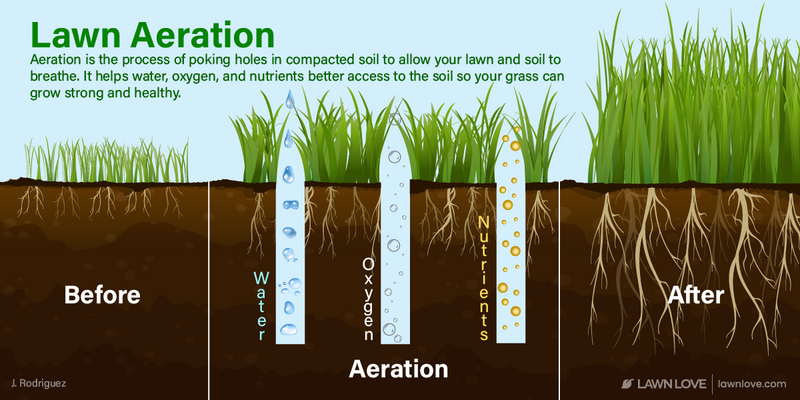
Soil compaction happens naturally over time. Think of it like a crowd of people trying to fit into a small room – eventually, everyone gets packed in tight. Plant roots need oxygen to survive and thrive. When soil becomes too dense, there’s less air space between particles. This creates a kind of suffocation effect that can kill plants or stunt their growth. The good news? You can fight back against this natural tendency. Aeration is essentially creating pathways for air, water, and nutrients to reach those hungry root systems. In small spaces, where soil volume is limited, this becomes even more important.
Understanding Soil Compaction
Compaction occurs when soil particles are pressed together, reducing pore space. This can happen from foot traffic, heavy rainfall, or simply the weight of growing plants. In small containers, it’s even worse because there’s less room for roots to spread out. You’ll notice signs like water pooling on the surface, slow plant growth, and roots that seem to be choking themselves in their own environment. The key insight is that healthy soil should feel loose and crumbly, not hard and impenetrable. When you’re working with small spaces, understanding this problem helps you avoid common mistakes and choose better solutions.
DIY Soil Aeration Tools
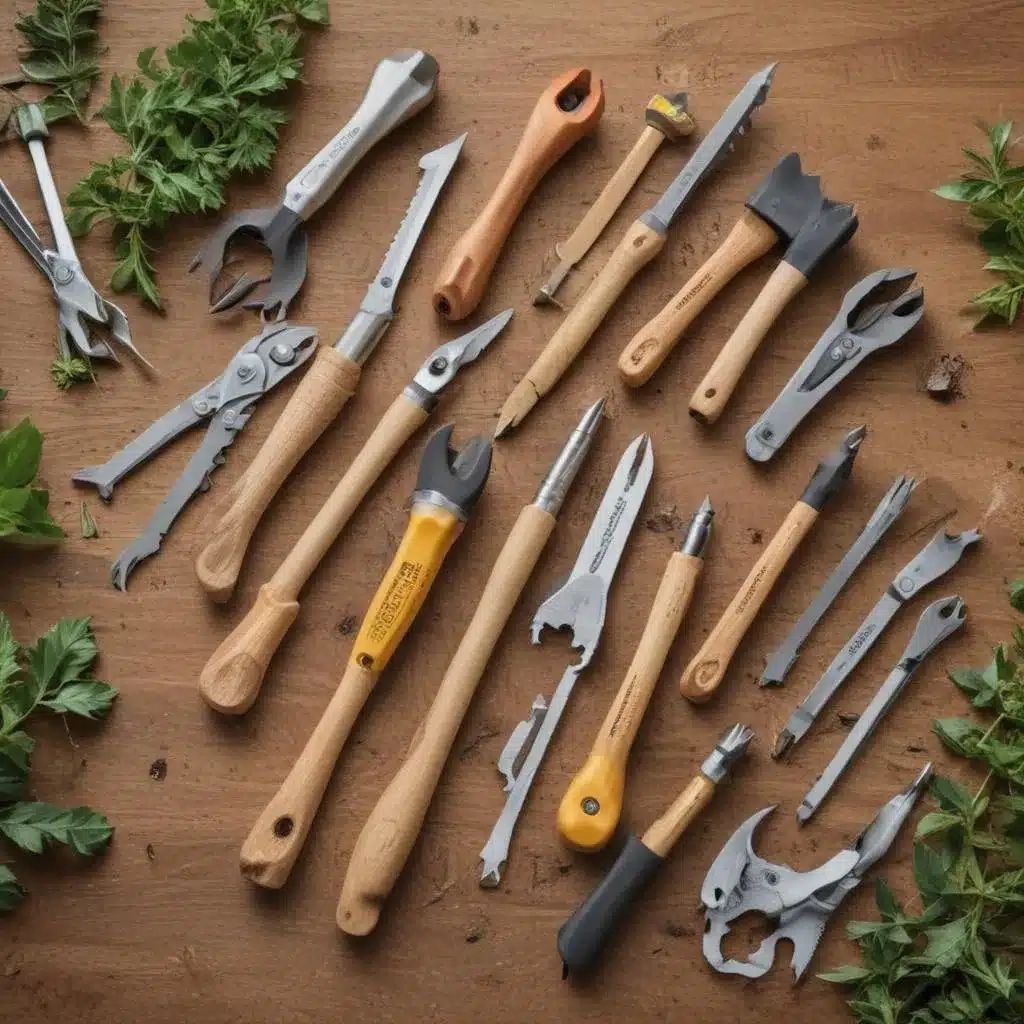
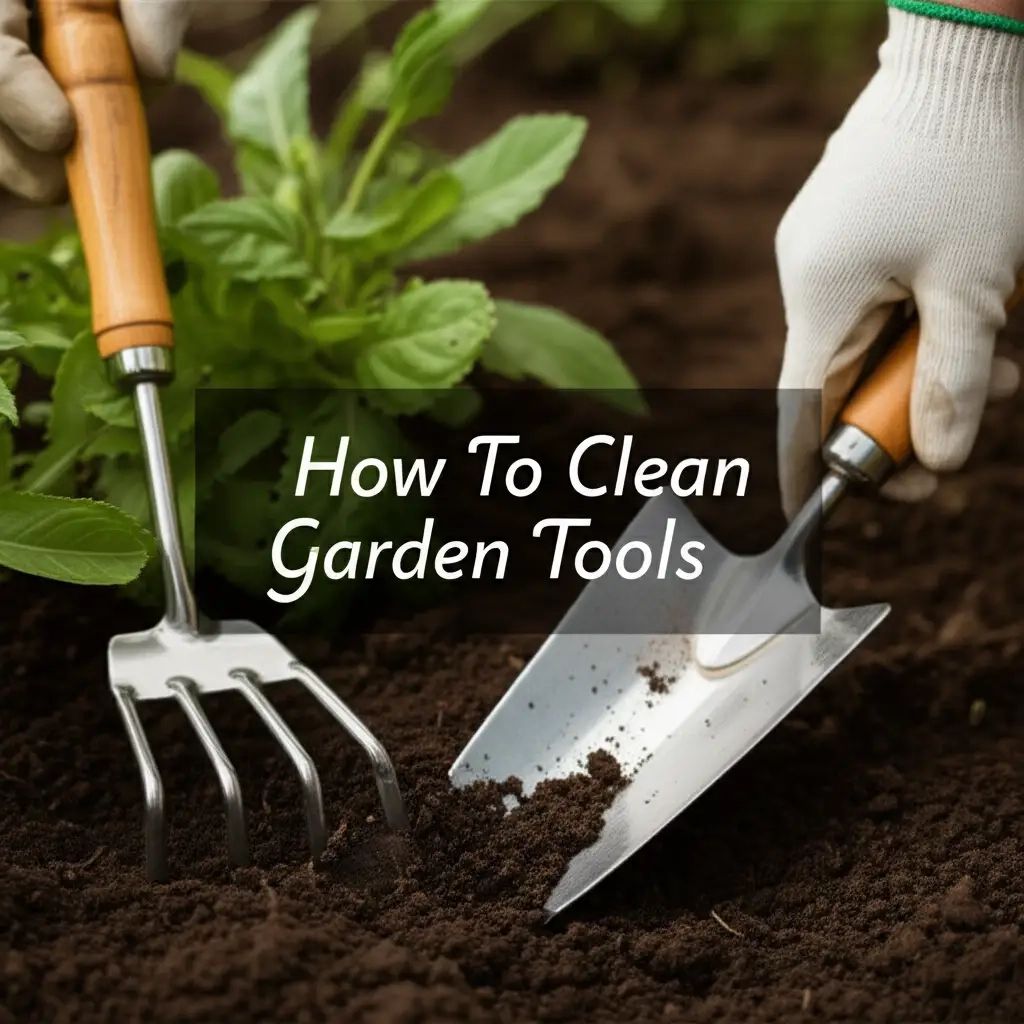
You don’t need to buy expensive aerators or specialized tools. Many household items work surprisingly well. A simple fork or garden hoe can do the job – just poke holes in the soil at regular intervals. For deeper aeration, try using a wooden dowel or even a sturdy pencil to create holes. The goal is to make channels for air to penetrate. Some gardeners swear by a simple screwdriver – it works great for small pots and containers. The most important thing is consistency. Don’t just do it once and forget about it. Regular maintenance makes a big difference in small spaces where soil quality matters more.
Natural Methods for Soil Loosening
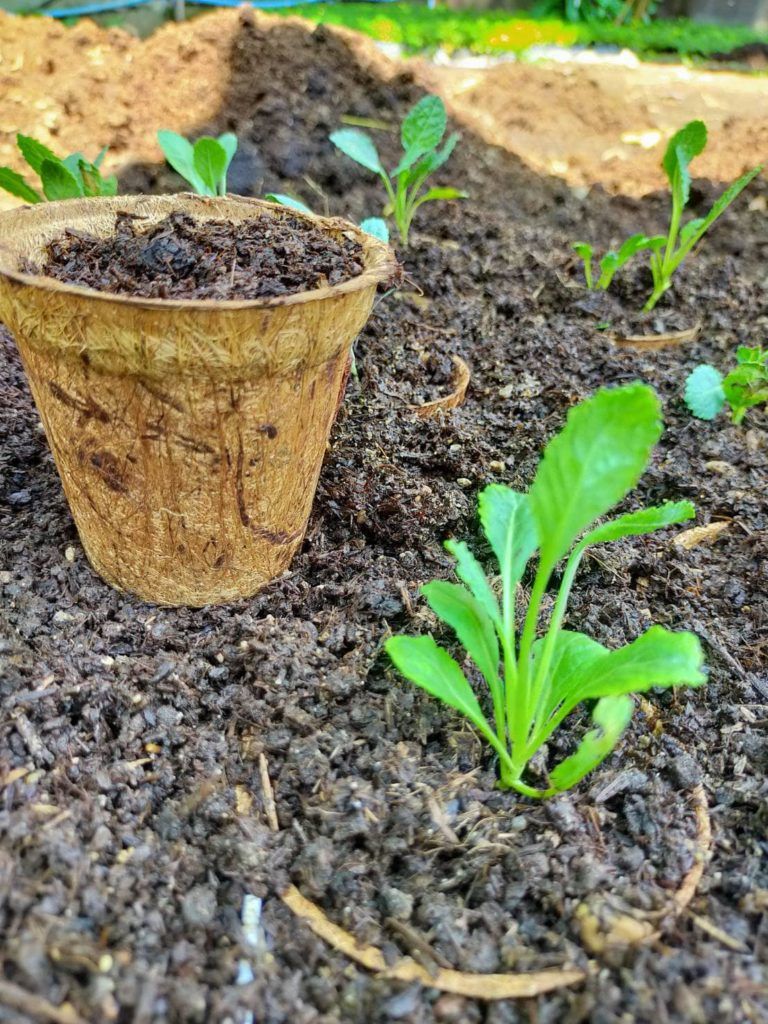
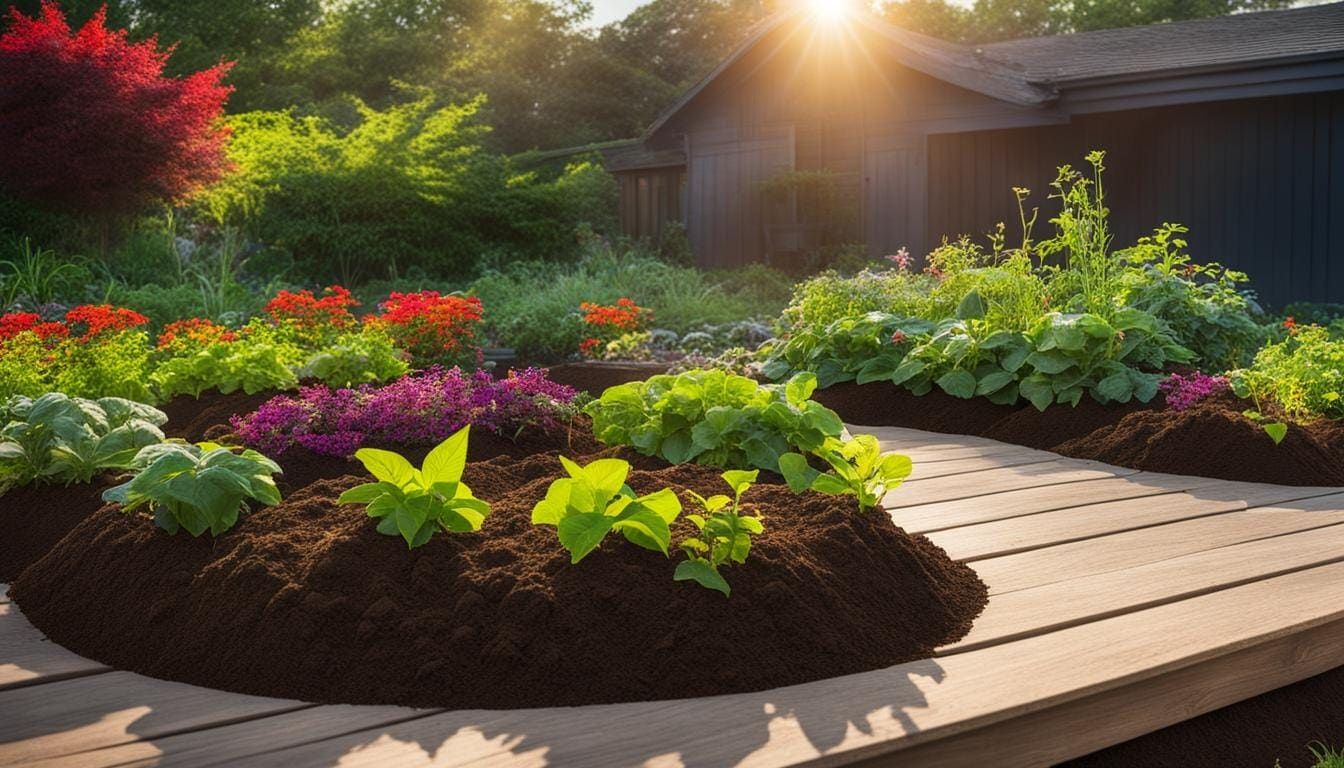
Sometimes the best tool is nature herself. Adding organic matter like compost, aged manure, or leaf mold helps break up dense soil naturally. These materials act like little sponges, improving soil structure while providing nutrients. Worms are incredible natural aerators – they tunnel through soil, leaving behind nutrient-rich castings. You can encourage them by adding organic matter and keeping soil slightly moist. Another approach is using a technique called "sheet mulching" – layering organic materials on top of soil to gradually improve its structure. This method works especially well in small raised beds where you can add materials without disturbing existing plants.
Water-Based Aeration Techniques
Water can be your ally in aeration efforts. When you water slowly and deeply, it helps break up compacted soil layers. The water penetrates and loosens particles, allowing air to re-enter. Try using a watering can with a fine rose or a hose with a gentle spray nozzle. Watering in the morning gives soil time to dry slightly before evening, preventing waterlogging. Another effective method is soaking containers in water for 10-15 minutes, then letting excess drain. This allows water to penetrate deep into soil and gently loosen it. The key is patience – quick bursts of water won’t do the trick.
Creative Solutions for Tiny Gardens
Small spaces often require creative thinking. Consider using mesh screens or fine netting to create aeration channels in container soils. Simply place a layer of coarse material at the bottom of pots, then fill with soil. This prevents compaction while maintaining drainage. Another idea is to use hollowed-out vegetables like zucchini or squash as planting containers – they naturally provide air pockets. For vertical gardening setups, consider using materials that promote airflow around roots, like perlite or vermiculite mixed into potting soil. These approaches help solve multiple problems at once – aeration, drainage, and soil health.
Maintaining Long-Term Soil Health
Aeration isn’t a one-time fix – it’s part of ongoing care. Regularly check soil texture and adjust methods accordingly. If soil feels hard, it needs more attention. Plan ahead for seasonal changes – soil compacts more during wet seasons and may need extra care. Rotate aeration methods to prevent soil from adapting to one approach. Consider setting reminders to aerate your small garden monthly, or whenever you notice plants looking stressed. Remember that healthy soil is the foundation of everything else in gardening. Investing time in proper aeration pays dividends in stronger plants, better yields, and fewer problems down the road.
Common Mistakes to Avoid
Many gardeners make the mistake of aerating too aggressively or too infrequently. Overdoing it can damage delicate root systems. Too little attention leads to persistent compaction issues. Some people assume all soil problems are due to lack of fertilizer, missing the real issue of poor aeration. Others try to aerate when soil is too wet, which can make compaction worse. Timing matters – early spring and fall are generally best times for aeration. Also, remember that different plants have different soil requirements. What works for tomatoes might not be ideal for herbs. Always consider the specific needs of your plants when planning aeration strategies.
Soil aeration in small spaces might seem like a daunting challenge, but it’s actually one of the most manageable aspects of gardening. With a few simple tools, some natural techniques, and a bit of patience, you can transform your compacted soil into a thriving environment for plants. The beauty of these DIY solutions is that they’re affordable, accessible, and sustainable. Whether you’re working with a tiny window box or a larger container garden, these methods will help ensure your plants have everything they need to flourish. Remember, healthy soil is the foundation of everything else in gardening. Take the time to invest in proper aeration, and watch how your plants respond with renewed vigor and vitality. It’s a simple change that makes a world of difference.