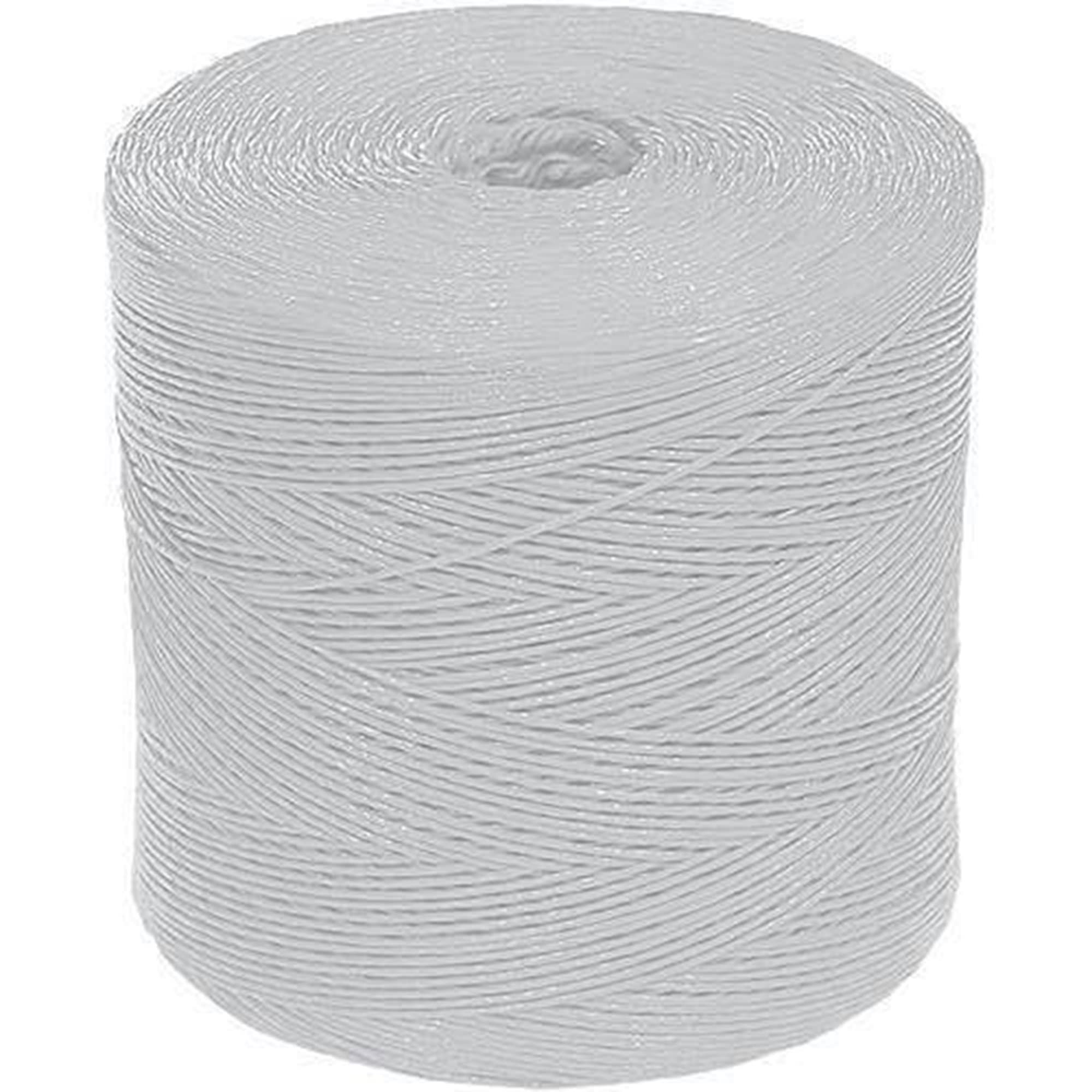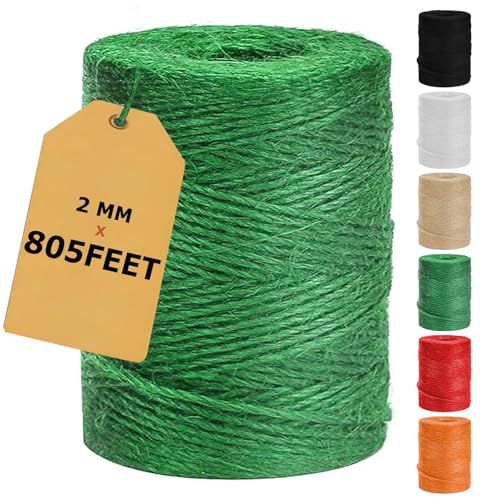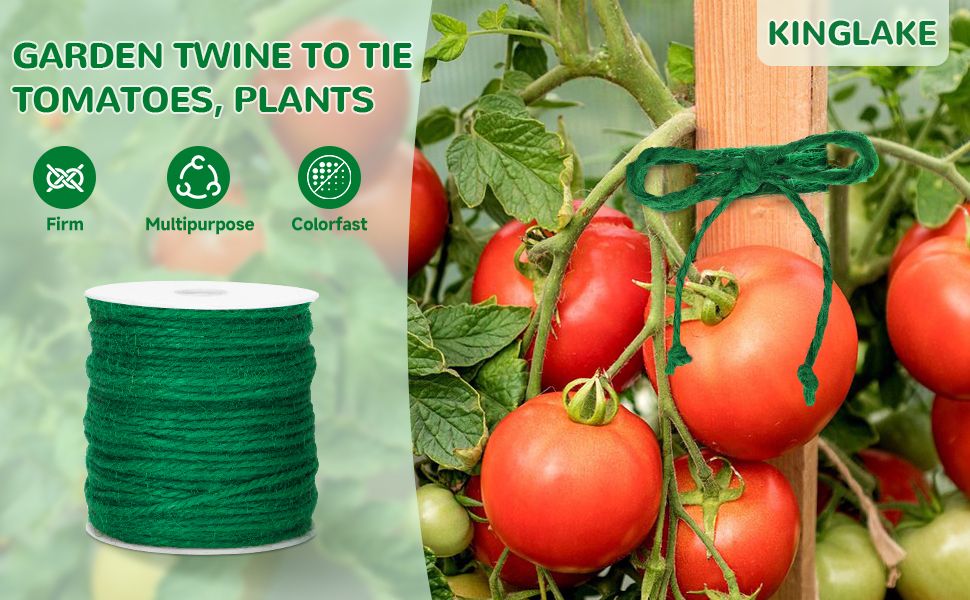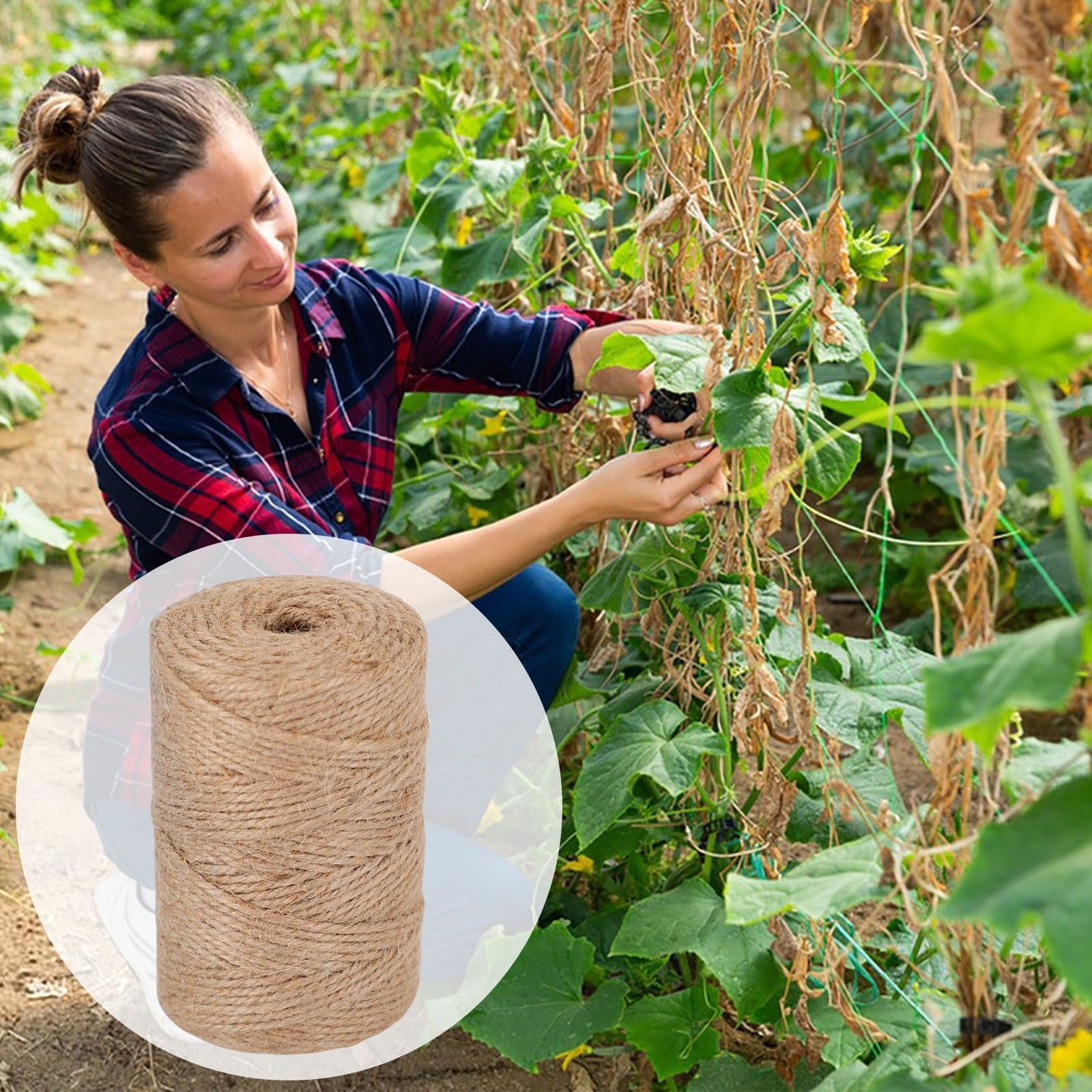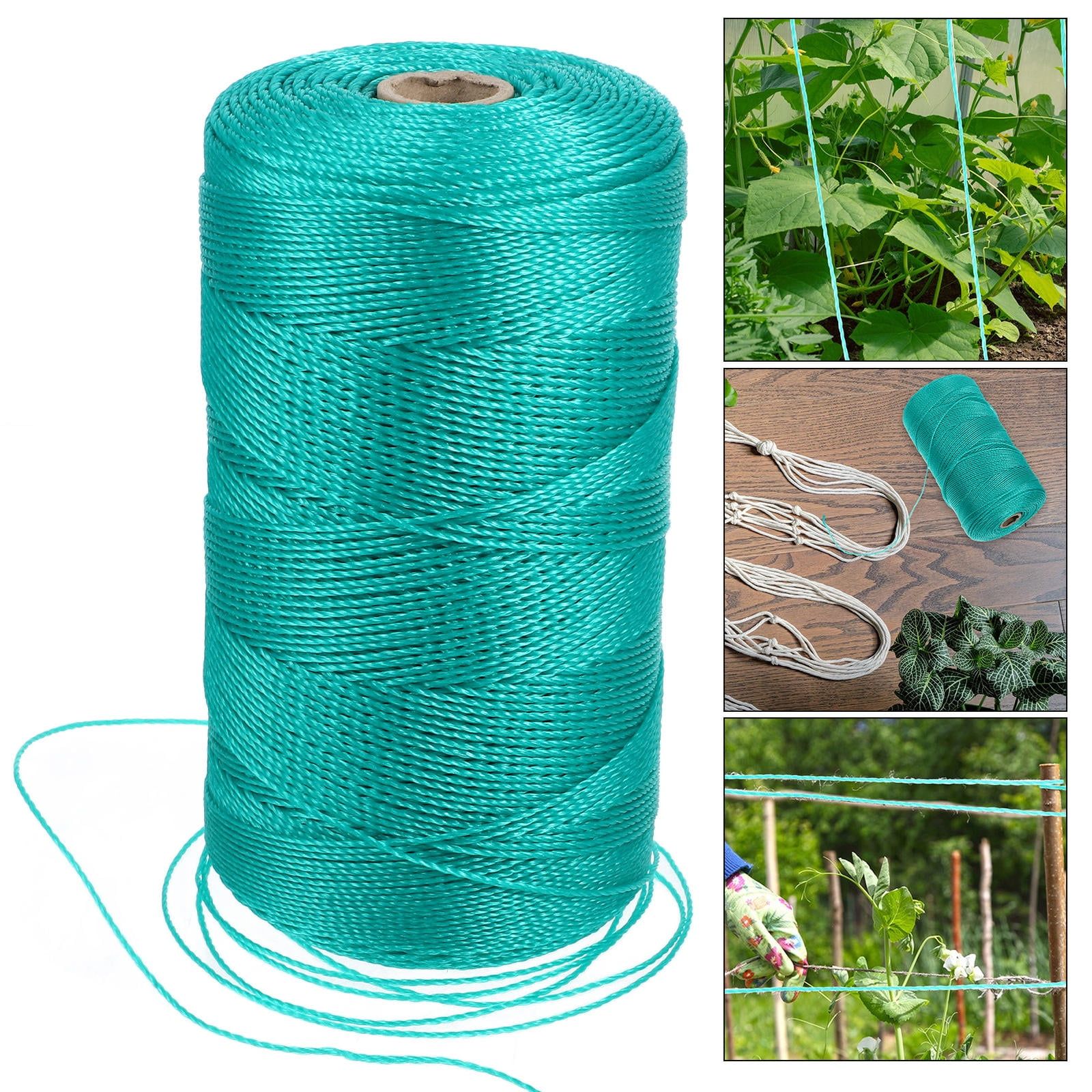
Picture this: You’re tending to your garden, carefully tying up tomato plants, securing flower stems, and managing your crops with traditional twine. But then you notice something – that twine isn’t going anywhere. It’s still there months later, adding to the waste pile. What if there was a better way? Enter compostable garden twine rolls, the unsung hero of sustainable gardening.
Gardening brings joy, sustenance, and connection to nature. Yet many gardeners overlook one small but significant detail that impacts their environmental footprint: the type of twine they use. Traditional garden twine, often made from synthetic materials like nylon or polyester, may seem convenient but creates long-term problems. These synthetic threads don’t biodegrade naturally and can persist in soil for decades. That’s where compostable garden twine rolls come in, offering an elegant solution that aligns with the growing movement toward sustainable gardening practices. Think of it as giving your garden a gift that keeps on giving – literally.
What Makes Garden Twine Compostable?
Compostable garden twine differs fundamentally from its synthetic counterparts. Instead of petroleum-based plastics, these twines are crafted from natural fibers like cotton, hemp, or even plant-based polymers. The key lies in their material composition and manufacturing process. For instance, cotton twine is made from natural fibers that break down naturally through microbial action. Hemp twine offers similar benefits with added strength and durability. Some innovative brands now use bio-based polymers derived from corn starch or other plant sources. The twist? These materials decompose within months rather than centuries, returning nutrients to the soil instead of polluting it. It’s a simple concept, but incredibly powerful when applied to everyday gardening tasks.
Benefits Beyond the Environment
Switching to compostable twine isn’t just about reducing waste – it’s about enhancing your entire gardening experience. First, there’s the health aspect. Synthetic twines can release microplastics into the soil over time, potentially affecting beneficial microorganisms and plant growth. Natural twine eliminates this concern entirely. Second, many gardeners find that natural fiber twine works better with certain plants. The gentler material doesn’t constrict stems as aggressively as synthetic alternatives, reducing damage to delicate plants. Third, consider the practical benefits. Compostable twine typically holds knots securely and resists breaking under normal garden conditions. Plus, when you’re done with your twine roll, you don’t have to hunt for a trash can or worry about landfill contributions. It simply becomes part of your compost pile, completing the cycle of nature.
Real-World Impact: Stories from Gardeners
Sarah, a longtime organic gardener from Portland, Oregon, discovered compostable twine after noticing her synthetic twine wasn’t decomposing as expected. "I had several containers of old twine sitting in my garage," she recalls. "After switching to cotton twine, I realized I could add the used twine directly to my compost bin." Her soil quality improved noticeably over two growing seasons. Meanwhile, urban gardener Marcus in Chicago found that his hemp twine lasted longer than expected. "I was skeptical about the strength," he admits, "but it held up perfectly for my tomato cages and bean poles. Now I never go back to synthetic twine." These aren’t isolated stories. Community gardens across the country report similar experiences, with many gardeners noting reduced waste and improved soil health.
How to Choose the Right Compostable Twine
Not all compostable twines are created equal. When shopping for garden twine, look for certifications like the Biodegradable Products Institute (BPI) label or the ASTM D6400 standard. These indicate the product meets rigorous decomposition criteria. Consider the thickness and strength needed for your specific applications. For delicate flowers, thinner twine works well. Heavier-duty twine suits tomato cages or large plants. Check if the twine is bleached or dyed – natural colors are usually better for composting. Also, verify that the packaging is recyclable or made from sustainable materials. Many companies now offer twine in minimal packaging or bulk options to reduce overall waste. Reading reviews from other gardeners can also provide insight into performance and quality.
Common Misconceptions About Compostable Twine
Despite growing awareness, several myths persist about compostable garden twine. One common misconception is that these twines won’t hold up under pressure. This couldn’t be further from the truth – modern compostable twines are engineered for strength and durability. Another myth suggests they’re too expensive compared to regular twine. While initial costs might be slightly higher, consider the long-term savings from reduced waste disposal and potential soil improvements. Some gardeners worry about decomposition timing – but most compostable twines break down within 90 days under proper composting conditions. There’s also the idea that they’re only suitable for organic gardens, but they work perfectly fine in conventional gardening too. These misconceptions often stem from lack of information rather than actual limitations.
Making the Transition Smoothly
Transitioning to compostable twine doesn’t require a complete overhaul of your gardening routine. Start small – perhaps replace one or two twine rolls per season with compostable versions. This allows you to test performance and see results without major commitment. Many gardeners find success by purchasing twine in bulk during sales or seasonal promotions. Store them properly in dry conditions to prevent premature degradation. Consider keeping both types available – synthetic twine for immediate emergency repairs and compostable twine for planned gardening tasks. Some gardeners even start a small compost pile specifically for their garden twine, ensuring proper decomposition. The key is gradual adoption rather than dramatic change. You’ll notice improvements in soil quality, reduced waste, and often better plant health over time.
The shift to compostable garden twine rolls represents more than just a simple substitution – it’s a step toward a more sustainable future for our gardens and our planet. Whether you’re a seasoned gardener or just starting out, this small change can yield significant benefits. From reducing waste to improving soil health, the advantages extend far beyond the simple act of tying plants together. As more gardeners make this transition, we collectively move closer to a model of gardening that works harmoniously with nature rather than against it. So next time you’re preparing to tie up your plants, consider choosing compostable twine. It’s a small choice with a big impact, one that reflects your commitment to nurturing both your garden and the environment. The earth will thank you, and your plants will thrive.