Imagine a lush, green lawn that doesn’t require toxic fertilizers or dangerous pesticides. What if you could achieve that while protecting your family, pets, and the environment? This isn’t just a dream anymore. Natural lawn care methods are proving that you don’t need chemicals to have a beautiful yard. Let’s explore how simple changes can make a big difference.
Most of us grew up thinking that a perfect lawn meant using chemical fertilizers and pesticides. But what if we told you that a healthier approach exists? The truth is, our lawns don’t need those harsh substances to thrive. In fact, they often suffer more from chemical treatments than they do from natural challenges. Think about it – when was the last time you saw a thriving lawn that had been treated with heavy chemicals? Often, those lawns look stressed or patchy. That’s because chemicals can damage soil health over time, kill beneficial insects, and even pose risks to our families and pets. The good news? There are better ways to keep your grass looking great. We’re going to walk through practical methods that work, backed by science and real-world experience. These aren’t just theories – they’re tried-and-true approaches that gardeners across the country have successfully used to create beautiful, chemical-free lawns.
Understanding the Problem with Chemical Lawn Care
Chemical lawn care products might seem like magic solutions, but they come with hidden costs. When you spray your lawn with synthetic fertilizers, you’re essentially giving your grass a quick fix that can backfire. These products often cause rapid growth that makes grass more susceptible to disease and pests. Think about it – when you feed your body processed foods all the time, you don’t feel great either. Same principle applies to your lawn. The chemicals may make grass grow quickly, but they don’t build lasting strength. Many homeowners notice that their lawns become more dependent on these treatments each year. It’s like building a house on quicksand – you keep needing more support to stay stable. Additionally, these products can seep into groundwater, affecting local water supplies. They also kill beneficial insects like bees and butterflies that are essential for pollination. Even worse, some chemicals can be harmful to children and pets who play on the lawn. The irony is that the very products meant to protect our lawns might actually harm the ecosystem around them. It’s a cycle that keeps getting worse rather than better. You might see results initially, but the long-term effects can be quite damaging to both your lawn and the environment.
Building Healthy Soil Through Natural Methods
The secret to a thriving lawn lies beneath the surface. Healthy soil is the foundation of any great lawn, and it needs nurturing rather than treating with chemicals. Composting is one of the most powerful tools in your natural lawn care arsenal. By turning kitchen scraps and yard waste into rich, dark compost, you’re creating a natural fertilizer that feeds your soil slowly and steadily. Consider starting a compost pile in a corner of your yard – it’s surprisingly easy and rewarding. Adding organic matter like aged manure or leaf mold helps improve soil structure. This creates better water retention and allows roots to penetrate deeper. You might wonder why this matters so much. Well, think of soil like a sponge. When it’s healthy and full of organic material, it holds moisture better and provides nutrients naturally. This means less watering and fewer problems with drought stress. Natural soil amendments also encourage beneficial microorganisms that help plants fight off diseases. These tiny organisms work like nature’s immune system for your lawn. Some gardeners swear by adding mycorrhizal fungi to their soil – these helpful microbes form partnerships with plant roots and dramatically improve nutrient uptake. It’s almost like giving your lawn a personal nutritionist that works 24/7.
Smart Watering Techniques for Natural Lawn Care
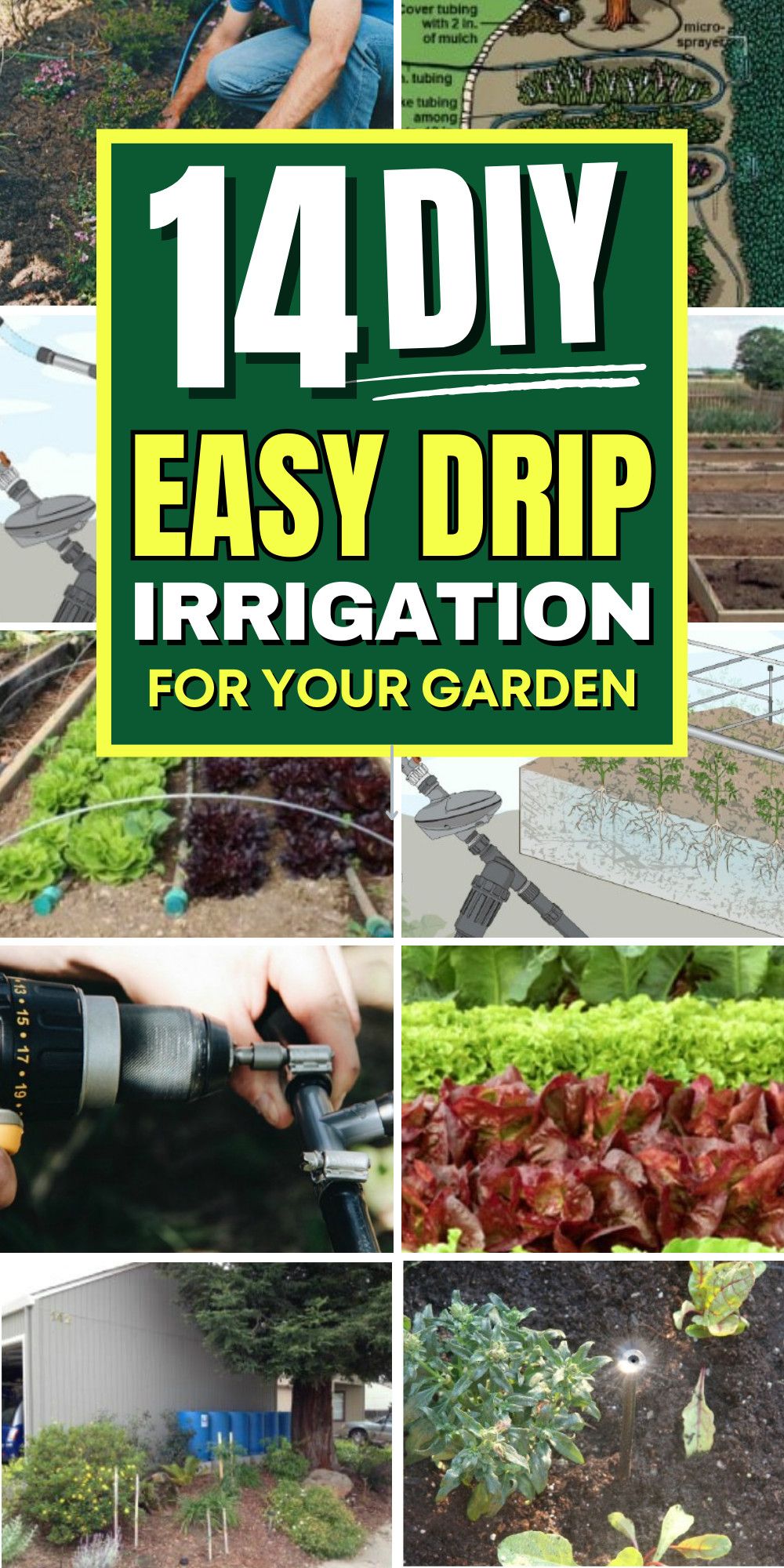
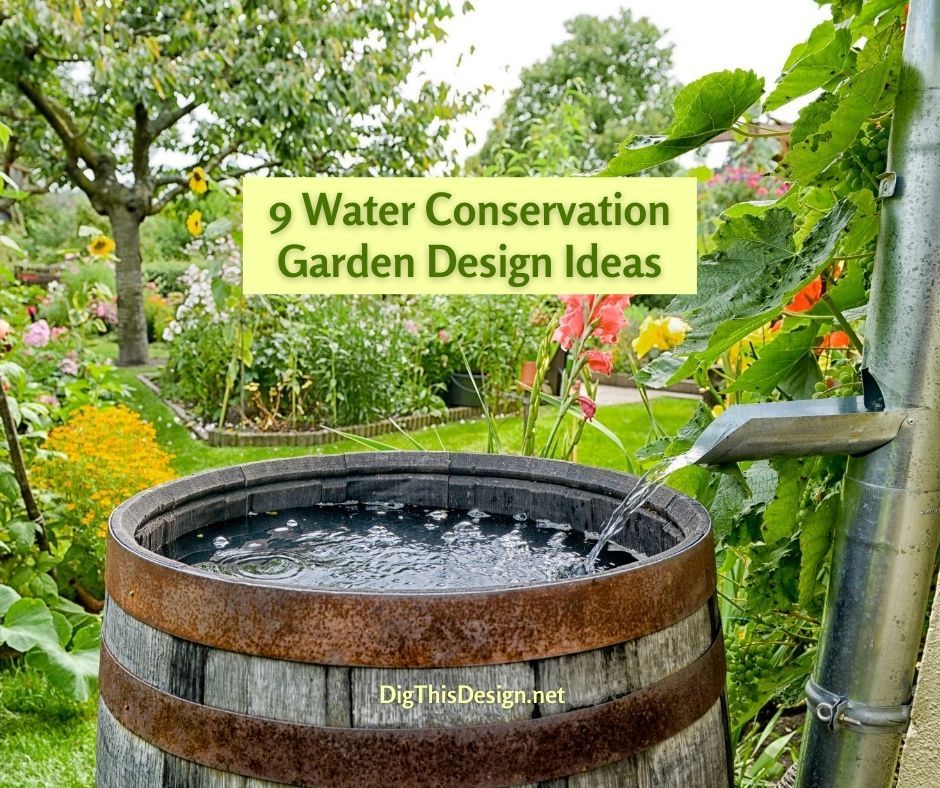
Watering your lawn properly is just as important as choosing the right grass type. Most people water too frequently and not deeply enough. Deep, infrequent watering encourages roots to grow downward, making your lawn more drought-resistant. Try to water once or twice per week rather than daily. This might sound counterintuitive, but it’s actually more efficient. The key is to water slowly so that the water penetrates deep into the soil. You want to reach about six inches down, not just the surface. Consider installing a simple timer on your sprinkler system to avoid overwatering. Too much water is just as bad as too little. It can wash away nutrients, promote fungal diseases, and even lead to standing water that attracts mosquitoes. Mulching grass clippings after mowing is another excellent technique. These clippings decompose and return valuable nutrients to the soil while providing natural shade for the roots. You might be surprised at how much water your lawn actually needs. Many lawns in dry climates can survive on rainfall alone with proper preparation. The goal is to create a lawn that can handle natural weather variations without constant intervention.
Choosing the Right Grass Types for Your Climate
Not every grass thrives in every location. Choosing the right variety for your specific climate and conditions can save you tons of time and effort. For example, Bermuda grass is excellent for hot, sunny areas but requires frequent mowing. On the other hand, fescue grass does well in cooler climates and needs less maintenance. Native grasses are often the best choice because they’ve adapted to local conditions over thousands of years. They typically need less water, fertilizer, and pest control than non-native varieties. Some homeowners are discovering that putting down a mix of different grass types creates a more resilient lawn. This approach mimics nature’s diversity and helps prevent widespread problems. You might also consider reducing the amount of lawn area overall. Instead of covering everything with grass, try incorporating more ground covers or native plants. These alternatives often require far less care while providing habitat for beneficial wildlife. The key is matching your grass selection to your local weather patterns, soil type, and intended use. What works perfectly in Texas might not work at all in Minnesota. Researching your specific region’s recommendations is crucial for success. Many extension offices offer excellent resources for selecting appropriate grass types. Don’t overlook the possibility that your current grass might not be the best fit for your situation.
Natural Pest Control Strategies
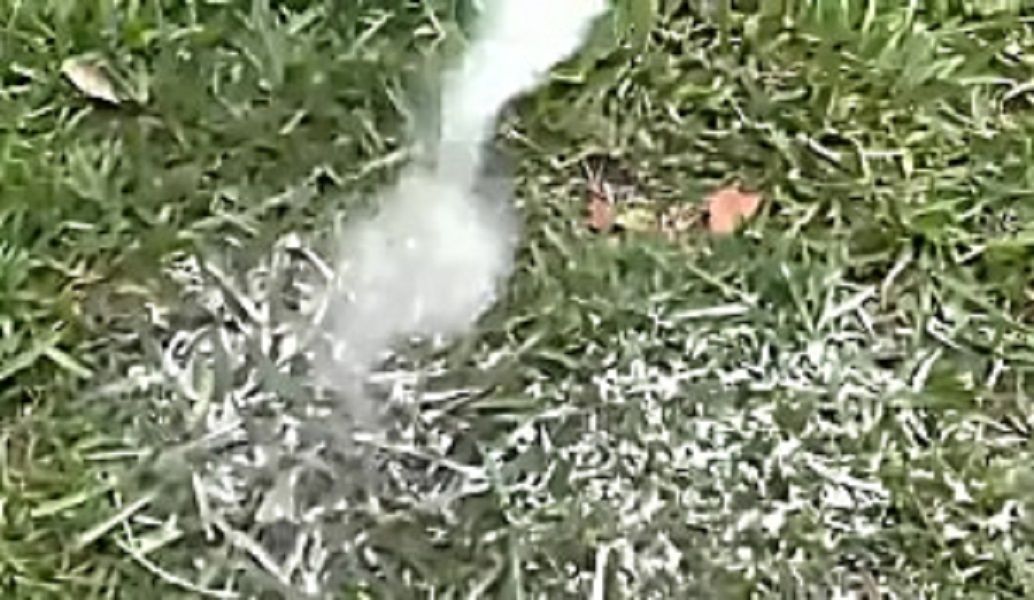
Instead of reaching for chemical pesticides, try working with nature to solve pest problems. Many insects that seem like pests are actually beneficial when they’re not overpopulated. Ladybugs, for instance, eat aphids that damage plants. The key is encouraging biodiversity in your landscape. Planting flowers that attract beneficial insects creates a natural balance. Marigolds, lavender, and sunflowers are excellent choices. You can also create habitats for birds that feed on insects. Bird houses and birdbaths encourage these natural pest controllers to hang around. For situations where you do need to address pests, there are several natural alternatives. Neem oil is effective against many common lawn pests and breaks down naturally within a few days. Diatomaceous earth works well for controlling ants and other crawling insects. It’s made from fossilized algae and is safe for pets and children. Hand-picking larger pests like grubs or caterpillars can be surprisingly effective. Sometimes, a little bit of old-fashioned attention and care beats expensive chemical solutions. The most important thing is to identify the problem early before it becomes serious. Regular inspection of your lawn can catch issues before they spread. Many problems that look like pest damage might actually be signs of improper watering or soil conditions. Take time to observe what’s really happening in your yard rather than jumping to conclusions about pests.
Organic Fertilizing Alternatives
Natural fertilizers work differently than chemical ones, but they’re often more effective long-term. Instead of giving your lawn a quick boost, organic options provide steady nutrition over time. Fish emulsion and seaweed extracts are popular choices that feed soil organisms as well as plants. These products break down slowly and provide a continuous supply of nutrients. Compost tea is another excellent option – it’s liquid compost that delivers beneficial microbes directly to plant roots. Some gardeners swear by coffee grounds and eggshells as quick fixes for nitrogen and calcium needs. These kitchen scraps are readily available and cost nothing. You might also try using natural mulches like wood chips or straw around your lawn edges. These materials gradually decompose and add organic matter to the soil. One common mistake is applying too much fertilizer, whether natural or chemical. Less is often more when it comes to feeding your lawn. Over-fertilization can actually harm your grass and create environmental problems. The best approach is to test your soil first to determine exactly what nutrients it needs. This prevents wasting money on unnecessary applications and protects waterways from nutrient runoff. Many organic fertilizer companies now offer slow-release options that work similarly to chemical fertilizers but without the negative side effects. The key is consistency rather than intensity in your feeding program.
Practical Tips for Getting Started
Transitioning to natural lawn care doesn’t have to be overwhelming. Start small and build up gradually. Begin by changing just one aspect of your routine – maybe switch to compost-based fertilizers or adjust your watering schedule. This approach lets you learn what works best for your specific situation. Many successful gardeners start by simply reducing the frequency of chemical treatments rather than eliminating them entirely. It’s a gradual process that gives your lawn time to adapt. Keeping detailed notes about what works and what doesn’t is incredibly helpful. Record your watering schedules, application dates, and observations about grass health. This information becomes invaluable for future reference. You might also consider joining local gardening groups or online communities. These connections provide support and practical advice from others who’ve made similar transitions. Don’t expect immediate results – natural lawn care takes patience. It might take a season or two to see dramatic improvements. The investment in time and effort pays off in a healthier lawn and environment. Remember that even small changes make a difference. Every time you choose a natural alternative over a chemical one, you’re making a positive impact. The journey toward a chemical-free lawn is one of experimentation and learning, not perfection.
The path to a chemical-free lawn isn’t just about avoiding harmful substances – it’s about creating a sustainable relationship with the land around us. By focusing on soil health, smart watering, and natural pest management, you’re investing in a future where your lawn can thrive without artificial crutches. These methods might require a bit more thought and planning, but they reward you with a healthier environment and a more beautiful landscape. The transition takes time, but every step you take toward natural lawn care is a victory worth celebrating. Whether you’re starting from scratch or trying to reduce chemical use gradually, remember that your efforts matter. Your lawn will thank you, your family will appreciate the safer environment, and the planet will benefit from reduced chemical runoff. This isn’t just about having a pretty yard – it’s about making choices that support long-term ecological health. So why wait? Start implementing these natural strategies today, and watch your lawn transform into something truly special.