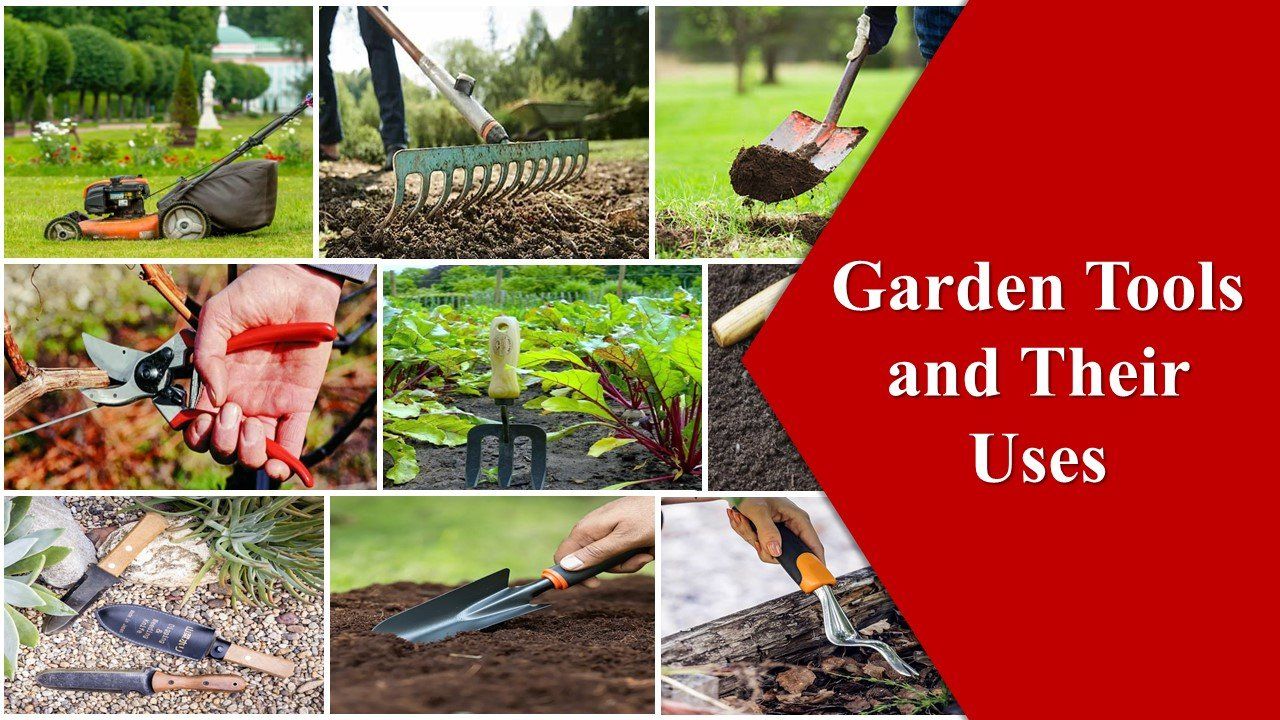
When it comes to maintaining your garden, having the right tools makes all the difference. Garden rakes have been essential for centuries, helping us tidy up soil, remove debris, and prepare our plots for planting. Today, we’re looking at a modern twist on this classic tool – the recycled plastic garden rake. These eco-friendly alternatives are gaining popularity among gardeners who want to do their part for the environment while still getting quality results. But with so many options available, how do you choose the right one for your specific needs? Let’s explore the factors that matter most when selecting a recycled plastic garden rake.
Garden rakes have been the faithful companions of gardeners for generations. They’re simple tools that perform vital functions in keeping our outdoor spaces neat and healthy. However, as environmental consciousness grows, many gardeners are turning to recycled materials for their tools. Recycled plastic garden rakes represent a smart choice for those wanting to reduce waste while maintaining their gardening routine. These rakes offer several advantages over traditional metal or wooden alternatives. But before you head to the store or click online, understanding what makes a good recycled plastic rake can save you time, money, and frustration. Let’s dive into the essential considerations that will help you make the best decision for your garden.
Understanding Recycled Plastic Rake Materials
The foundation of any quality recycled plastic rake lies in its material composition. Modern recycled plastic rakes typically use high-density polyethylene (HDPE) or similar durable plastics. These materials offer excellent strength-to-weight ratios, making them ideal for garden applications. HDPE is particularly favored because it resists weathering, UV damage, and moisture better than many alternatives. When examining a recycled plastic rake, look for products made from post-consumer recycled materials rather than post-industrial waste. The former often provides better quality and consistency. Some manufacturers blend recycled plastic with virgin materials to enhance durability. This hybrid approach can offer the environmental benefits of recycling while ensuring longevity. Check if the manufacturer discloses their sourcing practices. Good companies will be transparent about whether they use 100% recycled content or a combination of recycled and new materials. Quality varies significantly between brands, so researching the manufacturer’s reputation can provide valuable insight. Consider asking about certifications like ISO standards or environmental labels that verify the quality and sustainability claims.
Durability and Longevity Factors
One of the biggest concerns with plastic tools is their lifespan. However, well-made recycled plastic rakes can last for years with proper care. The key factors affecting durability include wall thickness, reinforcement points, and overall design. Thicker plastic generally means greater strength and resistance to breaking under stress. Look for rakes with reinforced handles and junction points where the tines meet the handle. These areas experience the most wear and tear during use. The tine spacing matters too – too close together can cause clogging, while too far apart may miss debris. Many quality recycled rakes feature tines that are slightly curved to improve soil engagement. This design helps prevent the rake from bouncing off the ground and ensures consistent performance. Consider the expected usage frequency when evaluating durability. A rake used daily will face different stress levels than one used seasonally. Check warranty terms offered by manufacturers, as this often reflects confidence in product longevity. Some companies offer lifetime guarantees on their recycled plastic rakes, which speaks to their belief in quality construction. Weather resistance also plays a role in longevity, especially in regions with extreme temperature fluctuations. High-quality recycled plastic rakes maintain their structural integrity across various conditions without becoming brittle or cracking.
Handle Design and Ergonomics
The handle is where you’ll spend most of your time interacting with your rake. Comfort and grip are crucial for preventing fatigue during extended use. Recycled plastic rakes come with various handle designs, each offering different advantages. Traditional straight handles work well for general yard work, while curved handles can reduce strain on wrists and arms. The handle length affects both reach and leverage. Longer handles provide better reach for larger areas but may feel unwieldy for detailed work. Shorter handles offer more control for precision tasks. Many gardeners prefer handles with textured grips or rubberized sections for better hold. These features become especially important when working with wet soil or after sweating during long sessions. Consider whether the handle is adjustable, as this flexibility can accommodate different users or changing garden needs. Some rakes feature ergonomic shapes designed to match natural hand positioning. This reduces the risk of repetitive strain injuries that can develop from improper handling. The handle connection method also matters – some use mechanical fasteners while others feature molded connections. The latter tend to be more durable and less prone to loosening over time. Weight distribution throughout the rake affects handling ease, so a well-balanced tool feels more natural in your hands.
Tine Configuration and Performance
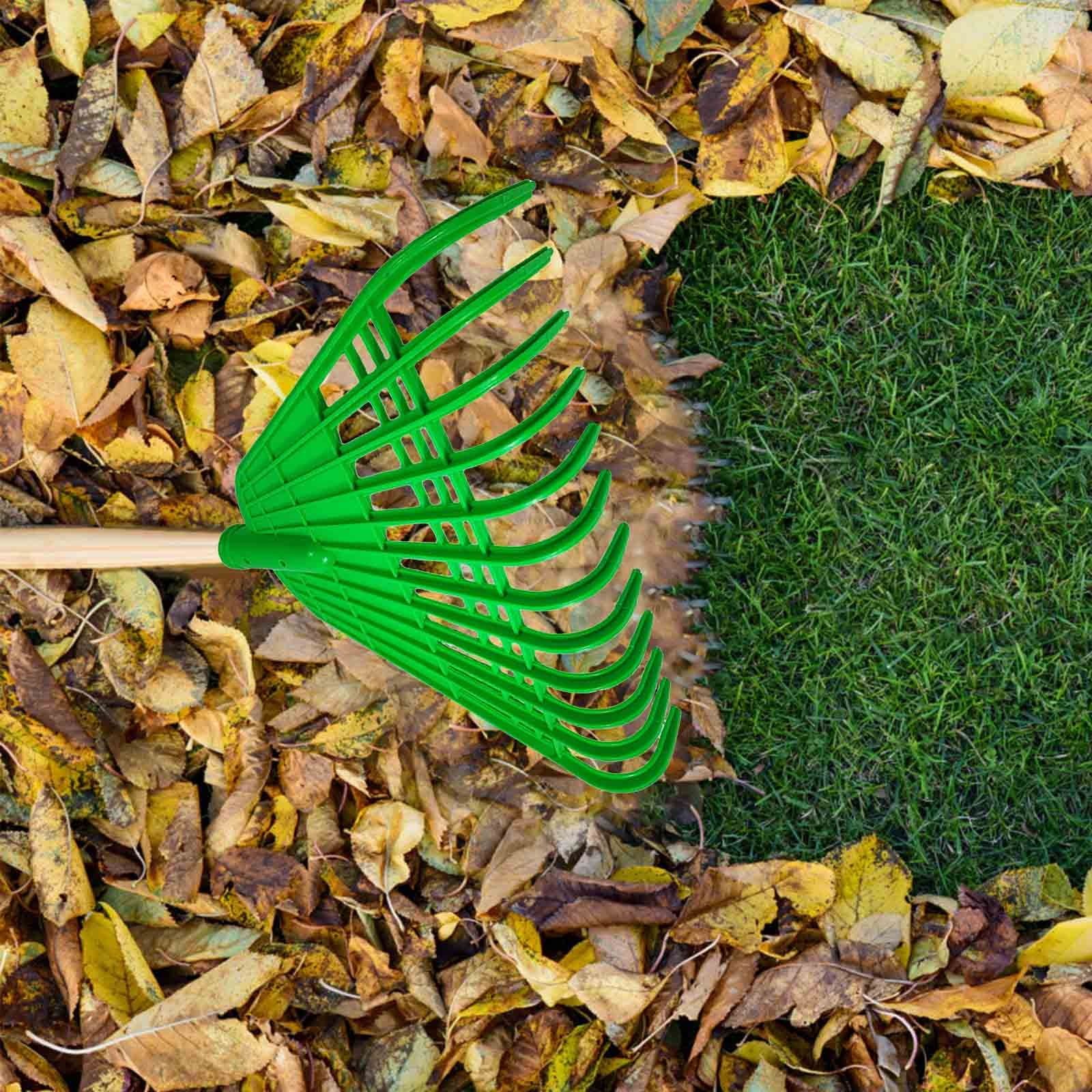
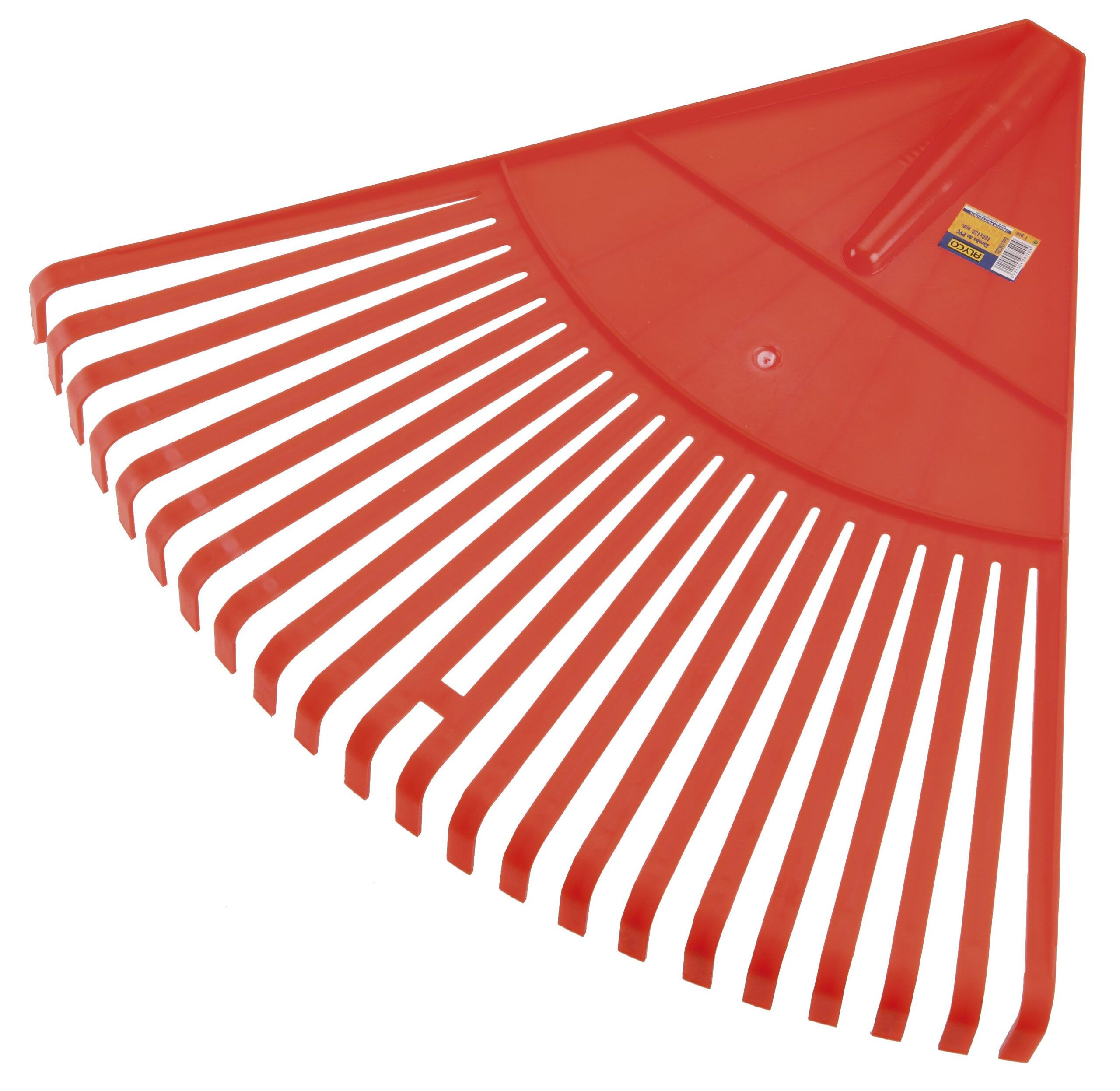
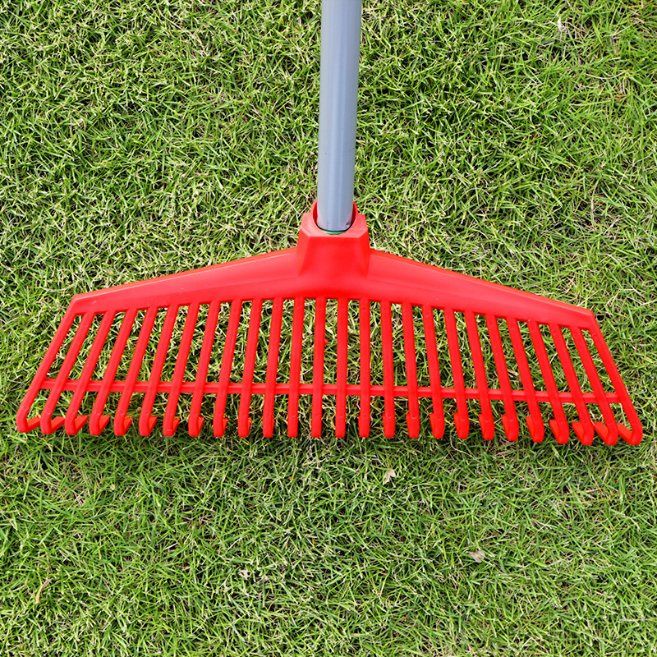
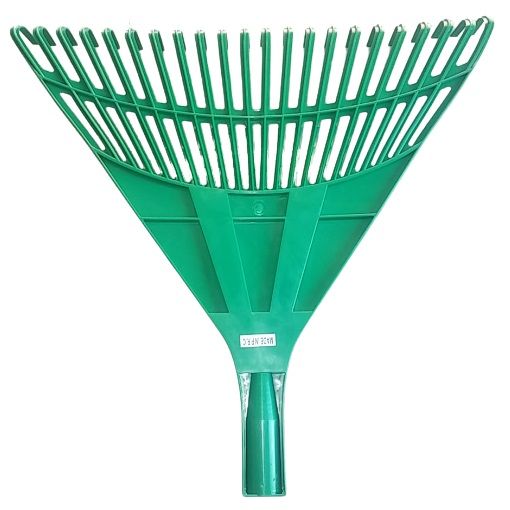
The tines are what actually do the work in a rake, so their configuration directly impacts performance. Different tine arrangements serve specific purposes in various garden tasks. Standard tines are good for general soil preparation and debris removal. Wider spacing allows for efficient clearing of larger materials without getting clogged. Narrower spacing works better for fine grading and preparing seedbeds. Curved tines provide better soil penetration and can help break up compacted areas more effectively. Some rakes feature tines of varying heights to create different textures in the soil surface. This variation helps with mixing organic matter and achieving uniform soil conditions. The tine material itself matters – high-quality recycled plastic tines should be thick enough to resist bending or breaking. Look for tines that are securely attached and won’t easily detach during use. Some premium models incorporate flexible tines that can bend slightly to navigate uneven terrain. This flexibility prevents damage to both the tool and the ground surface. The angle of the tines affects how they interact with soil. Steeper angles work better for cutting through tough material, while shallower angles are gentler on delicate surfaces. Consider the intended use when evaluating tine configuration – a rake designed for heavy-duty clearing will differ from one meant for light maintenance work.
Environmental Impact and Sustainability Benefits
Choosing recycled plastic rakes represents a conscious effort toward environmental responsibility. These tools help divert waste from landfills and reduce demand for virgin plastic production. Every recycled plastic rake contributes to reducing plastic pollution in our environment. Manufacturing recycled plastic tools typically requires less energy than producing new plastic materials. This energy savings translates to reduced carbon emissions and a smaller environmental footprint. The production process for recycled plastic rakes also avoids the petroleum extraction required for virgin plastic manufacturing. Many recycled rakes are designed to be fully recyclable at end-of-life, creating a circular economy model. This approach helps minimize waste and supports sustainable manufacturing practices. Some manufacturers go further by using bio-based additives or incorporating renewable energy in their production processes. These additional sustainability measures amplify the environmental benefits. The longevity of well-made recycled plastic rakes extends their positive impact over time. Instead of replacing tools every few seasons, a quality rake can serve multiple gardeners and decades. This reduction in replacement frequency significantly decreases overall consumption. Some gardeners find satisfaction in knowing their tools contribute to a more sustainable future. The psychological benefit of making environmentally conscious choices can enhance the gardening experience itself.
Cost Considerations and Value Assessment
Price shouldn’t be the sole determining factor, but it’s certainly an important consideration when choosing any tool. Recycled plastic rakes typically cost more upfront than basic plastic alternatives, but this investment often pays off in longevity. Compare prices across different brands and retailers to get a sense of market pricing. Higher-priced rakes often reflect better materials, construction, and warranties. However, budget-friendly options can still provide adequate performance for casual gardeners. Look for sales or seasonal discounts, as these can make premium rakes more accessible. Consider the total cost of ownership over time, including potential replacement costs. A higher initial investment in a quality rake might save money in the long run. Some manufacturers offer repair services or replacement parts, extending tool life even further. Check if the rake comes with any included accessories or attachments that add value. Multi-purpose rakes that can handle various tasks may justify a higher price point. Evaluate whether the features align with your actual gardening needs. You might pay extra for capabilities you’ll never use. Consider purchasing from local garden centers or online retailers that offer return policies. This gives you a chance to test the rake before committing fully to it. Some gardeners find it helpful to buy one rake for general use and another specialized one for specific tasks, rather than spending heavily on a single multi-functional tool.
Selecting the right recycled plastic garden rake involves balancing several important factors. Material quality, durability, ergonomic design, tine configuration, environmental impact, and cost all play roles in determining the best choice for your specific needs. The key is matching these characteristics to your gardening style and requirements. A well-chosen rake can transform your gardening experience, making tasks easier and more enjoyable. Remember that investing in quality tools often leads to better results and longer-lasting satisfaction. Take time to research different options, read reviews, and consider your specific garden challenges. Whether you’re tackling large areas or focusing on precise maintenance work, there’s a recycled plastic rake designed for your situation. The growing availability of these environmentally friendly tools shows the industry’s commitment to sustainability. As more gardeners embrace recycled plastic options, we’re seeing improvements in quality and variety. Your choice to select a recycled plastic rake isn’t just about your garden – it’s about contributing to a healthier planet. With proper selection and care, these tools can serve you well for many seasons to come. The right rake can make all the difference in maintaining a thriving garden space while supporting environmental stewardship.