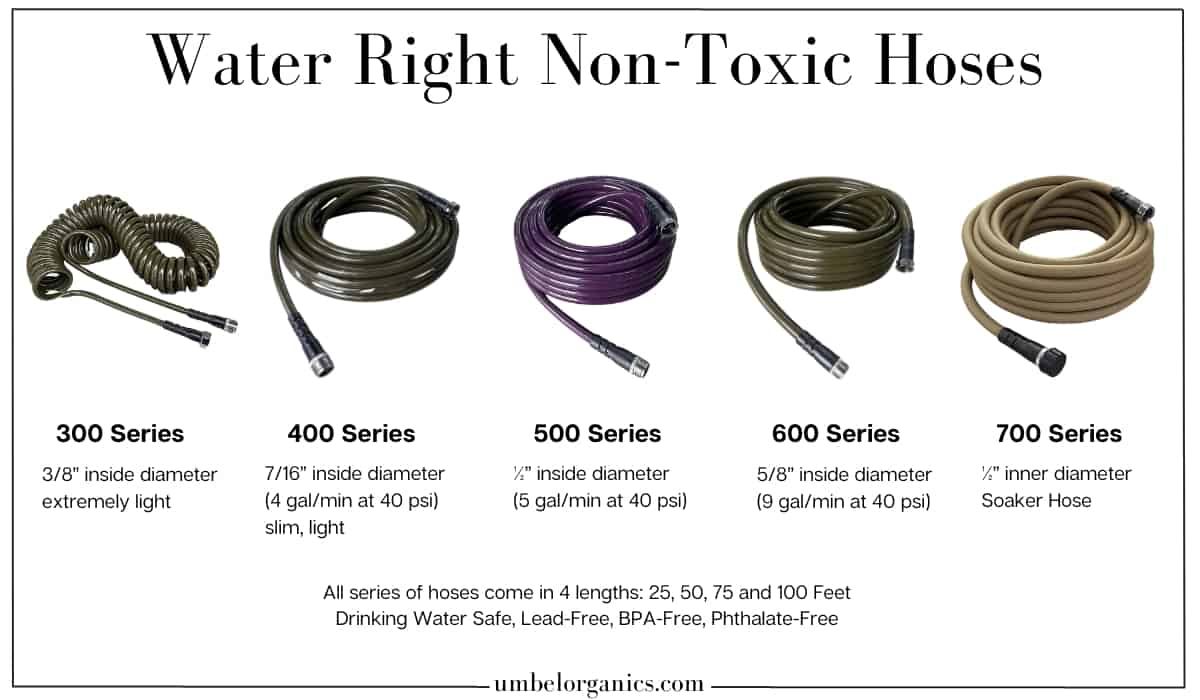
Every gardener knows the importance of clean water for healthy plants. But have you ever thought about what’s actually flowing through your garden hose? As we head into 2025, the conversation around garden hose safety has become more important than ever. What’s in your hose, really? Is it safe for your family, pets, and the environment? These aren’t just academic questions – they’re practical concerns that affect every backyard enthusiast.
When you turn on your garden hose, you’re probably thinking about watering your plants, maybe filling a pool or washing your car. But what about the invisible stuff flowing through those plastic tubes? The materials used in garden hoses matter more than most people realize. In 2025, we’ve seen growing awareness about chemicals that can leach from hoses into water, especially when exposed to heat or left standing for long periods. This isn’t just about plant health – it’s about protecting your family’s wellbeing too. What started as simple garden equipment has become a complex web of material science, health concerns, and environmental responsibility.
The Hidden Dangers in Traditional Garden Hoses
Most garden hoses made before 2020 contained materials that could pose serious health risks. Phthalates, lead, and other synthetic chemicals were common ingredients in rubber and plastic construction. These substances don’t just stay in the hose – they can migrate into the water itself. Think about it: you’re using this water to irrigate vegetables, fruits, and herbs that will eventually end up on your dinner table. That’s a lot of potential chemical exposure right there.
Traditional hoses often included:
• Lead in connectors and joints
• Phthalates as softeners in vinyl
• Heavy metals in coloring agents
• Synthetic rubber compounds that break down over time
These materials aren’t just bad for your health – they’re also harmful to the environment. When hoses degrade, these chemicals can contaminate soil and groundwater. It’s like having a slow poison running through your garden. The problem becomes even worse when hoses are left in direct sunlight or exposed to high temperatures, which accelerates chemical breakdown.
What Makes a Hose Truly Non-Toxic in 2025
In 2025, the definition of a truly non-toxic garden hose has evolved significantly. Today’s safer options avoid several key problematic ingredients. The first thing to look for is BPA-free materials. Bisphenol A might sound like a chemistry term, but it’s actually a hormone disruptor that can cause serious health problems. When choosing a new hose, make sure it explicitly states it’s BPA-free.
Other important features include:
• PVC-free construction
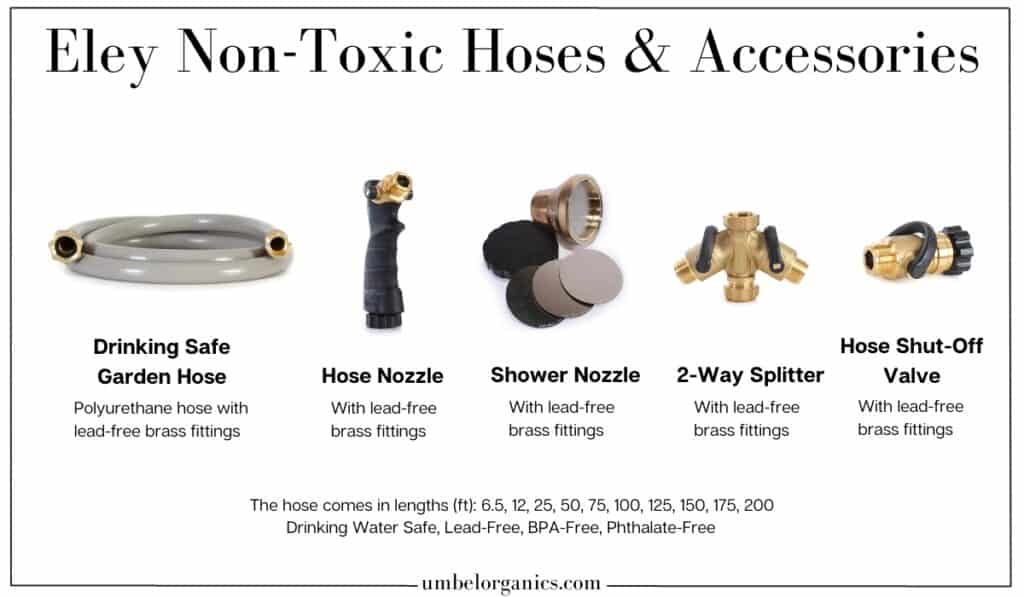
• Lead-free fittings and connectors
• Natural rubber instead of synthetic alternatives
• Food-grade materials for water contact surfaces
• UV-resistant coatings that don’t leach chemicals
The materials that make up modern non-toxic hoses are carefully selected. They’re designed to withstand outdoor conditions without breaking down or releasing harmful substances. Some manufacturers now use thermoplastic elastomers that offer flexibility while remaining chemically inert. Others have moved toward braided nylon or stainless steel construction for the main body, providing durability without toxicity concerns.
Key Materials to Look For
Let’s break down the best materials currently available for 2025 garden hoses. The top contenders include:
• Food-grade thermoplastic elastomers – These flexible materials meet strict safety standards for food contact. They’re resistant to temperature changes and don’t leach harmful substances.
• Braided nylon construction – Many premium hoses now feature nylon braiding that provides strength while avoiding plastic components entirely. The nylon itself is generally safe, though check that adhesives used are also non-toxic.
• Stainless steel reinforcement – For maximum safety and longevity, some hoses incorporate stainless steel braiding. This eliminates plastic entirely from the main body.
• Natural rubber blends – Modern natural rubber hoses are often treated with organic compounds rather than harsh chemicals. They offer excellent flexibility and durability.
• Recycled HDPE – High-density polyethylene made from recycled materials can be a good choice if it’s properly processed and certified safe for water use.
Each of these materials brings unique advantages. Braided nylon hoses tend to last longest, while natural rubber offers the best flexibility. Stainless steel provides ultimate durability, though it’s typically more expensive. The key is finding a balance between performance and safety.
How to Identify Safe Garden Hoses
Not all labels are created equal, so learning how to read product information effectively is crucial. Start by checking certifications like NSF/ANSI 61, which specifically tests for drinking water safety. This standard covers everything from chemical leaching to material compatibility. Another important certification is the California Proposition 65 label, which indicates compliance with strict California safety standards.
Red flags to watch for include:
• Hoses that don’t clearly state their materials
• Products with no safety certifications
• Hoses with strong chemical odors
• Cheap hoses that seem too good to be true
• Products that claim to be "safe" without specifying testing
Don’t rely solely on marketing claims. Read the fine print on product labels and warranty information. If a company can’t provide detailed information about their materials or testing, it’s worth walking away. Some manufacturers now provide detailed material safety data sheets online. These documents explain exactly what goes into each component and why it’s safe for use with potable water.
Real-world testing methods can also help. If you’re unsure about a particular hose, consider doing a simple smell test. A strong chemical odor usually indicates the presence of volatile organic compounds. You can also look for hoses that have been tested by independent laboratories for chemical migration.
Environmental Impact Considerations
Non-toxic garden hoses aren’t just better for your family – they’re also better for the planet. Traditional hoses often contribute to environmental pollution when they break down. Plastic hoses can take hundreds of years to decompose, and during that time they release microplastics and toxic chemicals into soil and water systems.
Modern eco-friendly options address this concern through several approaches:
• Biodegradable materials for certain components
• Recycled content in construction
• Extended lifespan design to reduce replacement frequency
• Packaging that uses minimal or recyclable materials
• Manufacturing processes that reduce waste and emissions
Some companies now offer hoses made from plant-based polymers that break down naturally after use. While these may not be suitable for all applications, they represent an important step forward. Others focus on creating hoses that can be completely recycled at end-of-life, rather than ending up in landfills.
The environmental benefits extend beyond just disposal. Non-toxic hoses often require fewer chemical treatments during manufacturing, reducing pollution in production facilities. They also don’t contribute to the contamination of groundwater or soil when they eventually reach the end of their useful life. This creates a cleaner ecosystem for both plants and wildlife.
Maintenance Tips for Longevity and Safety
Even the best non-toxic hoses will eventually wear out. Proper care extends their useful life and keeps them safe for continued use. Here are some essential maintenance practices:
• Drain hoses completely after each use to prevent stagnation
• Store hoses in cool, dry places away from direct sunlight
• Clean hoses regularly with mild soap and water
• Check for cracks or deterioration periodically
• Never leave hoses in standing water for extended periods
• Avoid kinking hoses excessively, which can cause internal damage
Regular inspection is crucial. Look for signs of wear like small cracks, discoloration, or soft spots. These can indicate chemical breakdown or physical degradation. If you notice any of these issues, replace the hose immediately rather than risking contamination.
Proper storage makes a big difference. Hoses stored in direct sunlight or extreme temperatures deteriorate faster. Even non-toxic materials can break down under harsh conditions. Using a hose reel or proper storage system helps protect the material and extends its lifespan. Some gardeners even invest in specialized hose storage boxes that keep hoses clean and protected from the elements.
Cost vs. Value Analysis
There’s a common misconception that non-toxic hoses are always more expensive. While premium options do cost more upfront, they often provide better value over time. The initial investment pays dividends through reduced replacement costs and better safety outcomes.
Consider these factors when evaluating costs:
• Lifespan of the product
• Frequency of replacement needed
• Health and safety benefits
• Environmental impact savings
• Warranty and return policies
• Brand reputation and customer service
A $20 hose that needs replacement every six months might cost more than a $50 hose that lasts five years. The math becomes clear quickly when you factor in the total cost of ownership. Additionally, many high-quality non-toxic hoses come with comprehensive warranties, which adds value and peace of mind.
The market has responded to consumer demand with increasingly affordable options. Several manufacturers now offer quality non-toxic hoses at mid-range prices. These products combine good materials with reasonable pricing, making safe gardening accessible to more people. Quality doesn’t always mean premium price – it’s about making informed choices about materials and construction.
Future Trends in Garden Hose Technology
The garden hose industry is evolving rapidly, with new innovations emerging regularly. Looking ahead to 2025 and beyond, several exciting developments are shaping the landscape:
• Smart hoses with built-in sensors for monitoring water usage
• Self-healing materials that can repair small punctures automatically
• Integration with smart home systems for automated watering
• Advanced filtration systems built directly into hose designs
• Modular construction allowing easy replacement of individual components
One particularly interesting trend is the development of hoses that actively filter water as it flows through. These hoses incorporate activated carbon filters or other purification methods to remove contaminants before they reach your plants. While still emerging, this technology represents a significant advancement in garden safety.
Another promising direction involves biotechnology. Some companies are exploring the use of bioengineered materials that offer the performance characteristics of traditional plastics but break down safely in the environment. These materials are still in early stages but show great promise for future applications.
The industry is also focusing on circular economy principles, designing hoses that can be easily disassembled and recycled. This approach addresses both safety and sustainability concerns simultaneously. Manufacturers are learning that customers want products that work well, are safe, and don’t harm the environment.
Choosing a non-toxic garden hose in 2025 is about more than just buying the right product – it’s about making conscious decisions that protect your health, your family, and the environment. The materials we select for our garden equipment have far-reaching consequences that extend well beyond the immediate gardening experience. As we continue to learn more about chemical safety and environmental impact, our choices become more informed and responsible.
Whether you’re a seasoned gardener or someone just starting out, investing in a quality, non-toxic hose pays off in multiple ways. It’s an investment in your family’s health, your garden’s success, and the planet’s future. The key is doing your research, reading labels carefully, and understanding what you’re putting into your garden. The good news is that better options are becoming more accessible and affordable. With a little knowledge and attention to detail, anyone can make safe, responsible choices for their garden hoses. The future of garden hoses is bright, and it’s getting safer with each passing year.