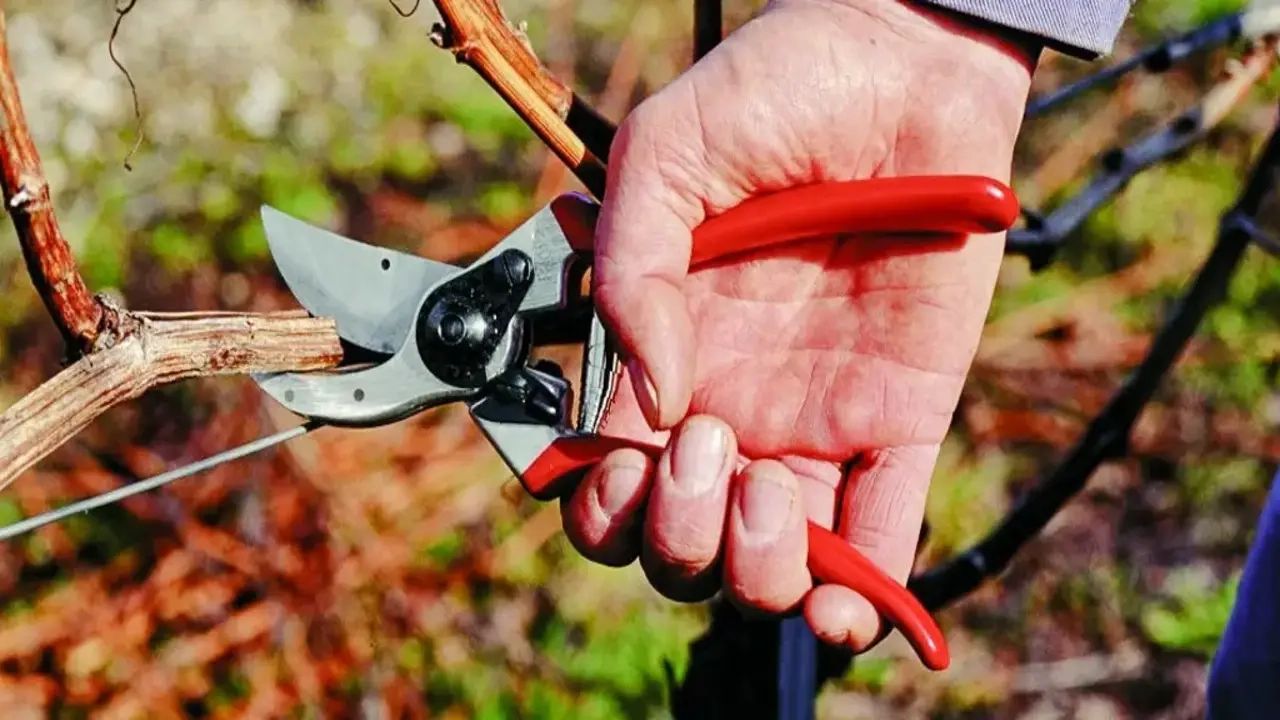
When it comes to gardening, we often focus on what’s growing in our soil. But what about the tools we use to nurture that growth? The right hand pruners can make all the difference between a thriving garden and one that’s struggling with unnecessary waste. These essential tools aren’t just about precision cutting – they’re about reducing environmental impact while maximizing your gardening success.
Gardening is more than just planting seeds and watering plants. It’s a practice that connects us deeply with nature, and the tools we use play a crucial role in how sustainably we can tend to our green spaces. In recent years, there’s been a growing awareness about reducing waste in every aspect of life, including our gardening habits. This shift has brought attention to something many gardeners might have overlooked – the importance of choosing the right hand pruners that align with low-waste principles. Whether you’re a seasoned gardener or someone just starting out, understanding how to select and maintain pruning tools that minimize waste can transform your gardening approach. These aren’t just about getting the job done; they’re about doing it responsibly, with consideration for future generations and the planet we all share.
Why Low Waste Matters in Gardening Tools
The environmental impact of gardening extends far beyond what we see in our gardens. When we think about sustainability, we often overlook the tools we use daily. Traditional gardening tools, especially those made with non-renewable materials or designed for short lifespans, contribute to a larger waste problem. Choosing low-waste hand pruners means investing in quality that lasts longer, reduces the need for frequent replacements, and often uses materials that can be recycled or repurposed when they eventually reach the end of their useful life. Consider this: a single pair of well-made pruners can serve for decades if properly maintained, compared to cheaper alternatives that might break after a few seasons. That’s a significant reduction in material consumption and waste generation. Many modern pruner designs also incorporate features like replaceable parts, which means you don’t have to discard the entire tool when just one component fails. This approach keeps more products in circulation longer and reduces the demand for new manufacturing processes.
Key Features of High-Quality Low-Waste Pruners
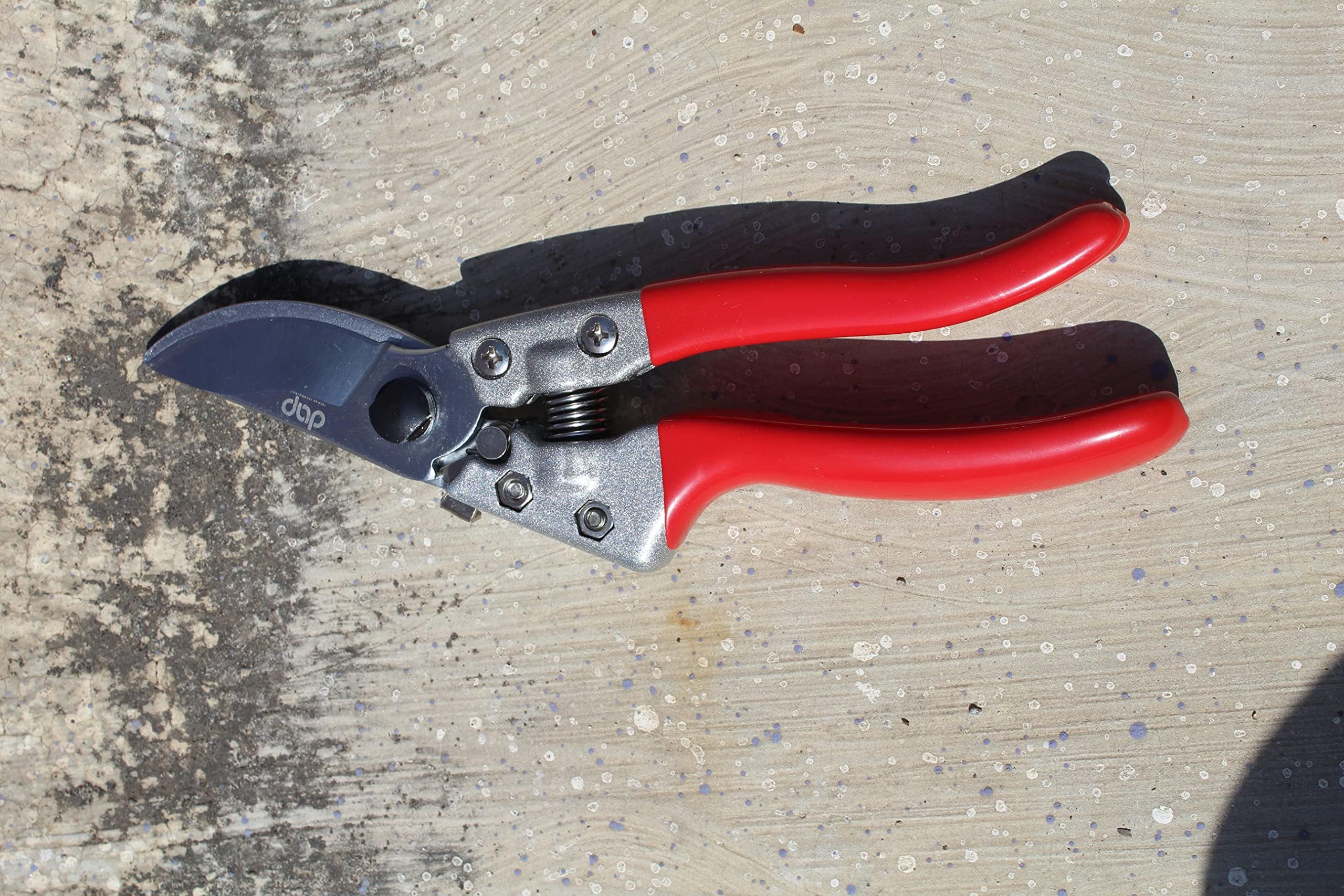
Not all hand pruners are created equal, especially when considering their environmental impact. The best low-waste pruners typically feature several important characteristics that contribute to their longevity and reduced environmental footprint. Sharp blades are fundamental – dull blades require more force and can damage plant tissue unnecessarily. Look for materials that resist rust and corrosion, such as stainless steel or coated carbon steel. Some manufacturers now offer pruners made from recycled materials or designed with recyclability in mind. The handle design matters too; ergonomic grips reduce user fatigue and prevent accidental dropping, which could lead to breakage. A well-balanced tool means less strain on your hands and wrists, encouraging proper use rather than forcing the tool beyond its capabilities. Some pruners come with integrated features like blade sharpening stones or cleaning brushes, extending their usable life through proper maintenance. These small additions can make a big difference in how long your tools last and how much waste they produce over time.
Material Choices for Sustainable Pruning Tools
The materials used in making hand pruners significantly affect both their performance and their environmental impact. Stainless steel is often considered the gold standard for pruner blades because of its durability and resistance to rust. While it requires more energy to produce than some alternatives, its long lifespan makes it a better choice overall. Carbon steel blades are another popular option, offering excellent sharpness and edge retention, though they may require more maintenance to prevent rust. Many manufacturers are now using recycled metals in their production processes, reducing the need for virgin materials. For handles, look for options made from recycled plastics or sustainable materials like bamboo or recycled rubber. These choices reduce demand for new raw materials and often provide excellent grip and comfort. Some innovative brands are experimenting with bio-based plastics derived from renewable sources like corn starch or sugarcane, offering a compromise between performance and environmental responsibility. The key is finding a balance between durability, performance, and material sustainability that fits your gardening needs.
Maintenance Tips to Extend Tool Lifespan
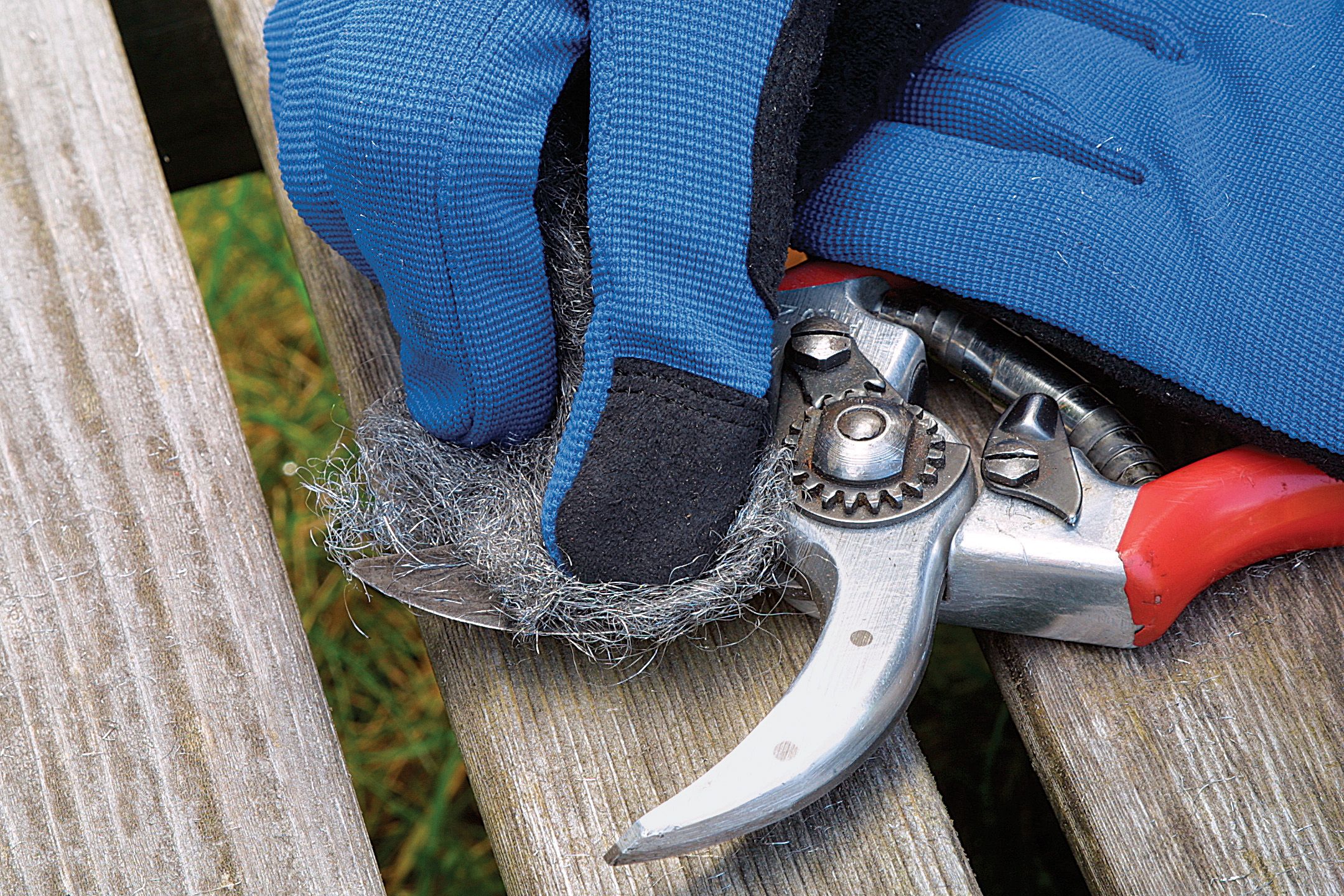
Proper care of your hand pruners is perhaps the most important factor in achieving low-waste gardening. Regular maintenance prevents premature failure and extends the life of your tools dramatically. After each use, clean the blades thoroughly to remove sap, dirt, and debris that can cause corrosion. A simple wipe-down with a cloth and mild soap solution works wonders for keeping blades clean and functional. Apply a light coat of oil to the blades and pivot points to prevent rust and ensure smooth operation. Sharpen the blades regularly – a sharp blade cuts cleanly and efficiently, requiring less force and causing less stress on the tool itself. Most gardeners find that a whetstone or sharpening file keeps their pruners in optimal condition for years. Store your pruners properly in a dry place, ideally with a protective cover or case. Some gardeners even invest in specialized tool storage solutions that keep multiple pruners organized and protected from moisture and damage. These simple steps can add years to the life of your pruners, making them true investments in sustainable gardening.
Choosing the Right Pruner for Your Garden Needs
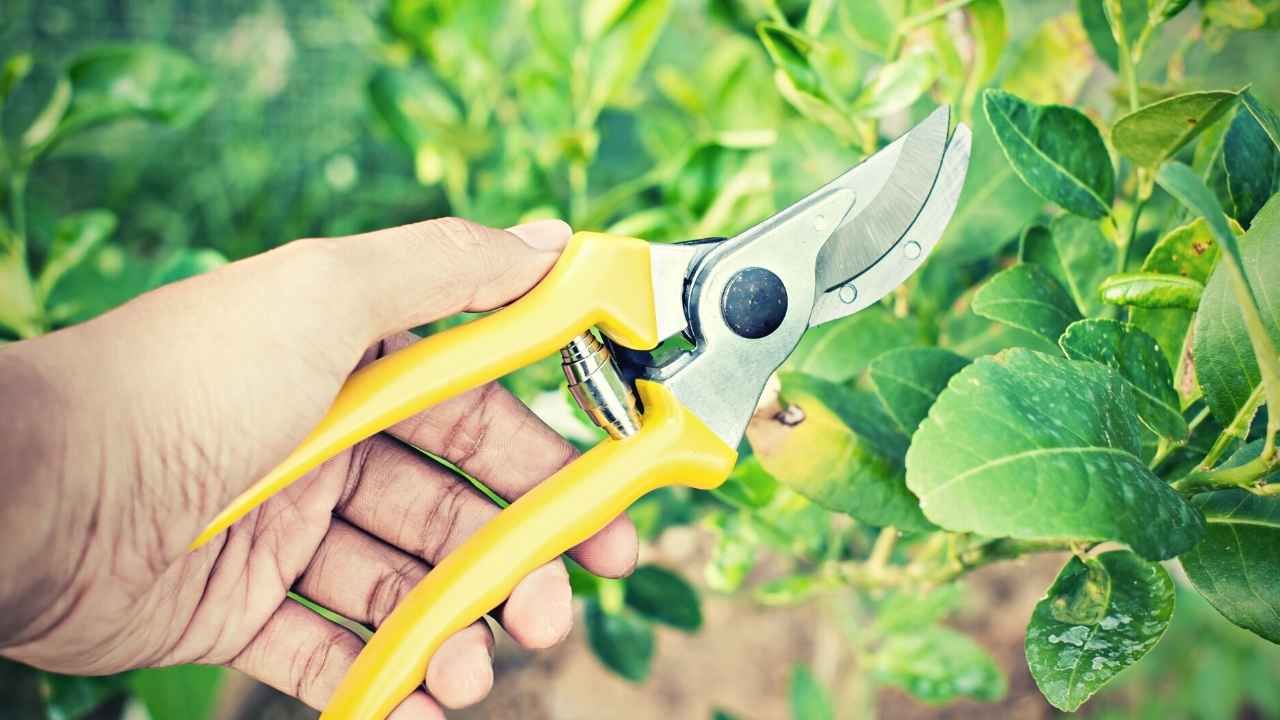
Different gardening tasks require different types of pruners, and choosing the right one for the job is crucial for both effectiveness and longevity. For delicate work like trimming flowers or shaping small branches, bypass pruners are ideal. They cut cleanly and precisely, minimizing damage to plant tissue. For thicker branches, anvil pruners provide the necessary cutting power. These are particularly good for woody stems and deadwood removal. Some gardeners prefer combination pruners that offer both cutting styles in one tool. Consider the size of your garden and the frequency of pruning when selecting your tools. If you have a large garden, investing in multiple pruners of different sizes might be worthwhile. Quality tools often cost more upfront but save money over time through reduced replacement costs and better performance. Think about the types of plants you grow – fruit trees, shrubs, vines, and ornamental plants all benefit from different pruning techniques and tools. Some gardeners develop a preference for specific brands based on their experience with performance and durability. It’s worth trying a few different models to see what works best for your particular gardening style and preferences.
The Economic Benefits of Investing in Quality Pruners
While high-quality low-waste pruners may seem expensive initially, they often prove to be more economical over time. A premium pair can last 10 to 20 years with proper care, whereas budget models might need replacing after just two or three seasons. This longevity translates directly into savings on replacement costs. Better tools also mean more efficient work, which saves time and effort in the garden. When your pruners perform well, you’re less likely to damage plants during pruning or struggle with difficult cuts that might require additional tools or methods. Many gardeners find that their investment in quality pruners pays for itself through reduced replacement expenses and improved garden health. Additionally, some high-end pruners come with warranties or guarantee programs that offer further protection against defects or premature wear. These guarantees provide peace of mind and often reflect the manufacturer’s confidence in their product quality. The economic argument for sustainable gardening tools becomes clear when you consider that the cost per use decreases dramatically with longer-lasting equipment.
Choosing the right hand pruners for sustainable gardening isn’t just about getting a good deal on tools – it’s about making a conscious decision to garden responsibly. The investment in quality, low-waste pruners pays dividends not only in garden performance but also in environmental stewardship. By selecting tools made from durable materials, maintaining them properly, and using them appropriately for each task, gardeners can significantly reduce their environmental impact while enjoying better results in their green spaces. The journey toward more sustainable gardening practices starts with small changes, and choosing the right hand pruners is one of the most impactful decisions you can make. As more gardeners embrace these principles, we move closer to a future where our love of gardening doesn’t come at the expense of our planet. Every cut made with a well-cared-for, quality pruner represents a step toward more mindful, responsible gardening that benefits both the gardener and the environment.